() ·
Ένα έργο ζωγραφικής φτιαγμένο για εσάς, με το χέρι
Χειροποίητη Αναπαραγωγή σε Έλαιο
Χειροποίητη ελαιογραφία σε καμβά στο δικό σας μέγεθος και πλαίσιο, κατά παραγγελία από τους καλλιτέχνες μας. ( Μετάβαση σε Εκτυπώσεις Μετάβαση σε Ψηφιακή Αποτέλεσμα)
Βιογραφικό Καλλιτέχνη
Antonio de Pereda (1611-1678) was a Spanish Baroque painter renowned for his captivating still lifes, religious scenes & historical works like 'Relief of Genoa'. Explore his masterful use of tenebrism and influence on Spanish art.
 Περισσότερα
από ·
Κεφάλαιο 1
Ποιο μέγεθος θα έπρεπε να έχει;
Ανακινήστε το ρυθμιστικό για να αλλάξετε το μέγεθος· η εικόνα στα αριστερά δείχνει το κάδρο στο πραγματικό του πλάτος. Οι αναλογίες του πρωτοτύπου διατηρούνται.
Επιλέξτε από τις προκαθορισμένες διαστάσεις μας που διατηρούν τις αρχικές αναλογίες του έργου τέχνης.

Πληκτρολογήστε το πλάτος και το ύψος που επιθυμείτε, ώστε να ταιριάζουν στο κάδሮ ή στον τοίχο σας. Ε เนื่องจาก πρόκειται για χειροποίητη ζωγραφική, σε περίπτωση διαστάσεων με διαφορετικό σχήμα, ο καλλιτέχνης μπορεί να ζωγραφίσει λίγο παραπάνω γύρω από το έργο ή να αφαιρέσει ένα μέρος — η επιλογή είναι δική σας. Σας στέλνουμε ένα ψηφιακό mockup για έγκριση πριν ξεκινήσει η δημιουργία του έργου. Η εικόνα που εμφανίζεται σε αυτή τη σελίδα δεν δείχνει το τελικό αποτέλεσμα — μόνο το mockup το αναδεικνύει.
Κεφάλαιο 2
Πώς θα πρέπει να παραδοθεί;
Επιλέξτε τις πλευρές του τεντωμένου καμβά
Επιλέξτε το πλαίσιο σας

Λευκό €1

Αντιστροφή με θολό φινίρισμα €1

Εκτεταμένη περιφέρεια €1

P118B €10

P118H €10

P118W €10

P438Z €10

P508JH €12

P508YH €12

P805H €10

P805Z €10

P919BZ €10

P919G €10

P919XJ €10

P959ZH €10

P968JZ €12

W106C €8

W218G €10

W218JH €8

W218Y €10

W307PJ €10

W316G €10

W316PJ €8

W316Y €10

W398PJ €8

W4111J €10

W500HY €15

W500JH €15

W692G €12

W849H €8

W940BG €15

W953PJ €8

H24-GOLD €30

H24-SILVER €30

H36-GOLD €45

H36-SILVER €45
Με πλαίσιο
Πλαισίωμα: . Συνολικές διαστάσεις με το πλαίσιο: .
Κεφάλο 3
Ποιος το ζωγραφίζει και πρέπει να αλλάξει κάτι;
Μετά την παραγγελία, η ομάδα του OriginalUniqueArt.com θα στείλει email στον πελάτη για οδηγίες και θα παρέχει μια προεπισκόπηση (mockup)
Παγκόσμια Αποστολή () σε 3-4 εβδομάδες αντί για τις συνήθεις 5 εβδομάδες. (3 Νοέμβριος). Χωρίς συμβιβασμούς στην ποιότητα.
Κεφάλαιο 4
Οι τελευταίες πινελιές
Μια πινακίδα με πληροφορίες, όπως σε ένα μουσείο;
Λεπτομέρειες Χάραξης σε Πλακέτα Χαλκού
This elegant plaque features the artist's name and the title of the artwork, finely engraved for a timeless presentation.
It is made from bronze with a refined, elegant finish. The text is precisely laser-engraved for a sharp and permanent result. Measuring 9x2 cm, the plaque is compact yet easy to read. It's built to be durable and scratch-resistant, offering a professional, museum-quality look. Mounting is simple thanks to the included adhesive backing.
Λεπτομέρειες Διαφανούς Ακρυλικής Πλακίδας
The plaque includes essential engraved details such as the artist's name, the title of the artwork, the date it was created, the type of media used-like oil on canvas or watercolor-a brief description of the piece, and a QR code that links to the complete artwork information.
It is crafted from clear acrylic, offering a sleek, modern appearance. The text is UV-engraved in black to ensure strong visual contrast. With a size of 10x15 cm, it ensures optimal readability. It comes equipped with two metal hooks for secure wall mounting. The plaque is designed to be weather-resistant, making it suitable for various environments, and it includes interactive features that work seamlessly with smartphone scanning.
Λεπτομέρειες Πλακίδας Ακρυλικού Μαύρου Χρώματος
This elegant plaque includes engraved information such as the artist's name, the title of the artwork, the date it was created, the type of media used (like oil on canvas or watercolor), a short description of the artwork, and a QR code for quick access to more information.
The plaque itself is made from refined black acrylic with a premium finish. The text is laser-engraved in white for high contrast and readability. Its size is 10x15 cm, designed to be easy to read. It comes with two metal hooks for professional mounting. The design is sleek and fits any interior style. It is also weather-resistant and durable, with built-in digital integration for mobile compatibility.
Προστατευτικό βερνίκι;
Πότε θα το χρειαστείτε;
Κεφάλαιο 5
Το έργο σας, ακριβώς όπως το παραγγείλατε

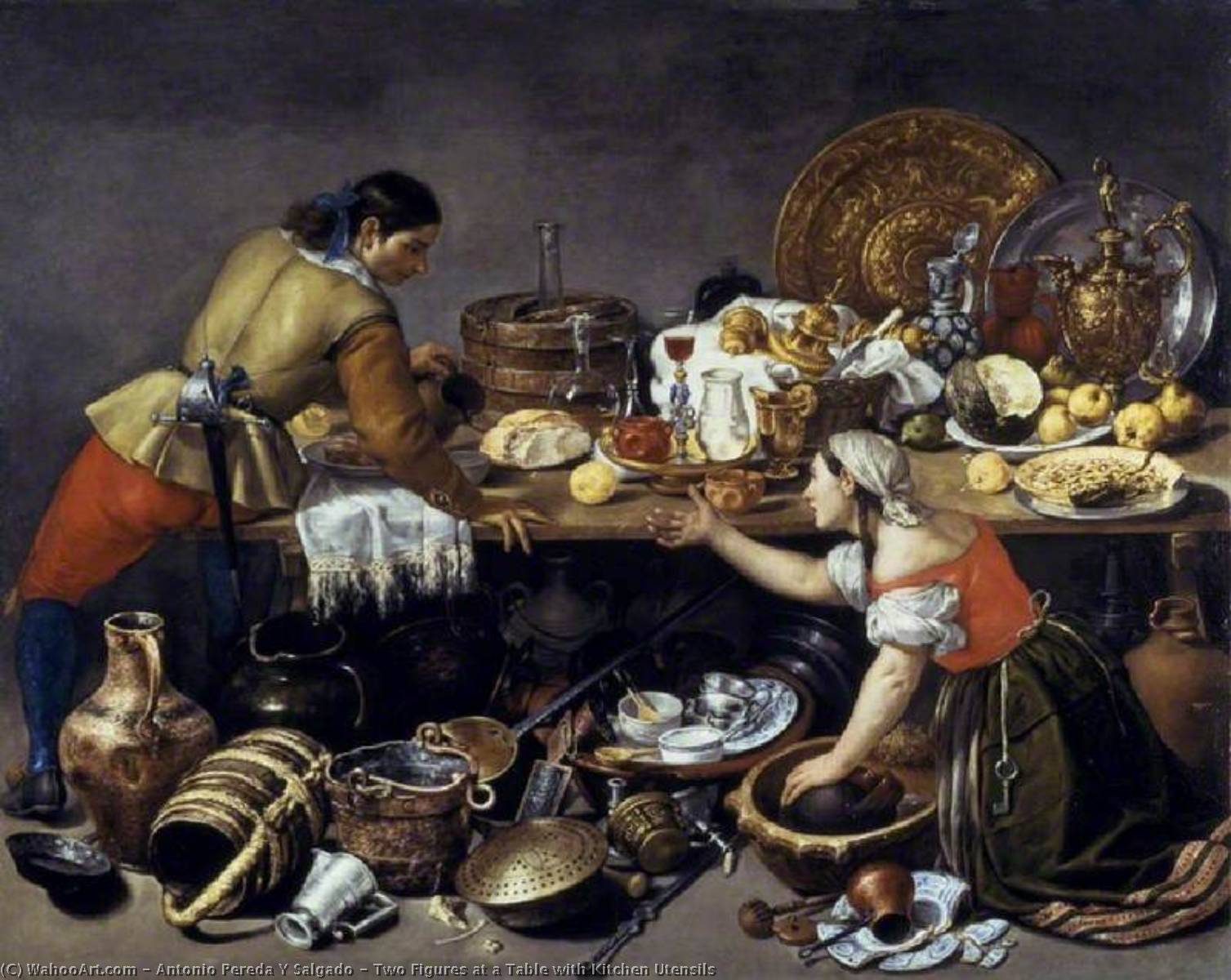
Two Figures at a Table with Kitchen Utensils
Μέσο Αναπαραγωγής
Διαστάσεις Αναπαραγωγής
-

Κορυφαίος Καλλιτέχνης
Περισσότερη λεπτομέρεια, φινέτσα και επιπλέον χρόνος παραγωγής
-

Πλαίσιο Αναπαραγωγής
-
-
Για έργα τέχνης ή αναπαραγωγές με πλευρά υπερβαίνουσα των 105 εκ. (περίπου 41 ίντσες), το πλαίσιο θα αποσταλεί αποσυναρμολογημένο, σε μορφή κιτ. Η μέθοδος αυτή διασφαλίζει την ασφαλή παράδοση και προλαμβάνει τυχόν ζημιές κατά τη μεταφορά.
Απαιτείται επαγγελματικός συναρμολογητής - δεν πρόκειται για προϊόν αυτοσυναρμολογίας (DIY).
Το κιτ πρέπει να συναρμολογηθεί και ο καμβάς να τεντωθεί από έμπειρο επαγγελματία πλαίσιο (framer), με τη χρήση κόλλας ξύλου (δεν περιλαμβάνεται), πένσας για ένταση καμβά και σφιγκτήρων, ώστε να διατηρηθεί η ορθογωνιότητα των δοκών κατά τη διάρκεια της ξędρανσης. Η λανθασμένη συναρμολόγηση ή η ανισόρροπη ένταση του καμβά μπορεί να προκαλέσει μόνιμη ζημιά στο έργο και δεν καλύπτεται από την εγγύησή μας.
 Για έργα τέχνης ή αναπαραγωγές με πλευρά υπερβαίνουσα των 105 εκ. (περίπου 41 ίντσες), το πλαίσιο θα αποσταλεί αποσυναρμολογημένο, σε μορφή κιτ. Η μέθοδος αυτή διασφαλίζει την ασφαλή παράδοση και προλαμβάνει τυχόν ζημιές κατά τη μεταφορά.
Περιλαμβάνονται όλες οι μπάρες από μασίφ ξύλο, κομμένες με ακρίβεια στις διαστάσεις τους.
Συναρμολογείται με τις παρεχόμενες βίδες, καθώς και με κόλλα ξύλου για τις γωνιακές ενώσεις, η οποία δεν περιλαμβάνεται και θα πρέπει να προμηθευτεί από τον τεχνίτη σας.
Απαιτούνται επαγγελματικά εργαλεία που δεν περιλαμβάνονται: μια πένσα για σφίξιμο καμβά (τενωτήρας) και σφιγκτήρες για τη διατήρηση της ορθογωνιότητας των καρέ κατά τη διάρκεια της απορρόφησης της κόλλας.
Σημαντικό:
Οι γωνιακές ενώσεις απαιτούν κόλλα ξύλου, οι σπορ πρέπει να συγκρατούνται με σφιγκτήρες μέχρι να στεγνώσει πλήρως η κόλλα, και για την ένταση του καμβά στο συναρμολογημένο πλαίσιο απαιτείται μια πένσα για ένταση καμβά. Κανένα από αυτά δεν περιλαμβάνεται στο σετ. Παρακαλούμε συμβουλευτείτε έναν έμπειρο επαγγελματία κάδραρχο πριν παραγγείλετε αυτό το μέγεθος.

Πληροφορίες έργου
-
-

Βερνίκι Προστασίας
Γυαλιστερό Βερνίκι (ενισχύει τα χρώματα, προστατεύει από το φως και την υγρασία)
-

Προσαρμογή του έργου μου
Παραδείγματα αλλαγών που είναι δυνατές: Αντικατάσταση προσώπου με φωτογραφία του πελάτη· Προσθήκη κατοικίδιου (π.χ., αντικατάσταση γάτας με σκύλο)· Ενσωμάτωση κρυφού μηνύματος στο φόντο· Αλλαγή τοπίου ή στοιχείων στο φόντο.
-

Επείγουσα παραγγελία
Παγκόσμια Αποστολή () σε 3-4 εβδομάδες αντί για τις συνήθεις 5 εβδομάδες. (3 Νοέμβριος). Χωρίς συμβιβασμούς στην ποιότητα.
-
Αποστολή Express
Παγκόσμια Αποστολή () σε 5 εβδομάδες. (10 Νοέμβριος).
Συμπεριλαμβάνεται
Τελική Τιμή
€ 268
Η επιλογή με γυαλί είναι διαθέσιμη μόνο για μεγέθη κάτω από 110 εκ.
Συμπεριλαμβάνεται σε κάθε παραγγελία
- Δωρεάν γρήγορη διεθνής αποστολή
- Κάμβας από Λινό Υψηλής Ποιότητας
- Πλήρης ασφάλιση μεταφοράς
- Εγγύηση επιστροφής δασμών και φόρων εισαγωγής
- Εγγύηση Απόλυτης Ομοιότητας Χρωμάτων
- Πολιτική Επιστροφής 100 Ημερών (Μόνο σε περίπτωση ελαττωμάτων)
- Εγγύηση επιστροφής 100% των χρημάτων
- Προσφορά για πολλαπλές παραγγελίες


 Προεπισκόπηση σε πραγματική κλίμακα
 Αποστολή
 Κοινοποίηση
 Λεπτομέρειες
 Οδηγός

 Λήψη
Λήψη
 Παρόμοια αντικείμενα συλλογής
 Ακτινογραφία
 Παρουσίαση
 Ερωτήσεις & Απαντήσεις
 Στατιστικά
Με αριθμούς
- 29επιλογές καρέ
- τυπικές διαστάσεις, στις δικές τους αναλογίες
- 5εβδομάδες για τη δημιουργία και την παράδοση του
Σχετικά με το πρωτότυπο

- 192.0 x 238.0 cm


Antonio Pereda Y Salgado
1611 - 1678
Γρήγορα στοιχεία για τον/την Antonio Pereda Y Salgado
- Artistic Movement Or Style: Baroque
- Artists Or Movements Influenced By This Artist: ['Spanish Baroque']
- Artists Who Influenced This Artist: ['Giovanni Crescenzi']
- Date Of Birth: 1611
- Date Of Death: 1678
- Full Name: Antonio de Pereda y Salgado
- Nationality: Spanish
- Notable Artworks:
- Two Figures at a Table with Kitchen Utensils
- Tobias Restoring His Father's Sight
- Family of Darius before Alexander the Great
- Place Of Birth: Valladolid, Spain
Βιογραφικό Καλλιτέχνη
A Legacy of Light and Shadow: The Life of Antonio de Pereda y Salgado
In the golden, dramatic era of the Spanish Baroque, few artists possessed the ability to weave together the mundane and the monumental as masterfully as Antonio de Perida y Salgado. Born in Valladolid around 1611, Pereda was a child of an extraordinary artistic lineage; he was born into a family where the brush was a shared language, with his father, mother, and two brothers all practicing the craft. This immersion in a domestic workshop of painters undoubtedly shaped his early perception, instilling a profound respect for the technical rigors of the medium. His formative years in Madrid were guided by the disciplined hand of Pedro de las Cuevas, yet it was the influence of the Venetian master Giovanni Battista Crescenzi that would leave an indelible mark on his soul, introducing a richness of color and a sense of theatricality that would define much of his later work.
The trajectory of Pereda’s life was marked by both profound loss and spiritual redirection. The death of his mentor, Crescenzi, in 1635 served as a pivotal moment, prompting the artist to pivot away from the secular allure of the royal court toward the solemn, evocative realms of ecclesiastical patronage. This shift allowed him to explore the depths of religious iconography, where he could utilize the dramatic interplay of light and shadow—the technique known as tenebrism—to inspire devotion. Seeking to refine his burgeoning style, he turned to Giuseppe Cesari, further expanding his stylistic horizons and preparing him for the monumental tasks that lay ahead in the service of both Church and State.
The Art of the Everyday and the Grandeur of History
While Pereda is perhaps most celebrated today for his exquisite still lifes, his oeuvre was a vast tapestry that spanned genres. His still lifes are far more than mere studies of objects; they are profound meditations on existence. In these works, the textures of heavy silks, the glint of polished metal, and the delicate decay of organic matter serve as vanitas symbols, reminding the viewer of the fleeting nature of earthly glory. He possessed a singular ability to render the tactile reality of kitchen utensils or floral arrangements with such precision that they seem to pulse with life, yet they always carry an underlying layer of spiritual contemplation.
Beyond the intimate scale of his still lifes, Pereda achieved great renown as a historical painter capable of capturing the weight of empire. His participation in the prestigious commissions for the Salón de Reinos at the Buen Retiro Palace remains one of his most significant professional milestones. Working alongside the legendary Diego Velázquez, Pereda contributed to monumental works such as the ‘Relief of Genoa,’ a piece that demanded an epic scale and a mastery of complex composition. His historical paintings, such as the 1649 masterpiece Family of Darius before Alexander the Great, demonstrate his capacity for high drama, utilizing sweeping narratives and psychological depth to bring pivotal moments of Spanish and classical history to the forefront of the viewer's consciousness.
Artistic Significance and Enduring Influence
The historical significance of Antonio de Pereda y Salgado lies in his role as a bridge between the rigorous traditions of the early 17th century and the more emotive, textured Baroque style that would dominate the mid-century. He was a quintessential member of the Madrid school of painters, a group of contemporaries who flourished under the protection of the Spanish court and religious institutions. His ability to navigate the diverse demands of royal commissions and sacred altarpieces allowed him to leave a multifaceted legacy that enriched the visual culture of Spain.
Even today, Pereda’s work continues to captivate audiences through its intense emotional resonance and technical brilliance. To study his paintings is to witness a master at work, balancing the following elements with unparalleled grace:
- Technical Precision: An unmatched ability to render diverse textures, from the softness of velvet to the cold hardness of stone.
- Symbolic Depth: The use of everyday objects to communicate complex theological and philosophical themes regarding mortality and divinity.
- Dramatic Composition: A masterful command of light and shadow that guides the eye through complex historical narratives.
- Historical Continuity: His role in maintaining the prestige of Spanish painting during a period of immense cultural and political transition.
As he passed away in Madrid in 1678, Pereda left behind a body of work that remains a cornerstone of the Spanish Baroque, reminding us that even the smallest object, when viewed through the lens of a master, can hold the weight of the entire universe.