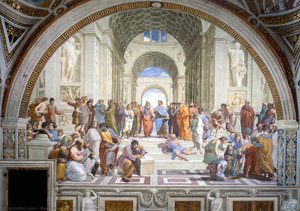
Προεπισκόπηση
 Αποστολή
 Κοινοποίηση
 Λεπτομέρειες
 Οδηγός

 Λήψη
Λήψη
 Παρόμοια αντικείμενα συλλογής
 Ακτινογραφία
 Παρουσίαση
 Στατιστικά
Self-Portrait
 Acrylic
- WallArt
- Neoclassical Revival
 1776
1776 90.0 x 66.0 cm
 Μητροπολιτικό Μουσείο Τέχνης
 Περισσότερα λεπτομέρεια
Χειροποίητη Αναπαραγωγή σε Έλαιο
Χειροποίητη ελαιογραφία σε καμβά στο δικό σας μέγεθος και πλαίσιο, κατά παραγγελία από τους καλλιτέχνες μας. ( Μετάβαση σε Εκτυπώσεις Μετάβαση σε Ψηφιακή Εικόνα)




P118B €10

P118H €10

P118W €10

P438Z €10

P508JH €12

P508YH €12

P805H €10

P805Z €10

P919BZ €10

P919G €10

P919XJ €10

P959ZH €10

P968JZ €12

W106C €8

W218G €10

W218JH €8

W218Y €10

W307PJ €10

W316G €10

W316PJ €8

W316Y €10

W398PJ €8

W4111J €10

W500HY €15

W500JH €15

W692G €12

W849H €8

W940BG €15

W953PJ €8




Επιλέξτε από τις προκαθορισμένες διαστάσεις μας που διατηρούν τις αρχικές αναλογίες του έργου τέχνης.

Πληκτρολογήστε το πλάτος και το ύψος που επιθυμείτε, ώστε να ταιριάζουν στο κάδሮ ή στον τοίχο σας. Ε เนื่องจาก πρόκειται για χειροποίητη ζωγραφική, σε περίπτωση διαστάσεων με διαφορετικό σχήμα, ο καλλιτέχνης μπορεί να ζωγραφίσει λίγο παραπάνω γύρω από το έργο ή να αφαιρέσει ένα μέρος — η επιλογή είναι δική σας. Σας στέλνουμε ένα ψηφιακό mockup για έγκριση πριν ξεκινήσει η δημιουργία του έργου. Η εικόνα που εμφανίζεται σε αυτή τη σελίδα δεν δείχνει το τελικό αποτέλεσμα — μόνο το mockup το αναδεικνύει.
Μετά την παραγγελία, η ομάδα του OriginalUniqueArt.com θα στείλει email στον πελάτη με οδηγίες και θα παρέχει μια προεπισκόπηση προσχεδίου
Παγκόσμια Αποστολή () σε 3-4 εβδομάδες αντί για τις συνήθεις 5 εβδομάδες. (23 Οκτώβριος). Χωρίς συμβιβασμούς στην ποιότητα.

Δωρεάν γρήγορη διεθνής αποστολή

Κάμβας από Λινό Υψηλής Ποιότητας

Πλήρης ασφάλιση μεταφοράς

Εγγύηση επιστροφής δασμών και φόρων εισαγωγής

Εγγύηση Απόλυτης Ομοιότητας Χρωμάτων

Πολιτική Επιστροφής 100 Ημερών (Μόνο σε περίπτωση ελαττωμάτων)

Εγγύηση επιστροφής 100% των χρημάτων

Έκπτωση για πολλαπλές παραγγελίες
 Η επιλογή με γυαλί είναι διαθέσιμη μόνο για μεγέθη κάτω από 110 εκ.

Self-Portrait
Τεχνική Αναπαραγωγής
Διαστάσεις Αναπαραγωγής
-


Συνολικό Κόστος
€ 263
A Portrait Steeped in Classical Idealism: Exploring Anton Raphael Mengs’ Self-Portrait
The painting “Self-Portrait” by Anton Raphael Mengs stands as a testament to the artistic fervor of the Enlightenment and embodies the burgeoning fascination with reviving classical forms after the excesses of Rococo. Executed in Madrid in 1776, shortly before Mengs succumbed to illness – a visible swelling on his forehead serving as poignant reminder of his physical vulnerability – this artwork transcends mere likeness; it’s an embodiment of intellectual conviction and artistic ambition.- Subject Matter: The portrait depicts Mengs himself in a contemplative pose, gazing directly at the viewer with unwavering gaze. This deliberate confrontation establishes an intimate connection between artist and observer, inviting contemplation on themes of self-awareness and artistic identity.
- Style & Technique: Mengs’ style aligns squarely with Neoclassicism, prioritizing clarity, balance, and idealized beauty—characteristics championed by Johann Joachim Winckelmann, whose influence extended far beyond the realm of painting. The artist employs meticulous brushwork, layering thin glazes to achieve remarkable luminosity and capturing subtle nuances of expression. He skillfully utilizes chiaroscuro – dramatic contrasts between light and shadow – to sculpt the figure’s form and imbue it with depth.
Historical Context: Rome and Beyond
Mengs' artistic development unfolded against a backdrop of significant cultural shifts. Following the opulent grandeur of Rococo, Rome experienced a resurgence of interest in Greco-Roman art and philosophy, fueled by thinkers like Winckelmann who advocated for studying antiquity as a guide to artistic excellence. Mengs’s formative years in Rome solidified his commitment to these ideals, shaping his aesthetic vision and informing his approach to portraiture. He was actively engaged in the intellectual debates of his time, reflecting the broader Enlightenment preoccupation with reason and moral virtue.- Symbolism: The inclusion of books symbolizes Mengs’ erudition and dedication to scholarship—a cornerstone of Enlightenment thought. Furthermore, the chair serves as a grounding element, anchoring the figure within a domestic setting and subtly conveying notions of stability and contemplation.
Emotional Impact & Artistic Legacy
“Self-Portrait” resonates powerfully with viewers due to its unflinching honesty and psychological depth. Mengs’ gaze conveys not only confidence but also vulnerability, acknowledging the fragility inherent in human existence. The painting's luminous palette and masterful technique elevate it beyond a simple depiction of appearance; it communicates an inner state—a profound engagement with artistic contemplation and intellectual inquiry. As a pivotal work within Neoclassical art history, Mengs’ Self-Portrait continues to inspire artists and collectors alike, serving as a timeless emblem of classical beauty and humanist ideals.Ερωτήσεις & Απαντήσεις
Ποιο συναισθηματικό ύφος συνοδεύει το στυλ της καλλιτεχνικής καμπάνιας Neoclassical Revival του έργου "Self-Portrait";
Το Reflective συναίσθημα του "Self-Portrait" συνοδεύει το στυλ της καλλιτεχνικής κίνησης Neoclassical Revival.
Το έργο "Self-Portrait" παρέμεινε στη χώρα καταγωγής του καλλιτέχνη του;
Όχι - το έργο βρίσκεται στο εξωτερικό. Το έργο "Self-Portrait" βρίσκεται στη χώρα United States of America, ενώ ο/η Άντον Ραφαήλ Μένγκς γεννήθηκε στη χώρα Τσεχία.
Πώς συνδέονται μεταξύ τους τα χρώματα του "Self-Portrait";
Η χρωματική αρμονία του "Self-Portrait" καταγράφεται ως Strong Color Unity.
Βιογραφικό Καλλιτέχνη
Μια Γέφυρα Μεταξύ Κόσμων: Η Ζωή και η Τέχνη του Άντον Ραφαήλ Μένγκς
Ο Άντον Ραφαήλ Μένγκς εμφανίστηκε κατά μια συναρπαστική περίοδο στην ευρωπαϊκή τέχνη, μια εποχή όπου οι στολισμένες πολυτελείς του Ροκοκό άρχισαν να υποχωρούν μπροστά σε μια ανανεωμένη εκτίηση των κλασικών ιδεών. Γεννημένος το 1728 στο Ústí nad Labem της Βοημίας – μια περιοχή που σήμερα ανήκει στην Τσεχία – το καλλιτεχνικό του ταξίδι διαμορφώθηκε βαθιά τόσο από την καταγωγή του όσο και από τα πνευματικά ρεύματα του Διαφωτισμού. Ο πατέρας του, ο Ismael Mengs, ένας Δανός ζωγράφος που βρήκε προστάτες στο двореιό της Δρέσδης, αναγνώρισε νωρίς το εξαιρετικό ταλέντο του νεαρού Άντον. Αυτή η αναγνώριση οδήγησε σε μια καθοριστική μετακίνηση το 1741: τη μετακόμιση στη Ρώμη, όπου ο αναδυόμενος καλλιτέχνης βυθίστηκε στη μελέτη αρχαίων αριστουργημάτων και των έργων μεγάλων δασκάλων της Αναγέννησης, όπως ο Ραφαήλ. Αυτή η έκθεση στις κλασικές μορφές θα σφραγίσει αδιάσπαστα τις αισθητικές του αισθήσεις, εμφυτεύοντας σε αυτόν έναν βαθύ σεβασμό για την κλασική μορφή, τη σαφήνεια και τη σύνθεση – ποιότητες που θα γίνονταν χαρακτηριστικά του ώριμου στυλ του. Τα πρώτα χρόνια ήταν αφιερωμένα στην προσεκτική αντιγραφή, όχι απλώς ως άσκηση τεχνικής, αλλά ως μια βαθιά πράξη καλλιτεχνικού προσκυνήματος, απορροφώντας την ουσία του ιδιοφυΐας του Ραφαήλ.Από τη Δρέσδη έως τη Μαδρίτη: Μια Καριέρα σε Ευρωπαϊκά Περιβάλλοντα
Η καριέρα του Μένγκς ξετύπασε σε αρκετά σημαντικά ευρωπαϊκά πρωτοπορίατα αυλακιά, με το καθένα να αφήνει το μοναδικό του αποτύπωμα στην καλλιτεχνική του εξέλιξη. Το 1749, εξασφάλισε μια προ\}}\prestigious θέση ως ζωγράφος της αυλής του Φρεντέρικ Αυγούστου, Εκλέκτο της Σαξονίας, έναν ρόλο που του προσέφερε τόσο οικονομική σταθερότητα όσο και την ελευθερία να διατηρήσει μια βάση στη Ρώμη – το επίκεντρο της καλλιτεχνικής του έμπνευσης. Ωστόσο, ήταν τα φρέσκοκο που πραγματικά καθιέρωσαν τη φήμη του. Ο «Παρνασσός» στη Villa Albani στη Ρώμη, ολοκληρωμένος γύρω στο 1761, έγινε αμέσως αισθητή, αποκορύδωση της αρμονικής σύνθεσης, των κομψών μορφών και μιας λεπτής αλλά ισχυρής αναπαράστασης της κλασικής μυθολογίας. Αυτό το έργο δεν ήταν απλώς μια διακοσμητική λεπτομέρεια· ήταν μια δήλωση – μια σκόπιμη προσπάθεια να συνθέσει τη μπαρόκ μεγαλοπρέπεια με τις αναδυόμενες νεοκλασικές αρχές. Ακολούθησαν περαιτέρω παραγγελίες, συμπεριλαμβανομένου του εντυπωσιακού φρέσκο που διακοσμούσε την θόλο της εκκλησίας Sant'Eusebio στη Ρώμη, αναδεικνύοντας την αρτιότητα του στην μονουμενταльную διακόσμηση και τον χωρικό ψευδαισθησμό. Ίσως η πιο φιλόδοξη προσπάθειά του ήρθε με μια πρόσκληση από την ισπανική αυλή το 1761. Ταξίδεψε στη Μαδρίτη, όπου του ανατέθηκε η διακόσμηση αρκεμένων βασιλικών παλατιών, κορύφτωσαν από την εντυπωσιακή οροφή της Αίθουσας Πανηγύριων του Βασιλικού Παλατίου – ένα έργο που θεωρείται ανάμεσα στις κορυφαίες επιδόσεις του, αποδεικνύοντας μια αξιοθαύμαστη ικανότητα να αναμιγνύει την ιταλική κομψότητα με τις ισπανικές αισθήσεις.Η Σύνδεση με τον Winckelmann: Διαμόρφωση της Νεοκλασικής Σκέψης
Η καλλιτεχνική εξέλιξη του Μένγκς δεν καθοδητούνταν μόνο από την οπτική μελέτη· ήταν βαθιά συνδεδεμένη με τον πνευjąματικό διάλογο. Ένα κρίσιμο σημείο καμπής ήρθε με τη στενή φιλία και συνεργασία του με τον Johann Joachim Winckelmann, τον πρωτοπόρο ιστορικό της τέχνης, των οποίων τα συγγράμματα θα γίνονταν θεμελιώδη για την κίνηση του Νεοκλασικισμού. Ο Winckelmann υποστήριξε την επιστροφή στην αίσθηση της καθαρότητας και της απλότητας της αρχαίας ελληνικής τέχνης, προτείνοντας μια αισθητική βασισμένη στον λόγο, την τάξη και τις ιδεαλοποιημένες μορφές. Ο Μένγκς δεν απλώς αποδίδει θεωρίες του Winckelmann· συμμετείχε ενεργά στη διαμόρφωσή τους, μετατρέποντας αφηρημένες έννοιες σε αισθητές καλλιτεχνικές εκφράσεις. Μαζί πίστευαν ότι η πραγματική ομορφιά δεν κατοικεί στην επιφανειακή στολιδιά, αλλά στις θεμελιώδεις αρχές της αρμονίας και της αναλογίας που βρίσκονται στην κλασική αρχαιότητα. Αυτή η συνεργασία επεκτάθηκε πέρα από τις θεωρητικές συζητήσεις· εκδηλώθηκε στα ίδια τα έργα του Μένγκς, τα οποία αντικατοπτρίζουν ολοένα και περισσότερο την έμφαση του Winckelmann στην ευγενή απλότητα και τον συγκρατημένο συναισθηματισμό. Η επιρροή ήταν αμφίδρομη: τα συγγράμματα του Winckelmann παρείχαν ένα φιλοσοφικό πλαίσιο για τις καλλιτεχνικές προσπάθειες του Μένγκς, ενώ η τέχνη του Μένγκς λειτούργησε ως οπτική απόδειξη της εφικτότητας – και της ομορφιάς – των νεοκλασικών ιδεών.Κληρονομιά και Επιρροή: Ένας Πρωτοπόρος της Εποχής του
Ο Άντον Ραφαήλ Μένγκς πέθανε στη Ρώμη το 1779, αφήνοντας πίσω του μια κληρονομιά που ξεπερνούσε πολύ το εντυπωσιακό έργο του. Ήταν κάτι παραπάνω από έναν απλό ζωγράφο· ήταν μια καθοριστική προσωπικότητα στη μετάβαση από μια καλλιτεχνική εποχή στην άλλη. Παρόλο που ριζωμένος στην μπαρόκ παράδοση – όπως φαίνεται στη δραματική χρήση του φωτός και της σκιάς και στην αρτιότητα των ψευδαισθητικών τεχνικών του – ο Μένγκς ασαφώς υιοθέτησε τις αναδυόμενες αρχές του Νεοκλασικισμού, ανοίγοντας τον δρόμο για καλλιτέχνες όπως ο Jacques-Louis David και ο Antonio Canova. Η έμφασή του στις κλασικές ιδέες, σε συνδυασμό με την τεχνική του δεξιοτεχνία, τον καθιέρωσε ως μια ηγετική δύναμη στη διαμόρφωση της τέχνης του 18ου αιώνα. Η «Ακαδημία της Αθήνας», ζωγραφισμένη για τον Δούκα του Northumberland, αποτελεί μαρτυρία της ικανότητάς του να συνθέτει το ιστορικό πρότυπο με τις σύγχρονες καλλιτεχνικές αισθήσεις. Πέρα από τα έργα του, η επιρροή του Μένγκς εκτείνεται και στην εκπαίδευση· υπηρέτησε ως διευθυντής της Σχολής Ζωγραφικής του Βατικανού, καλλιεργώντας μια νέα γενιά καλλιτεχνών εμβαδύμενων στις κλασικές αρχές. Ήταν μια σύνθετη προσωπικότητα – ένας αφοσιωμένος Καθολικός που ταυτόχρονα συμμετείχε στο πνεύμα του Διαφωτισμού, ένας καλλιτέχνης που ισορρόπησε την παράδοση με την καινοτομία. Η ζωή και το έργο του αντιπροσωπεύουν μια συναρπαστική τομή καλλιτεχνικής δεξιοτεχνίας, πνευματικής περιέργειας και ιστορικών συνθηκών, εδραιώνοντας τη θέση του ως αληθινός πρωτοπόρος της Νεοκλασικής τέχνης. Η επίδρασή του αντηχεί ακόμα και σήμερα, υπενθυμίζοντάς μας την αδιάλειπτη δύναμη των κλασικών ιδεών να εμπνεύουν και να μεταμορφώνουν την καλλιτεχνική έκφραση.
Άντον Ραφαήλ Μένγκς
1728 - 1779 , Τσεχία
Στοιχεία καλλιτέχνη
- Artistic Movement Or Style: Νεοκλασικισμός
- Artists Or Movements Influenced By This Artist: ['Ντεϊξτενχόλντ']
- Artists Who Influenced This Artist:
- Ραφαήλ
- Τιτσιάν
- Date Of Birth: 12 Μαρτίου 1728
- Date Of Death: 29 Ιουνίου 1779
- Full Name: Anton Raphael Mengs
- Nationality: Γερμανός
- Notable Artworks:
- Το Όνειρο του Ιωσούφ
- Η Παρνασσός
- Place Of Birth: Ústí nad Labem, Τσεχία
Σχετικά άρθρα

Baroque Classicism: The Grandeur of Order and Drama in 17th-Century Art History
Explore the profound elegance of Baroque Classicism. Discover how 17th-century masters synthesized dramatic emotion with classical order through the lens of the Counter-Reformation and the works of legends like Carlo Maratta and Andrea Sacchi.
Baroque Classicism: Reconciling Drama & Order in 17th-Century Art
Explore the captivating world of Baroque Classicism! Discover its history, key artists like Caravaggio & Rubens, and defining characteristics. Expert insights & high-quality reproductions at OriginalUniqueArt.
The Enduring Gaze: Classical Portraiture & Societal Values
Explore the rich history of classical portraiture & its reflection of societal values. Discover artistic techniques, symbolism, and enduring influence on art collecting with OriginalUniqueArt.

Οι 10 Κορυφαίοι Δασκάλλοι του Νεοκλασικισμού: Έργα Τέχνης που Εμπνέουν Διαχρονικά
Ανακαλύψτε τους 10 κορυφαίους πίνακες και γλυπτά του Νεοκλασικισμού! Μάθετε για τον Jacques-Louis David, Ingres & Canova. Βρείτε αναπαραγωγές υψηλής ποιότητας για να εμπνεύσετε τη διακόσμηση σας. Εξερευνήστε την πλήρη συλλογή στο OriginalUniqueArt.com
Reflecting the Self: A History of Portraiture & Psychological Insight
Explore the fascinating history of self-portraiture from Renaissance masters like Dürer & Rembrandt to modern interpretations. Discover the psychological insights and artistic techniques behind these iconic works. Expert analysis for art enthusiasts.