
 Δείτε σε πραγματικό χώρο
 Αποστολή
 Κοινοποίηση
 Λεπτομέρειες

 Λήψη
Λήψη
 Παρόμοια αντικείμενα συλλογής
 Ακτινογραφία
 Παρουσίαση
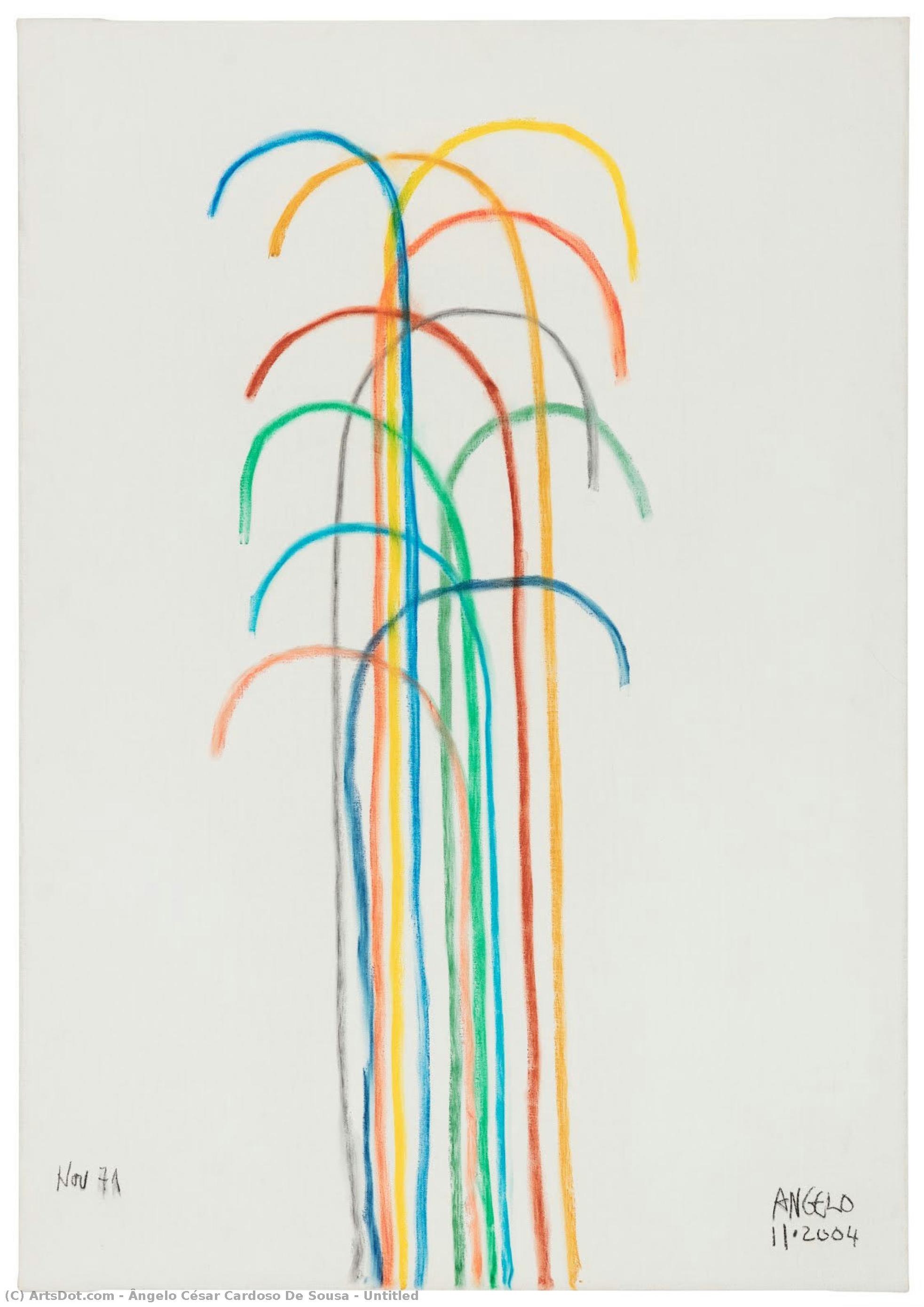
Untitled
 Acrylic On Canvas
- WallArt
- Color Field Painting
 2004
2004 100.0 x 70.0 cm
 Culturgest - Fundação Caixa Geral de Depósitos
 Διαβάστε περισσότερα
Χειροποίητη Αναπαραγωγή σε Έλαιο
Χειροποίητη oil painting σε καμβά στο δικό σας μέγεθος και πλαίσιο, κατά παραγγελία από τους καλλιτέχνες μας. ( Αγορά εκτύπωσης Αγορά ψηφιακής εικόνας)




P118B $10

P118H $10

P118W $10

P438Z $10

P508JH $12

P508YH $12

P805H $10

P805Z $10

P919BZ $10

P919G $10

P919XJ $10

P959ZH $10

P968JZ $12

W106C $8

W218G $10

W218JH $8

W218Y $10

W307PJ $10

W316G $10

W316PJ $8

W316Y $10

W398PJ $8

W4111J $10

W500HY $15

W500JH $15

W692G $12

W849H $8

W940BG $15

W953PJ $8




Επιλέξτε από τις προκαθορισμένες διαστάσεις μας που διατηρούν τις αρχικές αναλογίες του έργου τέχνης.

Μπορείτε να ορίσετε δικές σας διαστάσεις ώστε το έργο να ταιριάζει σε ένα συγκεκριμένο πλαίσιο ή χώρο. Εάν το επιλεγμένο μέγεθος δεν συμπίπτει με τις αναλογίες της αρχικής εικόνας, θα περικοψούμε το έργο ή θα επεκτείνουμε τη ζωγραφιά με πρόσθετα χειρόγραφα στοιχεία. Ένα ψηφιακό προσχέδιο θα σας αποσταλεί για έγκριση πριν την έναρξη της παραγωγής.
Παρακαλούμε σημειώστε ότι η προεπισκόπηση στην οθόνη δεν αντικατοπτρίζει την πραγματική περικοπή ή επέκταση. Μόνο το προσχέδιο θα δείξει με ακρίβεια την τελική σύνθεση.
Παρόλο που είναι διαθέσιμα προσαρμοσμένα μεγέθη, συνιστούμε να επιλέξετε μια διάσταση από τη λίστα των προκαθορισμένων μεγεθών για τη διατήρηση των αρχικών αναλογιών.
Μετά την παραγγελία, η ομάδα του OriginalUniqueArt.com θα στείλει email στον πελάτη με οδηγίες και θα παρέχει μια προεπισκόπηση προσχεδίου
Παγκόσμια Αποστολή () σε 3-4 εβδομάδες αντί για τις συνήθεις 5 εβδομάδες. (19 Αύγουστος). Χωρίς συμβιβασμούς στην ποιότητα.

Δωρεάν γρήγορη διεθνής αποστολή

Κάμβας από Λινό Υψηλής Ποιότητας

Πλήρης ασφάλιση μεταφοράς

Εγγύηση Επιστροφής Δασμών και Φόρων

Εγγύηση Απόλυτης Ομοιότητας Χρωμάτων

Πολιτική Επιστροφής 60 Ημερών (Μόνο σε περίπτωση ελαττωμάτων)

Εγγύηση επιστροφής 100% των χρημάτων

Προσφορά για μαζικές παραγγελίες
 Η επιλογή με γυαλί είναι διαθέσιμη μόνο για μεγέθη κάτω από 110 εκ.

Untitled
Μέσο Αναπαραγωγής
Διαστάσεις Αναπαραγωγής
-


Συνολική Τιμή
$ 300
Περιγραφή Έργου
Angelo de Sousa’s “Untitled”: A Symphony of Color and Geometric Form
Born in Maputo, Mozambique, and nurtured by the vibrant artistic currents of both Africa and Portugal, Angelo César Cardoso de Sousa – known simply as Ângelo de Sousa – was a restless innovator whose career spanned decades of relentless experimentation. His work, particularly pieces like “Untitled” (1989), exemplifies his profound understanding of light, color, and minimalist abstraction. This particular piece, housed in a striking white canvas, isn’t merely a depiction of trees; it's an exploration of form, geometry, and the emotional resonance of pure color – a testament to his lifelong fascination with the essential elements of visual art.
The composition immediately commands attention. Five distinct tree trunks dominate the lower half of the canvas, rendered in bold, solid blocks of primary colors: red, yellow, blue, green, and orange. These aren’t naturalistic representations; rather, they are distilled forms, simplified to their most geometric essence. The branches, curving upwards with a graceful fluidity, echo the verticality of the trunks but introduce an element of organic movement that prevents the piece from feeling overly rigid. The stark white background serves as a powerful counterpoint, amplifying the intensity of the colors and creating a sense of depth – not through perspective, but through the sheer visual weight of the blocks of color themselves.
Decoding the Language of Color
De Sousa’s deliberate use of flat planes of color is central to the artwork's impact. There’s no blending, shading, or subtle gradation; each color exists as a distinct entity, a pure hue presented without compromise. This approach aligns with the principles of Color Field painting, a movement that sought to explore the emotional and psychological effects of color itself. The choice of primary colors – red, yellow, blue, green, and orange – is particularly significant. These are universally recognized as emotionally charged hues; red evokes passion and energy, yellow represents optimism and joy, blue signifies tranquility and stability, green symbolizes growth and renewal, and orange embodies warmth and enthusiasm. By juxtaposing these colors in a carefully considered arrangement, de Sousa invites the viewer to engage with their individual qualities and experience a complex interplay of emotions.
A Minimalist Approach to Form
Beyond color, the artwork’s strength lies in its minimalist approach to form. The tree trunks are defined by clean, straight lines – a deliberate rejection of naturalistic detail. The branches, while curved, maintain a simplified geometric shape, contributing to the overall sense of order and balance. This reductionist style echoes the principles of Minimalism, an art movement that emphasized simplicity, objectivity, and the inherent qualities of materials. De Sousa’s use of acrylic paint on canvas results in a smooth, almost polished surface, further enhancing the piece's graphic quality. The absence of brushstrokes or impasto – visible texture – reinforces the artwork’s sense of precision and control.
Symbolism and Emotional Resonance
While seemingly abstract, “Untitled” is rich with symbolic potential. The trees themselves can be interpreted as symbols of growth, resilience, and connection to nature. Their upward-reaching branches suggest aspiration and a striving for something beyond the immediate horizon. The bold colors evoke feelings of joy, energy, and optimism – qualities that resonate deeply within the viewer. Furthermore, considering de Sousa’s early exposure to diverse cultures in Africa and Portugal, one might also interpret the piece as a celebration of cultural fusion and the harmonious blending of influences. “Untitled” is not simply a depiction of trees; it's an invitation to contemplate the fundamental elements of art – color, form, and emotion – and to experience their transformative power.
Βιογραφία Καλλιτέχνη
A Life Immersed in Color and Form
Ângelo César Cardoso de Sousa, known simply as Ângelo de Sousa, was a pivotal figure in Portuguese art, a restless innovator whose career spanned decades of relentless experimentation. Born in 1938 in Lourenço Marques – now Maputo, Mozambique – his artistic journey began under the vibrant skies and diverse cultural currents of Africa before blossoming within the academic traditions of Portugal. This early exposure to a world brimming with color and texture profoundly shaped his aesthetic sensibility, instilling a lifelong fascination with light, form, and the expressive potential of materials. The move to Porto in 1955 marked a turning point, as he immersed himself in formal training at the School of Fine Arts, quickly distinguishing himself as an exceptional talent. He didn’t merely master traditional techniques; he absorbed them, dissected them, and prepared to transcend their boundaries. Graduating with the highest possible mark – a testament to his dedication and skill – de Sousa soon found himself among “Os Quatro Vintes,” a collective of academically gifted artists who would become influential forces in the Portuguese art scene.The Evolution of an Artistic Vision
De Sousa’s artistic path was one of continuous exploration, defying easy categorization. After establishing himself as a promising painter, he embraced sculpture, drawing, photography, film, and video, demonstrating a remarkable versatility that set him apart. From 1962 to 2000, his tenure as a professor at the University of Porto’s Faculty of Fine Arts wasn't simply an occupation; it was a vital component of his artistic practice. He nurtured generations of artists while simultaneously refining his own vision, fostering an environment where experimentation and critical thinking flourished. His work is immediately recognizable for its bold use of color – often primary hues deployed with striking intensity – and a willingness to challenge conventional approaches. He wasn’t content to simply represent the world; he sought to *interpret* it through abstract forms and innovative techniques. Influences were wide-ranging, from the emotional power of Expressionism to the geometric precision of Oriental art, the raw energy of primitive arts and Art Brut, the expansive fields of Colour Field painting, the cool detachment of Post Painterly Abstraction, the optical illusions of Op Art, and the playful accessibility of Pop Art. He absorbed these diverse currents not as imitation but as fuel for his own unique artistic language.Recognition and Accolades
The recognition of de Sousa’s talent came steadily throughout his career. His first solo exhibition in 1959 offered a glimpse of the innovative spirit that would define his work, while his participation in numerous group shows solidified his presence within the Portuguese art community. However, it was the International Prize awarded at the prestigious São Paulo Art Biennial in 1975 that truly propelled him onto the international stage. This accolade affirmed his standing as a significant contemporary artist and opened doors to exhibitions worldwide. His work found its way into museum collections, including the National Museum of Fine Arts in La Valletta, Malta, demonstrating the broad appeal and enduring quality of his artistic vision. The culmination of a lifetime dedicated to art came with the Gulbenkian Prize in 2007 – a prestigious honor recognizing his profound contribution to Portuguese culture. This award wasn’t merely a celebration of past achievements; it was an acknowledgement of his ongoing influence on the artistic landscape.A Lasting Legacy
Ângelo de Sousa's impact extends far beyond his own body of work. He inspired countless artists with his unwavering commitment to experimentation, his fearless exploration of new techniques, and his ability to synthesize diverse influences into a cohesive and compelling aesthetic. He was, at heart, a scholar of light and color, relentlessly pursuing minimalist expressions that resonated with profound emotional depth. His legacy lies not in adherence to any single style or movement but in the spirit of inquiry he embodied – a constant questioning of boundaries, a refusal to be constrained by convention, and an unwavering belief in the power of art to transform our perception of the world. His work continues to challenge and inspire new generations of artists, ensuring that his innovative spirit will endure for years to come. He remains a beacon for those who seek to push the limits of artistic expression.Key Achievements
- 1959: First solo exhibition, marking the beginning of his public career.
- 1975: International Prize at the 13th São Paulo Art Biennial – a pivotal moment in his international recognition.
- 2007: Gulbenkian Prize, acknowledging his significant contribution to Portuguese culture.
- Throughout his career: Extensive exhibitions in museums and collections worldwide, solidifying his global presence.
- 1962-2000: Dedicated teaching at the University of Porto, shaping generations of artists.

Ângelo César Cardoso de Sousa
1938 - 2011 , Mozambique
Γρήγορα στοιχεία
- Artistic Movement Or Style: Expressionism, Minimalism
- Artists Or Movements Influenced By This Artist: ['New generations of artists']
- Artists Who Influenced This Artist:
- Klee
- Kandinsky
- Date Of Birth: 1938
- Date Of Death: 2011
- Full Name: Ângelo César Cardoso de Sousa
- Nationality: Portuguese
- Notable Artworks:
- Untitled
- Sem título (Geométrico grande)
- Place Of Birth: Maputo, Mozambique
Σχετικά άρθρα

Βασίλι Καντίνσκι: Τα 25 Κορυφαία Έργα Τέχνης για Διακόσμηση & Έμπνευση
Ανακαλύψτε τα 25 κορυφαία έργα τέχνης του Βασίλι Καντίνσκι! Εξερευνήστε την αφηρημένη τέχνη, τον εξπρεσιονισμό & τα εμβληματικά χρώματα του ιδιοφυούς ζωγράφου. Αναπαραγωγές υψηλής ποιότητας για διακόσμηση και έμπνευση στο OriginalUniqueArt.com.
Acrylic Painting: A Comprehensive Exploration of Technique, History & Contemporary Applications
Explore the world of acrylic painting! Discover its rich history, essential techniques, contemporary applications & renowned artists. Expert guide for beginners to professionals.

Top 10 Έργα που καθόρισαν τον Αφηρημένο Εκφρασισμό | OriginalUniqueArt.gr
Ανακαλύψτε τα 10 εμβληματικά έργα που καθόρισαν τον Αφηρημένο Εκφρασισμό! Jackson Pollock, Mark Rothko & άλλοι. Ιστορίες, τεχνικές και έμπνευση για τη διακόσμηση του σπιτιού σας με πίνακες υψηλής ποιότητας. Εξερευνήστε την πλήρη συλλογή στο OriginalUniqueArt.com

Γεωμετρική Αφαίρεση: 10 Έργα που Άλλαξαν την Τέχνη | OriginalUniqueArt.gr
Ανακαλύψτε τα 10 κορυφαία έργα της Γεωμετρικής Αφαίρεσης! Μοντριάν, Καντίνσκι & άλλοι. Ιστορίες, τεχνικές και έμπνευση για τη διακόσμηση του σπιτιού σας. Βρείτε αναπαραγωγές υψηλής ποιότητας στο OriginalUniqueArt.com.
Acrylic on Paper: A Modern Canvas for Contemporary Expression
Explore the versatility of acrylic painting on paper! Discover expert techniques, artist insights & archival practices for creating stunning contemporary art. Learn more at OriginalUniqueArt.


