

 Δείτε σε πραγματικό χώρο
 Αποστολή
 Κοινοποίηση
 Λεπτομέρειες

 Λήψη
Λήψη
 Παρόμοια αντικείμενα συλλογής
 Ακτινογραφία
 Παρουσίαση
 Στατιστικά
Gateway


 Διαβάστε περισσότερα
Χειροποίητη Αναπαραγωγή σε Έλαιο
Χειροποίητη oil painting σε καμβά στο δικό σας μέγεθος και πλαίσιο, κατά παραγγελία από τους καλλιτέχνες μας. ( Μετάβαση σε Εκτυπωση Μετάβαση σε Ψηφιακή Εικόνα)




P118B $10

P118H $10

P118W $10

P438Z $10

P508JH $12

P508YH $12

P805H $10

P805Z $10

P919BZ $10

P919G $10

P919XJ $10

P959ZH $10

P968JZ $12

W106C $8

W218G $10

W218JH $8

W218Y $10

W307PJ $10

W316G $10

W316PJ $8

W316Y $10

W398PJ $8

W4111J $10

W500HY $15

W500JH $15

W692G $12

W849H $8

W940BG $15

W953PJ $8




Επιλέξτε από τις προκαθορισμένες διαστάσεις μας που διατηρούν τις αρχικές αναλογίες του έργου τέχνης.

Μπορείτε να ορίσετε δικές σας διαστάσεις ώστε το έργο να ταιριάζει σε ένα συγκεκριμένο πλαίσιο ή χώρο. Εάν το επιλεγμένο μέγεθος δεν συμπίπτει με τις αναλογίες της αρχικής εικόνας, θα περικοψούμε το έργο ή θα επεκτείνουμε τη ζωγραφιά με πρόσθετα χειρόγραφα στοιχεία. Ένα ψηφιακό προσχέδιο θα σας αποσταλεί για έγκριση πριν την έναρξη της παραγωγής.
Παρακαλούμε σημειώστε ότι η προεπισκόπηση στην οθόνη δεν αντικατοπτρίζει την πραγματική περικοπή ή επέκταση. Μόνο το προσχέδιο θα δείξει με ακρίβεια την τελική σύνθεση.
Παρόλο που είναι διαθέσιμα προσαρμοσμένα μεγέθη, συνιστούμε να επιλέξετε μια διάσταση από τη λίστα των προκαθορισμένων μεγεθών για τη διατήρηση των αρχικών αναλογιών.
Μετά την παραγγελία, η ομάδα του OriginalUniqueArt.com θα στείλει email στον πελάτη με οδηγίες και θα παρέχει μια προεπισκόπηση προσχεδίου
Παγκόσμια Αποστολή () σε 3-4 εβδομάδες αντί για τις συνήθεις 5 εβδομάδες. (13 Σεπτέμβριος). Χωρίς συμβιβασμούς στην ποιότητα.

Δωρεάν γρήγορη διεθνής αποστολή

Κάμβας από Λινό Υψηλής Ποιότητας

Πλήρης ασφάλιση μεταφοράς

Εγγύηση Επιστροφής Δασμών και Φόρων

Εγγύηση Απόλυτης Ομοιότητας Χρωμάτων

Πολιτική Επιστροφής 100 Ημερών (Μόνο σε περίπτωση ελαττωμάτων)

Εγγύηση επιστροφής 100% των χρημάτων

Προσφορά για μαζικές παραγγελίες
 Η επιλογή με γυαλί είναι διαθέσιμη μόνο για μεγέθη κάτω από 110 εκ.

Gateway
Μέσο Αναπαραγωγής
Διαστάσεις Αναπαραγωγής
-


Συνολική Τιμή
$ 300
A Grand Entrance: Unveiling Bregno's "Gateway"
This captivating image presents a monumental entranceway, likely to a significant religious or historical site. Executed around 1480 by Andrea di Cristoforo Bregno, an Italian sculptor and architect of the Early Renaissance, “Gateway” offers a glimpse into a world of meticulous craftsmanship and burgeoning artistic innovation. The scene is dominated by two imposing wooden doors, richly adorned with intricate carvings that speak to the skill of the artisan. Above them, decorative elements—statues and potentially gargoyles—add layers of architectural complexity, while elaborate marble panels depicting figures and scenes line the surrounding walls, evoking the classical and Renaissance artistic traditions flourishing at the time. The patterned floor further enhances the overall sense of grandeur and formality.The Artist & Historical Context
Andrea di Cristoforo Bregno (1418-1506) was a pivotal figure in Roman art during the Early Renaissance, bridging the gap between Gothic and High Renaissance styles. Born into a renowned artistic family from Lombardy, he honed his skills alongside his father and brothers, gaining experience supervising architectural projects in Venice before being summoned to Rome by Pope Paul II. Bregno’s workshop thrived under the patronage of Sixtus IV, producing numerous wall tombs for cardinals and papal officials—a testament to his prominence within the Roman artistic landscape. This "Gateway" likely served as an element within a larger architectural project commissioned during this period of intense artistic and religious fervor in Rome. The date, 1480, places it firmly within the Early Renaissance, characterized by a renewed interest in classical forms and humanism.Style & Technique: A Symphony of Detail
The artwork showcases Bregno’s mastery of both sculpture and architecture. While the image itself is likely a preparatory study or depiction of an existing structure rather than a finished painting, it reveals his keen eye for detail and understanding of spatial composition. The meticulous rendering of the marble panels, the intricate carvings on the doors, and the interplay of light and shadow demonstrate a sophisticated technical skill.- Materiality: The emphasis on materials – wood, marble – highlights their inherent beauty and texture.
- Perspective & Composition: The composition guides the viewer's eye towards the central doors, creating a sense of depth and inviting exploration.
- Light & Shadow: The skillful use of light and shadow emphasizes the three-dimensionality of the architectural elements, adding drama and visual interest.
Symbolism & Emotional Impact
Beyond its aesthetic appeal, "Gateway" carries symbolic weight. Entrances often represent transitions—a passage from one realm to another, a threshold between the mundane and the sacred. The elaborate decoration suggests a place of importance, perhaps a church or palace, signifying power, faith, and artistic achievement. The image evokes a sense of quiet reverence and timelessness. It invites contemplation on the history embedded within its stones and carvings—the countless individuals who have passed through this gateway over centuries. The stillness captured in the scene creates an emotional resonance, prompting viewers to imagine the stories held within these walls and appreciate the enduring legacy of Renaissance artistry.Βιογραφία Καλλιτέχνη
Andrea di Cristoforo Bregno: Bridging Gothic and Renaissance Rome
Andrea di Cristoforo Bregno, a sculptor and architect of the Early Renaissance, remains a fascinating figure whose career unfolded during a pivotal transition in Roman art. Born in Ostenia, Lombardy, around 1418, and passing away in Rome in 1506, he navigated the shifting currents between Gothic traditions and the burgeoning High Renaissance, leaving behind a legacy of intricate tombs, refined architectural details, and a significant contribution to the standardization of classicizing epigraphy. His life was inextricably linked to the vibrant artistic circles of his time, marked by collaborations with prominent figures like Mino da Fiesole and Raphael’s father, Giovanni Santi.Early Life and Artistic Roots
Bregno's origins were deeply rooted in a family renowned for its sculptural prowess. His father, Cristoforo Bregno, and his brothers, Ambrogio and Girolamo, formed a workshop in Ferrara, establishing themselves as skilled artisans. This lineage provided him with an invaluable foundation, exposing him to the techniques and aesthetic sensibilities of Northern Italian sculpture from a young age. The family’s subsequent involvement in overseeing architecture at the Doge's Palace in Venice – following the death of Bartolomeo Bon – further broadened his experience, immersing him in the complexities of architectural design alongside sculptural artistry. This early exposure instilled within him a deep appreciation for both form and function, shaping his approach to his future endeavors.Rome: A Crucible of Innovation
Bregno’s journey led him to Rome around 1460, an era marked by immense artistic activity fueled by the patronage of the papacy. Invited there by Paul II, he quickly established himself as a sought-after sculptor and architect, benefiting from numerous commissions that reflected the grandeur of the papal court. He became a key figure in the workshop headed by Pope Sixtus IV, producing elaborate wall tombs for cardinals and other prominent figures within the Curia – a testament to his skill and growing reputation. His work during this period showcased a remarkable versatility, blending technical mastery with an evolving artistic style.Style and Influences: A Lombard Manner Embracing Classicism
Bregno’s distinctive style is often described as a refined “Lombard manner,” characterized by its elegance, precision, and attention to detail. However, his time in Rome exposed him to the ideals of classical antiquity, leading to a gradual integration of Roman sculptural forms into his work. He was an early collector of Roman sculptures, meticulously studying their proportions, techniques, and expressive qualities. This engagement with the past informed his approach to creating works that were both aesthetically pleasing and imbued with a sense of timelessness. The influence of Mino da Fiesole, another prominent sculptor in Rome, further refined his style, contributing to the development of a balanced and harmonious aesthetic.Key Achievements and Notable Works
Bregno’s career produced several significant achievements that continue to be admired today. His work on the Piccolomini Altar in Siena is considered one of his masterpieces, showcasing his mastery of marble carving and architectural design. The intricate façade, with its hexagonal side chapels and coffered ceiling, demonstrates a remarkable understanding of spatial relationships and decorative elements. Furthermore, Bregno played a crucial role in standardizing an authentically classicizing style of epigraphy – the inscriptions accompanying his tombs – ensuring consistency and elegance in their presentation. His contributions to the Sistine Chapel, particularly the little cantoria or choristers’ gallery, further cemented his reputation as a versatile and innovative artist. His tomb itself, completed in 1506, provides a poignant glimpse into his artistic vision and serves as a lasting testament to his skill.Legacy and Historical Significance
Andrea di Cristoforo Bregno’s life coincided with a crucial period of transition in the history of art. He bridged the gap between the Gothic traditions of the late Middle Ages and the High Renaissance, embodying the evolving aesthetic sensibilities of his time. His work reflects both the enduring influence of Northern Italian sculpture and the growing fascination with classical antiquity that characterized the Roman artistic scene. Bregno’s legacy lies not only in his individual creations but also in his role as a key figure in shaping the stylistic trends of Early Renaissance Rome, leaving an indelible mark on the city's architectural and sculptural landscape.
Andrea di Cristoforo Bregno
1418 - 1506 , Italy
Γρήγορα στοιχεία
- Artistic Movement Or Style: Early Renaissance
- Artists Or Movements Influenced By This Artist:
- Raphael
- Bramante
- Artists Who Influenced This Artist:
- Polykleitos
- Mino da Fiesole
- Date Of Birth: 1418, Ostenia, Italy
- Date Of Death: 1506
- Full Name: Andrea di Cristoforo Bregno
- Nationality: Italian
- Notable Artworks:
- Piccolomini Altar
- Wall tombs (Rome)
- Place Of Birth: Ostenia, Lombardy
Σχετικά άρθρα
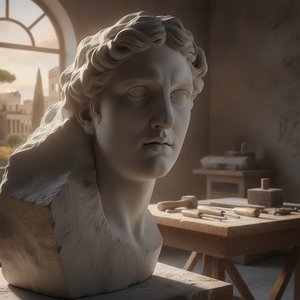
The Eternal Beauty of Marble: A Guide to Sculpting Light, Stone, and the Soul of Art History
Explore the sublime artistry of marble sculpture. From Greek antiquity to the masters of light, discover how stone captures the eternal essence of human beauty and emotion through expert craftsmanship and historical mastery.
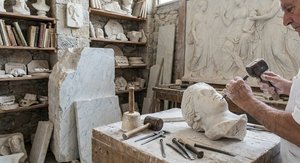
The Enduring Legacy of Marble: A Comprehensive Exploration of Technique, Symbolism & Artistic Expression
Explore the rich history of marble sculpture from antiquity to the Renaissance! Discover key techniques, influential artists & enduring themes in classical art. Expert insights for collectors and enthusiasts at OriginalUniqueArt.

The Enduring Allure of Marble in Art History: From Classical Sculpture to Modern Abstraction
Explore the captivating history of marble sculpture from ancient Greece to modern art. Discover renowned artists like Canova & Michelangelo, carving techniques, and investment insights at OriginalUniqueArt.
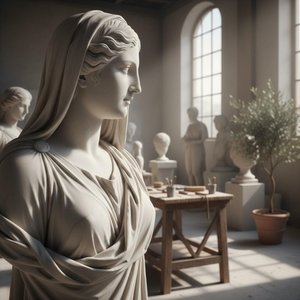
Timeless Elegance: A Complete Guide to the Sublime Beauty and Artistry of Marble Sculpture
Discover the sublime beauty of marble art through an expert exploration of Renaissance and Neoclassical masterpieces. From the delicate textures of Carpeaux to the grandeur of Sansovino, immerse yourself in a guide to timeless elegance and sculptural perfection.

Beyond the Canvas: Why Marble is the Ultimate Power Move for Modern Interiors
Discover why marble is the ultimate power move for modern luxury interiors. Explore how to pair premium natural stone with bold contemporary art to create high-impact, sophisticated spaces that define architectural excellence and timeless design authority.