Fauvism · 1912
Cliffs (Άντρέ Ντεράιν, 1912)
Ο/Η Άντρέ Ντεράιν (1880–1954) δημιούργησε το Cliffs. Χρονολογείται στο 1912. Ανήκει στο κίνημα Fauvism.
- 1912

 Προεπισκόπηση σε πραγματική κλίμακα

 Ελαιογραφικό Χειροποίητο Έργο
 Αποστολή
 Κοινοποίηση
 Οδηγός


 Λήψη
 Παρόμοια αντικείμενα συλλογής
 Ακτινογραφία
 Παρουσίαση
 Ερωτήσεις & Απαντήσεις

 Στατιστικά
Cliffs: τα βασικά
- Τίτλος
- Cliffs
- Καλλιτέχνης
- Άντρέ Ντεράιν (1880–1954)
- Γεννημένος/η το
- Σατού, Γαλλία
- Ημερομηνία
- 1912
- Κίνηση
- Fauvism
- Θέμα
- landscape, cliffs, mountains, village, waterfall, fauvism
Τι απεικονίζει το Cliffs;
A Vision of Verdant Majesty: André Derain's "Cliffs"
André Derain’s “Cliffs,” painted in 1912 and residing within the esteemed State Hermitage Museum, is more than just a landscape; it's a vibrant testament to the revolutionary spirit of Fauvism. This artwork captures a breathtaking vista of mountains, cliffs, and cascading waterfalls, transporting viewers to a realm where nature’s power and tranquility intertwine. The scene unfolds with a charming village nestled in the valley below, framed by majestic peaks blanketed in lush greenery – an idyllic paradise rendered through Derain's distinctive lens. Two quaint houses near the bottom left corner add a touch of human presence to this otherwise wild expanse. The overall impression is one of dynamic energy and harmonious balance, showcasing nature’s grandeur alongside the quiet resilience of human settlement.Fauvism in Full Bloom: Style & Technique
"Cliffs" exemplifies the core tenets of Fauvism, a groundbreaking art movement that emerged in the early 20th century. Characterized by its bold use of color and expressive brushstrokes, Fauvism sought to liberate painting from representational constraints, prioritizing emotional impact over strict realism. Derain, alongside contemporaries like Henri Matisse, was a pivotal figure in this movement. The technique employed here is immediately striking: colors are applied directly to the canvas with loose, gestural strokes, creating a textured surface that vibrates with energy. Notice how the blues of the sky aren't blended seamlessly but rather layered and juxtaposed, contributing to a sense of atmospheric depth. The simplification of forms – cliffs rendered as sweeping planes of color rather than meticulously detailed rock faces – further emphasizes the painting’s emotional intensity. The lack of precise detail encourages viewers to engage with the artwork on a visceral level, responding to its raw energy and vibrant hues.Historical Context & Artistic Influences
Painted in 1912, "Cliffs" reflects a period of significant artistic experimentation. Following the Impressionists' focus on capturing fleeting moments of light, Fauvism pushed boundaries even further, embracing subjectivity and emotional expression. Derain’s work during this time was also influenced by his exploration of London, where he captured the city with a radical perspective distinct from previous depictions. The movement itself arose as a reaction against the academic traditions that dominated the art world at the time, seeking to forge a new path for artistic innovation and personal expression. Derain’s willingness to break free from conventional representation positioned him at the forefront of this transformative era.Symbolism & Emotional Resonance
Beyond its aesthetic appeal, "Cliffs" carries symbolic weight. The imposing cliffs themselves can be interpreted as symbols of strength, permanence, and the enduring power of nature. The small village nestled below suggests human resilience and adaptability in the face of such grandeur. The cascading waterfall represents a constant cycle of renewal and transformation. Ultimately, Derain’s "Cliffs" evokes a profound sense of tranquility and awe. It invites viewers to contemplate the beauty and majesty of the natural world while simultaneously celebrating the power of artistic expression to convey complex emotions and ideas. The painting's vibrant colors and dynamic composition create an uplifting and inspiring experience, making it a timeless masterpiece that continues to resonate with audiences today.Cliffs σε υψηλή ανάλυση

Δημόσιος τομέας: ο καλλιτέχνης απεβίωσε το 1954.
Περισσότερα μεγέθη, καρέττες και αναφορά →Άντρέ Ντεράιν, Cliffs (1912). Δημόσιο περιουσιακό δικαίωμα
Ένας ειδικός ψηφιακών εικόνων ελέγχει τα χρώματα σε σχέση με το πρωτότυπο έργο και επεξεργάζεται το αρχείο, διατηρώντας την πιστότητα των πινελιάδων του καλλιτέχνη.
Αγοράστε την εικόνα υψηλής ανάλυσηςΕρωτήσεις για το Cliffs
Πότε δημιουργήθηκε το "Cliffs";
Το έργο "Cliffs" του Άντρέ Ντεράιν δημιουργήθηκε το έτος 1912.
Τι απεικονίζει το "Cliffs" του Άντρέ Ντεράιν;
Τα θέματα του "Cliffs" είναι τα landscape, cliffs, mountains, village, waterfall, fauvism, hermitage.
Το έργο "Cliffs" του Άντρέ Ντεράιν ανήκει στο δημόσιο περιουσιακό αγαθό;
Το έργο "Cliffs" του Άντρέ Ντεράιν ανήκει στο δημόσιο κτήμα - τα δικαιώματα αυτορության έχουν λήξει. Η κατάσταση αυτή διέπει τον τρόπο με τον οποίο μπορεί να αναπαραχθεί η εικόνα του έργου.
Ποιος είναι ο καλλιτέχνης πίσω από το "Cliffs";
Ο καλλιτέχνης πίσω από το "Cliffs" είναι ο/η Άντρέ Ντεράιν. Το έργο καταχωρείται υπό το όνομα του/της Άντρέ Ντεράιν.
Προς ποιο καλλιτεχνικό ρεύμα ανήκει το έργο "Cliffs" του Άντρέ Ντεράιν;
Το έργο "Cliffs" ανήκει στο καλλιτεχνικό ρεύμα Fauvism, το οποίο ορίζει την καλλιτεχνική παράδοση στην οποία εντάσσεται.
Ποια φάση της καριέρας του Άντρέ Ντεράιν αντιπροσωπεύει το "Cliffs";
Το "Cliffs" αντιπροσωπεύει την περίοδο Early Fauvist Period του Άντρέ Ντεράιν.
Πόσο είχε ο/η Άντρέ Ντεράιν όταν δημιουργήθηκε το "Cliffs";
Ο/Η Άντρέ Ντεράιν ήταν 32 ετών όταν δημιούργησε το "Cliffs" το 1912. Η ηλικία υπολογίζεται με βάση το έτος γέννησης του καλλιτέχνη, 1880.
Το έργο "Cliffs" του Άντρέ Ντεράιν ανήκει στο δημόσιο περιουσιακό αγαθό και γιατί;
Το έργο "Cliffs" του Άντρέ Ντεράιν ανήκει στο δημόσιο κτήμα - τα δικαιώματα αυτορության έχουν λήξει. Η διάρκεια της προστασίας των πνευματικών δικαιωμάτων υπολογίζεται από το έτος θανάτου του καλλιτέχνη, ο οποίος συνέβη το 1954.
Πώς εντάσσεται το "Cliffs" στα θέματα και το στυλ του/της Άντρέ Ντεράιν;
Το "Cliffs" ανήκει στο έργο του Άντρέ Ντεράιν με την καλλιτεχνική κατεύθυνση Fauvism, των οποίων τα αναγνωρίσιμα θέματα περιλαμβάνουν το represents a key work in derain's fauvist phase., celebrates nature’s beauty, tranquility, and vibrancy..
Σχετικά με τον καλλιτέχνη, Άντρέ Ντεράιν
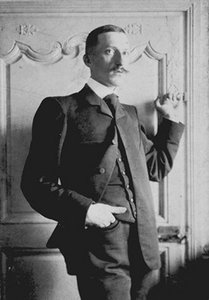
1880–1954, Γαλλία
Άντρέ Ντεράιν
Early Life, Family and Training In the year 1880, André Derain entered the world in Chatou, a village nestled within the Yvelines region of France. His early years were shaped by the quiet landscapes of the Île-de-France, where a natural curiosity for the surroundings began to take root. By 1895, he had already commenced studying on his own, seeking to understand the visual world through his own eyes rather than through formal instruction. This period of self-directed exploration allowed him to develop a personal way of seeing before the rigors of an academy could impose their will upon him.
Σχετικά με τον Άντρέ Ντεράιν Σημαντικά έργα του Άντρέ Ντεράιν
Εργασίες του Άντρέ Ντεράιν
 bathers1907
 London Bridge1906
 Charing Cross from sw1906
 Landscape at L'Estaque1906

Μελέτες γύρω από το Cliffs
 André Derain: Fauvism's Bold Visionary & the Evolution of Modern ColorExplore the revolutionary art of André Derain, co-founder of Fauvism. Discover his bold use of color, evolution from radical expressionism …
 The Architecture of Awe: Examining the Sublime Power of Cliffs in Romantic Landscape ArtExplore the profound power of cliffs in Romantic art through expert analysis of the sublime. Discover the masters of landscape today.
 Fauvism vs German Expressionism: Distinguishing Color and EmotionMaster the differences between Fauvism and German Expressionism through expert analysis. Learn to decode the emotion behind the color today.