
 Δείτε σε πραγματικό χώρο
 Αποστολή
 Κοινοποίηση
 Λεπτομέρειες

 Λήψη
Λήψη
 Παρόμοια αντικείμενα συλλογής
 Ακτινογραφία
 Παρουσίαση
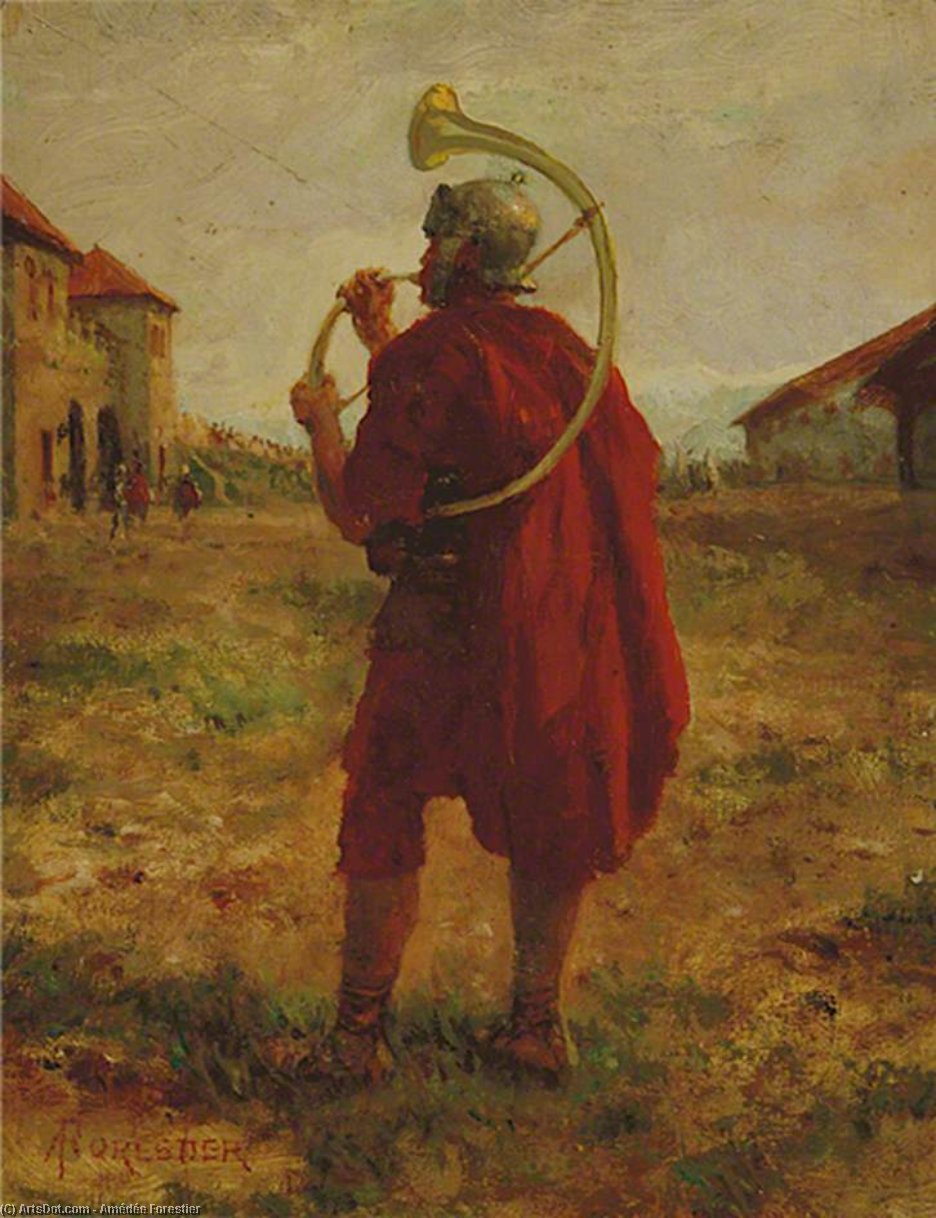
Roman Trumpeter
 Διαβάστε περισσότερα
Αγοράστε μια ψηφιακή εικόνα υψηλής ανάλυσης και βελτιωμένης ποιότητας, πολύ ανώτερης από την προεπισκόπηση στο διαδίκτυο.
Κάθε αρχείο προετοιμάζεται σχολαστικά από τους εξειδικευμένους συνεργάτες μας, με τη χρήση προηγμένων εργαλείων και χειροκίνητου ρετουσαρίσματος υψηλής ακρίβειας. Εξασφαλίζουμε ότι κάθε εικόνα προσφέρει εξαιρετική ευκρίνεια, απόλυτη πιστότητα στο χρώμα και λεπτομερή ανάδραση των λεπτομερειών.
Το τελικό αρχείο παραδίδεται μέσω email εντός 72 ωρών, βελτιστοποιημένο για άμεση χρήση σε επαγγελματικά, εκδοτικά και έντυπα περιβάλλοντα. Πρόκειται για την ίδια ποιότητα που εμπιστεύονται κορυφαία studios σχεδιασμού, εκδότες και γκαλερί.
Ψηφιακή εικόνα
Κατεβάστε ένα αρχείο υψηλής ανάλυσης για προσωπική χρήση, εκτύπωση και δημιουργικά έργα. ( Αγορά εκτύπωσης Αγορά χειροποίητου πίνακα)
Περιλαμβάνεται σε κάθε παραγγελία ψηφιακής εικόνας
Επαγγελματική Ψηφιακή Παράδοση με Εγγύηση
Όταν επιλέγετε το OriginalUniqueArt.com, δεν αποκτάτε απλώς μια εικόνα – λαμβάνετε ένα επαγγελματικά αναβαθμισμένο ψηφιακό έργο τέχνης, δημιουργημένο με ακρίβεια και με εγγύηση ικανοποίησης. Δείτε όλα όσα περιλαμβάνονται στην παραγγελία σας, αυτόματα:

Άμεση αποστολή μέσω email
Το ψηφιακό σας αρχείο εικόνας υψηλής ανάλυσης θα σας σταλεί μέσω email εντός 72 ωρών από την παραγγελία σας — έτοιμο για άμεση χρήση.

Ψηφιακό Αρχείο με Τεχνητή Νοημοσύνη
Το έργο σας βελτιστοποιείται επαγγελματικά με τη χρήση προηγμένων εργαλείων Τεχνητής Νοημοσύνης και χειροκίνητης επεξεργασίας, εξασφαλίζοντας μέγιστη λεπτομέρεια, ευκρίνεια και ακρίβεια χρωμάτων.

Δωρεάν επανεκδόσεις مدى ζωής
Απώλησες ή διαγράψατε κατά λάθος το αρχείο σας; Μην ανησυχείτε — θα σας το ξαναστείλομε οποιαδήποτε στιγμή, δωρεάν.

Χωρίς Τελωνειακούς Φόρους - Ποτέ
Απολαύστε αμέσως τα έργα τέχνης σας χωρίς δασμούς, φόρους ή έξοδα αποστολής - οι ψηφιακές λήψεις είναι πάντα αφορεশিপτεία.

Εγγύηση Ακριβούς Χρωματισμού
Εξασφαλίζουμε ότι η ψηφιακή σας εικόνα αποτυπώνει τα αυθεντικά χρώματα όσο το δυνατόν πιστότερα, χρησιμοποιώντας επαγγελματικά εργαλεία και διαχείριση χρωμάτων.

Εγγύηση Ικανοποίησης 60 Ημερών
Εάν δεν είστε ικανοποιημένοι με την ψηφιακή σας εικόνα, θα την αναθεωρήσουμε ή θα σας επιστρέψουμε το 100% της αξίας της εντός 60 ημερών - χωρίς κανένα ερώτημα.

100% Εγγύηση Επιστροφής Χρήματος
Δεν είστε ικανοποιημένοι; Λάβετε πλήρη επιστροφή των χρημάτων σας εντός 60 ημερολογιακών ημερών από τη λήψη του ψηφιακού σας αρχείου — χωρίς κανένα ερώτημα.

Εκπτώσεις για μαζικές παραγγελίες
Αγοράστε 3 εικόνες, κάντε εξοικονόμηση 10% - Αγοράστε 5, κάντε εξοικονόμηση 15% - Αγοράστε 10+, κάντε εξοικονόμηση 20%. Ιδανικό για δημιουργικά έργα, γκαλερί και agencies.
Βιογραφικό Καλλιτέχνη
John Martin: Architect of the Sublime
John Martin (1789–1854) wasn’t merely a painter; he was an architect of the sublime, a visionary who conjured landscapes of immense scale and terrifying beauty. Born in Haydon Bridge, Northumberland, into a family steeped in artistic tradition – his father a fencing master and his brothers involved in heraldry and even arson – Martin's early life instilled within him a deep appreciation for both meticulous craft and dramatic storytelling. His apprenticeship with a china painter provided a foundational skill set, but it was the influence of Bonaface Musso, an Italian artist who taught him perspective and engraving techniques, that truly ignited his artistic fire. This formative period laid the groundwork for the monumental canvases and haunting prints that would define his career.Early Works and the Rise of a Romantic Vision
Martin’s early works, primarily watercolors depicting landscapes of the River Thames Valley, demonstrated an emerging talent for capturing atmospheric effects and conveying a sense of vastness. However, it was his foray into oil painting in 1811 that truly announced his arrival on the London art scene. His paintings immediately garnered attention, not just for their technical skill but for their unsettling power – scenes of biblical catastrophes, apocalyptic landscapes, and figures dwarfed by overwhelming natural forces. These early pieces were characterized by a deliberate obscurity, with tiny, almost lost human forms set against colossal backgrounds, creating an immediate sense of awe and dread. This technique, heavily influenced by the works of Claude Lorrain and the Baroque masters, established Martin as a key figure in the burgeoning Romantic movement. The Royal Academy initially rejected his submissions, but persistent efforts eventually secured him exhibition space, solidifying his position within the artistic community.The Power of Print: Engravings and Public Appeal
Martin’s fame wasn't solely built on canvas; it was significantly amplified by his engravings. He meticulously reproduced his own paintings, often with subtle variations and additions, creating a series of prints that captivated the public imagination. These weren’t mere copies; they were reinterpretations, imbued with an even greater sense of drama and mystery. Works like *The Deluge* (1837) and *The Fall of Nineveh* became instant sensations, selling in enormous quantities and establishing Martin as the most popular painter of his day. The accessibility of prints allowed a wider audience to experience his vision – a world dominated by colossal landscapes, biblical narratives, and the overwhelming power of nature. This success was even recognized by European royalty; the French Academy presented him with medals and honors, acknowledging his unique contribution to the art world.Major Themes and Influences
Martin’s work is profoundly shaped by a complex interplay of influences. The Baroque masters – particularly Claude Lorrain – provided him with a model for dramatic landscape composition, while Milton's *Paradise Lost* instilled within him a fascination with biblical narratives and the consequences of human transgression. The writings of Edmund Burke on the sublime—the experience of awe mixed with terror—were central to his artistic philosophy. He sought to evoke this feeling in his viewers, not through simple beauty but through the depiction of overwhelming scale, dramatic light and shadow, and a sense of impending doom. His paintings frequently depict scenes of destruction – floods, earthquakes, battles – reflecting a pessimistic view of humanity’s place within the universe. The influence of Gothic art is also evident in his use of dark colors, intricate details, and a pervasive atmosphere of foreboding.Legacy and Historical Significance
Despite initial critical acclaim, Martin faced considerable opposition from critics like John Ruskin, who dismissed his work as overly gloomy and lacking in moral substance. However, his influence on subsequent generations of artists is undeniable. His exploration of the sublime—the experience of awe mixed with terror—became a defining characteristic of Romanticism and continues to resonate today. Artists such as Caspar David Friedrich and J.M.W. Turner built upon Martin’s foundation, pushing the boundaries of landscape painting and exploring themes of nature's power and humanity’s vulnerability. John Martin remains a pivotal figure in art history, not just for his stunning visual achievements but for his profound exploration of the human condition within the vastness of the universe—a testament to the enduring power of the sublime.
amédée forestier
1854 - 1930 , France
Γρήγορα στοιχεία
- Artistic Movement Or Style: Impressionism, Portraiture
- Artists Or Movements Influenced By This Artist:
- Post-Impressionism
- American Modernism
- Artists Who Influenced This Artist:
- William Merritt Chase
- Jean-Léon Gérôme
- Date Of Birth: January 12, 1856
- Date Of Death: November 3, 1925
- Full Name: John Singer Sargent
- Nationality: American
- Notable Artworks:
- Madame X
- Carnation Women
- The Daughters of Edward Darley Boit
- Place Of Birth: Florence, Italy

