

 Προεπισκόπηση
 Αποστολή
 Κοινοποίηση
 Λεπτομέρειες
 Οδηγός

 Λήψη
Λήψη
 Παρόμοια αντικείμενα συλλογής
 Ακτινογραφία
 Παρουσίαση
 Στατιστικά
Parisian cafes
 Acrylic On Canvas
- WallArt
- Early Modernism
 1908
1908 18.0 x 28.0 cm
 Εθνικό Μουσείο Σύγχρονης Τέχνης - Museu do Chiado
 Περισσότερα λεπτομέρεια
Giclée / Εκτυπώσεις Τέχνης
Εκτύπωση giclée ή σε καμβά ποιότητας μουσείου με γρήγορη παραγωγή και ευέλικτες επιλογές φινιρίσματος. ( Αγορά χειροποίητου πίνακα Μετάβαση σε Ψηφιακή Εικόνα)




P118B $10

P118H $10

P118W $10

P438Z $10

P508JH $12

P508YH $12

P805H $10

P805Z $10

P919BZ $10

P919G $10

P919XJ $10

P959ZH $10

P968JZ $12

W106C $8

W218G $10

W218JH $8

W218Y $10

W307PJ $10

W316G $10

W316PJ $8

W316Y $10

W398PJ $8

W4111J $10

W500HY $15

W500JH $15

W692G $12

W849H $8

W940BG $15

W953PJ $8




Επιλέξτε από τις προκαθορισμένες διαστάσεις μας που διατηρούν τις αρχικές αναλογίες του έργου τέχνης.

Μπορείτε να εισαγάγετε δικές σας διαστάσεις ώστε να ταιριάξουν με ένα συγκεκριμένο πλαίσιο ή χώρο. Εάν το επιλεγμένο μέγεθος δεν συμπίπτει με τις αναλογίες της πρωτότυπης εικόνας, θα κόψουμε το έργο τέχνης ή θα επεκτείνουμε την εικόνα με καθρεφτισμένη ή μονόχρωμη ατέλεια. Θα σας αποσταλεί ένα ψηφιακό mockup για έγκρισή σας πριν από την έναρξη της παραγωγής.
Παρακαλούμε σημειώστε ότι η προεπισκόπηση στην οθόνη δεν αντικατοπτρίζει την πραγματική κοπή ή επέκταση. Μόνο το mockup θα δείξει με ακρίβεια την τελική σύνθεση.
Παρόλο που είναι διαθέσιμες προσαρμοσμένες διαστάσεις, προτείνουμε την επιλογή μιας διάστασης από τη προκαθορισμένη λίστα για τη διατήρηση των αρχικών αναλογιών.
Παγκόσμια Αποστολή () σε 2 εβδομάδες αντί για τις συνήθεις 4/5 εβδομάδες. (27 Σεπτέμβριος)

Δωρεάν γρήγορη διεθνής αποστολή

Κάμβας από Λινό Υψηλής Ποιότητας

Πλήρης ασφάλιση μεταφοράς

Εγγύηση επιστροφής δασμών και φόρων εισαγωγής

Εγγύηση Απόλυτης Ομοιότητας Χρωμάτων

Πολιτική Επιστροφής 100 Ημερών (Μόνο σε περίπτωση ελαττωμάτων)

Εγγύηση επιστροφής 100% των χρημάτων

Έκπτωση για πολλαπλές παραγγελίες
 Η επιλογή με γυαλί είναι διαθέσιμη μόνο για μεγέθη κάτω από 110 εκ.

Parisian cafes
Giclée / Εκτυπώσεις Τέχνης
Διαστάσεις Αναπαραγωγής
-


Συνολικό Κόστος
$ 80
A Moment in Parisian Light: Amadeo’s Café Scene
Amadeo de Souza-Cardoso's "Parisian Cafés," painted in 1908, isn’t merely a depiction of a bustling street scene; it’s a vibrant distillation of the spirit of early 20th-century Paris – a city pulsating with artistic innovation and social change. This intimate snapshot captures a specific moment within the café culture that was rapidly transforming into a central hub for intellectual discourse, bohemian life, and the burgeoning avant-garde movements. Souza-Cardoso, deeply immersed in the Parisian art scene of his time, skillfully translates the energy of this era onto canvas with an expressive use of color and light.
The painting immediately draws the eye to the central table, bathed in a warm, diffused glow that suggests both the late afternoon sun and the artificial illumination of the café. Around it cluster figures – patrons engaged in animated conversations, their faces partially obscured by hats and shadows, hinting at private dramas and shared secrets. The composition isn’t rigidly formal; instead, Souza-Cardoso employs a loose, almost impressionistic approach, prioritizing atmosphere and feeling over precise detail. Notice how he uses broken brushstrokes to capture the fleeting quality of light and movement, creating a sense of immediacy and spontaneity.
The Influence of Modernism
Souza-Cardoso’s work is firmly rooted in the artistic currents of his time – particularly the influence of Toulouse-Lautrec and Picasso. Like Lautrec, he masterfully captures the essence of Parisian nightlife, focusing on the marginalized figures and the raw energy of urban life. However, Souza-Cardoso departs from Lautrec's often gritty realism with a more nuanced approach to color and form, echoing the experimentation taking place within the Cubist circles of Picasso and Braque. The flattened perspective and fragmented forms subtly suggest an exploration of space and perception – hallmarks of early Cubism – while retaining a distinctly painterly quality.
The choice of subject matter itself is significant. Cafés were more than just places to eat and drink; they were microcosms of Parisian society, where artists, writers, journalists, and intellectuals gathered to exchange ideas, debate philosophies, and forge connections. Souza-Cardoso’s painting celebrates this vibrant social landscape, capturing the spirit of collaboration and innovation that defined the era.
Color, Light, and Symbolism
The palette is dominated by warm earth tones – ochres, browns, and reds – punctuated by flashes of brighter colors: a crimson wine glass, a cerulean blue scarf. Souza-Cardoso’s masterful use of *pochoirs* (a technique involving the application of colored inks) adds depth and luminosity to the scene. The dappled light filtering through the windows creates an atmospheric haze, blurring the edges of objects and figures, and lending the painting a dreamlike quality. The arrangement of the tables and chairs subtly guides the viewer’s eye through the composition, inviting them to become part of this intimate social tableau.
Consider the symbolism inherent in the scene: the overflowing ashtrays, the half-empty glasses, the snippets of conversation – all contribute to a sense of lived experience. The café itself represents a space of freedom and exchange, a place where ideas are born and relationships are forged. Souza-Cardoso’s ability to capture this essence is what makes “Parisian Cafés” such a compelling and enduring work of art.
A Reproduction for the Modern Home
Reproductions of "Parisian Cafés" offer a beautiful way to bring a touch of Parisian charm into any interior space. The painting’s vibrant colors and dynamic composition will instantly add energy and sophistication to a room, while its evocative subject matter invites contemplation and conversation. Whether displayed as a large statement piece or incorporated into a gallery wall, this artwork is sure to become a cherished focal point.
The original's intimate scale (18 x 28 cm) lends itself particularly well to smaller spaces, creating a sense of immediacy and connection. The detailed brushwork and rich color palette are faithfully reproduced in high-quality prints, ensuring that the painting’s beauty and emotional impact are preserved for generations to come.
Βιογραφικό Καλλιτέχνη
Amadeo de Souza-Cardoso: A Pioneer of Portuguese Modernism
Amadeo de Souza-Cardoso, a name resonating with the vibrant energy of early 20th-century modernism, remains a somewhat enigmatic figure despite his pivotal role in bridging Portuguese art to the international avant-garde. Born on November 14, 1887, in Manhufe, Mancelos, Amarante, Portugal, his brief but intensely creative life was marked by a restless spirit and an unwavering dedication to artistic innovation. From humble beginnings rooted in the rural landscapes of his homeland, Souza-Cardoso embarked on a journey that would lead him to the heart of Parisian modernism, where he forged connections with some of the most influential artists of his time – Modigliani, Brancusi, Delaunay, and Gris among them. His early education began with architectural studies in Lisbon, but it was the allure of painting, particularly the expressive power of caricature, that truly captivated his imagination and set him on a path toward artistic exploration. This initial foray into art wasn’t merely technical training; it was an awakening to the potential of visual language as a means of commentary and self-expression.- Early Life & Education: Souza-Cardoso's formative years were spent in Manhufe, where he absorbed the traditions of rural Portugal. His architectural studies provided him with foundational knowledge but it was his passion for caricature—a medium that allowed for biting social critique—that ignited his artistic ambition.
- Parisian Encounters & Artistic Development: In 1906, Souza-Cardoso relocated to Paris, immersing himself in the burgeoning artistic atmosphere of the city. He quickly embraced Cubism and Futurism, establishing himself as one of Portugal’s first true modern painters. His style was characterized by bold forms, vibrant colors, and dynamic compositions—a deliberate rejection of academic conventions.
The Influence of Avant-Garde Movements
Souza-Cardoso didn't simply mimic the stylistic trends of his time; he synthesized them with his own unique sensibility. The impact of Cubism and Futurism is undeniable in his oeuvre, particularly around 1910. Artists like Picasso and Boccioni profoundly shaped his artistic vision, encouraging him to experiment with fragmented perspectives and explore new ways of representing reality. However, Souza-Cardoso’s genius lay not merely in adopting these movements but in transforming them—infusing them with Portuguese cultural heritage and a deeply personal aesthetic.- Cubism & Futurism: Souza Cardoso's exploration of Cubism and Futurism resulted in groundbreaking works that challenged traditional notions of representation.
- Connections with Key Artists: He cultivated relationships with prominent figures like Modigliani, Brancusi, Delaunay, Gris, Picasso and Archipenko, fostering a dialogue between artistic ideas across Europe.
Notable Paintings & Exhibitions
Souza-Cardoso’s artistic output is marked by several iconic pieces that exemplify his distinctive style. *Saut du Lapin* (1911) and *Cabeça* (1913) are considered masterpieces of Portuguese modernism, showcasing his masterful manipulation of color and form—a testament to his ability to convey emotion through abstraction. His participation in the Salon des Indépendants and, crucially, the Armory Show in New York solidified his reputation as a visionary artist on an international scale. These exhibitions brought him recognition and propelled him into the spotlight of the European avant-garde.- Iconic Works: *Saut du Lapin* (1911) and *Cabeça* (1913) are considered pivotal pieces in Souza Cardoso’s artistic legacy.
- International Recognition: His inclusion in the Armory Show ensured his work gained prominence within the global art scene.
Legacy & Remembrance
Tragically, Amadeo de Souza-Cardoso’s promising career was cut short by his untimely death on October 25, 1918, at the age of just thirty. He succumbed to pneumonia during the Spanish Flu pandemic—a poignant reminder of the fragility of artistic life. Despite initial obscurity and the shadow cast by Francoist dictatorship in Portugal, Souza-Cardoso’s contribution to Portuguese art history has been rediscovered in recent decades. Two major retrospectives – one in 1958 and another at the Grand Palais in Paris in 2016 – have reintroduced his work to a wider audience, cementing his place as a pioneer of Portuguese modernism and an important voice within the broader European avant-garde. Today, his paintings can be found in museums around the world, including the Plymouth City Museum and Art Gallery, alongside works by other notable artists—a lasting testament to his enduring artistic influence.
Αμαδές Ντε Σούζα Κάρντοσο
1887 - 1918 , Πορτογαλία
Στοιχεία καλλιτέχνη
- Artistic Movement Or Style: Μοντερνισμός
- Artists Or Movements Influenced By This Artist:
- Κυβισμός
- Φουτουρισμός
- Artists Who Influenced This Artist:
- Μοδιλιανί
- Βρανκούσι
- Δελουάναι
- Date Of Birth: 14 Νοεμβρίου 1887
- Date Of Death: 25 Οκτωβρίου 1918
- Full Name: Amadeo de Souza-Cardoso Ferreira
- Nationality: Πορτογάλος
- Notable Artworks:
- Σαύτ του Λαμπίνος
- Κεφαλή
- Place Of Birth: Μανχούφη, Πορτογαλία
Σχετικά άρθρα
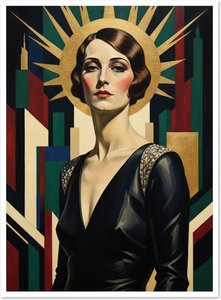
Tamara de Lempicka: Art Deco Iconoclasm & the Construction of Modern Femininity
Explore the captivating world of Tamara de Lempicka, Art Deco icon. Discover her life, groundbreaking paintings, and lasting influence on modern art. Expert insights for collectors.

Οι Κορυφαίοι 25 Πίνακες του Goya: Έμπνευση για Διακόσμηση & Τέχνη
Ανακαλύψτε τους 25 κορυφαίους πίνακες του Goya! Εξερευνήστε την Ισπανική ζωγραφική, τον Ρομαντισμό και τις Μαύρες Ζωγραφίες. Βρείτε έμπνευση για διακόσμηση & υψηλής ποιότητας αναπαραγωγές τέχνης στο OriginalUniqueArt.com.

The Gilded Age Reimagined: Exploring the Aesthetic Principles & Enduring Legacy of Art Deco
Explore the captivating world of Art Deco! Discover its origins, defining features, cultural impact & enduring legacy. Expert insights for collectors and design enthusiasts. Shop handmade reproductions at OriginalUniqueArt.

Σχετικά με εμάς
Ανακαλύψτε την ιστορία μας! Φέρνουμε την τέχνη παγκόσμιας κλάσης στη ζωή σας μέσα από εξειδικευμένη επιλογή, προσαρμοσμένες δημιουργίες και δωρεάν προεπισκοπήσεις. Εγκεκριμένο από ιδιώτες και επιχειρήσεις από το 2000.
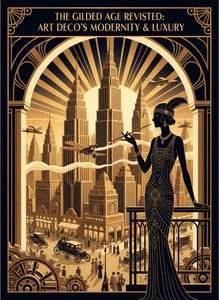
The Gilded Age Revisited: Art Deco's Modernity & Luxury
Explore the captivating world of Art Deco paintings & the Gilded Age's enduring legacy. Discover iconic artists like Tamara de Lempicka & invest in museum-quality reproductions with OriginalUniqueArt.


