
 Προεπισκόπηση
 Αποστολή
 Κοινοποίηση
 Λεπτομέρειες

 Λήψη
Λήψη
 Παρόμοια έργα
 Ακτινογραφία
 Παρουσίαση
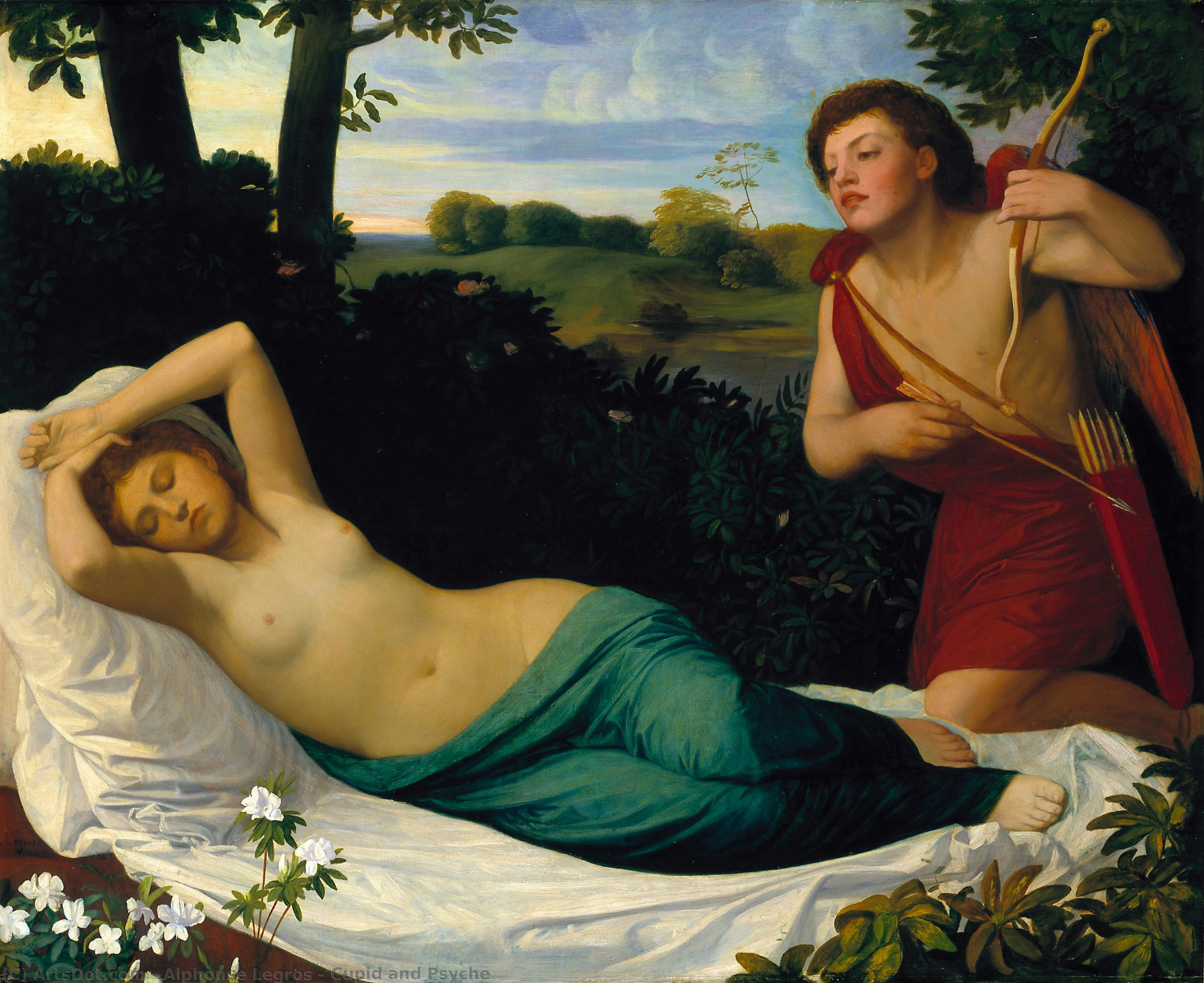
Cupid and Psyche
 Oil On Canvas
- WallArt
- Venetian Renaissance Influence
 1867
1867 141.0 x 116.0 cm
 Tate Britain
 Περισσότερα λεπτομέρεια
Giclée / Εκτυπώσεις Τέχνης
Εκτύπωση giclée ή σε καμβά ποιότητας μουσείου με γρήγορη παραγωγή και ευέλικτες επιλογές φινιρίσματος. ( Μετάβαση σε χειροποίητη ζωγραφική Μετάβαση σε Εικόνα)




P118B $10

P118H $10

P118W $10

P438Z $10

P508JH $12

P508YH $12

P805H $10

P805Z $10

P919BZ $10

P919G $10

P919XJ $10

P959ZH $10

P968JZ $12

W106C $8

W218G $10

W218JH $8

W218Y $10

W307PJ $10

W316G $10

W316PJ $8

W316Y $10

W398PJ $8

W4111J $10

W500HY $15

W500JH $15

W692G $12

W849H $8

W940BG $15

W953PJ $8




Επιλέξτε από τις προκαθορισμένες διαστάσεις μας που διατηρούν τις αρχικές αναλογίες του έργου τέχνης.

Μπορείτε να εισαγάγετε δικές σας διαστάσεις ώστε να ταιριάξουν με ένα συγκεκριμένο πλαίσιο ή χώρο. Εάν το επιλεγμένο μέγεθος δεν συμπίπτει με τις αναλογίες της πρωτότυπης εικόνας, θα κόψουμε το έργο τέχνης ή θα επεκτείνουμε την εικόνα με καθρεφτισμένη ή μονόχρωμη ατέλεια. Θα σας αποσταλεί ένα ψηφιακό mockup για έγκρισή σας πριν από την έναρξη της παραγωγής.
Παρακαλούμε σημειώστε ότι η προεπισκόπηση στην οθόνη δεν αντικατοπτρίζει την πραγματική κοπή ή επέκταση. Μόνο το mockup θα δείξει με ακρίβεια την τελική σύνθεση.
Παρόλο που είναι διαθέσιμες προσαρμοσμένες διαστάσεις, προτείνουμε την επιλογή μιας διάστασης από τη προκαθορισμένη λίστα για τη διατήρηση των αρχικών αναλογιών.
Παγκόσμια Αποστολή () σε 2 εβδομάδες αντί για τις συνήθεις 4/5 εβδομάδες. (11 Αύγουστος)

Δωρεάν Παγκόσμια Αποστολή Express

Κάμβας από Λινό Υψηλής Ποιότητας

Πλήρης ασφάλιση μεταφοράς

Εγγύηση Επιστροφής Δασμών και Φόρων

Εγγύηση Απόλυτης Ομοιότητας Χρωμάτων

Πολιτική Επιστροφής 60 Ημερών (Μόνο σε περίπτωση ελαττωμάτων)

Εγγύηση επιστροφής 100% των χρημάτων

Έκπτωση για πολλαπλές παραγγελίες
 Η επιλογή με γυαλί είναι διαθέσιμη μόνο για μεγέθη κάτω από 110 εκ.

Cupid and Psyche
Giclée / Εκτυπώσεις Τέχνης
Διαστάσεις Αναπαραγωγής
-


Τελική Τιμή
$ 80
Περιγραφή Συλλεκτικού Αντικειμένου
Cupid and Psyche: A Renaissance Reverie
The painting “Cupid and Psyche” by Alphonse Legros stands as a testament to the burgeoning humanist spirit of the late 1860s, capturing a pivotal moment in classical mythology with remarkable sensitivity and stylistic nuance. Executed in oil on canvas measuring 141 x 116 cm, this artwork embodies the influence of Venetian Renaissance painting—specifically Titian’s masterful depictions of reclining nude figures—while simultaneously grounding itself in the meticulous observation of naturalism characteristic of British Realism. Legros's deliberate choice of palette—dominated by muted earthy tones punctuated by splashes of crimson and gold—creates an atmosphere of serene contemplation, mirroring the idealized beauty of the biblical narrative it portrays.- Style: Venetian Renaissance Influence – Legros skillfully borrows compositional elements from Titian’s celebrated works like “Flora” and “Venus Disbathing,” prioritizing elegance and grace over dramatic gesture.
- Technique: Legros employed a glazing technique, layering thin translucent washes of pigment to achieve luminous skin tones and subtle gradations of color. This meticulous approach reflects the prevailing artistic ethos of the time, valuing precision and realism alongside aesthetic beauty.
- Composition: The figures are positioned in a horizontal embrace, mirroring the classical tradition of portraying idealized human forms. Cupid’s left arm rests casually on Psyche's thigh, conveying intimacy and vulnerability—a deliberate contrast to the heroic narratives prevalent in earlier artistic periods.
- Symbolism: The birds circling overhead serve as emblems of divine providence—a subtle reminder that Cupid and Psyche's happiness is ordained by the gods.
- Color Palette: The dominant earthy hues evoke a sense of pastoral tranquility, reflecting the Romantic fascination with nature’s restorative powers. However, the crimson accents symbolize passion and desire, highlighting the central theme of the narrative.
Βιογραφία Καλλιτέχνη
Alphonse Legros: Bridging Realism and Etching Revival
- Early Life & Training
- Artistic Development & Influences
- The British Etching Scene
- Notable Works & Legacy
Early Life & Training
Alphonse Legros was born in Dijon, France, on May 8th, 1837, into a modest family. His father, an accountant, instilled in him a disciplined approach to life and learning—a characteristic that would permeate his artistic endeavors throughout his career. From childhood, Legros possessed a keen fascination with the landscapes surrounding his hometown, particularly the rural vistas of Véronnes, which served as inspiration for many of his paintings later on. He began his formal artistic education at Dijon Art School, apprenticed to Maître Nicolardot, a house painter who imparted practical skills alongside aesthetic sensibilities. This formative experience broadened Legros’s understanding of materials and techniques—knowledge that would prove invaluable in his subsequent explorations of diverse mediums. Following his apprenticeship, he traveled to Lyon where he honed his craft as a journeyman wall-painter under Beuchot, contributing to grand decorative projects and absorbing the atmosphere of urban life. These early years weren't merely about mastering technical proficiency; they were about cultivating an observant eye and appreciating the beauty inherent in everyday surroundings—elements that would become foundational to Legros’s artistic vision.Artistic Development & Influences
Legros’s arrival in Paris in 1851 marked a pivotal moment in his artistic trajectory. He immersed himself in the vibrant intellectual and artistic milieu of the city, studying with Horace Lecoq de Boisbaudran—a celebrated scene painter—and attending the prestigious drawing school of Lecoq de Boisbaudran alongside fellow artists like Auguste Rodin and Jules Dalou. This period exposed him to the burgeoning Realist movement spearheaded by Gustave Courbet, whose uncompromising depiction of reality profoundly impacted Legros’s artistic sensibilities. He produced his first significant salon submission in 1857—a portrait of his father—which garnered praise from François Bonvin and Champfleury, cementing his position within the influential “Realists.” Legros's painting *L’Angelus* (1859) exemplifies this early stylistic commitment to honest representation and emotional depth. Simultaneously, he discovered etching, captivated by its ability to capture subtle tonal nuances—a medium that would ultimately define his artistic legacy. Encouraged by James McNeill Whistler, Legros relocated to London in 1863, establishing himself as a respected teacher at the South Kensington School of Art and later becoming Slade Professor at University College London. His teaching methods emphasized meticulous draftsmanship and careful observation—principles he instilled in generations of artists who would follow him.The British Etching Scene
Legros’s embrace of etching proved transformative, propelling him to the forefront of the British etching revival. Recognizing Whistler's influence, he embarked on a new artistic path, prioritizing this technique above all others. He meticulously studied and practiced etching, mastering its intricacies and achieving remarkable precision—a skill that would distinguish his work from many contemporaries. His dedication culminated in establishing himself as Slade Professor at University College London, where he championed traditional artistic values and fostered a rigorous approach to drawing and printmaking. Legros’s etchings explored themes of spirituality and human emotion with profound sensitivity—capturing the quiet dignity of religious contemplation and conveying nuanced psychological insight. Among his most celebrated prints are portraits of fellow artists and literary figures—including Sir Seymour Hayden, Henry Wadsworth Longfellow, Alfred Tennyson, and Auguste Rodin—each rendered with meticulous detail and imbued with a palpable sense of atmosphere. His work stands as a testament to the enduring power of Realist aesthetics and the transformative potential of mastering a challenging artistic medium.Notable Works & Legacy
Legros’s artistic output spanned painting, sculpture, and medal-making—demonstrating his versatility and unwavering commitment to artistic excellence. His paintings—such as *L’Ex Voto* (1860)—were characterized by restrained palettes, meticulous composition, and a solemn tone—reflecting his profound engagement with religious iconography. Legros's sculptural endeavors showcased similar stylistic considerations—emphasizing realism and conveying emotional resonance. Furthermore, he produced notable medals that celebrated historical figures and commemorated significant events—demonstrating his mastery of various artistic disciplines. Today, Legros’s paintings and etchings reside in prominent museums across Europe and America—ensuring that his artistic vision continues to inspire audiences worldwide. His legacy extends beyond his individual creations—he established himself as a pivotal figure in the British etching revival and profoundly influenced subsequent generations of artists who embraced traditional techniques and pursued uncompromising stylistic integrity.
Αλφόνσος Λεγκρό
1837 - 1911 , Γαλλία
Σημαντικά στοιχεία
- Artistic Movement Or Style: Ρεαλισμός
- Artists Or Movements Influenced By This Artist: ['Βίστερ']
- Artists Who Influenced This Artist: ['Κορμπέ Κουβέ']
- Date Of Birth: 8 Μαΐου 1837
- Date Of Death: 8 Δεκεμβρίου 1911
- Full Name: Alphonse Legros
- Nationality: Γάλλος
- Notable Artworks: ['Τête d’Homme']
- Place Of Birth: Ντιζόν, Γαλλία
Σχετικά Άρθρα

The Enduring Legacy of Oil on Canvas: Technique, History & Aesthetic Impact
Explore the rich history & techniques of oil painting – from Renaissance masters to Impressionism. Discover pigments, layering methods, and why this timeless medium endures. Expert insights for artists & art enthusiasts.

Oil on Canvas: A Historical & Technical Exploration of a Timeless Artistic Medium
Explore the rich history & enduring techniques of oil painting on canvas. Discover the science behind its longevity, conservation practices, and contemporary relevance. Expert insights for art enthusiasts.

Η Διαχρονική Κληρονομιά του Λαδιού στον Καμβά: Τεχνική, Ιστορία & Σύγχρονη Πρακτική
Εξερευνήστε την ιστορία και τις τεχνικές της λαδαιογραφίας. Οδηγός για υλικά, εργαλεία και σύγχρονες προσεγγίσεις. Μάθετε από ειδικούς και ανακαλύψτε τη διαχρονική τέχνη του λαδιού στον καμβά.
Οι 10 Κορυφαίοι Καμβάδες που Άλλαξαν την Τέχνη – Έμπνευση για το Σπίτι σας
Ανακαλύψτε τους 10 θρυλικούς καμβάδες που έγραψαν ιστορία στην τέχνη! Μονέ, Βαν Γκογκ & άλλοι μεγάλοι ζωγράφοι. Έμπνευση για διακόσμηση σπιτιού με πίνακες υψηλής ποιότητας. Εξερευνήστε τη συλλογή στο OriginalUniqueArt.com!
The Timeless Beauty of Oil on Canvas: A Masterclass in Texture, Impasto, and Artistic Mastery
Discover the profound allure of oil on canvas. Explore the mastery of impasto textures, the science of pigment longevity, and expert guides to selecting museum-quality reproductions that elevate your collection with timeless elegance and tactile depth.

