

 Δείτε σε πραγματικό χώρο
 Αποστολή
 Κοινοποίηση
 Λεπτομέρειες

 Λήψη
Λήψη
 Παρόμοια αντικείμενα συλλογής
 Ακτινογραφία
 Παρουσίαση
Centaur Woman
 Realism
 1911
1911- 19th Century
 29.0 x 42.0 cm
 Διαβάστε περισσότερα
Giclée / Εκτυπώσεις Τέχνης
Εκτύπωση giclée ή σε καμβά ποιότητας μουσείου με γρήγορη παραγωγή και ευέλικτες επιλογές φινιρίσματος. ( Αγορά χειροποίητου πίνακα Αγορά ψηφιακής εικόνας)




P118B $10

P118H $10

P118W $10

P438Z $10

P508JH $12

P508YH $12

P805H $10

P805Z $10

P919BZ $10

P919G $10

P919XJ $10

P959ZH $10

P968JZ $12

W106C $8

W218G $10

W218JH $8

W218Y $10

W307PJ $10

W316G $10

W316PJ $8

W316Y $10

W398PJ $8

W4111J $10

W500HY $15

W500JH $15

W692G $12

W849H $8

W940BG $15

W953PJ $8




Επιλέξτε από τις προκαθορισμένες διαστάσεις μας που διατηρούν τις αρχικές αναλογίες του έργου τέχνης.

Μπορείτε να εισαγάγετε δικές σας διαστάσεις ώστε να ταιριάξουν με ένα συγκεκριμένο πλαίσιο ή χώρο. Εάν το επιλεγμένο μέγεθος δεν συμπίπτει με τις αναλογίες της πρωτότυπης εικόνας, θα κόψουμε το έργο τέχνης ή θα επεκτείνουμε την εικόνα με καθρεφτισμένη ή μονόχρωμη ατέλεια. Θα σας αποσταλεί ένα ψηφιακό mockup για έγκρισή σας πριν από την έναρξη της παραγωγής.
Παρακαλούμε σημειώστε ότι η προεπισκόπηση στην οθόνη δεν αντικατοπτρίζει την πραγματική κοπή ή επέκταση. Μόνο το mockup θα δείξει με ακρίβεια την τελική σύνθεση.
Παρόλο που είναι διαθέσιμες προσαρμοσμένες διαστάσεις, προτείνουμε την επιλογή μιας διάστασης από τη προκαθορισμένη λίστα για τη διατήρηση των αρχικών αναλογιών.
Παγκόσμια Αποστολή () σε 2 εβδομάδες αντί για τις συνήθεις 4/5 εβδομάδες. (30 Αύγουστος)

Δωρεάν γρήγορη διεθνής αποστολή

Κάμβας από Λινό Υψηλής Ποιότητας

Πλήρης ασφάλιση μεταφοράς

Εγγύηση Επιστροφής Δασμών και Φόρων

Εγγύηση Απόλυτης Ομοιότητας Χρωμάτων

Πολιτική Επιστροφής 60 Ημερών (Μόνο σε περίπτωση ελαττωμάτων)

Εγγύηση επιστροφής 100% των χρημάτων

Προσφορά για μαζικές παραγγελίες
 Η επιλογή με γυαλί είναι διαθέσιμη μόνο για μεγέθη κάτω από 110 εκ.

Centaur Woman
Giclée / Εκτυπώσεις Τέχνης
Διαστάσεις Αναπαραγωγής
-


Συνολική Τιμή
$ 80
A Mythological Encounter in Brushstrokes
In the delicate interplay of light and shadow within Alphonse Legros’s 1911 masterpiece, Centaur Woman, we find ourselves transported to a realm where the boundaries between the human and the animalistic dissolve into a singular, poetic vision. The painting presents a breathtakingly intimate scene: a woman, draped in nothing but the soft glow of natural light, rests her arms tenderly upon the neck of a creature that defies simple classification. This is not merely a study of anatomy, but an exploration of a symbiotic existence. As she sits atop the horse—a being possessing a strikingly human torso and limbs paired with a noble equine head—the viewer is invited to witness a moment of profound stillness. The composition breathes with a quiet harmony, suggesting that even in the wildest corners of myth, there exists a capacity for tenderness and shared peace.
The setting serves as more than just a backdrop; it is an essential participant in the narrative. Legros utilizes a lush, naturalistic landscape, where the rugged textures of stones and the soft, verdant silhouettes of distant trees frame the central figures. This outdoor environment, rendered with the masterful touch of a Realist, grounds the fantastical subject matter in a tangible reality. The interplay between the organic elements of the earth and the ethereal nature of the centaur-like figure creates a tension that is both captivating and grounding. For the discerning collector or interior designer, this piece offers a unique focal point—a window into a world where the wildness of nature meets the grace of human emotion.
The Mastery of Legros: Technique and Soul
Alphonse Legros, a figure whose career bridged the artistic traditions of France and Britain, brings his profound technical expertise to this late-career work. His background as an etcher and sculptor is evident in the way he handles form; there is a sculptural weight to the woman’s posture and a palpable muscularity in the horse's human-like limbs. The technique is characterized by a subtle, nuanced application of color that avoids harsh transitions, opting instead for a seamless blending that mimics the softness of skin and the coarse texture of hair. This mastery of light allows the painting to radiate an inner warmth, making the scene feel as though it were captured in the fleeting moments of a golden afternoon.
Beyond its technical brilliance, Centaur Woman carries a deep emotional resonance. It speaks to the primal connection between humanity and the natural world, evoking themes of vulnerability, strength, and unity. The nudity of the woman does not suggest provocation, but rather a state of pure, unadorned existence, stripped of civilization and returned to the essence of being. For those looking to adorn a space with art that inspires contemplation, this reproduction offers an unparalleled opportunity. It is a piece that does not merely decorate a wall; it invites the soul to wander through a landscape of myth and memory, making it an exquisite addition to any curated collection or sophisticated interior design project.
Βιογραφία Καλλιτέχνη
Alphonse Legros: Bridging Realism and Etching Revival
- Early Life & Training
- Artistic Development & Influences
- The British Etching Scene
- Notable Works & Legacy
Early Life & Training
Alphonse Legros was born in Dijon, France, on May 8th, 1837, into a modest family. His father, an accountant, instilled in him a disciplined approach to life and learning—a characteristic that would permeate his artistic endeavors throughout his career. From childhood, Legros possessed a keen fascination with the landscapes surrounding his hometown, particularly the rural vistas of Véronnes, which served as inspiration for many of his paintings later on. He began his formal artistic education at Dijon Art School, apprenticed to Maître Nicolardot, a house painter who imparted practical skills alongside aesthetic sensibilities. This formative experience broadened Legros’s understanding of materials and techniques—knowledge that would prove invaluable in his subsequent explorations of diverse mediums. Following his apprenticeship, he traveled to Lyon where he honed his craft as a journeyman wall-painter under Beuchot, contributing to grand decorative projects and absorbing the atmosphere of urban life. These early years weren't merely about mastering technical proficiency; they were about cultivating an observant eye and appreciating the beauty inherent in everyday surroundings—elements that would become foundational to Legros’s artistic vision.Artistic Development & Influences
Legros’s arrival in Paris in 1851 marked a pivotal moment in his artistic trajectory. He immersed himself in the vibrant intellectual and artistic milieu of the city, studying with Horace Lecoq de Boisbaudran—a celebrated scene painter—and attending the prestigious drawing school of Lecoq de Boisbaudran alongside fellow artists like Auguste Rodin and Jules Dalou. This period exposed him to the burgeoning Realist movement spearheaded by Gustave Courbet, whose uncompromising depiction of reality profoundly impacted Legros’s artistic sensibilities. He produced his first significant salon submission in 1857—a portrait of his father—which garnered praise from François Bonvin and Champfleury, cementing his position within the influential “Realists.” Legros's painting *L’Angelus* (1859) exemplifies this early stylistic commitment to honest representation and emotional depth. Simultaneously, he discovered etching, captivated by its ability to capture subtle tonal nuances—a medium that would ultimately define his artistic legacy. Encouraged by James McNeill Whistler, Legros relocated to London in 1863, establishing himself as a respected teacher at the South Kensington School of Art and later becoming Slade Professor at University College London. His teaching methods emphasized meticulous draftsmanship and careful observation—principles he instilled in generations of artists who would follow him.The British Etching Scene
Legros’s embrace of etching proved transformative, propelling him to the forefront of the British etching revival. Recognizing Whistler's influence, he embarked on a new artistic path, prioritizing this technique above all others. He meticulously studied and practiced etching, mastering its intricacies and achieving remarkable precision—a skill that would distinguish his work from many contemporaries. His dedication culminated in establishing himself as Slade Professor at University College London, where he championed traditional artistic values and fostered a rigorous approach to drawing and printmaking. Legros’s etchings explored themes of spirituality and human emotion with profound sensitivity—capturing the quiet dignity of religious contemplation and conveying nuanced psychological insight. Among his most celebrated prints are portraits of fellow artists and literary figures—including Sir Seymour Hayden, Henry Wadsworth Longfellow, Alfred Tennyson, and Auguste Rodin—each rendered with meticulous detail and imbued with a palpable sense of atmosphere. His work stands as a testament to the enduring power of Realist aesthetics and the transformative potential of mastering a challenging artistic medium.Notable Works & Legacy
Legros’s artistic output spanned painting, sculpture, and medal-making—demonstrating his versatility and unwavering commitment to artistic excellence. His paintings—such as *L’Ex Voto* (1860)—were characterized by restrained palettes, meticulous composition, and a solemn tone—reflecting his profound engagement with religious iconography. Legros's sculptural endeavors showcased similar stylistic considerations—emphasizing realism and conveying emotional resonance. Furthermore, he produced notable medals that celebrated historical figures and commemorated significant events—demonstrating his mastery of various artistic disciplines. Today, Legros’s paintings and etchings reside in prominent museums across Europe and America—ensuring that his artistic vision continues to inspire audiences worldwide. His legacy extends beyond his individual creations—he established himself as a pivotal figure in the British etching revival and profoundly influenced subsequent generations of artists who embraced traditional techniques and pursued uncompromising stylistic integrity.
Αλφόνσος Λεγκρό
1837 - 1911 , Γαλλία
Γρήγορα στοιχεία
- Artistic Movement Or Style: Ρεαλισμός
- Artists Or Movements Influenced By This Artist: ['Βίστερ']
- Artists Who Influenced This Artist: ['Κορμπέ Κουβέ']
- Date Of Birth: 8 Μαΐου 1837
- Date Of Death: 8 Δεκεμβρίου 1911
- Full Name: Alphonse Legros
- Nationality: Γάλλος
- Notable Artworks: ['Τête d’Homme']
- Place Of Birth: Ντιζόν, Γαλλία
Σχετικά άρθρα

The Enduring Allure of the Nude: A Historical & Artistic Exploration of the Human Form
Explore the captivating history of nude art! Discover iconic paintings & artists from classical to modern eras. Uncover symbolism, techniques & find museum-quality reproductions at OriginalUniqueArt.

The Noble Steed on Canvas: A Historical & Artistic Exploration of Horse Painting Across Cultures
Explore the rich history of horse painting! Discover masterpieces from Stubbs to Munnings & learn about symbolism, techniques & artists. Find museum-quality reproductions at OriginalUniqueArt.

The Equine Muse: A Historical & Artistic Exploration of Horses in Painting
Explore the captivating history of horses in painting! Discover Renaissance masterpieces, Baroque grandeur & expert insights for collecting equestrian art. Learn about symbolism, techniques & lasting value with OriginalUniqueArt.
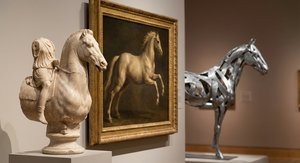
The Noble Steed: A Historical and Artistic Exploration of Horses in Fine Art
Explore the rich history of horses in fine art! From ancient depictions to Renaissance masterpieces & beyond, discover iconic artworks and artists. Learn about symbolism, techniques, and find museum-quality reproductions at OriginalUniqueArt.

The Eloquent Form: A Historical & Aesthetic Exploration of the Nude in Art
Explore the captivating history of the nude in art! From ancient Greece to modern masters, discover its evolving symbolism, techniques & enduring beauty. Expert insights for collectors and enthusiasts.

