
 Προεπισκόπηση σε πραγματική κλίμακα
 Αποστολή
 Κοινοποίηση
 Λεπτομέρειες
 Οδηγός

 Λήψη
Λήψη
 Παρόμοια αντικείμενα συλλογής
 Ακτινογραφία
 Παρουσίαση
 Q&A
Q&A Στατιστικά
Two Quinces

- 41.0 x 51.0 cm


 Περισσότερα
Το έργο τέχνης που εμφανίζεται σε αυτή τη σελίδα προστατεύεται από τους νόμους περί πνευματικών δικαιωμάτων, γεγονός που σημαίνει ότι δεν μπορούμε νομικά να δημιουργήσουμε ή να πουλήσουμε μια ταυτόσημη αναπαραγωγή του. Αυτή η προστασία επιβάλλεται βάσει διεθνών συμφωνιών, όπως η Σύμβαση της Βέρνης καθώς και από τους εθνικούς νόμους, συμπεριλαμβανομένων αυτών που ορίζονται από το Νομοθεσία περί πνευματικών δικαιωμάτων των ΗΠΑ - Τίτλος 17. Όλα τα δικαιώματα κατοχυρωμένα. Απαγορεύεται η αναπαραγωγή χωρίς άδεια.
Αυτή η μέθοδος συμμορφώνεται πλήρως με τους κανονισμούς περί πνευματικών δικαιωμάτων, καθώς δεν περιλαμβάνει την αντιγραφή ή την αναπαραγωγή του προστατευόμενου έργου. Αντίθετα, πρόκειται για μια δημιουργική ερμηνεία — ένα νέο έργο που επηρεάζεται από το πρωτότυπο, χωρίς όμως να είναι πανομοιότυπο με αυτό.
Giclée / Εκτυπώσεις Τέχνης
Εκτύπωση giclée ή σε καμβά ποιότητας μουσείου με γρήγορη παραγωγή και ευέλικτες επιλογές φινιρίσματος. ( Αγορά χειροποίητου πίνακα Μετάβαση σε Ψηφιακή Αποτέλεσμα)




P118B €10

P118H €10

P118W €10

P438Z €10

P508JH €12

P508YH €12

P805H €10

P805Z €10

P919BZ €10

P919G €10

P919XJ €10

P959ZH €10

P968JZ €12

W106C €8

W218G €10

W218JH €8

W218Y €10

W307PJ €10

W316G €10

W316PJ €8

W316Y €10

W398PJ €8

W4111J €10

W500HY €15

W500JH €15

W692G €12

W849H €8

W940BG €15

W953PJ €8




Επιλέξτε από τις προκαθορισμένες διαστάσεις μας που διατηρούν τις αρχικές αναλογίες του έργου τέχνης.

Εισάγετε το πλάτος και το ύψος που επιθυμείτε, ώστε να ταιριάζουν στο κάδሮ ή στον τοίχο σας. Μια εκτύπωση μπορεί μόνο να υποστεί κοψίμό και ποτέ να μην γίνει μεγαλύτερη από την αρχική εικόνα, επομένως η επιλογή μεγέθους με διαφορετικό σχήμα συνεπάγεται απώλεια ενός μέρους της εικόνας. Σας στέλνουμε ένα ψηφιακό mockup για έγκριση πριν προχωρήσουμε σε οποιαδήποτε εκτύπωση. Η εικόνα που εμφανίζεται σε αυτή τη σελίδα δεν δείχνει την πραγματική κοπή — μόνο το mockup την παρουσιάζει.
Παγκόσμια Αποστολή () σε 2 εβδομάδες αντί για τις συνήθεις 4/5 εβδομάδες. (3 Νοέμβριος)

Δωρεάν γρήγορη διεθνής αποστολή

Κάμβας από Λινό Υψηλής Ποιότητας

Πλήρης ασφάλιση μεταφοράς

Εγγύηση επιστροφής δασμών και φόρων εισαγωγής

Εγγύηση Απόλυτης Ομοιότητας Χρωμάτων

Πολιτική Επιστροφής 100 Ημερών (Μόνο σε περίπτωση ελαττωμάτων)

Εγγύηση επιστροφής 100% των χρημάτων

Προσφορά για πολλαπλές παραγγελίες
 Η επιλογή με γυαλί είναι διαθέσιμη μόνο για μεγέθη κάτω από 110 εκ.

Two Quinces
Giclée / Εκτυπώσεις Τέχνης
Διαστάσεις Αναπαραγωγής
-


Τελική Τιμή
€ 71
A Study in Simplicity: The Quiet Radiance of Two Quinces
In the vast landscape of late twentieth-century Lithuanian art, few works capture the profound beauty of the mundane as intimately as Algimantas Švėgžda’s Two Quinces. Created in 1991, a period of immense transition and reflection, this still life serves as a masterclass in minimalist observation. At first glance, the composition appears deceptively simple: two ripe fruits resting against an ethereal, neutral backdrop. Yet, beneath this surface lies a sophisticated dialogue between light, form, and color. Švėgžda invites the viewer into a meditative space where the distractions of the modern world fall away, leaving only the tactile presence of nature’s bounty.
The technique employed in this piece reflects the artist's unique ability to blend elements of Pop Art clarity with a delicate, almost pointillist sensitivity. The vibrant, warm hues of the quinces—ranging from deep golds to soft ochres—create a striking visual tension against the stark, clean white background. This deliberate use of negative space is not merely an absence of subject, but a structural element that pushes the fruit forward, making the textures feel almost palpable. One can almost sense the weight and the slightly textured skin of the fruit, a testament to Švėgžda’s mastery over light and shadow.
Symbolism and the Essence of Existence
Beyond its aesthetic appeal, Two Quinces carries a deeper emotional resonance rooted in the artist's biography. Growing up in Kelmė, shaped by a father who understood the theatricality of scenery and a mother who valued the precision of teaching, Švėgžda developed an eye for the essential. The quince, often a symbol of fertility, longevity, and the sweetness of life, acts here as a vessel for memory and permanence. In a world characterized by rapid socio-political change, this painting offers a sanctuary of stillness. The placement of the two fruits—one slightly elevated above the other—creates a subtle rhythmic movement that guides the eye in a gentle loop, mirroring the cyclical nature of life and the seasons.
For the discerning collector or interior designer, this artwork represents more than just a decorative element; it is an anchor of tranquility. The painting’s ability to harmonize with diverse environments makes it a versatile choice for modern, minimalist, or classical interiors alike. Whether placed in a sun-drenched breakfast nook or a sophisticated gallery-style living room, the piece brings a sense of organic warmth and intellectual depth. It serves as a reminder that true elegance is often found in the most understated moments, making this reproduction an exquisite investment for those who seek to surround themselves with art that speaks of quiet strength and timeless beauty.
Ερωτήσεις και Απαντήσεις
Σε τι ηλικία δημιούργησε ο/η Algimantas Svegzda το "Two Quinces";
Ο/Η Algimantas Svegzda ήταν 50 ετών όταν δημιούργησε το "Two Quinces" το 1991. Η ηλικία υπολογίζεται με βάση το έτος γέννησης του καλλιτέχνη, 1941.
Με τι άλλα ονόματα ή ψευδώνυμα είναι γνωστός/η Algimantas Svegzda;
Ο/Η Algimantas Svegzda είναι γνωστός/η επίσης ως Algimantas Švėgžda, A. Švėgžda.
Πώς μπορεί το "Two Quinces" του Algimantas Svegzda να ενταχθεί στη διακόσμηση του σπιτιού;
Το έργο "Two Quinces" του Algimantas Svegzda προτείνεται για Neutral, ιδανικά σε έναν/μια Dining Room. Η χρήση και ο χώρος καθορίζουν το κατάλληλο μέρος για την τοποθέτηση μιας αναπαραγωγής.
Βιογραφικό Καλλιτέχνη
A Life Rooted in Lithuanian Soil: The Art of Algimantas Švėgžda
Algimantas Švėgžda, born in 1941 in the small town of Kelmė, Lithuania, emerged as a significant figure in the landscape of post-war Lithuanian art. His life and work were deeply intertwined with the socio-political currents of his time, evolving from early explorations influenced by Western European movements to a uniquely personal expression rooted in minimalist observation and a profound connection to nature. Švėgžda’s journey wasn't one of immediate acclaim but rather a gradual unfolding of artistic vision, marked by periods of experimentation, teaching, and ultimately, a quiet dedication to capturing the essence of existence through his art. His mother’s profession as a teacher instilled in him a value for learning and observation, while his father, a scenic designer, sparked an early appreciation for visual aesthetics. These formative influences laid the groundwork for a career that would span painting, graphic arts, and drawing, all unified by a distinctive sensibility.Early Influences and Artistic Development
Švėgžda’s formal artistic training began at the Lithuanian State Institute of Art in Vilnius from 1961 to 1967, where he studied under Antanas Gudaitis and Vladas Karatajus. This period was crucial in shaping his technical skills and introducing him to a broader range of artistic possibilities. However, it was during the 1970s that Švėgžda truly began to find his voice, becoming associated with an informal group known as “Ketverti” – alongside artists D. Dereškevičius, A. Kuras, and A. Šaltenis. This collective challenged the established norms of Lithuanian art, pushing boundaries and experimenting with new forms of expression. He was also among the first to embrace photographic realism in Lithuania, a technique that demanded meticulous attention to detail and a keen eye for capturing objective reality. His early work reflected the impact of Pop Art and Pointillism, movements that were gaining prominence internationally, but Švėgžda never simply replicated these styles; he adapted them, infusing them with his own unique perspective and a distinctly Lithuanian sensibility.A Shift Towards Minimalism and Nature
The 1980s marked a turning point in Švėgžda’s artistic trajectory. Due to health concerns, he relocated to Berlin, Germany, a move that profoundly influenced his work. While maintaining strong ties with Lithuania through frequent returns and cultural exchanges, his time in Germany led him towards a more minimalist aesthetic. He increasingly focused on natural forms – trees, branches, leaves, berries – rendered with painstaking detail and an almost meditative quality. This wasn’t merely representation; it was an attempt to understand the underlying structure of life itself. His drawings, often executed in colored pencil, became particularly significant during this period, serving as a means of both observation and contemplation. He saw plants and humans as interconnected, sharing experiences of growth, maturity, and aging. This pantheistic worldview permeated his art, imbuing it with a sense of transcendence.Teaching and Legacy
Beyond his own artistic practice, Švėgžda dedicated himself to education, teaching drawing at the Lithuanian State Institute of Art from 1978 to 1981. He later influenced generations of artists as a professor at the Vilnius Academy of Fine Arts. His impact extended beyond the classroom; he also worked with young students at the Vilnius Children's Art School (now the J. Vienožinskis Art School). Švėgžda’s generosity and dedication to fostering artistic talent left an indelible mark on the Lithuanian art community. Upon his death in 1996, he bequeathed his entire creative legacy to Lithuanian museums and the Academy, ensuring that his work would continue to inspire future generations.Historical Significance and Enduring Appeal
Algimantas Švėgžda’s historical significance lies in his ability to navigate complex artistic currents while remaining true to his own vision. He bridged the gap between Western European influences and a distinctly Lithuanian aesthetic, challenging conventional norms and paving the way for new forms of expression. His work is characterized by its meticulous detail, minimalist sensibility, and profound connection to nature. His drawings, in particular, stand as testaments to his unwavering dedication to observation and contemplation. Today, Švėgžda’s art continues to resonate with audiences, offering a quiet yet powerful reflection on the beauty and fragility of life. He is remembered not only as a skilled artist but also as a dedicated teacher and a generous mentor who helped shape the landscape of contemporary Lithuanian art. His paintings offer more than just visual representations; they invite viewers to slow down, observe closely, and connect with the natural world on a deeper level.
Algimantas Svegzda
1941 - 1996 , Lithuania
Γρήγορα στοιχεία
- Full Name: Algimantas Švėgžda
- Nationality: Lithuanian
- Date Of Birth: 1941
- Date Of Death: 1996
- Place Of Birth: Kelmė, Lithuania
- Artistic Movement Or Style: Pop Art, Minimalism
Σχετικά άρθρα
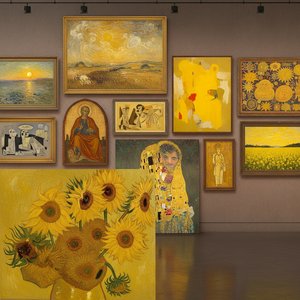
Οι 10 πιο διάσημοι πίνακες με κυρίαρχο το χρώμα της ώχρας – Έμπνευση για διακόσμηση από την OriginalUniqueArt
Ανακαλύψτε τους 10 πιο διάσημους πίνακες με κυρίαρχο το χρώμα της ώχρας! Από τον Βαν Γκογκ και τον Μονέ, εξερευνήστε την ιστορία, την τεχνική & τη μαγεία αυτών των αριστουργημμάτων. Βρείτε αναπαραγωγές υψηλής ποιότητας στην OriginalUniqueArt.com.

Οι 10 πιο διάσημες πίνακες με λευκό χρώμα: Ιστορία, τέχνη & διακόσμηση
Ανακαλύψτε τους 10 πιο διάσημους πίνακες με κυρίαρχο το λευκό χρώμα! Ιμπρεσιονισμός, μοντερνισμός & η ιστορία των μεγάλων καλλιτεχνών όπως ο Monet και ο Van Gogh. Βρείτε την τέλεια αναπαραγωγή πίνακα για τον χώρο σας στην OriginalUniqueArt.com.
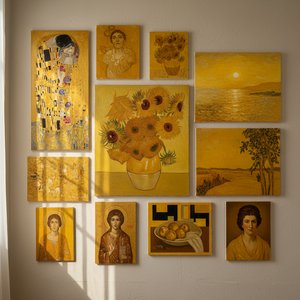
Οι 10 πιο διάσημοι πίνακες με κυρίαρχο το ώχρα χρώμα – Έμπνευση για τον χώρο σας
Ανακαλύψτε τους 10 πιο διάσημους πίνακες με κυρίαρχο το ώχρα χρώμα! Van Gogh, Monet & άλλοι μεγάλοι ζωγράφοι. Ιστορία τέχνης, τεχνικές και έμπνευση για διακόσμηση σπιτιού. Βρείτε την τέλεια αναπαραγωγή στον OriginalUniqueArt.com

The Bountiful Still Life: Symbolism & Artistic Representation of Fruit Across Art History
Explore the rich history of still life painting & the symbolism of fruit across art movements. Discover masterpieces from Caravaggio to Cézanne with OriginalUniqueArt – expert guidance & museum-quality reproductions.

Paul Cézanne: Τα 25 Κορυφαία Έργα Τέχνης για Διακόσμηση & Συλλογή
Ανακαλύψτε τα 25 κορυφαία έργα τέχνης του Paul Cézanne! Ιμπρεσιονισμός, μετα-ιμπρεσιονισμός & η τεχνοτροπία του. Βρείτε πίνακες για διακόσμηση και συλλογή υψηλής ποιότητας στο OriginalUniqueArt.com.