

 Προεπισκόπηση
 Αποστολή
 Κοινοποίηση
 Λεπτομέρειες
 Οδηγός

 Λήψη
Λήψη
 Παρόμοια αντικείμενα συλλογής
 Ακτινογραφία
 Παρουσίαση
 Στατιστικά
Fountain


 Περισσότερα λεπτομέρεια
Giclée / Εκτυπώσεις Τέχνης
Εκτύπωση giclée ή σε καμβά ποιότητας μουσείου με γρήγορη παραγωγή και ευέλικτες επιλογές φινιρίσματος. ( Αγορά χειροποίητου πίνακα Μετάβαση σε Ψηφιακή Εικόνα)




































Επιλέξτε από τις προκαθορισμένες διαστάσεις μας που διατηρούν τις αρχικές αναλογίες του έργου τέχνης.

Μπορείτε να εισαγάγετε δικές σας διαστάσεις ώστε να ταιριάξουν με ένα συγκεκριμένο πλαίσιο ή χώρο. Εάν το επιλεγμένο μέγεθος δεν συμπίπτει με τις αναλογίες της πρωτότυπης εικόνας, θα κόψουμε το έργο τέχνης ή θα επεκτείνουμε την εικόνα με καθρεφτισμένη ή μονόχρωμη ατέλεια. Θα σας αποσταλεί ένα ψηφιακό mockup για έγκρισή σας πριν από την έναρξη της παραγωγής.
Παρακαλούμε σημειώστε ότι η προεπισκόπηση στην οθόνη δεν αντικατοπτρίζει την πραγματική κοπή ή επέκταση. Μόνο το mockup θα δείξει με ακρίβεια την τελική σύνθεση.
Παρόλο που είναι διαθέσιμες προσαρμοσμένες διαστάσεις, προτείνουμε την επιλογή μιας διάστασης από τη προκαθορισμένη λίστα για τη διατήρηση των αρχικών αναλογιών.
Παγκόσμια Αποστολή () σε 2 εβδομάδες αντί για τις συνήθεις 4/5 εβδομάδες. (26 Σεπτέμβριος)

Δωρεάν γρήγορη διεθνής αποστολή

Κάμβας από Λινό Υψηλής Ποιότητας

Πλήρης ασφάλιση μεταφοράς

Εγγύηση επιστροφής δασμών και φόρων εισαγωγής

Εγγύηση Απόλυτης Ομοιότητας Χρωμάτων

Πολιτική Επιστροφής 100 Ημερών (Μόνο σε περίπτωση ελαττωμάτων)

Εγγύηση επιστροφής 100% των χρημάτων

Έκπτωση για πολλαπλές παραγγελίες
 Η επιλογή με γυαλί είναι διαθέσιμη μόνο για μεγέθη κάτω από 110 εκ.

Fountain
Giclée / Εκτυπώσεις Τέχνης
Διαστάσεις Αναπαραγωγής
-


Συνολικό Κόστος
$ 80
Βιογραφικό Καλλιτέχνη
Early Life and Artistic Beginnings
Alexander Munro, born in 1825, was a Scottish sculptor who carved a unique path within the Victorian art world, deeply entwined with the burgeoning Pre-Raphaelite movement. Though often overshadowed by his more famous contemporaries, Munro’s work possesses a haunting beauty and technical skill that deserves wider recognition. His early life provided a solid foundation for his artistic pursuits; he initially trained under his father, a stonemason, gaining practical experience in handling materials before formally studying at the Royal Academy Schools in London. This grounding in traditional techniques would prove crucial as he later embraced more experimental forms and subject matter. While many sculptors of the time focused on grand historical or mythological narratives, Munro’s interests lay elsewhere – in intimate moments, literary themes, and a profound exploration of human emotion. He wasn't merely replicating form; he was striving to capture *feeling* within stone and bronze.The Rossetti Connection and ‘Paolo & Francesca’
Munro’s artistic trajectory took a pivotal turn through his association with Dante Gabriel Rossetti and the Pre-Raphaelite Brotherhood. He became intimately involved in their circle, not only as an artist but also as a friend and confidant. This connection is most powerfully manifested in his sculpture ‘Paolo & Francesca’, based on the tragic lovers from Dante Alighieri’s *Inferno*. The work, commissioned by Rossetti himself, depicts Paolo and Francesca embracing in the throes of their doomed passion. It's not simply a representation of a literary scene; it is an embodiment of Pre-Raphaelite ideals – intense emotion, meticulous detail, and a rejection of academic convention. The sculpture’s power lies in its palpable sense of intimacy and despair. Rossetti was deeply affected by the story of Paolo and Francesca, and Munro's rendering perfectly captured the poet’s vision of tragic love. The commission marked a high point in Munro’s career and solidified his reputation as a sculptor capable of conveying complex psychological states.Development of Style and Subject Matter
Throughout the 1850s and 60s, Munro continued to develop a distinctive style characterized by its delicate modeling, expressive faces, and often melancholic tone. He moved away from purely classical forms, embracing a more naturalistic approach that emphasized individual character and emotional nuance. While ‘Paolo & Francesca’ remains his most celebrated work, he produced a diverse body of sculpture including portrait busts, allegorical figures, and smaller-scale works exploring themes of love, loss, and mortality. His portraits, in particular, are notable for their psychological depth and sensitivity. He wasn't interested in idealizing his sitters; instead, he sought to capture their inner lives, revealing vulnerabilities and complexities beneath the surface. This focus on interiority set him apart from many of his contemporaries who favored more conventional representations of power and status.Later Years and Historical Significance
The latter part of Munro’s life was marked by periods of financial hardship and artistic frustration. Despite receiving commissions for public monuments, he struggled to achieve the widespread recognition he deserved. He died in 1871, leaving behind a body of work that, while not extensive, is rich in emotional resonance and technical accomplishment. His historical significance lies in his role as a bridge between traditional sculpture and the emerging aesthetic principles of the Pre-Raphaelites.- He demonstrated how classical techniques could be adapted to convey modern sensibilities.
- His exploration of literary themes paved the way for other sculptors to engage with narrative subject matter.
- His focus on psychological realism anticipated developments in 20th-century sculpture.

alexander munro
1825 - 1871
Στοιχεία καλλιτέχνη
- Artistic Movement Or Style: Pre-Raphaelite Sculpture
- Artists Or Movements Influenced By This Artist: ['Romantic Sculpture']
- Artists Who Influenced This Artist:
- William Holman Hunt
- John Everett Millais
- Date Of Birth: 1825
- Date Of Death: 1871
- Full Name: Alexander Munro
- Nationality: British
- Notable Artworks:
- Paolo & Francesca
- Boy And Dolphin In The Rose Garden
- Place Of Birth: Scotland
Σχετικά άρθρα

Οι 10 Κορυφαίοι Χάλκινοι Αγάλματα που Άλλαξαν την Ιστορία της Τέχνης | OriginalUniqueArt.gr
Ανακαλύψτε τα 10 θρυλικά χάλκινα αγάλματα που διαμόρφωσαν την τέχνη! Από τον Rodin στον Michelangelo, εξερευνήστε ιστορίες, τεχνικές & αισθητική. Βρείτε αντίγραφα υψηλής ποιότητας για το σπίτι σας στην OriginalUniqueArt.com.
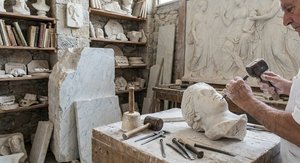
The Enduring Legacy of Marble: A Comprehensive Exploration of Technique, Symbolism & Artistic Expression
Explore the rich history of marble sculpture from antiquity to the Renaissance! Discover key techniques, influential artists & enduring themes in classical art. Expert insights for collectors and enthusiasts at OriginalUniqueArt.

Timeless Elegance: A Complete Guide to the Sublime Beauty and Artistry of Marble Sculpture
Discover the sublime beauty of marble art through an expert exploration of Renaissance and Neoclassical masterpieces. From the delicate textures of Carpeaux to the grandeur of Sansovino, immerse yourself in a guide to timeless elegance and sculptural perfection.

The Enduring Allure of Marble in Art History: From Classical Sculpture to Modern Abstraction
Explore the captivating history of marble sculpture from ancient Greece to modern art. Discover renowned artists like Canova & Michelangelo, carving techniques, and investment insights at OriginalUniqueArt.
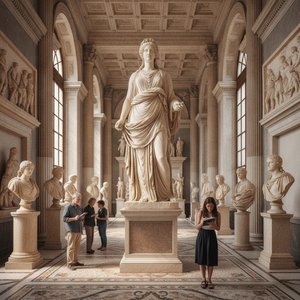
Timeless Grandeur: Exploring the Eternal Beauty and Art-Historical Legacy of Marble Sculpture
Explore the profound legacy of marble sculpture, from Classical antiquity to Neoclassical mastery. A definitive guide for elite collectors and designers seeking to integrate the luminous, eternal beauty of stone into sophisticated, high-end architectural spaces.