
 Προεπισκόπηση σε πραγματική κλίμακα
 Αποστολή
 Κοινοποίηση
 Λεπτομέρειες
 Οδηγός

 Λήψη
Λήψη
 Παρόμοια αντικείμενα συλλογής
 Ακτινογραφία
 Παρουσίαση
 Ερωτήσεις & Απαντήσεις
 Στατιστικά
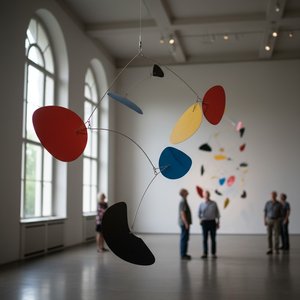
Red Mobile

- 160.0 x 400.0 cm


 Περισσότερα
Το έργο τέχνης που εμφανίζεται σε αυτή τη σελίδα προστατεύεται από τους νόμους περί πνευματικών δικαιωμάτων, γεγονός που σημαίνει ότι δεν μπορούμε νομικά να δημιουργήσουμε ή να πουλήσουμε μια ταυτόσημη αναπαραγωγή του. Αυτή η προστασία επιβάλλεται βάσει διεθνών συμφωνιών, όπως η Σύμβαση της Βέρνης καθώς και από τους εθνικούς νόμους, συμπεριλαμβανομένων αυτών που ορίζονται από το Νομοθεσία περί πνευματικών δικαιωμάτων των ΗΠΑ - Τίτλος 17. Όλα τα δικαιώματα κατοχυρωμένα. Απαγορεύεται η αναπαραγωγή χωρίς άδεια.
Αυτή η μέθοδος συμμορφώνεται πλήρως με τους κανονισμούς περί πνευματικών δικαιωμάτων, καθώς δεν περιλαμβάνει την αντιγραφή ή την αναπαραγωγή του προστατευόμενου έργου. Αντίθετα, πρόκειται για μια δημιουργική ερμηνεία — ένα νέο έργο που επηρεάζεται από το πρωτότυπο, χωρίς όμως να είναι πανομοιότυπο με αυτό.
Giclée / Εκτυπώσεις Τέχνης
Εκτύπωση giclée ή σε καμβά ποιότητας μουσείου με γρήγορη παραγωγή και ευέλικτες επιλογές φινιρίσματος. ( Αγορά χειροποίητου πίνακα Μετάβαση σε Ψηφιακή Αποτέλεσμα)




P118B €10

P118H €10

P118W €10

P438Z €10

P508JH €12

P508YH €12

P805H €10

P805Z €10

P919BZ €10

P919G €10

P919XJ €10

P959ZH €10

P968JZ €12

W106C €8

W218G €10

W218JH €8

W218Y €10

W307PJ €10

W316G €10

W316PJ €8

W316Y €10

W398PJ €8

W4111J €10

W500HY €15

W500JH €15

W692G €12

W849H €8

W940BG €15

W953PJ €8




Επιλέξτε από τις προκαθορισμένες διαστάσεις μας που διατηρούν τις αρχικές αναλογίες του έργου τέχνης.

Εισάγετε το πλάτος και το ύψος που επιθυμείτε, ώστε να ταιριάζουν στο κάδሮ ή στον τοίχο σας. Μια εκτύπωση μπορεί μόνο να υποστεί κοψίμό και ποτέ να μην γίνει μεγαλύτερη από την αρχική εικόνα, επομένως η επιλογή μεγέθους με διαφορετικό σχήμα συνεπάγεται απώλεια ενός μέρους της εικόνας. Σας στέλνουμε ένα ψηφιακό mockup για έγκριση πριν προχωρήσουμε σε οποιαδήποτε εκτύπωση. Η εικόνα που εμφανίζεται σε αυτή τη σελίδα δεν δείχνει την πραγματική κοπή — μόνο το mockup την παρουσιάζει.
Παγκόσμια Αποστολή () σε 2 εβδομάδες αντί για τις συνήθεις 4/5 εβδομάδες. (7 Νοέμβριος)

Δωρεάν γρήγορη διεθνής αποστολή

Κάμβας από Λινό Υψηλής Ποιότητας

Πλήρης ασφάλιση μεταφοράς

Εγγύηση επιστροφής δασμών και φόρων εισαγωγής

Εγγύηση Απόλυτης Ομοιότητας Χρωμάτων

Πολιτική Επιστροφής 100 Ημερών (Μόνο σε περίπτωση ελαττωμάτων)

Εγγύηση επιστροφής 100% των χρημάτων

Προσφορά για πολλαπλές παραγγελίες
 Η επιλογή με γυαλί είναι διαθέσιμη μόνο για μεγέθη κάτω από 110 εκ.

Red Mobile
Giclée / Εκτυπώσεις Τέχνης
Διαστάσεις Αναπαραγωγής
-


Τελική Τιμή
€ 72
Ερωτήσεις και Απαντήσεις
Πού μπορώ να δω το πρωτότυπο "Red Mobile" του Αλέξανδρος Μιλνός Κάλτερ;
Το πρωτότυπο έργο "Red Mobile" εκτίθεται στο Galleria Civica di Arte Moderna e Contemporanea Torino, Τορίνο, Ιταλία.
Πώς μπορώ να προβλέψω το "Red Mobile" του Αλέξανδρος Μιλνός Κάλτερ σε μορφή διαφάνειας;
Διαθέσιμη διαδοχική προβολή: η σελίδα Παρουσίαση διαφάνειων του έργου "Red Mobile" του Αλέξανδρος Μιλνός Κάλτερ.
Ποια φάση της καριέρας του Αλέξανδρος Μιλνός Κάλτερ αντιπροσωπεύει το "Red Mobile";
Το "Red Mobile" αντιπροσωπεύει την περίοδο Modern του Αλέξανδρος Μιλνός Κάλτερ.
Βιογραφικό Καλλιτέχνη
Εισαγωγή στον Αλέξανδρο Μίλνε Κάλτερ
Ο Αλέξανδρος Μίλνε Κάλτερ ήταν ένας Σκωτσέος-Αμερικανός γλύπτης, γεννημένος στο Αберіτιν της Σκωτίας το 1846. Είναι ευρύτερα γνωστός για την αρχιτεκτονική του γλυπτική στο Δημοτικό Παλάτι της Φιλαδέλφειας, ενώ η καλλιτεχνική του κληρονομιά συνεχίστηκε με τρόπο εντυπωσιακό, καθώς τόσο ο γιος του, Αλέξανδρος Στίλινγκ Κάλτερ, όσο και ο εγγονός του, Αλέξανδρος «Σάντι» Κάλτερ, έγιναν κορυφαίοι γλύπτες του 20ού αιώνα.Πρώιμη ζωή και καριέρα
Ο Αλέξανδρος Μίλνε Κάλτερ ξεκίνησε τη δημιουργική του πορεία στη Σκωτία, εργαζόμενος στον γλύπτη John Rhind, ενώ φοιτούσε στην Royal Academy στο Εδιμβούργο. Η μετακίνησή του στο Λονδίνο τον οδήγησε στη συμμετοχή του στο Albert Memorial, μια εμπειρία που εμπλουτίστηκε περαιτέρω όταν μετανάστευσε στις Ηνωμένες Πολιτείες το 1868. Η εγκατάστασή του στη Φιλαδέλφεια αποτέλεσε το ορόσημο της καριέρας του, όπου σπούδασε με τον Joseph A. Bailly και συμμετείχε σε μαθήματα με τον Thomas Eakins στην Pennsylvania Academy of Fine Arts.Σημαντικά έργα
Η καλλιτεχνική του προσφορά περιλαμβάνει ορισμένα από τα πιο εντυπωσιακά μνημειακά έργα της εποχής:- Δημοτικό Παλάτι Φιλαδέλφειας: μια τεράστια παραγγελία που περιλάμβανε περισσότερα από 250 κομμάτια σε μάρμαρο και μπρούντζο, η οποία απέκτησε 20 χρόνια για την ολοκλήρωσή της.
- William Penn: ένα κολοσσιαίο μπρούτζινο άγαλμα που προοριζόταν να στέψει τον πύργο του Δημοτικού Παλατιού.
- Ανατομική φιγούρα ιθαγενή: ένα γλυπτικό που προϋπήρχε της εγκατάστασής του στο Δημοτικό Παλάτι.
- Νότιο περίπτερο και Δυτικό περίπτερο: φωτισμένα με χρωματιστά φώτα, αναδεικνύοντας την εξαιρετική προσοχή του Κάλτερ στη λεπτομέρεια.
Κληρονομιά
Η κληρονομιά του Αλέξανδρου Μίλνε Κάλτερ εκτείνεται πολύ πέρα από το δικό του έργο, καθώς η τέχνη του ενσωματώθηκε στην ταυτότητα των απογόνων του. Οι προσφορές του στον κόσμο της τέχνης μπορούν να περιηγηθούν σε κορυφαία μουσεία, όπως το Smithsonian American Art Museum και τη Galleria Civica di Arte Moderna e Contemporanea στο Τουρίνο. Για να μάθετε περισσότερα για τον Αλέξανδρο Μίλνε Κάλτερ και το έργο του, επισκεφθείτε το https://OriginalUniqueArt.com/@/alexander-milne-calder ή εξερευνήστε τη χρονική γραμμή της Wahoo Art για μια λεπτομερή επισκόπηση της ιστορίας της τέχνης. Είναι σημαντικό να σημειωθεί ότι το έργο του Αλέξανδρου Μίλνε Κάλτερ έχει αναγνωριστεί και εκτιμηθεί τόσο από λάτρεις της τέχνης όσο και από μελετητές, καθιστώντας τον μια κομβική προσωπικότητα στον κόσμο της γλυπτικής. Οι συνεισφορές του θα συνεχίσουν να γιορτάζονται και να μελετώνται για τις επόμενες γενιές.
Αλέξανδρος Μιλνός Κάλτερ
1898 - 1976 , Ηνωμένο Βασίλειο
Γρήγορα στοιχεία
- Artistic Movement Or Style: Αρχιτεκτονική γλυπτική
- Artists Or Movements Influenced By This Artist: ['Ρομαντισμός']
- Artists Who Influenced This Artist: ['Τζον Ρηντ']
- Date Of Birth: Αύγουστος 23, 1846
- Date Of Death: Ιούνιος 14, 1923
- Full Name: Alexander Milne Calder
- Nationality: Σκωτσέζος-Αμερικανός
- Notable Artworks:
- Πινακοθήκη Φίλιξ Μπερνανάρδος Πίτερςμπέργου
- Σταυρός του Βασιλείου Γεωργίου Μεγάλου
- Μαρμάρινος Σταυρός του Βασιλείου Γεωργίου Μεγάλου
- Place Of Birth: Άμπερνεϊς, Σκωτία
Σχετικά άρθρα
Alexander Calder: Kinetic Sculpture, Mobile Art & the Poetics of Chance
Explore the revolutionary world of Alexander Calder's kinetic sculptures & mobiles. Discover insights for collectors, acquisition advice, and the enduring legacy of this modern master. Expert analysis & art valuation.

Βασίλι Καντίνσκι: Τα 25 Κορυφαία Έργα Τέχνης για Διακόσμηση & Έμπνευση
Ανακαλύψτε τα 25 κορυφαία έργα τέχνης του Βασίλι Καντίνσκι! Εξερευνήστε την αφηρημένη τέχνη, τον εξπρεσιονισμό & τα εμβληματικά χρώματα του ιδιοφυούς ζωγράφου. Αναπαραγωγές υψηλής ποιότητας για διακόσμηση και έμπνευση στο OriginalUniqueArt.com.

Οι 10 Κορυφαίοι Χάλκινοι Αγάλματα που Άλλαξαν την Ιστορία της Τέχνης | OriginalUniqueArt.gr
Ανακαλύψτε τα 10 θρυλικά χάλκινα αγάλματα που διαμόρφωσαν την τέχνη! Από τον Rodin στον Michelangelo, εξερευνήστε ιστορίες, τεχνικές & αισθητική. Βρείτε αντίγραφα υψηλής ποιότητας για το σπίτι σας στην OriginalUniqueArt.com.

The Enduring Form: Sculpture Across History, Technique & Emotional Resonance
Explore the rich history of sculpture with OriginalUniqueArt. Discover key techniques, influential artists & investment potential for discerning collectors. Expert insights into valuing and collecting timeless masterpieces.

The Enduring Form: Exploring Themes & Techniques in Sculpture Across Historical Periods
Explore the rich history of sculpture from ancient masterpieces to contemporary innovations. Discover key techniques, influential artists & investment potential for discerning art collectors.
