

 Δείτε σε πραγματικό χώρο
 Αποστολή
 Κοινοποίηση
 Λεπτομέρειες

 Λήψη
Λήψη
 Παρόμοια αντικείμενα συλλογής
 Ακτινογραφία
 Παρουσίαση
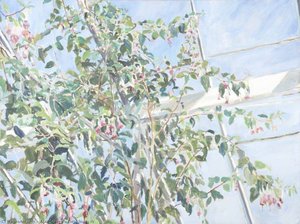
Field Study III
 104.0 x 137.0 cm
 Abbot Hall Art Gallery
 Διαβάστε περισσότερα
Χειροποίητη Αναπαραγωγή σε Έλαιο
Χειροποίητη oil painting σε καμβά στο δικό σας μέγεθος και πλαίσιο, κατά παραγγελία από τους καλλιτέχνες μας. ( Αγορά εκτύπωσης Αγορά ψηφιακής εικόνας)




































Επιλέξτε από τις προκαθορισμένες διαστάσεις μας που διατηρούν τις αρχικές αναλογίες του έργου τέχνης.

Μπορείτε να ορίσετε δικές σας διαστάσεις ώστε το έργο να ταιριάζει σε ένα συγκεκριμένο πλαίσιο ή χώρο. Εάν το επιλεγμένο μέγεθος δεν συμπίπτει με τις αναλογίες της αρχικής εικόνας, θα περικοψούμε το έργο ή θα επεκτείνουμε τη ζωγραφιά με πρόσθετα χειρόγραφα στοιχεία. Ένα ψηφιακό προσχέδιο θα σας αποσταλεί για έγκριση πριν την έναρξη της παραγωγής.
Παρακαλούμε σημειώστε ότι η προεπισκόπηση στην οθόνη δεν αντικατοπτρίζει την πραγματική περικοπή ή επέκταση. Μόνο το προσχέδιο θα δείξει με ακρίβεια την τελική σύνθεση.
Παρόλο που είναι διαθέσιμα προσαρμοσμένα μεγέθη, συνιστούμε να επιλέξετε μια διάσταση από τη λίστα των προκαθορισμένων μεγεθών για τη διατήρηση των αρχικών αναλογιών.
Μετά την παραγγελία, η ομάδα του OriginalUniqueArt.com θα στείλει email στον πελάτη με οδηγίες και θα παρέχει μια προεπισκόπηση προσχεδίου
Παγκόσμια Αποστολή () σε 3-4 εβδομάδες αντί για τις συνήθεις 5 εβδομάδες. (1 Σεπτέμβριος). Χωρίς συμβιβασμούς στην ποιότητα.

Δωρεάν γρήγορη διεθνής αποστολή

Κάμβας από Λινό Υψηλής Ποιότητας

Πλήρης ασφάλιση μεταφοράς

Εγγύηση Επιστροφής Δασμών και Φόρων

Εγγύηση Απόλυτης Ομοιότητας Χρωμάτων

Πολιτική Επιστροφής 60 Ημερών (Μόνο σε περίπτωση ελαττωμάτων)

Εγγύηση επιστροφής 100% των χρημάτων

Προσφορά για μαζικές παραγγελίες
 Η επιλογή με γυαλί είναι διαθέσιμη μόνο για μεγέθη κάτω από 110 εκ.

Field Study III
Μέσο Αναπαραγωγής
Διαστάσεις Αναπαραγωγής
-


Συνολική Τιμή
$ 300
Βιογραφία Καλλιτέχνη
The Weaver of Landscapes: The Dual Legacy of Alan Sekers
The life of Alan Sekers, born Miklós Szekeres, represents one of the most enchanting intersections of industrial innovation and fine art in twentieth-century Britain. A man whose hands were as skilled at manipulating the delicate threads of high fashion as they were at applying the nuanced pigments of a landscape, Sekers moved through the world with a rare sensitivity to texture and light. Born in Sopron, Hungary, on 12 December 1910, his early journey took him from the rigorous technical training of textile technology in Krefeld, Germany, to the heart of the British industrial landscape. While history often remembers him as the visionary industrialist behind Sekers Fabrics—a pioneer who embraced the transformative potential of nylon and secured a legendary association with Christian Dior—his true soul found its most profound expression in the quiet, rugged expanses of the English countryside.
His arrival in Britain in 1937 was driven by economic necessity and a spirit of revitalization. Alongside his cousin, Tomi de Gara, Sekers sought to combat the unemployment of West Cumberland by establishing the West Cumberland Silk Mills. This period of his life was defined by a remarkable ability to bridge the gap between utility and elegance. During the hardships of World War II, his mills pivoted from silk to parachute production, yet even amidst the mechanical demands of wartime industry, Sekers maintained an eye for aesthetic excellence. His work with Dior’s ready-to-wear collections demonstrated a profound understanding of visual storytelling through fabric, treating textiles not merely as material, but as a medium for grace and movement.
A Vision Rendered in Earth and Sky
As the decades progressed, the industrialist’s focus began to shift toward the pastoral, finding a spiritual home in the landscapes of Northern England. Sekers’s artistic development was characterized by an intense, almost meditative observation of nature. He did not seek to overwhelm the viewer with dramatic, sweeping gestures; instead, he mastered the art of the subtle. In his celebrated series, such as “Head for the Fells” and “Field Study,” one finds a painter deeply enamored with the atmospheric shifts of Northumberland National Park. His technique relied on a restrained palette and meticulous brushwork, allowing him to capture the profound stillness of a moorland morning or the heavy, moisture-laden air of a Cumbrian afternoon.
There is a rhythmic quality to his landscapes that mirrors his background in weaving. Just as he once interlaced synthetic fibers to create revolutionary fabrics, he interlaced light, shadow, and tone to construct a sense of place. His paintings often eschew grand vistas in favor of intimate studies—small, concentrated moments where the texture of the earth and the weight of the sky become palpable. This ability to distill the essence of a landscape into a singular, contemplative moment allowed him to transcend mere representation, moving into a realm of pure atmospheric emotion.
A Patronage of Light and Culture
Beyond his own canvas, Sekers’s contribution to the British cultural fabric was immense. He was a true patron of the arts, a man who understood that the vitality of a society depends upon the support of its creative voices. His influence extended far beyond the textile mills, as he sat on the boards of some of the most prestigious institutions in the United Kingdom, including the Royal Opera House and the Royal Shakespeare Company. He was a vital supporter of contemporary painters such as Judy Cassab and even commissioned works from masters like Graham Sutherland and John Piper, demonstrating a deep-seated commitment to fostering a diverse and thriving artistic ecosystem.
His legacy is one of remarkable duality: the industrialist who brought innovation to the British economy and the artist who brought a quiet, luminous beauty to the English landscape. When he passed away on 23 June 1972, he left behind a world that was richer for his vision. Whether through the enduring elegance of a Dior-inspired fabric or the evocative stillness of a field study, Alan Sekers remains a testament to the idea that passion and practicality are not opposing forces, but rather two threads that, when woven together, create a masterpiece of a life well-lived.
Γρήγορα στοιχεία
- Artistic Movement Or Style: Romanticism / Fashion Design
- Artists Or Movements Influenced By This Artist: ['David Cox']
- Artists Who Influenced This Artist: ['Christian Dior']
- Date Of Birth: December 12, 1910
- Date Of Death: June 23, 1972
- Full Name: Miklós Szekeres / Nicholas Sekers
- Nationality: British
- Notable Artworks:
- The Howl
- Attraction
- Field Study IV
- Place Of Birth: Sopron, Hungary

