
 Προεπισκόπηση
 Αποστολή
 Κοινοποίηση
 Λεπτομέρειες
 Οδηγός

 Λήψη
Λήψη
 Παρόμοια αντικείμενα συλλογής
 Ακτινογραφία
 Παρουσίαση
 Στατιστικά
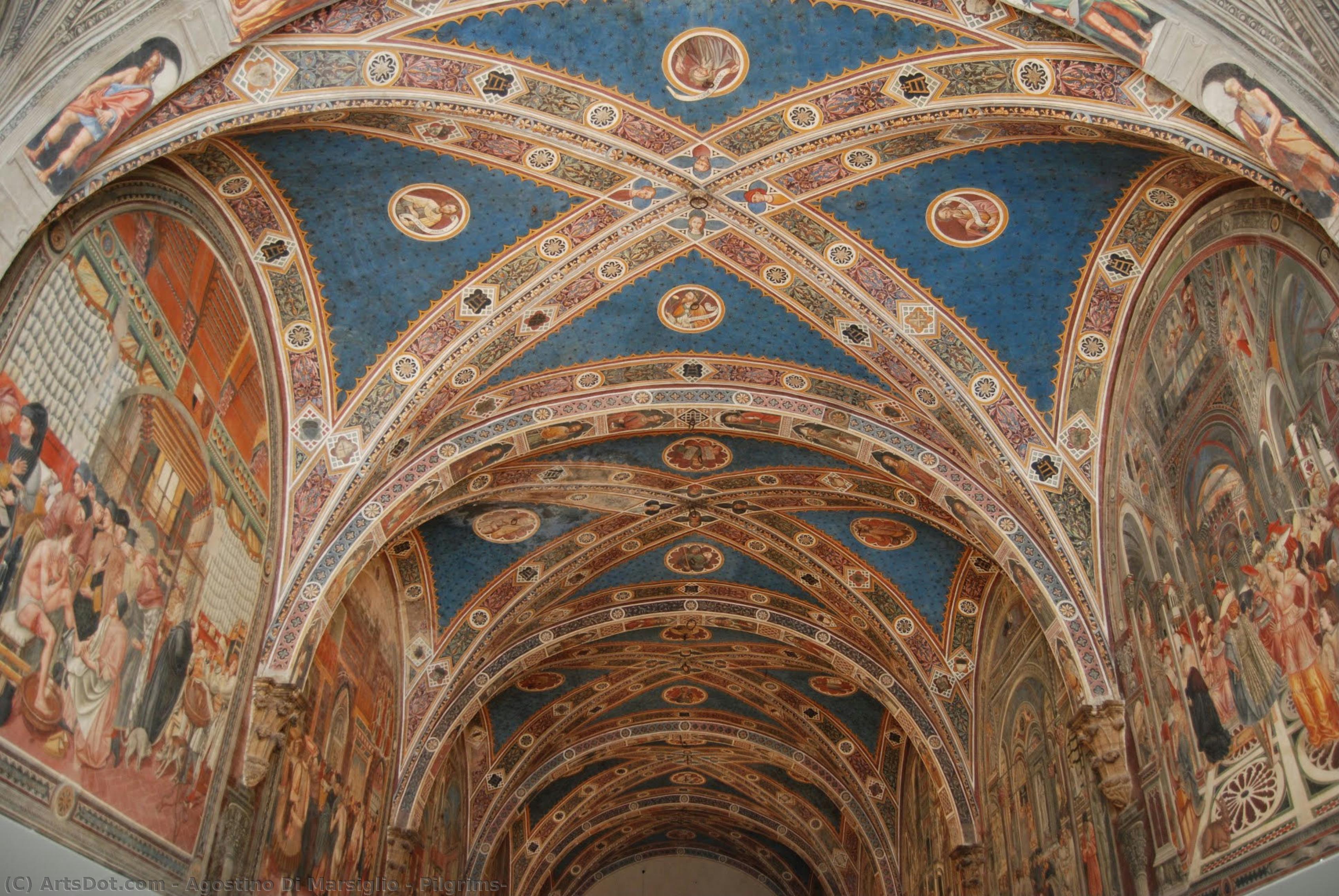
Pilgrims

 Περισσότερα λεπτομέρεια
Χειροποίητη Αναπαραγωγή σε Έλαιο
Χειροποίητη ελαιογραφία σε καμβά στο δικό σας μέγεθος και πλαίσιο, κατά παραγγελία από τους καλλιτέχνες μας. ( Μετάβαση σε Εκτυπώσεις Μετάβαση σε Ψηφιακή Εικόνα)




































Επιλέξτε από τις προκαθορισμένες διαστάσεις μας που διατηρούν τις αρχικές αναλογίες του έργου τέχνης.

Μπορείτε να ορίσετε δικές σας διαστάσεις ώστε το έργο να ταιριάζει σε ένα συγκεκριμένο πλαίσιο ή χώρο. Εάν το επιλεγμένο μέγεθος δεν συμπίπτει με τις αναλογίες της αρχικής εικόνας, θα περικοψούμε το έργο ή θα επεκτείνουμε τη ζωγραφιά με πρόσθετα χειρόγραφα στοιχεία. Ένα ψηφιακό προσχέδιο θα σας αποσταλεί για έγκριση πριν την έναρξη της παραγωγής.
Παρακαλούμε σημειώστε ότι η προεπισκόπηση στην οθόνη δεν αντικατοπτρίζει την πραγματική περικοπή ή επέκταση. Μόνο το προσχέδιο θα δείξει με ακρίβεια την τελική σύνθεση.
Παρόλο που είναι διαθέσιμα προσαρμοσμένα μεγέθη, συνιστούμε να επιλέξετε μια διάσταση από τη λίστα των προκαθορισμένων μεγεθών για τη διατήρηση των αρχικών αναλογιών.
Μετά την παραγγελία, η ομάδα του OriginalUniqueArt.com θα στείλει email στον πελάτη με οδηγίες και θα παρέχει μια προεπισκόπηση προσχεδίου
Παγκόσμια Αποστολή () σε 3-4 εβδομάδες αντί για τις συνήθεις 5 εβδομάδες. (27 Σεπτέμβριος). Χωρίς συμβιβασμούς στην ποιότητα.

Δωρεάν γρήγορη διεθνής αποστολή

Κάμβας από Λινό Υψηλής Ποιότητας

Πλήρης ασφάλιση μεταφοράς

Εγγύηση επιστροφής δασμών και φόρων εισαγωγής

Εγγύηση Απόλυτης Ομοιότητας Χρωμάτων

Πολιτική Επιστροφής 100 Ημερών (Μόνο σε περίπτωση ελαττωμάτων)

Εγγύηση επιστροφής 100% των χρημάτων

Έκπτωση για πολλαπλές παραγγελίες
 Η επιλογή με γυαλί είναι διαθέσιμη μόνο για μεγέθη κάτω από 110 εκ.

Pilgrims
Τεχνική Αναπαραγωγής
Διαστάσεις Αναπαραγωγής
-


Συνολικό Κόστος
$ 300
Βιογραφικό Καλλιτέχνη
The Spiritual Canvas of Agostino di Marsiglio: A Bolognese Master in Siena
Agostino di Marsiglio, born in Bologna, Italy, in 1439, remains a compelling yet somewhat enigmatic figure within the landscape of early Renaissance painting. While biographical details are scarce, his enduring legacy is powerfully etched onto the walls of the Battistero di San Giovanni in Siena, where his frescoes breathe life into the stories and symbolism central to Christian faith. Emerging from the vibrant artistic milieu of Bologna – a city renowned for its scholastic traditions and burgeoning humanist thought – Agostino brought a distinctive sensibility to the Sienese chapel, creating a visual testament to devotion and theological understanding. His work isn’t characterized by flamboyant innovation but rather by a deeply considered approach to narrative clarity and spiritual resonance.Early Life and Artistic Formation
The specifics of Agostino di Marsiglio's early training are largely unknown. Bologna in the 15th century was a hub for artistic workshops, and it’s reasonable to assume he apprenticed under an established master, absorbing the techniques and stylistic conventions prevalent at the time. The influence of Bolognese painting is evident in his precise draftsmanship and attention to detail. However, his eventual commission in Siena suggests exposure to other regional styles, perhaps through travel or the circulation of artworks. It’s important to remember that artistic knowledge wasn't confined by geographical boundaries; artists frequently learned from examples circulating throughout Italy. The emphasis on linear perspective, though not revolutionary in his work, indicates an awareness of developments occurring in Florence and other centers of Renaissance art. His early years likely involved mastering the fundamentals of fresco technique – a demanding process requiring both technical skill and speed – as well as learning to prepare pigments and understand the complexities of composition.The Pilgrims’ Room at San Giovanni: A Cycle of Faith
Agostino di Marsiglio's defining achievement is undoubtedly his frescoes within the *Pilgrims’ Room* (Sala dei Pellegrini) at the Battistero di San Giovanni in Siena. Commissioned to provide a space for pilgrims awaiting baptism, the room became a stunning visual encyclopedia of religious figures and narratives completed in 1439. The cycle isn't organized around a single overarching story but rather presents a diverse array of saints, blessed individuals, prophets from the Old Testament, and allegorical representations of virtues. This deliberate arrangement reflects the multifaceted nature of faith and the various paths to spiritual enlightenment.Style and Symbolism: A Blend of Tradition and Devotion
Agostino’s style is characterized by a refined elegance and clarity. His figures are rendered with graceful lines and expressive faces, conveying a sense of piety and inner contemplation. While not as dramatically foreshortened or dynamically posed as some of his contemporaries, his compositions possess a harmonious balance and carefully considered spatial relationships. The color palette is rich yet restrained, employing deep blues, vibrant reds, and earthy tones to create an atmosphere of solemnity and reverence. Symbolism permeates every aspect of the frescoes. Each figure carries specific attributes identifying their role in religious history or representing a particular virtue. Old Testament prophets, for example, are depicted holding scrolls containing prophecies foretelling the coming of Christ. The inclusion of numerous saints reflects the diverse patronage and devotional practices of Siena during this period. Angels populate the vaults and arches, symbolizing divine presence and guidance. Agostino’s meticulous attention to detail – from the intricate folds of drapery to the expressive gestures of his figures – underscores his commitment to conveying theological meaning through visual form.Historical Significance and Legacy
Agostino di Marsiglio's work occupies a significant, though often understated, position within the development of Renaissance art. His frescoes at San Giovanni represent a compelling example of early 15th-century painting, bridging the gap between the Gothic traditions of Siena and the emerging humanist ideals of Florence. While he didn’t achieve the widespread fame of artists like Masaccio or Donatello, his contribution to the visual culture of Siena is undeniable. The *Pilgrims' Room* continues to inspire awe and contemplation, offering a powerful glimpse into the spiritual beliefs and artistic sensibilities of the Renaissance era. His legacy lies not in radical innovation but in the enduring beauty and devotional power of his meticulously crafted frescoes – a testament to the transformative potential of art to illuminate the path of faith.
agostino di marsiglio
1439 - , Italy
Στοιχεία καλλιτέχνη
- Artistic Movement Or Style: Renaissance Painting
- Date Of Birth: 1439
- Date Of Death: Present
- Full Name: Agostino di Marsiglio
- Nationality: Italian
- Notable Artworks: ["Frescoes of the Pilgrims' Room"]
- Place Of Birth: Bologna, Italy