

 Προεπισκόπηση
 Αποστολή
 Κοινοποίηση
 Λεπτομέρειες
 Οδηγός

 Λήψη
Λήψη
 Παρόμοια αντικείμενα συλλογής
 Ακτινογραφία
 Παρουσίαση
 Στατιστικά
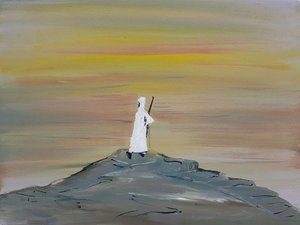
Industrial Ruins


 Περισσότερα λεπτομέρεια
Χειροποίητη Αναπαραγωγή σε Έλαιο
Χειροποίητη ελαιογραφία σε καμβά στο δικό σας μέγεθος και πλαίσιο, κατά παραγγελία από τους καλλιτέχνες μας. ( Μετάβαση σε Εκτυπώσεις Μετάβαση σε Ψηφιακή Εικόνα)




































Επιλέξτε από τις προκαθορισμένες διαστάσεις μας που διατηρούν τις αρχικές αναλογίες του έργου τέχνης.

Μπορείτε να ορίσετε δικές σας διαστάσεις ώστε το έργο να ταιριάζει σε ένα συγκεκριμένο πλαίσιο ή χώρο. Εάν το επιλεγμένο μέγεθος δεν συμπίπτει με τις αναλογίες της αρχικής εικόνας, θα περικοψούμε το έργο ή θα επεκτείνουμε τη ζωγραφιά με πρόσθετα χειρόγραφα στοιχεία. Ένα ψηφιακό προσχέδιο θα σας αποσταλεί για έγκριση πριν την έναρξη της παραγωγής.
Παρακαλούμε σημειώστε ότι η προεπισκόπηση στην οθόνη δεν αντικατοπτρίζει την πραγματική περικοπή ή επέκταση. Μόνο το προσχέδιο θα δείξει με ακρίβεια την τελική σύνθεση.
Παρόλο που είναι διαθέσιμα προσαρμοσμένα μεγέθη, συνιστούμε να επιλέξετε μια διάσταση από τη λίστα των προκαθορισμένων μεγεθών για τη διατήρηση των αρχικών αναλογιών.
Μετά την παραγγελία, η ομάδα του OriginalUniqueArt.com θα στείλει email στον πελάτη με οδηγίες και θα παρέχει μια προεπισκόπηση προσχεδίου
Παγκόσμια Αποστολή () σε 3-4 εβδομάδες αντί για τις συνήθεις 5 εβδομάδες. (25 Σεπτέμβριος). Χωρίς συμβιβασμούς στην ποιότητα.

Δωρεάν γρήγορη διεθνής αποστολή

Κάμβας από Λινό Υψηλής Ποιότητας

Πλήρης ασφάλιση μεταφοράς

Εγγύηση επιστροφής δασμών και φόρων εισαγωγής

Εγγύηση Απόλυτης Ομοιότητας Χρωμάτων

Πολιτική Επιστροφής 100 Ημερών (Μόνο σε περίπτωση ελαττωμάτων)

Εγγύηση επιστροφής 100% των χρημάτων

Έκπτωση για πολλαπλές παραγγελίες
 Η επιλογή με γυαλί είναι διαθέσιμη μόνο για μεγέθη κάτω από 110 εκ.

Industrial Ruins
Τεχνική Αναπαραγωγής
Διαστάσεις Αναπαραγωγής
-


Συνολικό Κόστος
$ 300
Βιογραφικό Καλλιτέχνη
A Convert’s Vision: The Life and Art of Abraham Bar Jacob
The story of Abraham Bar Jacob is one steeped in transformation, a compelling narrative of religious conversion woven into the fabric of 17th-century Amsterdam's vibrant artistic landscape. Born in Berlin around 1669 as a Christian pastor, his journey took an unexpected turn when he embraced Judaism, adopting the name by which we know him today – Abraham Bar Jacob, meaning “Abraham, son of Jacob.” This profound shift wasn’t merely a change of faith; it fundamentally altered his artistic trajectory and imbued his work with a unique perspective. Little is known about his early life or training before arriving in Amsterdam, adding an air of mystery to the origins of his considerable skill as a copper engraver.
Amsterdam and the Haggadah: A Flourishing Career
Amsterdam in the late 17th century was a haven for Sephardic Jews fleeing persecution, a bustling center of trade, intellectual life, and artistic production. It was within this dynamic environment that Bar Jacob established himself as a respected artist. He quickly became known for his meticulous engravings, often employed to illustrate books printed by prominent Amsterdam publishing houses. However, it is his collaboration on the 1695 Amsterdam Haggadah that cemented his place in art history. This wasn’t simply an act of commercial artistry; it was a deeply personal undertaking. The Haggadah, the text recited during the Passover Seder, holds immense spiritual significance for Jewish people, recounting the story of the Exodus from Egypt.
Bar Jacob's contribution extended beyond mere illustration. He created a series of intricate engravings that adorned the pages, but his most striking achievement was the inclusion of a detailed map of Palestine rendered with Hebrew lettering. This wasn’t just a geographical depiction; it was a visual expression of longing for the Holy Land and a testament to his newfound faith. The map is remarkable for its accuracy—considering the limitations of contemporary cartography—and its symbolic weight, representing both historical connection and future aspiration.
Beyond the Haggadah: Diverse Artistic Expressions
While the Amsterdam Haggadah remains his most celebrated work, Bar Jacob’s artistic output was surprisingly diverse. He produced title pages for various books, showcasing his skill in decorative design and typography. Perhaps one of his more unusual commissions was an amulet created for women in childbirth, a testament to the practical role art played in everyday life during this period. This amulet, likely intended to offer protection during a vulnerable time, demonstrates his ability to adapt his style to suit different needs and audiences.
Another intriguing project was a wall calendar spanning 130 years, adorned with baroque illustrations. The sheer scale of such an undertaking speaks to Bar Jacob’s ambition and dedication. These calendars weren't merely functional timekeeping devices; they were works of art in their own right, reflecting the aesthetic sensibilities of the era.
A Legacy Marked by Faith and Art
In his later years, a curious phenomenon emerged: Bar Jacob began to obliterate or conceal his signature from his work. The reasons for this remain speculative, but it’s widely believed to be connected to his status as a convert. In a society where religious identity was often closely tied to artistic patronage and recognition, he may have feared discrimination or sought to distance himself from potential scrutiny. Regardless of the motivation, this act adds another layer of complexity to his story.
Abraham Bar Jacob’s legacy is that of an artist who seamlessly blended faith and artistry. His work offers a rare glimpse into the world of 17th-century Jewish life in Amsterdam, reflecting both the challenges and opportunities faced by converts. He wasn't simply replicating existing styles; he was creating something new—a unique visual language informed by his personal journey and deeply rooted in religious tradition. His engravings are not merely decorative objects; they are windows into a soul grappling with identity, belonging, and the enduring power of belief. The Amsterdam Haggadah, in particular, stands as a testament to his skill and a powerful symbol of Jewish resilience and cultural continuity.
abraham bar jacob the proselyte
1669 - 1730 , Germany
Στοιχεία καλλιτέχνη
- Artistic Movement Or Style: Baroque Illustration
- Date Of Birth: 1669
- Date Of Death: 1730
- Full Name: Abraham Bar Jacob the Proselyte
- Nationality: German-Jewish
- Notable Artworks:
- Amsterdam Haggadah
- Holy Land maps
- Amulet for childbirth
- Place Of Birth: Berlin, Germany