

 Προεπισκόπηση
 Αποστολή
 Κοινοποίηση
 Λεπτομέρειες
 Οδηγός

 Λήψη
Λήψη
 Παρόμοια αντικείμενα συλλογής
 Ακτινογραφία
 Παρουσίαση
 Στατιστικά
Pavilion
 Oil On Canvas
- WallArt
- Bengal School of Art
 23.0 x 16.0 cm
 Βικτωριακή Αίθουσα Μνημοσύνης
 Περισσότερα λεπτομέρεια
Χειροποίητη Αναπαραγωγή σε Έλαιο
Χειροποίητη ελαιογραφία σε καμβά στο δικό σας μέγεθος και πλαίσιο, κατά παραγγελία από τους καλλιτέχνες μας. ( Μετάβαση σε Εκτυπώσεις Μετάβαση σε Ψηφιακή Εικόνα)




P118B €10

P118H €10

P118W €10

P438Z €10

P508JH €12

P508YH €12

P805H €10

P805Z €10

P919BZ €10

P919G €10

P919XJ €10

P959ZH €10

P968JZ €12

W106C €8

W218G €10

W218JH €8

W218Y €10

W307PJ €10

W316G €10

W316PJ €8

W316Y €10

W398PJ €8

W4111J €10

W500HY €15

W500JH €15

W692G €12

W849H €8

W940BG €15

W953PJ €8




Επιλέξτε από τις προκαθορισμένες διαστάσεις μας που διατηρούν τις αρχικές αναλογίες του έργου τέχνης.

Πληκτρολογήστε το πλάτος και το ύψος που επιθυμείτε, ώστε να ταιριάζουν στο κάδሮ ή στον τοίχο σας. Ε เนื่องจาก πρόκειται για χειροποίητη ζωγραφική, σε περίπτωση διαστάσεων με διαφορετικό σχήμα, ο καλλιτέχνης μπορεί να ζωγραφίσει λίγο παραπάνω γύρω από το έργο ή να αφαιρέσει ένα μέρος — η επιλογή είναι δική σας. Σας στέλνουμε ένα ψηφιακό mockup για έγκριση πριν ξεκινήσει η δημιουργία του έργου. Η εικόνα που εμφανίζεται σε αυτή τη σελίδα δεν δείχνει το τελικό αποτέλεσμα — μόνο το mockup το αναδεικνύει.
Μετά την παραγγελία, η ομάδα του OriginalUniqueArt.com θα στείλει email στον πελάτη με οδηγίες και θα παρέχει μια προεπισκόπηση προσχεδίου
Παγκόσμια Αποστολή () σε 3-4 εβδομάδες αντί για τις συνήθεις 5 εβδομάδες. (25 Οκτώβριος). Χωρίς συμβιβασμούς στην ποιότητα.

Δωρεάν γρήγορη διεθνής αποστολή

Κάμβας από Λινό Υψηλής Ποιότητας

Πλήρης ασφάλιση μεταφοράς

Εγγύηση επιστροφής δασμών και φόρων εισαγωγής

Εγγύηση Απόλυτης Ομοιότητας Χρωμάτων

Πολιτική Επιστροφής 100 Ημερών (Μόνο σε περίπτωση ελαττωμάτων)

Εγγύηση επιστροφής 100% των χρημάτων

Έκπτωση για πολλαπλές παραγγελίες
 Η επιλογή με γυαλί είναι διαθέσιμη μόνο για μεγέθη κάτω από 110 εκ.

Pavilion
Τεχνική Αναπαραγωγής
Διαστάσεις Αναπαραγωγής
-


Συνολικό Κόστος
€ 263
Abanindranath Tagore’s “Pavilion”: A Bridge Between East and West
The artwork presented here, Abanindranath Tagore's "Pavilion," isn’t merely a depiction of a building; it’s a carefully constructed visual poem, a pivotal moment in the history of Indian art. Painted in 1907, during a period of intense nationalistic fervor and artistic experimentation, this work represents Tagore’s audacious attempt to synthesize traditional Indian aesthetics with Western influences – a strategy that fundamentally reshaped the landscape of modern Indian painting. It's a piece brimming with symbolism, inviting viewers to contemplate themes of spirituality, identity, and the evolving relationship between tradition and modernity.
Tagore, deeply influenced by the Japanese aesthetic—particularly its emphasis on calligraphy and flattened perspective—and inspired by the Mughal and Rajput miniature traditions, sought to create an art form that resonated with Indian sensibilities. He deliberately rejected the academic realism prevalent in Western art schools, which he viewed as cold and devoid of spiritual depth. Instead, he drew upon the rich visual vocabulary of ancient India – its vibrant colors, stylized forms, and symbolic imagery—and infused it with a distinctly modern sensibility. “Pavilion” exemplifies this approach perfectly; it’s not a photographic representation but rather an evocative interpretation, prioritizing mood and feeling over strict adherence to reality.
A Symphony of Color and Symbolism
The painting immediately captivates the eye with its rich palette—a deliberate departure from the muted tones favored by Western artists. Deep blues and greens dominate the composition, evoking a sense of tranquility and spirituality, while bursts of crimson, gold, and saffron inject vibrancy and energy. These colors aren’t simply decorative; they carry profound symbolic weight. Blue represents the heavens and spiritual realms, red signifies passion and life force, and gold embodies divinity and enlightenment. The use of these hues is deeply rooted in Hindu iconography and reflects Tagore's desire to reconnect with India’s ancient spiritual heritage.
The pavilion itself—a structure reminiscent of Mughal palaces but imbued with a distinctly Indian character—is rendered with a flattened perspective, echoing the style of Japanese woodblock prints. The arched doorway, framed by intricate floral motifs and stylized clouds, serves as a focal point, drawing the viewer’s eye into the heart of the composition. Notice the deliberate simplification of forms – a hallmark of both Mughal and Japanese art—which contributes to the painting's serene and contemplative atmosphere. The figures depicted within the pavilion are not realistically rendered but rather presented as stylized silhouettes, further emphasizing the work’s symbolic nature.
Historical Context and Artistic Significance
“Pavilion” was created during a crucial period in Indian history—the early 20th century—a time marked by growing nationalist sentiment and a desire to reclaim India's cultural identity after centuries of colonial rule. Tagore’s art played a significant role in this movement, providing a visual language for expressing Indian values and traditions. He founded the Bengal School of Art, which championed a distinctly Indian style of painting that drew inspiration from both ancient and contemporary sources. This school challenged the dominance of Western artistic styles and paved the way for a new generation of Indian artists.
Tagore’s work wasn't without its critics. Some accused him of diluting traditional Indian art by incorporating Western elements, while others praised his innovative approach to blending Eastern and Western aesthetics. However, “Pavilion” remains a testament to Tagore’s artistic vision—a bold and ambitious attempt to create an art form that was both deeply rooted in India's cultural heritage and open to new influences. It stands as a pivotal work in the development of modern Indian painting, demonstrating the power of art to shape national identity and express complex ideas.
A Timeless Masterpiece for Your Space
Reproduced on high-quality canvas or paper, Abanindranath Tagore’s “Pavilion” offers a captivating glimpse into India's rich artistic heritage. Its serene composition, vibrant colors, and evocative symbolism make it an ideal addition to any home or office space. Whether you are drawn to its spiritual depth, its historical significance, or simply its aesthetic beauty, this artwork is sure to inspire contemplation and add a touch of timeless elegance to your surroundings. Consider commissioning a hand-painted reproduction from OriginalUniqueArt.com for a truly authentic experience.
Ερωτήσεις & Απαντήσεις
Είναι τα χρώματα του έργου "Pavilion" του Αμπανιντρανάτ Tagora έντονα ή θαμπά;
Το έργο "Pavilion" του Αμπανιντρανάτ Tagora καταγράφεται με κορεσμό Balanced Soft.
Υπάρχει διαθέσιμη λήψη για το "Pavilion";
Είναι διαθέσιμη λήψη για το "Pavilion": η σελίδα Λήψη του έργου προσφέρει το λήψη ψηφιακής εικόνας υψηλής ανάλυσης.
Ποια είναι η τεχνική και οι διαστάσεις του έργου "Pavilion" του Αμπανιντρανάτ Tagora;
Το πρωτότυπο έργο "Pavilion" του Αμπανιντρανάτ Tagora είναι μια δημιουργία με τεχνική Oil On Canvas και διαστάσεις 23 x 16 cm. Η τεχνική και το μέγεθος περιγράφουν το αυθεντικό αντικείμενο.
Βιογραφικό Καλλιτέχνη
Πρώιμη Ζωή και Υπόβαθρο
- Γεννημένος: 7 Μαΐου, 1861, Joransanko, Καούτμπα, Βρετανική Ινδία
- Πέθανε: 5 Δεκεμβρίου, 1951
- Οικογένεια: Μέλος της διακεκριμένης οικογένειας Tagore; ανιψιός του Rabindranath Tagore. Παππούς του ήταν ο Girindranath Tagore, και πατέρας του ο Gunendrasnath Tagore.
- Εκπαίδευση: Σπούδασε στο Sanskrit College, Kolkata τη δεκαετία του 1880 και αργότερα φοίτησε στο Calcutta School of Art.
Καλλιτεχνική Εξέλιξη και Επηρεασμοί
- Πρώινη Εκπαίδευση: Μάθετε τη χρήση pastels από τον O. Ghilardi και τη ζωγραφική ελα oil painting από τον Charles Palmer στο Calcutta School of Art.
- Μογγολικά και Rajput Στυλ: Δραχάστη να εκσυγχρονίσει αυτά τα στυλ, απορρίπτοντας τα δυτικά μοντέλα τέχνης.
- Αξίες Swadeshi: Ενσωμάτωσε τις αξίες Swadeshi στην τέχνειά του, προωθώντας τις ινδικές παραδόσεις.
- Αισθητισμός Whistler: Επηρεασμένος από τις αισθητικές αρχές του Whistler.
- Ιαπωνική Επίδραση: Αργότερα ενσωμάτωσε κινεζικές και ιαπωνικές calligraphic παραδόσεις στο στυλ του μετά τη γνωριμία με τους καλλιτέχνες Tikan και Hesida.
Κύρια Έργα και Καλλιτεχνικά Ε योगदान
- Rohini II: Ένα αξιοσημείωτο έργο που αναδεικνύει την καλλιτεχνική του δεξιοτεχνία.
- Passing of Shajahan: Ένα άλλο σημαντικό έργο που αντανακλά το στυλ του.
- Season Flower in a Vase: Αποδεικνύει την τεχνογνωσία του στην τεχνική και το θέμα.
- Σειρά Arabian Nights (1930): Θεωρείται ένα από τα κορυφαία επιτεύγματά του, χρησιμοποιώντας τις ιστορίες των «Αραβικών Νυχτών» για να εξερευνήσει την αποικιακή Calcutta.
- Bharat Mata: Ένα σημαντικό έργο που συμβολίζει τη Μητέρα Ινδία.
- Ίδρυας της Bengal School of Art: Έπαιξε καθοριστικό ρόλο στη διαμόρφωση της σύγχρονης ινδικής ζωγραφικής και στην προώθηση της εθνικιστικής τέχνης.
- Ινδική Εταιρεία Ανατολικής Τέχνης (1907):Ίδρυσε αυτή την εταιρεία για την προώθηση των παραδοσιακών ινδικών μορφών τέχνης.
Κληρονομιά και Ιστορική Σημασία
- Πρωτοπόρος της Σύγχρονης Ινδικής Ζωγραφικής: Αναγνωρισμένος ως βασικό πρόσωπο στην ανάπτυξη της σύγχρονης ινδικής τέχνης.
- Επίδραση στους Επόμενους Καλλιτέχνες: Υπήρξε μέντορας σημαντικών καλλιτεχνών όπως οι Nandalal Bose, Asit Halder, Kshitindranath Majumdar και Jamini Roy.
- Ανάβλεψη Παραδοσιακών Τεχνών: Υπερασπίστηκε την επιστροφή σε παραδοσιακές ινδικές τεχνικές και στυλ.
- Επίδραση στη Βεγγαλική Παιδική Λογοτεχνία: Έγραψε επιδραστικά παιδικά βιβλία όπως τα Rajkahini, Budo Angla, Nalak και Khirer Putul.
- Εθνικοί Τεχνοτόχοι: Τα έργα του θεωρούνται Εθνικοί Τεχνοτόχοι.

Αμπανιντρανάτ Tagora
1871 - 1951 , Ινδία
Στοιχεία καλλιτέχνη
- Artistic Movement Or Style: Βεγγαλική Σχολή Τέχνης
- Artists Or Movements Influenced By This Artist:
- Nandalal Bose
- Kshitindranath Majumdar
- Jamini Roy
- Artists Who Influenced This Artist:
- Whistler
- Μογγόλοι καλλιτέχνες
- Rajput καλλιτέχνες
- Date Of Birth: 7 Μαΐου 1871
- Date Of Death: 5 Δεκεμβρίου 1951
- Full Name: Abanindranath Tagore
- Nationality: Ινдійος
- Notable Artworks:
- Rohini II
- Passing of Shajahan
- Season Flower in a Vase
- Place Of Birth: Jorasanko, Ινδία
Σχετικά άρθρα

Raja Ravi Varma: Bridging Tradition & Modernity in 19th-Century Indian Art
Explore the life & art of Raja Ravi Varma, a pioneer who fused European techniques with Indian iconography. Discover his iconic paintings, lasting legacy, and influence on modern Indian art at OriginalUniqueArt.
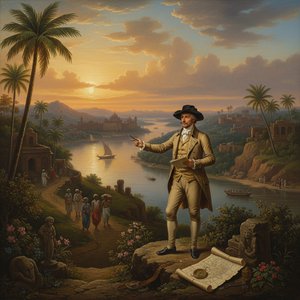
Thomas Daniell: Navigating Light, Landscape & Cultural Exchange in Early 19th-Century India
Explore the captivating landscapes of Thomas Daniell, a pioneering artist who documented India's beauty in the 19th century. Discover his 'Oriental Scenery,' aquatint technique & lasting legacy. Hand-painted reproductions available at OriginalUniqueArt.
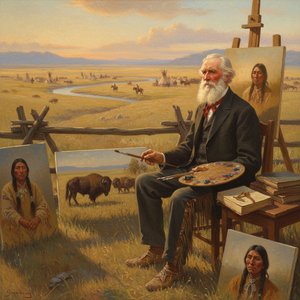
Joseph Henry Sharp: Capturing the Spirit of the Plains – Life, Art & Legacy
Explore the life & art of Joseph Henry Sharp, a founding member of the Taos Society of Artists renowned for his realistic depictions of Native American culture and Western landscapes. Discover his legacy with OriginalUniqueArt.
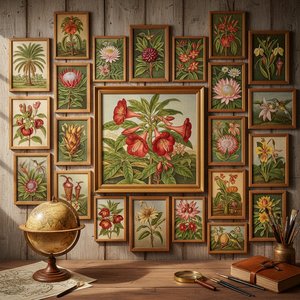
Marianne North: Τα 25 Κορυφαία Έργα της Βικτωριανής Περιηγήτριας & Εξαιρετικά Αντίγραφα Τέχνης | OriginalUniqueArt.gr
Ανακαλύψτε τα 25 κορυφαία έργα της Marianne North, της βικτωριανής περιηγήτριας & βοτανικής εικονογράφου. Εξερευνήστε πίνακες με εξωτικά τοπία και λουλούδια υψηλής ποιότητας. Βρείτε την τέλεια αναπαραγωγή για τον χώρο σας στο OriginalUniqueArt.com!
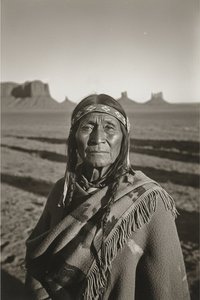
Shadow Catcher: Edward S. Curtis & the Ethnographic Portraiture of a Vanishing West
Explore the life & work of Edward S. Curtis, the 'Shadow Catcher,' and his groundbreaking photographic documentation of Native American cultures. Discover iconic images from *The North American Indian* and a critical look at his lasting legacy.
