Πορτρέτο του Γιόχαν Καρλ Λότ

Τα 46 πιο διάσημα έργα του Γιόχαν Καρλ Λότ, κάθε ένα μοναδικό

Ενημερωμένο Νοέμβριος 2026 · κατάταξη βάσει του σκορ δημοφιλίας μας (αναζητήσεις, επισκέψεις και παραγγελίες για κάθε έργο) · 47 έργα του Γιόχαν Καρλ Λότ στον κατάλογό μας

Με σύντομη περιγραφή

Το έργο Selene and Endymion (1670) είναι το ποίτευμα του Γιόχαν Καρλ Λότ που τραβάει τα περισσότερα βλέμματα· το πρωτότυπο ανήκει στο Rijksmuseum, Άμστερνταμ. Μετά από αυτό, το βλέμμα στρέφεται στο Jacob Blesses Ephraim and Manasseh (1692) και στο Old Peasant Lighting a Pipe (1660). Ανάμεσα στα 47 έργα του Γιόχαν Καρλ Λότ στον κατάλογό μας, αυτά τα 46 είναι τα πιο διάσημα, το καθένα ένα μοναδικό πρωτότυπο που παρουσιάζεται με την χρονολογία του, το μουσείο του και τον λόγο για τον οποίο παραμένει αιώνιο.

1632 – 1698, Μόναχο Baroque Περισσότερα έργα: Bavarian State Painting Collections

Τα 10 κορυφαία έργα του Γιόχαν Καρλ Λότ, μέσα από το βλέμμα της γκαλερί

1
Selene and Endymion (1670) του Γιόχαν Καρλ Λότ

Selene and Endymion

1670 · Oil On Canvas · Rijksmuseum, Άμστερνταμ

In this dramatic oil painting, we find ourselves witnessing a moment of profound stillness and longing. The scene captures the mythological meeting between Selene, the personification of the Moon, and the sleeping Endymion. The composition moves with a heavy, diagonal energy, pulling the eye from the upper left down toward the lower right, following the curve of the figures. Endymion lies in a deep, earthly slumber, his muscular form rendered…

2
Jacob Blesses Ephraim and Manasseh (1692) του Γιόχαν Καρλ Λότ

Jacob Blesses Ephraim and Manasseh

1692 · Oil On Canvas · Kunsthistorisches Museum, Βιέννη

In this 1692 oil on canvas, an aged, semi-nude patriarch leans forward to bestow a blessing upon two young boys, Ephraim and Manasseh. The composition is tightly packed, utilizing a dynamic, triangular formation that directs the viewer's eye toward the central elderly figure. The scene captures a moment of profound interpersonal drama, where the physical presence of the figures is emphasized through heavy drapery and muscular contours. Light falls theatrically…

3
Old Peasant Lighting a Pipe (1660) του Γιόχαν Καρλ Λότ

Old Peasant Lighting a Pipe

1660 · Oil On Canvas · Art Institute of Chicago, Σικάγκο

A single, focused light source pierces a heavy darkness, illuminating a weathered face in a moment of profound concentration. This profile view captures an elderly man as he attends to a clay pipe, the thin stem acting as a visual guide through the composition. The scene is defined by a stark chiaroscuro, where deep shadows recede into an indeterminate background, pushing the subject into the immediate foreground. Every wrinkle in…

4
Music Lesson (1650) του Γιόχαν Καρλ Λότ

Music Lesson

1650 · Oil On Canvas · Muzeum Palacu Króla Jana III w Wilanowie, Βαρσοβία

In the oil painting Music Lesson by Johann Carl Loth, the artist employs an oval composition to frame a tightly cropped scene. The figures are arranged in a triangular formation, a structural choice that directs the viewer's eye toward the central action. A muscular male figure plays a pan flute, or syrinx, while an older man wearing a laurel wreath observes or instructs a younger woman. This arrangement creates a…

5
Diogenes (1650) του Γιόχαν Καρλ Λότ

Diogenes

1650 · Oil On Canvas · Minneapolis Institute of Art, Minneapolis

A muscular, bearded man emerges from a dark, near-black background in this 1650 oil painting. He is positioned in a tight, close-up composition that focuses on his upper torso and head. His skin is rendered with detailed musculature, particularly across the shoulder, chest, and arm. A single light source, a lit candle contained within a handheld lantern, casts sharp highlights onto his anatomy. This light creates a strong chiaroscuro effect,…

6
Susannah and the Elders (1650) του Γιόχαν Καρλ Λότ

Susannah and the Elders

1650 · Oil On Canvas · Μουσείο J. Paul Getty, Λος Άντζελες

In Susannah and the Elders, Johann Carl Loth brings a heavy, dramatic tension to the canvas. The scene unfolds from a narrative found within the Old Testament, capturing a moment of profound intrusion. Susannah finds herself cornered by two men, their presence a sudden and unsettling weight in her private space. The air feels thick with the gravity of this confrontation, as the figures press into a tight, triangular arrangement…

7
The Exposure of the Infant Moses (1665) του Γιόχαν Καρλ Λότ

The Exposure of the Infant Moses

1665 · Oil · Bavarian State Painting Collections, Μόναχο

In The Exposure of the Infant Moses, Johann Carl Loth captures a heavy moment from the Book of Exodus. The scene centers on a small infant resting in a vessel upon the ground. A muscular man reaches toward the child, his body taut with effort. To the side, a woman collapses in grief, her hand pressed against her forehead as she faces a moment of profound despair. The weight of…

8
Christ Appears to Saint Anthony (1665) του Γιόχαν Καρλ Λότ

Christ Appears to Saint Anthony

1665 · Oil · Bavarian State Painting Collections, Μόναχο

In this dramatic Baroque oil painting, titled Christ Appears to Saint Anthony, Johann Carl Loth captures a profound mystical encounter. Created about 1665, the work focuses on the intimate connection between the Christ Child and the saint. The composition centers on the upper bodies of these two figures, drawing the viewer into a private moment of spiritual presence. The Christ Child is depicted as a plump, nude infant leaning forward…

9
The Penitent Mary Magdalene (1665) του Γιόχαν Καρλ Λότ

The Penitent Mary Magdalene

1665 · Oil · Bavarian State Painting Collections, Μόναχο

The Penitent Mary Magdalene emerges from the shadows as a profound oil painting by Johann Carl Loth. Created about 1665, the work captures a singular moment of spiritual intensity. The subject gazes upward, caught in a state of deep devotion that feels immediate and alive. Every brushstroke contributes to the weight of her presence within the frame.

10
John the Baptist (1665) του Γιόχαν Καρλ Λότ

John the Baptist

1665 · Oil · Bavarian State Painting Collections, Μόναχο

This oil painting, titled John the Baptist, was executed by the German Baroque painter Johann Carl Loth. The work dates to about 1665. It presents a vertical portrait that focuses on the head and the upper torso of the subject. The figure is a muscular man characterized by a beard and a gaze directed upward and to his right. He is depicted in a state of intense spiritual or emotional…

Τα διάσημα έργα του Γιόχαν Καρλ Λότ, από το 11 έως το 46

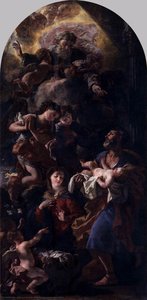
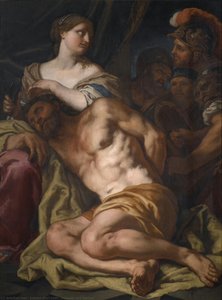
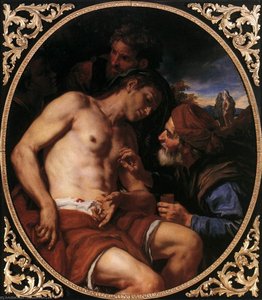
11Christ on the Cross (1665) του Γιόχαν Καρλ ΛότChrist on the Cross1665 · Bavarian State Painting Collections 12Adoration of the Shepherds (1665) του Γιόχαν Καρλ ΛότAdoration of the Shepherds1665 · Bavarian State Painting Collections 13David with the Head of Goliath (1665) του Γιόχαν Καρλ ΛότDavid with the Head of Goliath1665 · Bavarian State Painting Collections 14Mockery of Christ (1665) του Γιόχαν Καρλ ΛότMockery of Christ1665 · Bavarian State Painting Collections 15Isaac Blesses Jacob (1665) του Γιόχαν Καρλ ΛότIsaac Blesses Jacob1665 · Bavarian State Painting Collections 16The Shame of Noah (1674) του Γιόχαν Καρλ ΛότThe Shame of Noah1674 · Bavarian State Painting Collections 17The Dying Seneca (1665) του Γιόχαν Καρλ ΛότThe Dying Seneca1665 · Bavarian State Painting Collections 18The Rescue of Agrippina, Mother of Nero (1665) του Γιόχαν Καρλ ΛότThe Rescue of Agrippina, Mother of Nero1665 · Bavarian State Painting Collections 19Boy in Armor (1665) του Γιόχαν Καρλ ΛότBoy in Armor1665 20Cato the Younger's Death (1672) του Γιόχαν Καρλ ΛότCato the Younger's Death1672 · Statens Museum For Kunst 21Saint Joseph with the Christ Child (1680) του Γιόχαν Καρλ ΛότSaint Joseph with the Christ Child1680 · Bavarian State Painting Collections 22Holy Family with the Christ Child John (1680) του Γιόχαν Καρλ ΛότHoly Family with the Christ Child John1680 · Bavarian State Painting Collections 23Saint John the Baptist (1680) του Γιόχαν Καρλ ΛότSaint John the Baptist1680 · Εθνική Γκαλερίδα της Σλοβακίας 24Saint Paul (1675) του Γιόχαν Καρλ ΛότSaint Paul1675 · Εθνικό Μουσείο Βαρσοβίας 25Faun playing the flute. (1675) του Γιόχαν Καρλ ΛότFaun playing the flute.1675 · Εθνικό Μουσείο Βαρσοβίας 26Martyrdom of Gerard of Csanád (1677) του Γιόχαν Καρλ ΛότMartyrdom of Gerard of Csanád1677 · Musée Des Beaux 27Holy Family and God the Father (1681) του Γιόχαν Καρλ ΛότHoly Family and God the Father1681 · San Silvestro 28The Guardian Angel and Archangel Michael (1691) του Γιόχαν Καρλ ΛότThe Guardian Angel and Archangel Michael1691 · Bavarian State Painting Collections 29Saint Dominic Receives the Rosary (1691) του Γιόχαν Καρλ ΛότSaint Dominic Receives the Rosary1691 · Bavarian State Painting Collections 30The Death of Cato. (1700) του Γιόχαν Καρλ ΛότThe Death of Cato.1700 · Εθνικό Μουσείο Βαρσοβίας 31Abraham Visited by the Angels του Γιόχαν Καρλ ΛότAbraham Visited by the Angels 32Death of St Peter Martyr (1691) του Γιόχαν Καρλ ΛότDeath of St Peter Martyr1691 · Βασιλική dei Santi Giovanni e Paolo 33Lowering of Moses into the Nile (Amram and Jochebed lowering their son Moses in a basket into the Nile) (1700) του Γιόχαν Καρλ ΛότLowering of Moses into the Nile (Amram and Jochebed lowering their son Moses in a basket into the Nile)1700 · Ernest Zmeták Art Gallery 34Apollo, Pan, and Marsyas του Γιόχαν Καρλ ΛότApollo, Pan, and MarsyasStaatliche Museen zu Berlin 35Ελιεζερ και Ρεβεκα στο Κουβάρι (1670) του Γιόχαν Καρλ ΛότΕλιεζερ και Ρεβεκα στο Κουβάρι1670 · Ερμιτάζ 36Self-Portrait του Γιόχαν Καρλ ΛότSelf-PortraitBavarian State Painting Collections 37The Crowning with thorns του Γιόχαν Καρλ ΛότThe Crowning with thornsFinnish National Gallery 38Saint Sebastian του Γιόχαν Καρλ ΛότSaint SebastianNational Gallery Prague 39Kampf des Jakob mit d. Engel ? του Γιόχαν Καρλ ΛότKampf des Jakob mit d. Engel ? 40Adam and Eve του Γιόχαν Καρλ ΛότAdam and EveKedleston Hall 41Lot and His Daughters του Γιόχαν Καρλ ΛότLot and His Daughters 42Samson and Delilah του Γιόχαν Καρλ ΛότSamson and DelilahFondazione Brescia Musei 43Mercury Piping to Argus του Γιόχαν Καρλ ΛότMercury Piping to ArgusΕθνική Πινακοθήκη Λονδίνου 44Jupiter and Mercury at Philemon and Baucis του Γιόχαν Καρλ ΛότJupiter and Mercury at Philemon and BaucisKunsthistorisches Museum 45The Good Samaritan του Γιόχαν Καρλ ΛότThe Good SamaritanKunsthistorisches Museum 46The Good Samaritane (1676) του Γιόχαν Καρλ ΛότThe Good Samaritane1676 · Kunstsammlungen Graf von Schönborn

Τα θέματα που κίνησαν το ενδιαφέρον του Γιόχαν Καρλ Λότ

Τα τέσσερα θέματα που εμφανίζονται πιο συχνά σε αυτά τα πρωτότυπα έργα, το καθένα με το εξαιρετικό του παράδειγμα.

Τα μουσεία που διατηρούν τα πρωτότυπα έργα του Γιόχαν Καρλ Λότ

Τα 8 μουσεία που φιλοξενούν το μεγαλύτερο μέρος των έργων σε αυτήν τη σελίδα.

Μουσείο Πόλη Έργα του Γιόχαν Καρλ Λότ Πάτρια από αυτή τη λίστα
Bavarian State Painting Collections, ΜόναχοBavarian State Painting Collections Μόναχο 17 The Exposure of the Infant Moses, Christ Appears to Saint Anthony, The Penitent Mary Magdalene
Kunsthistorisches Museum, ΒιέννηKunsthistorisches Museum Βιέννη 3 Jacob Blesses Ephraim and Manasseh, Jupiter and Mercury at Philemon and Baucis, The Good Samaritan
Εθνικό Μουσείο Βαρσοβίας, ΒαρσοβίαΕθνικό Μουσείο Βαρσοβίας Βαρσοβία 3 Saint Paul, Faun playing the flute., The Death of Cato.
Rijksmuseum, ΆμστερνταμRijksmuseum Άμστερνταμ 1 Selene and Endymion
Art Institute of Chicago, ΣικάγκοArt Institute of Chicago Σικάγκο 1 Old Peasant Lighting a Pipe
Muzeum Palacu Króla Jana III w Wilanowie, ΒαρσοβίαMuzeum Palacu Króla Jana III w Wilanowie Βαρσοβία 1 Music Lesson
Minneapolis Institute of Art, MinneapolisMinneapolis Institute of Art Minneapolis 1 Diogenes
Μουσείο J. Paul Getty, Λος ΆντζελεςΜουσείο J. Paul Getty Λος Άντζελες 1 Susannah and the Elders

Ο Γιόχαν Καρλ Λότ μέσα από τις δεκαετίες: ένα μοναδικό πρωτότυπο για κάθε εποχή

Έργα ανά δεκαετία

Επιλέξτε μια δεκαετία για να δείτε το πρωτότυπο έργο που την χαρακτηρίζει.

Οι πίνακες του Γιόχαν Καρλ Λότ: ερωτήσεις για την γκαλερί

Ποιο είναι το πιο διάσημο έργο του Γιόχαν Καρλ Λότ;Αποκαλύψτε την απάντηση

Selene and Endymion (1670), Rijksmuseum, Άμστερνταμ. Στη συνέχεια ακολουθούν το Jacob Blesses Ephraim and Manasseh (1692) και το Old Peasant Lighting a Pipe (1660).

Σε τι ηλικία δημιούργησε ο/η Γιόχαν Καρλ Λότ το έργο Selene and Endymion;Αποκαλύψτε την απάντηση

38 ετών: το έργο Selene and Endymion είναι του 1670, και ο/η Γιόχαν Καρλ Λότ γεννήθηκε το 1632.

Ποια είναι τα δέκα πιο διάσημα έργα του Γιόχαν Καρλ Λότ;Αποκαλύψτε την απάντηση

Selene and Endymion, Jacob Blesses Ephraim and Manasseh, Old Peasant Lighting a Pipe, Music Lesson, Diogenes, Susannah and the Elders, The Exposure of the Infant Moses, Christ Appears to Saint Anthony, The Penitent Mary Magdalene και John the Baptist. Η κατάταξη παραπάνω αναγράφει το έτος και το μουσείο για το κάθε έργο.

Πόσα έργα του Γιόχαν Καρλ Λότ είναι γνωστά;Αποκαλύψτε την απάντηση

Ο κατάλογός μας περιλαμβάνει 47 έργα του Γιόχαν Καρλ Λότ, με ημερομηνίες από 1650 έως 1692.

Πού μπορούν να θαυμαστούν τα πιο διάσημα πρωτότυπα έργα του Γιόχαν Καρλ Λότ;Αποκαλύψτε την απάντηση

Κυρίως σε Bavarian State Painting Collections (Μόναχο), Kunsthistorisches Museum (Βιέννη) και Εθνικό Μουσείο Βαρσοβίας (Βαρσοβία). Ο πίνακας μουσείου παραπάνω τους περιλαμβάνει όλους.

Κατά ποια περίοδο δημιούργησε ο/η Γιόχαν Καρλ Λότ τα πιο γνωστά του/της έργα;Αποκαλύψτε την απάντηση

Κατά την περίοδο 1660s: 13 από τα 46 έργα σε αυτήν τη σελίδα δημιουργήθηκαν τότε, με Old Peasant Lighting a Pipe από αυτά να είναι μοναδικά.

Ποιο διάσημο έργο του Γιόχαν Καρλ Λότ είναι το παλαιότερο και ποιο το νεότερο;Αποκαλύψτε την απάντηση

Σε αυτήν τη σελίδα, το παλαιότερο είναι Music Lesson (1650) και το νεότερο Jacob Blesses Ephraim and Manasseh (1692).

Ποια θέματα προτίμησε ο/η Γιόχαν Καρλ Λότ;Αποκαλύψτε την απάντηση

Man (28), Drapery (15) και Skin (11), σε συνολικά 46 έργα σε αυτήν τη σελίδα.

Με ποια υλικά χρησιμοποίησε περισσότερο ο Γιόχαν Καρλ Λότ;Αποκαλύψτε την απάντηση

Oil On Canvas, για 22 από τα 46 έργα σε αυτήν τη σελίδα.

Ποιο καλλιτεχνικό κίνημα ανήκει το έργο του Γιόχαν Καρλ Λότ;Αποκαλύψτε την απάντηση

Baroque, όπως προκύπτει από τα πρωτότυπα σε αυτήν τη σελίδα.

Ποια πρωτότυπα έργα του Γιόχαν Καρλ Λότ μπορώ να δω στο Bavarian State Painting Collections;Αποκαλύψτε την απάντηση

The Exposure of the Infant Moses, Christ Appears to Saint Anthony και The Penitent Mary Magdalene: το Bavarian State Painting Collections, Μόναχο διαθέτει 17 από τα έργα σε αυτήν τη σελίδα.

Γιόχαν Καρλ Λότ: ένα πορτρέτο του καλλιτέχνη

The Venetian Master of Drama: The Life and Legacy of Johann Karl Loth

In the sun-drenched, theatrical atmosphere of seventeenth-century Venice, few artists captured the profound tension between the divine and the earthly as masterfully as Johann Karl Loth. Born around 1632 in Munich, within the Electorate of Bavaria, Loth was a painter whose identity bridged the robust traditions of German artistry with the luminous, emotive splendor of the Italian Baroque. Though his name might not resonate with the immediate household recognition of a Titian, his presence in the Venetian landscape was monumental. He was famously celebrated by the biographer Arnold Houbraken as one of the three grand masters of art bearing the name "Karel"—a prestigious distinction that placed him alongside luminaries such as Karel Duijardin and Carlo Maratta, signaling his arrival among the elite of European painting.

Loth’s artistic journey began under the watchful eye of his father, Johann Ulrich Loth, a painter who provided the foundational technical rigor that would later allow the son to experiment with such grand scale. This early training in Munich instilled a disciplined approach to composition, yet it was his move to Venice that truly ignited his creative spirit. In the vibrant Venetian milieu, Loth absorbed the influence of Giovan Battista Langetti, adopting a style defined by chiaroscuro—the dramatic interplay of light and shadow—and a penchant for tenebrism. This technique allowed him to sculpt figures out of darkness, imbuing his canvases with a sense of weight, mystery, and spiritual urgency that became his unmistakable signature.

A Tapestry of Myth and Scripture

The true brilliance of Loth’s oeuvre lies in his ability to transform the canvas into a stage for the most epic narratives of human history. He specialized in large-scale history paintings, often characterized by densely populated, crowded group scenes that demanded immense compositional skill. His subjects were drawn from the wellspring of classical mythology and the profound depths of the Old Testament, treated not merely as illustrations but as living, breathing dramas. Whether depicting the celestial intervention of gods or the harrowing trials of biblical patriarchs, Loth utilized a palette of vibrant colors and loose, expressive brushwork to evoke intense emotion.

One can see this mastery in works such as Jupiter and Mercury at Philemon and Baucis, where the divine presence is felt through a sudden, illuminating light that pierces the humble surroundings of a mortal cottage. Similarly, his religious compositions, such as Holy Family and God the Father, showcase a profound command over atmospheric depth and sacred intimacy. His ability to weave complex human emotions—devotion, fear, awe, and familial love—into these grand narratives ensured that his work resonated far beyond the borders of Italy, attracting the attention of prestigious patrons including Emperor Leopold I of the Habsburg court in Vienna.

Influence, Collaboration, and Enduring Significance

Loth’s career was not a solitary endeavor but one marked by significant artistic synergy. In Venice, he engaged in fruitful collaborations with fellow masters like Pietro Liberi, working together to fulfill ambitious commissions that elevated the standards of historical storytelling. His studio became a beacon for aspiring talents; he mentored a generation of painters, including Michael Wenzel Halbax and Johann Michael Rottmayr, ensuring that his stylistic hallmarks—the dramatic lighting and theatrical compositions—would ripple through the subsequent decades of Baroque art. Even beyond the realm of painting, Loth’s reputation drew well-to-do travelers and artists, such as Cornelis de Bruijn, to his doorstep, making his studio a vital node in the European artistic network.

As he approached the end of his life, residing in Venice until his death in 1698, Loth had secured a legacy that transcended his German origins. He was a painter who could command both the intimate shadows of a single figure and the chaotic energy of a multitude. Today, his works reside in some of the world's most esteemed institutions, from the Kunsthistorisches Museum in Vienna to the Hermitage Museum in St. Petersburg. Through his ability to marry the structural discipline of his youth with the emotive fluidity of the Venetian school, Johann Karl Loth remains a definitive voice of the Baroque era, reminding us of a time when art was a grand, theatrical pursuit of the sublime.