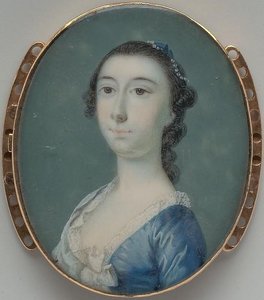
Πορτρέτο του Ιερώνυμος Θηός

Πάτσαδες του Ιερώνυμος Θηός: Τα 28 πιο διάσημα, μέσα από το βλέμμα μιας γκαλερί

Ενημερωμένο Οκτώβριος 2026 · κατάταξη βάσει του σκορ δημοφιλίας μας (αναζητήσεις, επισκέψεις και παραγγελίες για κάθε έργο) · 29 έργα του Ιερώνυμος Θηός στον κατάλογό μας

Με σύντομη περιγραφή

Στο μάτι της γκαλερί, το πιο διάσημο έργο του Ιερώνυμος Θηός είναι το Captain William Richardson (1743-1786) (1757), το πρωτότυπο του οποίου εκτίθεται στο Yale University Art Gallery, Νέα Χέιβεν. Ο William Wragg (1750) και ο Portrait of Amarinthia Elliott (1748) ολοκληρώνουν το τρίο που κάθε μάτι αναγνωρίζει. Από τα 29 έργα του Ιερώνυμος Θηός στον κατάλογό μας, η γκαλερί παρουσιάζει παρακάτω τα 28 πιο διάσημα, όπου κάθε ένα είναι πρωτότυπο, με την χρονολογία του, το μουσείο του και το τι το κάνει μοναδικό.

1716 – 1774, Κουρ Rococo Περισσότερα έργα: Μετροπολιτικό Μουσείο Τέχνης

Τα 10 κορυφαία έργα του Ιερώνυμος Θηός στη γκαλερέι

1
Captain William Richardson (1743-1786) (1757) του Ιερώνυμος Θηός

Captain William Richardson (1743-1786)

1757 · Oil On Canvas · Yale University Art Gallery, Νέα Χέιβεν

A formal 18th-century portrait of a young man, presented within an oval vignette against a dark, monochromatic background. Captain William Richardson is depicted from the waist up, positioned at a slight angle while looking toward the viewer. The composition relies on a restrained color palette, dominated by the creamy white of his waistcoat and jacket, which contrasts sharply against a deep blue trim. This trim features intricate silver or gold…

Πάينτα του Ιερώνυμος Θηός, κατάταξη από 11 έως 28

Τα θέματα που κίνησαν το ενδιαφέρον του Ιερώνυμος Θηός

Τα τέσσερα θέματα που εμφανίζονται πιο συχνά σε αυτά τα πρωτότυπα έργα, το καθένα με το εξαιρετικό του παράδειγμα.

Τα μουσεία που διατηρούν τα πρωτότυπα έργα του Ιερώνυμος Θηός

Τα 8 μουσεία που φιλοξενούν το μεγαλύτερο μέρος των έργων σε αυτήν τη σελίδα.

Μουσεία Πόλη Έργα του Ιερώνυμος Θηός Πάτρια από αυτή τη λίστα
Μετροπολιτικό Μουσείο Τέχνης, Νέα ΥόρκηΜετροπολιτικό Μουσείο Τέχνης Νέα Υόρκη 4 Mrs. Jacob Motte (Rebecca Brewton), Mrs. John Dart, Gabriel Manigault
Εθνική Πινακοθήκη Τέχνης, ΟυάσινγκτονΕθνική Πινακοθήκη Τέχνης Ουάσινγκτον 3 James Cuthbert (?), Mr. Motte, Mrs. Cuthbert
Gibbes Museum of Art, CharlestonGibbes Museum of Art Charleston 3 Benjamin Smith, Κόλονελ Μπαρνάρντ Έλιοτ Τζηρμιας Θούσ, Mrs. Barnard Elliott, Jr. (Mary Elizabeth Bellinger Elliott)
Detroit Institute of Arts, ΝτιτρόιτDetroit Institute of Arts Ντιτρόιτ 2 William Wragg, Portrait of Amarinthia Elliott
Μουσείο Τέχνης Βοστώνης, ΜπόσττονΜουσείο Τέχνης Βοστώνης Μπόσττον 2 Mrs. Lionel Chalmers (Martha Logan), Dr. Lionel Chalmers
New York Historical Society, Νέα ΥόρκηNew York Historical Society Νέα Υόρκη 2 Mrs. Samuel Carne (1740-1805), Samuel Carne, MD (1725-1780)
Yale University Art Gallery, Νέα ΧέιβενYale University Art Gallery Νέα Χέιβεν 1 Captain William Richardson (1743-1786)
John and Mable Ringling Museum of Art, SarasotaJohn and Mable Ringling Museum of Art Sarasota 1 Portrait of John Faucheraud Grimké

Ιερώνυμος Θηός, ένα χαρακτηριστικό έργο ανά δεκαετία

Έργα ανά δεκαετία

Επιλέξτε μια δεκαετία για να δείτε το πρωτότυπο έργο που την χαρακτηρίζει.

Οι πίνακες του Ιερώνυμος Θηός: οι απαντήσεις της γκαλερί

Ποιο έργο του Ιερώνυμος Θηός είναι το πιο διάσημο από όλα;Αποκαλύψτε την απάντηση

Captain William Richardson (1743-1786) (1757), Yale University Art Gallery, Νέα Χέιβεν. Στη συνέχεια ακολουθούν το William Wragg (1750) και το Portrait of Amarinthia Elliott (1748).

Πόσο είχε ηλικία ο Ιερώνυμος Θηός όταν ολοκλήρωσε το Captain William Richardson (1743-1786);Αποκαλύψτε την απάντηση

41 ετών: το έργο Captain William Richardson (1743-1786) είναι του 1757, και ο/η Ιερώνυμος Θηός γεννήθηκε το 1716.

Ποιες είναι τα 10 κορυφαία έργα του Ιερώνυμος Θηός;Αποκαλύψτε την απάντηση

Captain William Richardson (1743-1786), William Wragg, Portrait of Amarinthia Elliott, Mrs. Thomas Lynch (Elizabeh Allston Lynch), Mrs. Peter Manigault, Portrait of John Faucheraud Grimké, Portrait of Mrs. John Champneys (Anne Livingston, born 1746), Mrs. Lionel Chalmers (Martha Logan), Dr. Lionel Chalmers και Mrs. Samuel Carne (1740-1805). Η κατάταξη παραπάνω αναγράφει το έτος και το μουσείο για το κάθε έργο.

Πόσα έργα δημιούργησε ο/η Ιερώνυμος Θηός;Αποκαλύψτε την απάντηση

Ο κατάλογός μας περιλαμβάνει 29 έργα του Ιερώνυμος Θηός, με ημερομηνίες από 1748 έως 1772.

Πού εκτίθενται τα πιο διάσημα πρωτότυπα του Ιερώνυμος Θηός;Αποκαλύψτε την απάντηση

Κυρίως σε Μετροπολιτικό Μουσείο Τέχνης (Νέα Υόρκη), Εθνική Πινακοθήκη Τέχνης (Ουάσινγκτον) και Gibbes Museum of Art (Charleston). Ο πίνακας μουσείου παραπάνω τους περιλαμβάνει όλους.

Πότε δημιούργησε ο/η Ιερώνυμος Θηός τα πιο διάσημα έργα του/της;Αποκαλύψτε την απάντηση

Κατά την περίοδο 1760s: 13 από τα 28 έργα σε αυτήν τη σελίδα δημιουργήθηκαν τότε, με Portrait of John Faucheraud Grimké από αυτά να είναι μοναδικά.

Ποια είναι τα πρώτα και τα τελευταία διάσημα έργα του Ιερώνυμος Θηός;Αποκαλύψτε την απάντηση

Σε αυτήν τη σελίδα, το παλαιότερο είναι Portrait of Amarinthia Elliott (1748) και το νεότερο Mrs. John Dart (1772).

Ποια θέματα επέλεξε πιο συχνά ο Ιερώνυμος Θηός;Αποκαλύψτε την απάντηση

18th century (4), Portraiture (3) και Colonial era (2), σε συνολικά 28 έργα σε αυτήν τη σελίδα.

Με ποια τεχνική εργάστηκε περισσότερο ο Ιερώνυμος Θηός;Αποκαλύψτε την απάντηση

Oil On Canvas, για 2 από τα 28 έργα σε αυτήν τη σελίδα.

Με ποιο καλλιτεχνικό κίνημα σχετίζεται ο/η Ιερώνυμος Θηός;Αποκαλύψτε την απάντηση

Rococo, όπως προκύπτει από τα πρωτότυπα σε αυτήν τη σελίδα.

Ποια πρωτότυπα έργα του Ιερώνυμος Θηός διαθέτει το Μετροπολιτικό Μουσείο Τέχνης;Αποκαλύψτε την απάντηση

Mrs. Jacob Motte (Rebecca Brewton), Mrs. John Dart και Gabriel Manigault: το Μετροπολιτικό Μουσείο Τέχνης, Νέα Υόρκη διαθέτει 4 από τα έργα σε αυτήν τη σελίδα.

Ιερώνυμος Θηός: ο καλλιτέχνης

Jeremiah Theus: A Charleston Pioneer of Portraiture

Jeremiah Theus (1716 – 1774) stands as a singular figure in the artistic landscape of colonial South Carolina, recognized primarily for his masterful portraits that captured the essence of Charleston society during its golden age. Born in Chur, Switzerland—a bastion of Huguenot heritage—Theus’s journey to America represents not merely geographical relocation but an embrace of intellectual and stylistic innovation, shaping the visual culture of a burgeoning nation.
  • Early Life & Training: Little is known definitively about Theus's formative years beyond his birth in Switzerland. However, circumstantial evidence suggests he received considerable artistic training—likely honed through familial connections to Huguenot art circles—preparing him for a career dedicated to visual representation.
  • Immigration & Charleston Establishment: Driven by religious persecution and propelled by the promise of land grants from the South Carolina Assembly, Theus arrived in Charleston around 1735 alongside his family. Recognizing the dearth of skilled portraitists in the city, he swiftly established himself as a prominent artist, capitalizing on both patronage and burgeoning commercial interests.

A Style Defined by English Influence

Theus’s artistic style is characterized by an astute assimilation of prevailing trends from England—specifically Rococo art. Unlike many artists of his time who slavishly imitated Italian models, Theus consciously adopted stylistic elements favored by the British aristocracy, mirroring their penchant for elaborate ornamentation and idealized depictions of beauty. This influence manifests prominently in his portraits: figures are posed with graceful postures, draperies swirl with delicate folds, and backgrounds incorporate pastel hues—creating an atmosphere of refined elegance.
  • Notable Commissions & Patronage: Theus’s success stemmed largely from securing commissions from wealthy Charleston families—the Elliots, Grimball, Heyward, Izard, Manigault—who valued his ability to convey status and prestige. His portraits of these prominent figures cemented his reputation as the city's foremost artist.
  • Technique & Materials: Theus employed oil paints on canvas, utilizing meticulous layering techniques to achieve luminous effects and subtle gradations of color. He skillfully incorporated mezzotint prints—derived from English engravings—into his compositions, further enhancing their visual impact and demonstrating a commitment to stylistic sophistication.

Major Achievements & Legacy

Jeremiah Theus’s contribution to Charleston's artistic heritage extends beyond mere portraiture. He served as the artist for St. Michael’s Episcopal Church, overseeing the creation of its steeple and weather vane—symbols of civic pride and religious devotion. Furthermore, he actively participated in the city’s cultural life, fostering an environment conducive to artistic experimentation and establishing a drawing school that nurtured aspiring artists.
  • Iconic Portraits: Among Theus's most celebrated works are his portraits of Barnard Elliott Jr. and his wife—considered masterpieces of Rococo style—and Mrs. Peter Manigault, which exemplify the artist’s ability to capture both physical likeness and psychological nuance. These paintings remain treasured artifacts of Charleston’s history.
  • Influence on Subsequent Artists: Theus's stylistic choices profoundly impacted subsequent generations of Charleston artists, shaping the aesthetic sensibilities of the era. His embrace of English influences served as a catalyst for artistic innovation—establishing him as a pivotal figure in American art history.

Concluding Reflections

Jeremiah Theus’s life and work encapsulate the spirit of colonial Charleston—a city striving to forge its identity amidst European traditions. His unwavering dedication to his craft, coupled with his astute stylistic awareness, ensured that he would be remembered as a true pioneer—leaving an indelible mark on the visual culture of America.