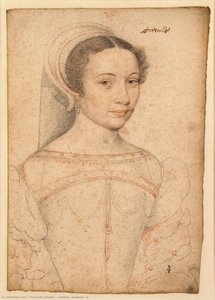
Πορτρέτο του Φρανσουά Κλουέ

Τα 78 πιο διάσημα έργα του Φρανσουά Κλουέ, κάθε ένα μοναδικό

Ενημερωμένο Οκτώβριος 2026 · κατάταξη βάσει του σκορ δημοφιλίας μας (αναζητήσεις, επισκέψεις και παραγγελίες για κάθε έργο) · 80 έργα του Φρανσουά Κλουέ στον κατάλογό μας

Με σύντομη περιγραφή

Το έργο Mary, Queen of Scots (1542-87) (1560) είναι το ποίτευμα του Φρανσουά Κλουέ που τραβάει τα περισσότερα βλέμματα· το πρωτότυπο ανήκει στο Royal Collection, Λονδίνο. Μετά από αυτό, το βλέμμα στρέφεται στο Henri II of Valois and Caterina de' Medici, Surrounded by Members of Their Family και στο Mary, Queen of Scots (1560). Ανάμεσα στα 80 έργα του Φρανσουά Κλουέ στον κατάλογό μας, αυτά τα 78 είναι τα πιο διάσημα, το καθένα ένα μοναδικό πρωτότυπο που παρουσιάζεται με την χρονολογία του, το μουσείο του και τον λόγο για τον οποίο παραμένει αιώνιο.

1510 – 1572, Τουρ Αναγέννηση Περισσότερα έργα: Château de Chantilly

Τα 10 κορυφαία έργα του Φρανσουά Κλουέ, μέσα από το βλέμμα της γκαλερί

1
Mary, Queen of Scots (1542-87) (1560) του Φρανσουά Κλουέ

Mary, Queen of Scots (1542-87)

1560 · Acrylic · Royal Collection, Λονδίνο

François Clouet's 1560-61 portrait of Mary, Queen of Scots is more than just a likeness; it’s a meticulously crafted window into the turbulent heart of Renaissance Scotland and France. Commissioned during her time as Dauphine of France and later Queen of Scotland, this diminutive painting – a ‘miniature’ in the truest sense – transcends its small scale to embody the complexities of a woman caught between two powerful nations and…

2
Henri II of Valois and Caterina de' Medici, Surrounded by Members of Their Family του Φρανσουά Κλουέ

Henri II of Valois and Caterina de' Medici, Surrounded by Members of Their Family

Oil On Panel · Galleria degli Uffizi, Φλωρεντία

In the grand tapestry of the French Renaissance, few works capture the sheer weight of royal lineage as profoundly as François Clouet’s "Henri II of Valois and Caterina de' Medici, Surrounded by Members of Their Family." This is not merely a portrait; it is a monumental tableau of power, a meticulously orchestrated assembly of faces that serves as a window into the heart of the 16th-century Valois court. As one…

4
Mary, Queen of Scots (1542-1587) (1559) του Φρανσουά Κλουέ

Mary, Queen of Scots (1542-1587)

1559 · Oil On Panel · Μουσείο Βίκτωρ και Άλμπερτ, Λονδίνο

The subject is a bust-length portrait of a woman, positioned slightly off-center and facing toward the right of the frame. She is depicted with a calm expression and a steady gaze. Her attire consists of a heavy, patterned gown featuring vertical stripes and intricate embroidery. A high, structured collar frames her neck, and her head is adorned with a headpiece containing rounded pearls. A matching necklace of lustrous pearls rests…

5
Portrait of Francis I, King of France (1540) του Φρανσουά Κλουέ

Portrait of Francis I, King of France

1540 · Oil On Canvas · Galleria degli Uffizi, Φλωρεντία

In the grand tapestry of the French Renaissance, few images command the eye with such immediate and breathtaking authority as François Clouet’s Portrait of Francis I, King of France. Painted in 1540, this monumental work is far more than a mere likeness of a monarch; it is a profound visual manifesto of power, ambition, and the burgeoning spirit of an era. As the viewer encounters this masterpiece, they are not…

6
Elisabeth of Austria, Queen of France (1571) του Φρανσουά Κλουέ

Elisabeth of Austria, Queen of France

1571 · Oil On Canvas · Μουσείο του Λούβρου, Παρίσι

In this oil painting on oak wood, a woman identified as Elisabeth of Austria, Queen of France, occupies the central foreground. She is positioned with her head turned slightly toward the side, her gaze directed away from the viewer. Her hair is long and dark, framing a face marked by a stern expression. Around her neck, she wears a prominent ruffled collar and a necklace that rests against her chest.…

7
A Lady in Her Bath (1571) του Φρανσουά Κλουέ

A Lady in Her Bath

1571 · Oil On Panel · Εθνική Πινακοθήκη Τέχνης, Ουάσινγκτον

In the quiet, luminous atmosphere of François Clouet’s “A Lady in Her Bath,” the viewer is not merely an observer but a silent guest invited into a moment of profound domestic intimacy. Painted around 1571, this masterpiece serves as a breathtaking window into the private lives of the French aristocracy during the late Renaissance. The composition unfolds with a theatrical grace, where heavy red satin drapes are pulled back like…

8
Portrait of Francis I, King of France (1540) του Φρανσουά Κλουέ

Portrait of Francis I, King of France

1540 · Oil On Canvas · Μουσείο του Λούβρου, Παρίσι

In the grand tapestry of the French Renaissance, few images command the eye with such immediate and breathtaking authority as François Clouet’s Portrait of Francis I, King of France. Painted in 1540, this monumental oil on canvas is far more than a mere likeness of a monarch; it is a profound visual manifesto of power, ambition, and the burgeoning spirit of an era. As the viewer encounters this work, they…

9
Unknown lady, probably an Italian, known as (1555) του Φρανσουά Κλουέ

Unknown lady, probably an Italian, known as

1555 · Acrylic On Canvas · Château de Chantilly, Chantilly

The world of 16th-century France was one of opulent courts, shifting alliances, and burgeoning artistic innovation. Within this vibrant landscape emerged François Clouet, a master portraitist whose meticulous skill and subtle psychological insight continue to captivate viewers centuries later. His “Unknown Lady,” painted around 1555, is not merely a likeness; it’s a carefully constructed tableau of observation, hinting at the woman's character and the era she inhabited. The painting, now…

10
Odet de Coligny, Cardinal de Châtillon (1548) του Φρανσουά Κλουέ

Odet de Coligny, Cardinal de Châtillon

1548 · Oil On Panel · Μουσείο Condé, Σαντιλόνι

Odet de Coligny, Cardinal de Châtillon is a portrait executed by François Clouet in 1548. The sitter, a prominent figure of the French Renaissance, held the positions of Bishop of Beauvais and Archbishop of Toulouse. As the nephew of Constable Anne de Montmorency, his social standing is reflected in the formal presentation of the work.

Τα διάσημα έργα του Φρανσουά Κλουέ, από το 11 έως το 78

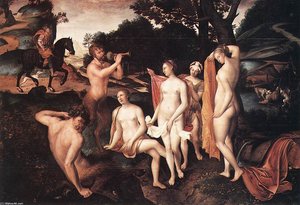
11Sir William Kirkcaldy of Grange (1570) του Φρανσουά ΚλουέSir William Kirkcaldy of Grange1570 · Εθνική Πινάκοθήκη της Σκωτίας 12King Charles IX of France (1561) του Φρανσουά ΚλουέKing Charles IX of France1561 · Kunsthistorisches Museum 13Portrait of a Man, so-called "Don Juan". (1555) του Φρανσουά ΚλουέPortrait of a Man, so-called "Don Juan".1555 · Μουσείο Τσαρτορίσκι 14Mary, Queen of Scots (1561) του Φρανσουά ΚλουέMary, Queen of Scots1561 · Εθνική Πινάκοθήκη της Σκωτίας 15Portrait of King Charles IX of France (1566) του Φρανσουά ΚλουέPortrait of King Charles IX of France1566 · Kunsthistorisches Museum 16Charles IX (1570) του Φρανσουά ΚλουέCharles IX1570 · Birmingham Museum of Art 17Portrait of Catherine de' Medici (1580) του Φρανσουά ΚλουέPortrait of Catherine de' Medici1580 · Walters Art Museum 18Portrait of a Man (1543) του Φρανσουά ΚλουέPortrait of a Man1543 · Εθνική Πινακοθήκη Λονδίνου 19Elisabeth of Austria, Queen of France (1571) του Φρανσουά ΚλουέElisabeth of Austria, Queen of France1571 · Μουσείο Condé 20Portrait of Charles IX, King of France (1550-1574) (1562) του Φρανσουά ΚλουέPortrait of Charles IX, King of France (1550-1574)1562 21Marie de Gaignon, Marquise de Boissy (c. 1524-1565) (1560) του Φρανσουά ΚλουέMarie de Gaignon, Marquise de Boissy (c. 1524-1565)1560 22Henry II (1519-1559), King of France. (1559) του Φρανσουά ΚλουέHenry II (1519-1559), King of France.1559 23Claude de Beaune de Semblançay, Lady of Chateaubrun (c. 1530-1571). (1563) του Φρανσουά ΚλουέClaude de Beaune de Semblançay, Lady of Chateaubrun (c. 1530-1571).1563 24Portrait of Admiral Gaspard II de Coligny (1550) του Φρανσουά ΚλουέPortrait of Admiral Gaspard II de Coligny1550 · Saint Louis Art Museum 25Marguerite of Valois (1560) του Φρανσουά ΚλουέMarguerite of Valois1560 · Μουσείο Condé 26Portrait of Claudia de Valois (1547-1575) (1563) του Φρανσουά ΚλουέPortrait of Claudia de Valois (1547-1575)1563 · Bavarian State Painting Collections 27Louise de Lorraine (1550) του Φρανσουά ΚλουέLouise de Lorraine1550 · Μουσείο Καλών Τεχνών του Χιούστον 28Mary, Queen of Scots (1542-87) (1559) του Φρανσουά ΚλουέMary, Queen of Scots (1542-87)1559 · Royal Collection 29François de Lorraine, 2nd Duke de Guise (1519-1563) (1555) του Φρανσουά ΚλουέFrançois de Lorraine, 2nd Duke de Guise (1519-1563)1555 30Portrait of François de Lorraine (1562) του Φρανσουά ΚλουέPortrait of François de Lorraine1562 31Mary, Queen of Scots (1561) του Φρανσουά ΚλουέMary, Queen of Scots1561 32Diane de France, Duchess of Angoulême (1538-1619), natural and legitimized daughter of Henry II, King of France. (1568) του Φρανσουά ΚλουέDiane de France, Duchess of Angoulême (1538-1619), natural and legitimized daughter of Henry II, King of France.1568 33Portrait "Unknown Lady" on wood, from the school of Francois Clouet, ca. 1570 (1570) του Φρανσουά ΚλουέPortrait "Unknown Lady" on wood, from the school of Francois Clouet, ca. 15701570 34Portrait of "Elisabeth van Habsburg" on wood, by a follower of Francois Clouet, after 1571 (1571) του Φρανσουά ΚλουέPortrait of "Elisabeth van Habsburg" on wood, by a follower of Francois Clouet, after 15711571 35Portrait of François de Coligny (1569) του Φρανσουά ΚλουέPortrait of François de Coligny1569 · Μουσείο Τέχνης του Σικάγο 36Portrait of Charles IX (1570) του Φρανσουά ΚλουέPortrait of Charles IX1570 · Collection Bemberg 37Portrait of François de Scepeaux (1566) του Φρανσουά ΚλουέPortrait of François de Scepeaux1566 · Indianapolis Museum of Art 38Portrait of a Man, called the Duc d'Alençon (1569) του Φρανσουά ΚλουέPortrait of a Man, called the Duc d'Alençon1569 · Εθνική Πινάκοθήκη της Σκωτίας 39The Love Letter (1570) του Φρανσουά ΚλουέThe Love Letter1570 · Μουσείο Θυσσεν-Βορνημισάζα 40Françoise Robertet, lady of La Bourdaisière then Countess of Châteauroux (1565) του Φρανσουά ΚλουέFrançoise Robertet, lady of La Bourdaisière then Countess of Châteauroux1565 · Château de Chantilly 41Portrait of a Lady (1550) του Φρανσουά ΚλουέPortrait of a Lady1550 · Städel Museum 42A Lady in Her Bath (1571) του Φρανσουά ΚλουέA Lady in Her Bath1571 · Εθνική Πινακοθήκη Τέχνης 43Hercule François de Valois-Angoulême, Duc d'Alençon et d'Anjou (1555–1584) του Φρανσουά ΚλουέHercule François de Valois-Angoulême, Duc d'Alençon et d'Anjou (1555–1584)Touchstones Rochdale 44Το Λαμπρό της Νύμφης σε Λεπτομέρειες (1565) του Φρανσουά ΚλουέΤο Λαμπρό της Νύμφης σε Λεπτομέρειες1565 · Musée des Beaux-Arts de Rouen 45Henry d'Albret, King of Navarre (1527) του Φρανσουά ΚλουέHenry d'Albret, King of Navarre1527 46Henri II (1550) του Φρανσουά ΚλουέHenri II1550 47Francois Hercule de France, Duke of Alencon (1560) του Φρανσουά ΚλουέFrancois Hercule de France, Duke of Alencon1560 48Hercule Francois, Duke of Alencon and of Anjou (1561) του Φρανσουά ΚλουέHercule Francois, Duke of Alencon and of Anjou1561 49Jossine de Pisseleu d (1550) του Φρανσουά ΚλουέJossine de Pisseleu d1550 · Château de Chantilly 50Jeanne D'Albret, Queen of Navarre (1570) του Φρανσουά ΚλουέJeanne D'Albret, Queen of Navarre1570 · Μουσείο Condé 51The Lady in Her Bath (1571) του Φρανσουά ΚλουέThe Lady in Her Bath1571 52Portrait of Claude Gouffier (1568) του Φρανσουά ΚλουέPortrait of Claude Gouffier1568 · Château de Versailles 53A Lady in Her Bath (detail) (1571) του Φρανσουά ΚλουέA Lady in Her Bath (detail)1571 · Εθνική Πινακοθήκη Τέχνης 54Isabelle (Isabeau) d (1547) του Φρανσουά ΚλουέIsabelle (Isabeau) d1547 · Château de Chantilly 55Elisabeth of France, Queen of Spain, known as Isabella of Peace (1550) του Φρανσουά ΚλουέElisabeth of France, Queen of Spain, known as Isabella of Peace1550 · Château de Chantilly 56Portrait of Henri II (1547) του Φρανσουά ΚλουέPortrait of Henri II1547 57The Bath of Diana (1550) του Φρανσουά ΚλουέThe Bath of Diana1550 · Museu de Arte 58Renée de Rieux, Marquise de Nesle, known as Guyonne, Countess of Laval (1560) του Φρανσουά ΚλουέRenée de Rieux, Marquise de Nesle, known as Guyonne, Countess of Laval1560 · Château de Chantilly 59Marguerite of France, Duchess of Berry and Savoy (1550) του Φρανσουά ΚλουέMarguerite of France, Duchess of Berry and Savoy1550 · Château de Chantilly 60Portrait of King Charles IX of France (1561) του Φρανσουά ΚλουέPortrait of King Charles IX of France1561 · Kunsthistorisches Museum 61Portrait of Princess Margarida de Valois (1561) του Φρανσουά ΚλουέPortrait of Princess Margarida de Valois1561 · Soares dos Reis National Museum 62Portrait of a Lady in a Black Dress with Marie Stuart Coiffure του Φρανσουά ΚλουέPortrait of a Lady in a Black Dress with Marie Stuart CoiffureBowes Museum 63Female Portrait του Φρανσουά ΚλουέFemale PortraitBowes Museum 64Diane de Poitiers (1499-1566), Duchess of Valentinois του Φρανσουά ΚλουέDiane de Poitiers (1499-1566), Duchess of Valentinois 65Portrait of a lady του Φρανσουά ΚλουέPortrait of a lady 66Henry III (1551–1589), King of France του Φρανσουά ΚλουέHenry III (1551–1589), King of France 67French, approx. ) (1510) του Φρανσουά ΚλουέFrench, approx. )1510 68A Nobleman of the Valois Court του Φρανσουά ΚλουέA Nobleman of the Valois CourtDetroit Institute of Arts 69Henry II (1519–1559), King of France του Φρανσουά ΚλουέHenry II (1519–1559), King of France 70Henry II of France (detail) του Φρανσουά ΚλουέHenry II of France (detail) 71Francois I of France on Horseback του Φρανσουά ΚλουέFrancois I of France on HorsebackUpton House 72Henry II of France on Horseback του Φρανσουά ΚλουέHenry II of France on HorsebackUpton House 73Charles IX (1550–1574), King of France του Φρανσουά ΚλουέCharles IX (1550–1574), King of France 74Η Ερριέττα της Νεβέρς του Φρανσουά ΚλουέΗ Ερριέττα της ΝεβέρςGovernment Art Collection 75A Lady in Her Bath (1571) του Φρανσουά ΚλουέA Lady in Her Bath1571 · Εθνική Πινακοθήκη Τέχνης 76Pierre Quthe (1562) του Φρανσουά ΚλουέPierre Quthe1562 · Μουσείο του Λούβρου 77Guy XVII, Comte de Laval (1540) του Φρανσουά ΚλουέGuy XVII, Comte de Laval1540 · Timken Museum of Art 78The Bath of Diana (1550) του Φρανσουά ΚλουέThe Bath of Diana1550 · Musée des Beaux-Arts

Τα διάσημα έργα του Φρανσουά Κλουέ, ανά περίοδο

Τα θέματα που κίνησαν το ενδιαφέρον του Φρανσουά Κλουέ

Τα τέσσερα θέματα που εμφανίζονται πιο συχνά σε αυτά τα πρωτότυπα έργα, το καθένα με το εξαιρετικό του παράδειγμα.

Τα μουσεία που διατηρούν τα πρωτότυπα έργα του Φρανσουά Κλουέ

Τα 8 μουσεία που φιλοξενούν το μεγαλύτερο μέρος των έργων σε αυτήν τη σελίδα.

Μουσεία Πόλη Έργα του Φρανσουά Κλουέ Πάτρια από αυτή τη λίστα
Château de Chantilly, ChantillyChâteau de Chantilly Chantilly 7 Unknown lady, probably an Italian, known as, Françoise Robertet, lady of La Bourdaisière then Countess of Châteauroux, Jossine de Pisseleu d
Εθνική Πινακοθήκη Τέχνης, ΟυάσινγκτονΕθνική Πινακοθήκη Τέχνης Ουάσινγκτον 4 A Lady in Her Bath, A Lady in Her Bath, A Lady in Her Bath (detail)
Μουσείο Condé, ΣαντιλόνιΜουσείο Condé Σαντιλόνι 4 Odet de Coligny, Cardinal de Châtillon, Elisabeth of Austria, Queen of France, Marguerite of Valois
Μουσείο του Λούβρου, ΠαρίσιΜουσείο του Λούβρου Παρίσι 3 Elisabeth of Austria, Queen of France, Portrait of Francis I, King of France, Pierre Quthe
Kunsthistorisches Museum, ΒιέννηKunsthistorisches Museum Βιέννη 3 King Charles IX of France, Portrait of King Charles IX of France, Portrait of King Charles IX of France
Royal Collection, ΛονδίνοRoyal Collection Λονδίνο 2 Mary, Queen of Scots (1542-87), Mary, Queen of Scots (1542-87)
Galleria degli Uffizi, ΦλωρεντίαGalleria degli Uffizi Φλωρεντία 2 Henri II of Valois and Caterina de' Medici, Surrounded by Members of Their Family, Portrait of Francis I, King of France
Εθνική Πινάκοθήκη της Σκωτίας, ΈδιμβουργοΕθνική Πινάκοθήκη της Σκωτίας Έδιμβουργο 2 Sir William Kirkcaldy of Grange, Mary, Queen of Scots

Ο Φρανσουά Κλουέ μέσα από τις δεκαετίες: ένα μοναδικό πρωτότυπο για κάθε εποχή

Έργα ανά δεκαετία

Επιλέξτε μια δεκαετία για να δείτε το πρωτότυπο έργο που την χαρακτηρίζει.

Οι πίνακες του Φρανσουά Κλουέ: ερωτήσεις για την γκαλερί

Ποιο είναι το πιο διάσημο έργο του Φρανσουά Κλουέ;Αποκαλύψτε την απάντηση

Mary, Queen of Scots (1542-87) (1560), Royal Collection, Λονδίνο. Στη συνέχεια ακολουθούν το Henri II of Valois and Caterina de' Medici, Surrounded by Members of Their Family και το Mary, Queen of Scots (1560).

Σε τι ηλικία δημιούργησε ο/η Φρανσουά Κλουέ το έργο Mary, Queen of Scots (1542-87);Αποκαλύψτε την απάντηση

50 ετών: το έργο Mary, Queen of Scots (1542-87) είναι του 1560, και ο/η Φρανσουά Κλουέ γεννήθηκε το 1510.

Ποια είναι τα δέκα πιο διάσημα έργα του Φρανσουά Κλουέ;Αποκαλύψτε την απάντηση

Mary, Queen of Scots (1542-87), Henri II of Valois and Caterina de' Medici, Surrounded by Members of Their Family, Mary, Queen of Scots, Mary, Queen of Scots (1542-1587), Portrait of Francis I, King of France, Elisabeth of Austria, Queen of France, A Lady in Her Bath, Portrait of Francis I, King of France, Unknown lady, probably an Italian, known as και Odet de Coligny, Cardinal de Châtillon. Η κατάταξη παραπάνω αναγράφει το έτος και το μουσείο για το κάθε έργο.

Πόσα έργα του Φρανσουά Κλουέ είναι γνωστά;Αποκαλύψτε την απάντηση

Ο κατάλογός μας περιλαμβάνει 80 έργα του Φρανσουά Κλουέ, με ημερομηνίες από 1527 έως 1571.

Πού μπορούν να θαυμαστούν τα πιο διάσημα πρωτότυπα έργα του Φρανσουά Κλουέ;Αποκαλύψτε την απάντηση

Κυρίως σε Château de Chantilly (Chantilly), Εθνική Πινακοθήκη Τέχνης (Ουάσινγκτον) και Μουσείο Condé (Σαντιλόνι). Ο πίνακας μουσείου παραπάνω τους περιλαμβάνει όλους.

Κατά ποια περίοδο δημιούργησε ο/η Φρανσουά Κλουέ τα πιο γνωστά του/της έργα;Αποκαλύψτε την απάντηση

Κατά την περίοδο 1560s: 25 από τα 78 έργα σε αυτήν τη σελίδα δημιουργήθηκαν τότε, με Mary, Queen of Scots (1542-87) από αυτά να είναι μοναδικά.

Ποιο διάσημο έργο του Φρανσουά Κλουέ είναι το παλαιότερο και ποιο το νεότερο;Αποκαλύψτε την απάντηση

Σε αυτήν τη σελίδα, το παλαιότερο είναι Henry d'Albret, King of Navarre (1527) και το νεότερο Elisabeth of Austria, Queen of France (1571).

Ποια θέματα προτίμησε ο/η Φρανσουά Κλουέ;Αποκαλύψτε την απάντηση

Woman (21), Renaissance (20) και Man (17), σε συνολικά 78 έργα σε αυτήν τη σελίδα.

Με ποια υλικά χρησιμοποίησε περισσότερο ο Φρανσουά Κλουέ;Αποκαλύψτε την απάντηση

Oil On Panel, για 36 από τα 78 έργα σε αυτήν τη σελίδα.

Ποιο καλλιτεχνικό κίνημα ανήκει το έργο του Φρανσουά Κλουέ;Αποκαλύψτε την απάντηση

Αναγέννηση, όπως προκύπτει από τα πρωτότυπα σε αυτήν τη σελίδα.

Ποια πρωτότυπα έργα του Φρανσουά Κλουέ μπορώ να δω στο Château de Chantilly;Αποκαλύψτε την απάντηση

Unknown lady, probably an Italian, known as, Françoise Robertet, lady of La Bourdaisière then Countess of Châteauroux και Jossine de Pisseleu d: το Château de Chantilly, Chantilly διαθέτει 7 από τα έργα σε αυτήν τη σελίδα.

Φρανσουά Κλουέ: ένα πορτρέτο του καλλιτέχνη

A Legacy of Likeness: The World of François Clouet

François Clouet, a name synonymous with the refined portraiture of the French Renaissance, emerged from a lineage steeped in artistic skill and courtly favor. Born around 1510 in Tours, France, his life unfolded against a backdrop of evolving artistic sensibilities and the opulent world of the Valois monarchy. He wasn’t merely a painter; he was a chronicler of an era, capturing the essence of kings, queens, and courtiers with a meticulousness that continues to captivate viewers today. The shadow of his father, Jean Clouet, loomed large – both artists shared not only a profession but also the familiar nickname ‘Janet,’ leading to occasional confusion in attributing their works across generations. Yet, François carved his own distinct path, blending Flemish naturalism with an emerging Italianate grace, and establishing himself as one of France’s most celebrated portraitists.

Inheriting a Tradition: Early Life and Artistic Formation

The early years of François Clouet remain somewhat veiled in historical obscurity, but his artistic trajectory was undeniably shaped by the legacy of his father. Jean Clouet, originating from the Southern Netherlands, brought with him to the French court the meticulous detail and realistic approach characteristic of Flemish painting. This foundation formed the bedrock of François’s training. A pivotal moment arrived in 1541 when François inherited his father's estate, formally stepping into his artistic inheritance and assuming the responsibilities that came with it. This wasn’t simply a transfer of property; it was an assumption of a role within the very fabric of the French court. The Clouet family also enjoyed a unique connection to the Italian Renaissance through Jean’s time in Amboise, exposing François to the burgeoning ideals and innovative techniques emanating from Italy – a subtle but significant influence that would later manifest in his work. He absorbed not just technique, but an understanding of how art could serve as both documentation and celebration of power and status. He mastered the Flemish style, diligently studying the works of Hans Holbein the Younger, whose masterful draughtsmanship mirrored Clouet’s own dedication to precision and anatomical accuracy.

The Art of Revelation: Style and Major Works

François Clouet’s distinctive artistic vision was characterized by an unwavering commitment to realism and elegance. His portraits weren't merely representations of physical appearance; they were profound explorations of character, conveying not only facial features but also psychological nuance—a hallmark of Renaissance humanist thought. He achieved this remarkable feat through a masterful manipulation of light and shadow (*chiaroscuro*), subtly enhancing the contours of his subjects’ faces and garments. His meticulous attention to detail extended beyond mere depiction; it encompassed every element of the composition, from drapery folds to jewelry embellishments—creating immersive visual experiences that reflected the grandeur of the royal court. Among his most celebrated achievements were depictions of Francis I – notably the iconic portrait housed in the Louvre Museum, which exemplifies Clouet’s ability to capture regal dignity and authority with breathtaking subtlety. He also immortalized Catherine de' Medici, portraying her with dignified grace—a testament to his skill in conveying aristocratic composure. Furthermore, he undertook commissions for numerous prominent figures of the era, documenting their likenesses with unwavering accuracy and artistic finesse.

A Defining Aesthetic: Characteristics of Clouet’s Art

Several stylistic traits distinguished François Clouet's oeuvre from that of his contemporaries. His drawings possessed an unparalleled level of anatomical precision—reflecting a deep understanding of human anatomy gleaned from classical texts and observation—demonstrating a mastery of draughtsmanship that underpinned his artistic vision. Unlike Holbein, whose drawings prioritized linear perspective and dramatic composition, Clouet’s sketches favored delicate hatching techniques—creating subtle gradations of tone that conveyed depth and volume with remarkable finesse. His paintings were imbued with an understated elegance—characterized by restrained color palettes and harmonious compositions—reflecting the refined sensibilities of the French court. He skillfully employed *chiaroscuro*, subtly modulating light and shadow to sculpt the forms of his subjects—enhancing their visual impact without resorting to theatrical contrasts. This meticulous approach ensured that each portrait conveyed not only likeness but also a sense of inner life—capturing the essence of his subjects’ personalities with profound insight.

A Lasting Impression: Historical Significance and Legacy

François Clouet's contribution to French Renaissance art is undeniable. He established portraiture as a dominant genre in France, elevating the status of the artist and providing invaluable visual records of the royal court—a legacy that continues to inspire admiration centuries later. His stylistic innovations influenced subsequent generations of painters—solidifying his place as one of the foremost figures in French artistic history. Clouet’s meticulous drawings and paintings stand as enduring symbols of Renaissance artistry—testaments to his unwavering dedication to precision, elegance, and psychological insight. He died on December 22, 1572, marking the end of an era—a poignant reminder that even the most brilliant artistic minds eventually succumb to time's relentless march. His legacy persists in the masterpieces he created—works that continue to captivate viewers with their beauty and intellectual depth—affirming his enduring significance as a pivotal figure in French cultural heritage.