Erkunden Sie die surreale und symbolische Welt von Hieronymus Bosch (ca. 1450-1516), eines niederländischen Renaissance-Meisters. Entdecken Sie seine ikonischen Ölgemälde, beunruhigende Visionen der Hölle, religiöse Themen und seinen bleibenden Einfluss auf die Kunstgeschichte.
Tiziano Vecellio (Titian): Der größte Maler der venezianischen Renaissance und Meister des Farbenspiels prägte die Kunst des XVI. Jahrhunderts nachhaltig mit innovativen Techniken und beeindruckenden Gemälden.
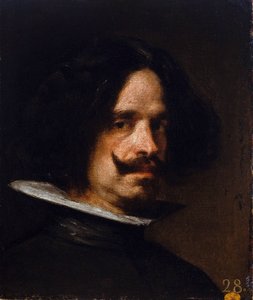
Diego Velázquez: Der Meister des Lichts und Schattens! Seine realistischen Porträts & ikonische Werke wie "Las Meninas" prägen die Kunstgeschichte. Entdecken Sie den Geni des Goldenen Zeitalters Spaniens.
Ein monumentales Zeugnis: El Escorials fortwährendes Erbe
Dramatisch thronend an den Hängen der Sierra de Guadarrama, mit Blick auf die weite Landschaft in Richtung Madrid, erhebt sich das Monasterio de San Lorenzo, besser bekannt als El Escorial. Dies ist nicht bloß ein Gebäude; es ist eine Erfahrung – eine atemberaubende Synthese aus Macht, Frömmigkeit und künstlerischem Ehrgeiz, die das Wesen des Spaniens des 16. Jahrhunderts in sich vereint. Im Jahr 1563 von König Philipp II. in Auftrag gegeben, transzendiert El Escorial seine Funktion als königlicher Palast, Kloster, Bibliothek und Pantheon, um zu einem gewaltigen Symbol spanischer Identität und imperialer Pracht zu werden. Seine imposante Größe, die schlichte Schönheit und die vielschichtige Geschichte laden zur Kontemplation ein und offenbaren das komplespiel zwischen religiösem Eifer, politischer Strategie und künstlerischer Innovation. Der von Philipp II. gewählte Ort – ein rauer, isolierter Punkt fernab der geschäftigen Hauptstadt – war bewusst gewählt; er zeugt von dem Wunsch nach sowohl Abgeschiedenheit als auch Stärke und spiegelt die Ambitionen des Königs wider, Spanien als dominierende Macht in Europa zu etablieren.
Juan de Herrera, der leitende Architekt, überführte diese Vision meisterhaft in die Realität, indem er den innovativen Herrerianischen Stil anwandte – eine ganz eigene spanische Interpretation der Renaissance-Architektur, die durch geometrische Präzision, robuste Granitkonstruktion und zurückhaltende Ornamentik besticht. Dies ist keine prunkvolle Zurschaustellung, sondern ein sorgfältig kalibrierter Ausdruck von Macht durch Einfachheit und Solidität. Der Komplex wurde primär aus Granit errichtet, was ihm eine dauerhafte Stärke und eine subtile, fast klösterliche Qualität verleiht. Beachten Sie den symmetrischen Grundriss – ein bewusster Reflex der Renaissance-Ideale von Ordnung und Rationalität – sowie die emporstrebenden Gewölbedecken, die den Blick gen Himmel lenken. El Escorial diente bis 1586 als Hauptresidenz Philipps II., was von seinem opulenten Design und seiner strategischen Lage zeugt. Es beherbergt zudem das Königliche Pantheon, in dem die Überreste von Karl V., Isabella von Portugal, Philipp II. und seinen Nachfolgern ruhen – eine ergreifende Erinnerung an das dynastische Erbe Spaniens.
Ein Wandteppich der Kunst innerhalb steinerner Mauern
Über seine architektonische Pracht hinaus ist El Escorial ein Depot außergewöhnlicher künstlerischer Schätze, die größtenteils während der Regierungszeit Philipps II. angehäuft wurden. Die Sammlung spiegelt sein Mäzenatentum des spanischen Goldenen Zeitalters wider und zeigt das Talent einiger der berühmtesten Künstler Europas. Die Basilika mit ihren beeindruckenden Altären und religiösen Kunstwerken zieht sofort die Aufmerksamkeit auf sich, während der Königliche Palast Einblicke in den luxuriösen Lebensstil der spanischen Monarchie gewährt. In diesen geheiligten Hallen ist der Einfluss von El Greco in mehreren Werken besonders deutlich spuckbar, was die enge Beziehung des Künstlers zu Philipp II. widerspiegelt. Die dramatische Intensität und spirituelle Tiefe, die für den Stil El Grecos charakteristisch sind, resonieren kraftvoll im Kontext der andächtigen Atmosphäre von El Escorial. Auch Luca Giordano und Claudio Coello trugen maßgeblich zur Dekoration der Basilika und anderer Bereiche des Komplexes bei und demonstrierten ihre Meisterschaft in Farbe und Komposition. Eines der eindrucksvollsten Stücke ist vielleicht José de Riberas
Martyrium des Heiligen Laurentius
, ein barockes Meisterwerk, das die Intensität und den Pathos religiöser Märtyrer mit seinen satten Farben und seiner dynamischen Bewegung einfängt.
Die Bibliothek: Ein Heiligtum des Wissens
Als Juwel innerhalb des Komplexes stellt die Königliche Bibliothek einen atemberaubenden Raum dar, der mit Büchern und Manuskripten aus der Renaissance gefüllt ist. Das von Pellegrino Tibaldi bemalte Gewölbe zeigt die sieben freien Künste, Theologie und Philosophie – eine visuelle Darstellung der intellektuellen Bestrebungen Philipps II. und seines Wunsches, El Escorial als Zentrum der Gelehrsamkeit zu etablieren. Dies war nicht bloß eine Sammlung von Texten; es war ein sorgfältig kuratiertes Wissensdepot, das darauf abzielte, die religiösen und politischen Ziele des spanischen Imperiums zu unterstützen. Die Bibliothek steht als Zeugnis für die Macht der Ideen und die dauerhafte Bedeutung der Wissenschaft und bietet einen Blick in die intellektuelle Welt des Spaniens des 16. Jahrhunderts. Das schiere Ausmaß der Sammlung, kombiniert mit der exquisiten Kunstfertigkeit der Decke, schafft eine Atmosphäre der Ehrfurcht und inspiriert jeden, der sie betritt.
Echos der Geschichte: Die Verwirklichung von Philipp II.s Vision
Die Geschichte von El Escorial ist untrennbar mit dem Leben und der Herrschaft von König Philipp II. verbunden, einer komplexen Figur, die sowohl Frömmigkeit als auch Unerbittlichkeit verkörperte. Der Bau des Komplexes wurde 1563 als Gedenken an Spaniens Sieg in der Schlacht von Saint-Quentin initiiert und diente zugleich als zukünftiges königliches Mausoleum – ein greifbarer Ausdruck seines Wunsches, sein Vermächtnis zu sichern und die Kontinuität der Habsburgermonarchie zu gewährleisten. Die Gründung des Klosters als Hieronymiten-Gemeinschaft fügte seinem Zweck eine weitere Ebene hinzu, indem sie eine Tradition des Gebets und der Gelehrsamkeit neben den königlichen Funktionen förderte. Über zwei Jahrzehnte lang arbeiteten tausende von Menschen – Kunsthandwerker, Steinmetze und Arbeiter – unermüdlich daran, die Vision Philipps II. zum Leben zu erwecken. Das Projekt war nicht ohne Herausforderungen; Verzögerungen waren an der Tagesordnung und die Kosten waren immens. Dennoch steht es als Zeugnis für die Entschlossenheit des Königs und seinen Glauben an die Macht der Architektur, sowohl die Realität als auch die Wahrnehmung zu formen.
Ein einzigartiges Erbe: Mehr als nur ein Gebäude
Was El Escorial wirklich auszeichnet, ist seine facettenreiche Natur – eine seltene Kombination aus königlichem Palast, Kloster, Bibliothek und Pantheon, vereint in einem einzigen, monumentalen Komplex. Der Herrerianische Stil mit seinem Fokus auf geometrische Formen und zurückhaltende Ornamentik ist zudem ein markantes Merkmal der spanischen Renaissance-Architektur, das außerhalb Spaniens selten zu finden ist. Über seine architektonische und künstlerische Bedeutung hinaus repräsentiert El Escorial einen entscheidenden Moment in der spanischen Geschichte – ein Symbol für imperialen Ehrgeiz, religiösen Eifer und die dauerhafte Macht königlichen Mäzenatentums. Ein Besuch in El Escorial bietet die unvergleichliche Gelegenheit, in der Zeit zurückzureisen und in die Pracht und Komplexität des Spaniens des 16. Jahrhunderts einzutauchen. Es ist ein Ort, an dem Kunst, Geschichte und Architektur zusammenkommen, um ein wahrhaft unvergessliches Erlebnis zu schaffen – ein Monument, das Jahrhunderte nach seiner Fertigstellung weiterhin Ehrfurcht und Staunen hervorruft.
Vom OriginalUniqueArt.com Redaktionsteam
Kunst-Quiz
Jede Frage hat nur eine richtige Antwort.
Frage 1:
Wie heißt das berühmte Kloster und Schlossanlage?
Frage 2:
Wer hat den Bau von El Escorial geplant?
Frage 3:
Welche Art von Architektur prägte El Escorial?
Frage 4:
Wie hoch ist die durchschnittliche Höhe des Gemeindegebietes?
Frage 5:
Welche Pflanzensorten finden sich im Abantos Wald?
Entdecken Sie die 25 Meisterwerke des Museo del Prado! Von Velázquez bis Goya – Kunstgeschichte, Techniken & Geschichten berühmter Gemälde. Finden Sie hochwertige Reproduktionen für Ihr Zuhause auf OriginalUniqueArt.com.
Entdecken Sie die 25 bedeutendsten Meisterwerke von El Greco! Erleben Sie die spirituelle Tiefe und den dramatischen Stil des griechischen Malers. Hochwertige Kunstdrucke & Inspiration für Ihr Zuhause auf OriginalUniqueArt.com.
Entdecken Sie das faszinierende Werk von El Greco! Erfahren Sie mehr über seine einzigartigen Stilmerkmale, den Manierismus und sein spirituelles Vermächtnis. Expertenwissen zur Renaissance-Malerei.
OStudio-AssistentOnline · antwortet innerhalb einer Minute
Hallo! Ich kann Ihnen dabei helfen, ein Kunstwerk auszuwählen, eine Bestellung zu verfolgen oder Fragen zur Garantie zu beantworten. Wie kann ich Ihnen heute behilflich sein?