Ein Heiligtum aus Licht und Schatten: Das Vermächtnis El Gregos
Eingebettet in die antiken, labyrinthartigen Mauern von Toledo, Spanien – einer Stadt, die von einer prächtigen Kathedrale gekrönt und von Jahrhunderten tiefgreifender Geschichte durchdrungen ist – liegt die Capilla de San José. Dieses intime Heiligtum übersteigt die bloße Definition eines architektonischen Raumes; es ist eine unvergleichliche künstlerische Pilgerreise. Mehr als nur ein mit Fresken geschmücktes Gebäude, verkörpert diese Kapelle den einzigartigen, visionären Geist von Domenikos Theotokopoulos, der weltweit als El Greco bekannt ist. Ein Schritt hinein bedeutet, die moderne Welt hinter sich zu lassen und das Herz einer spanischen Renaissance-Revolution zu betreten, in der jeder Pinselstrich als Zeugnis eines Künstlers dient, der die europäische Malerei durch seinen dramatischen Farbeinsatz und seine beunruhigende psychologische Tiefe unwiderruflich verändert hat.
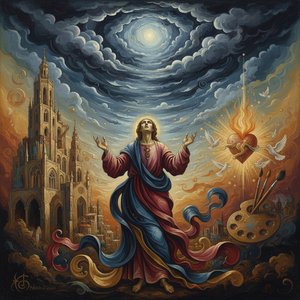
Der Kern der Kapelle wird unbestreitbar durch ihre atemberaubende Sammlung von El Gregos Meisterwerken definiert, Werke, die mit einer viszeralen Intensität pulsieren. Man kann nicht anders, als von der spirituellen Schwere des Christus im Agon am Kreuz , in dem die gequälte Figur die Komposition dominiert, bewegt zu werden – gebadet in einer ätherischen Lumineszenz, die eloquent von Leiden und Erlösung spricht. Diese Meisterschaft des Lichts zeigt sich ebenso deutlich in der Krönung der Jungfrau , einem monumentalen Altarbild, das El Gregos Fähigkeit demonstriert, byzantinische Einflüsse mit dem aufkeimenden Realismus der Renaissance zu verschmelzen. Diese Werke sind nicht bloß statische Bilder; sie sind emotional aufgeladene Erzählungen, die darauf ausgelegt sind, tiefe Kontemplation und Ehrfurcht in allen zu wecken, die sie betrachten.
Architektonische Harmonie und der Geist der Renaissance
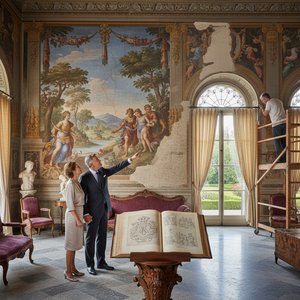
Über die individuelle Brillanz El Gregos hinaus dient die Capilla de San José als exquisites Mikrokosmos der breiteren spanischen Renaissance-Bewegung. In dieser Ära suchten Künstler ein feines Gleichgewicht zwischen der Rückbesinnung auf klassische Ideale und dem Ausdruck intensiven religiösen Eifer – eine Dualität, die in den dekorativen Elementen der Kapelle wunderschön realisiert wird. Die akribische Liebe zum Detail, von der vergoldeten Stuckornamentierung bis hin zu den sorgfältig ausgearbeiteten Gewändern, spiegelt eine tiefe Auseinandersetzung mit humanistischen Prinzipien neben frommer Frömmigkeit wider. Das Innere wird von prächtigen Fresken dominiert, die mühsam in lebendigen Farbtönen ausgeführt wurden, die von innen heraus zu leuchten scheinen und eine Atmosphäre schaffen, in der das Göttliche greifbar präsent wirkt.
Die Architektur selbst priorisiert die Schaffung einer Umgebung, die zur künstlerischen und spirituellen Betrachtung einlädt. Während die präzisen historischen Architekturpläne schwer fassbar bleiben, sind die Proportionen und die Ausrichtung der Kapelle eindeutig eine bewusste Entscheidung, um das Erlebnis des Betrachters gegenüber dem Kunstwerk zu intensivieren. Das Altarbild, ein komplexes skulpturales Ensemble, zieht die Aufmerksamkeit mit seinen komplizierten Schnitzereien und symbolischen Darstellungen auf sich und demonstriert El Gregos außergewöhnliches Geschick als Maler und Gestalter zugleich. Er besaß die seltene Fähigkeit, vielfältige visuelle Elemente zu einem einzigen, harmonischen Ganzen zu orchestrieren, in dem Skulptur, Malerei und Raum miteinander verschmelzen.
Ein zeitloses Ziel für das geschulte Auge
Die Geschichte der Capilla de San José ist untrennbar mit El Gregos prägenden Jahren in Toledo verbunden. Als er um 1577 nach Spanien kam, angezogen von der Schirmherrschaft adliger Familien und den künstlerischen Ambitionen der Kathedrale, fand El Greco in dieser Kapelle ein Projekt, das seinen Ruf als einer der bedeutendsten Künstler seiner Zeit festigen sollte. Im Laufe ihrer Geschichte diente die Kapelle auch als Ort für bedeutende wissenschaftliche Ausstellungen, bei denen jüngste Studien neue Perspektiven auf El Gregos Techniken beleuchtet und seine Verbindungen zu den breiteren intellektuellen Strömungen der Renaissance erforscht haben.
Was die Capilla de San José von anderen Museen unterscheidet, ist ihre unvergleichliche Konzentration an Meisterwerken El Gregos. Sie bietet ein seltenes Privileg: die Möglichkeit, in die stilistische Entwicklung des Künstlers einzutauchen und den tiefgreifenden Einfluss zu begreifen, den er auf den Verlauf der europäischen Kunstgeschichte ausgeübt hat. Für den Kunstliebhaber, den Sammler oder den Innenarchitekten, der Inspiration im Erhabenen sucht, ist diese Kapelle nicht nur ein Ort, um Gemälde zu sehen; es ist ein Ort, um sich von einem visionären Geist umhüllt zu fühlen, der die moderne Vorstellungskraft bis heute heimsucht und inspiriert.