


1


Aktualisiert am Oktober 2026 · sortiert nach unserem Popularitätsindex (Suchanfragen, Aufrufe und Bestellungen für jedes Werk) · 99 Werke von Yi Eungro in unserem Katalog
Kurz gesagt
Aus Sicht der Galerie ist Yi Eungros berühmtestes Gemälde Untitled (1969), dessen Original im Lee Ungno Museum in Daegu hängt. Composition (1970) und Composition (1970) vervollständigen das Trio, das jedes Auge sofort wiederkennt. Von den 99 Werken von Yi Eungro in unserem Katalog präsentiert die Galerie unten die 99 berühmtesten; jedes Original mit seinem Entstehungsjahr, seinem Museum und dem, was es so einzigartig macht.


Dieses fesselnde Werk schöpft seine reiche thematische Quelle aus der Die Reisen des Marco Polo Serie, einem monumentalen Werkkomplex, der vom meisterhaften koreanisch-französischen Künstler Yi Eungro entworfen wurde. Weit über eine bloße Darstellung hinaus fungiert dieses Gemälde als visuelles Memoir – eine traumhafte Kartografie einer unbekannten Welt, betrachtet durch die anspruchsvolle Linse ostasiatischer Perspektiven, die auf europäische Neugier treffen. Das eigentliche Wesen dieser Serie spricht vom kulturellen Austausch und dem…

In den evokativen Tiefen der Die Reisen des Marco Polo Serie begegnen wir einer Welt, in der die Grenzen zwischen historischer Chronik und persönlicher Traumlandschaft verschwimmen. Dieses besondere Werk, geschaffen vom Meister Lee Ungno im Jahr 1980, dient als Fenster zu einer verlorenen Erzählung – ein Fragment einer grandiosen, aus fünfundsiebzig Gemälden bestehenden Odyssee, die für ein nie veröffentlichtes Buch gedacht war. Dieses Gefühl einer „ungesehenen Geschichte“ verleiht dem Werk…
 Die Reisen des Marco Polo Serie1980 · Lee Ungno Museum
12
 Die Reisen Marco Polos Serie1980 · Lee Ungno Museum
13
 The travels of Marco Polo Series1980 · Lee Ungno Museum
14
 Komposition1970 · Lee Ungno Museum
15
 Die Reisen Marco Polos Serie1980 · Lee Ungno Museum
16
 Mask1985 · Lee Ungno Museum
17
 Composition1961 · Lee Ungno Museum
18
 Totem1966 · Lee Ungno Museum
19
 Composition1964 · Lee Ungno Museum
20
 Face1964 · Lee Ungno Museum
21
 Totem1964 · Lee Ungno Museum
22
 Composition1962 · Lee Ungno Museum
23
 Mask1965 · Lee Ungno Museum
24
 Composition1962 · Lee Ungno Museum
25
 Self-portrait1968 · Lee Ungno Museum
26
 People1967 · Lee Ungno Museum
27
 Composition1968 · Lee Ungno Museum
28
 Self-portrait1968 · Lee Ungno Museum
29
 Composition1970 · Lee Ungno Museum
30
 Composition1973 · Lee Ungno Museum
31
 Composition1971 · Lee Ungno Museum
32
 Composition1973 · Lee Ungno Museum
33
 Bamboo1976 · Lee Ungno Museum
34
 I Ching 64 Hexagrams Sequence(火天大有)1974 · Lee Ungno Museum
35
 I-ching-64-hexagrams (All)1974 · Lee Ungno Museum
36
 I Ching 64 Hexagrams Sequence (重澤兌)1974 · Lee Ungno Museum
37
 I Ching 64 Hexagrams Sequence (水澤節)1974 · Lee Ungno Museum
38
 I Ching 64 Hexagrams Sequence(重水坎)1974 · Lee Ungno Museum
39
 I Ching 64 Hexagrams Sequence (風山漸)1974 · Lee Ungno Museum
40
 I Ching 64 Hexagrams Sequence(火澤暌)1974 · Lee Ungno Museum
41
 I Ching 64 Hexagrams Sequence(雷天大壯)1974 · Lee Ungno Museum
42
 I Ching 64 Hexagrams Sequence(天水訟)1974 · Lee Ungno Museum
43
 I Ching 64 Hexagrams Sequence(風雷益)1974 · Lee Ungno Museum
44
 I Ching 64 Hexagrams Sequence(重火離)1974 · Lee Ungno Museum
45
 I Ching 64 Hexagrams Sequence(地水師)1974 · Lee Ungno Museum
46
 I Ching 64 Hexagrams Sequence(地火明夷)1974 · Lee Ungno Museum
47
 I Ching 64 Hexagrams Sequence (雷山小過)1974 · Lee Ungno Museum
48
 I Ching 64 Hexagrams Sequence(水山蹇)1974 · Lee Ungno Museum
49
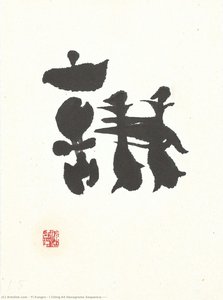 I Ching 64 Hexagrams Sequence(地山謙)1974 · Lee Ungno Museum
50
 I Ching 64 Hexagrams Sequence(天澤履)1974 · Lee Ungno Museum
51
 I Ching 64 Hexagrams Sequence (水火旣濟)1974 · Lee Ungno Museum
52
 I Ching 64 Hexagrams Sequence(風地觀)1974 · Lee Ungno Museum
53
 I Ching 64 Hexagrams Sequence(澤水困)1974 · Lee Ungno Museum
54
 Composition1974 · Lee Ungno Museum
55
 I Ching 64 Hexagrams Sequence(山地剝)1974 · Lee Ungno Museum
56
 I Ching 64 Hexagrams Sequence (風水渙)1974 · Lee Ungno Museum
57
 I Ching 64 Hexagrams Sequence(重地坤)1974 · Lee Ungno Museum
58
 I Ching 64 Hexagrams Sequence(雷風恒)1974 · Lee Ungno Museum
59
 I Ching 64 Hexagrams Sequence(地雷復)1974 · Lee Ungno Museum
60
 I Ching 64 Hexagrams Sequence(重天乾)1974 · Lee Ungno Museum
61
 I Ching 64 Hexagrams Sequence(雷地豫)1974 · Lee Ungno Museum
62
 City1974 · Lee Ungno Museum
63
 Composition1974 · Lee Ungno Museum
64
 Composition1974 · Lee Ungno Museum
65
 Composition1976 · Lee Ungno Museum
66
 People1979 · Lee Ungno Museum
67
 People1979 · Lee Ungno Museum
68
 People1979 · Lee Ungno Museum
69
 Composition1980 · Lee Ungno Museum
70
 Composition1980 · Lee Ungno Museum
71
 People1979 · Lee Ungno Museum
72
 People1980 · Lee Ungno Museum
73
 People1980 · Lee Ungno Museum
74
 Composition1980 · Lee Ungno Museum
75
 Composition1980 · Lee Ungno Museum
76
 Composition1980 · Lee Ungno Museum
77
 Die Reisen des Marco Polo Zyklus1980 · Lee Ungno Museum
78
 People1981 · Lee Ungno Museum
79
 People1981 · Lee Ungno Museum
80
 People1981 · Lee Ungno Museum
81
 Composition1981 · Lee Ungno Museum
82
 Hyangwonjeong1982 · Lee Ungno Museum
83
 Untitled1985 · Lee Ungno Museum
84
 Composition1984 · Lee Ungno Museum
85
 People1989 · Lee Ungno Museum
86
 Komposition1964 · Lee Ungno Museum
87
 Menschen1985 · Lee Ungno Museum
88
 The travels of Marco Polo Series1980 · Lee Ungno Museum
89
 The travels of Marco Polo Series1980 · Lee Ungno Museum
90
 The travels of Marco Polo Series1980 · Lee Ungno Museum
91
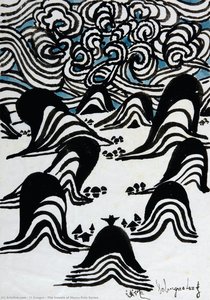 The travels of Marco Polo Series1980 · Lee Ungno Museum
92
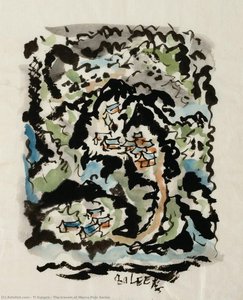 The travels of Marco Polo Series1980 · Lee Ungno Museum
93
 UntitledLee Ungno Museum
94
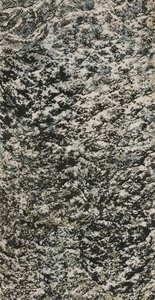 UntitledLee Ungno Museum
95
 Landscape1950 · Lee Ungno Museum
96
 Composition1978 · Lee Ungno Museum
97
 People1986 · Lee Ungno Museum
98
 Composition1972 · Lee Ungno Museum
99
 Composition1977 · Lee Ungno Museum
Die vier Motive, die in diesen Originalen am häufigsten vorkommen, jeweils mit ihrem herausragendsten Beispiel.
Das Museum, in dem sich die meisten der auf dieser Seite aufgeführten Gemälde befinden.
| Museum | Stadt | Werke von Yi Eungro | Gemälde aus dieser Liste |
|---|---|---|---|
 Lee Ungno Museum |
Daegu | 99 | Untitled, Composition, Composition |
Wählen Sie ein Jahrzehnt aus, um das Original zu sehen, das es definiert.

This painting is an early example that captures Ungno’s major step into abstract art. Although it is still suggestive of specific forms such as tree branches and leaves, the painting shows the artist’s inclination to a rather subjective interpretation of natural forms, which signalled the succeeding phase of his career in which he represented the feelings aroused by an object. In this work, Ungno abbreviated forms with his dynamic brushstrokes…
Dieses fesselnde Werk schöpft seine reiche thematische Quelle aus der Die Reisen des Marco Polo Serie, einem monumentalen Werkkomplex, der vom meisterhaften koreanisch-französischen Künstler Yi Eungro entworfen wurde. Weit über eine bloße Darstellung hinaus fungiert dieses Gemälde als visuelles Memoir – eine traumhafte Kartografie einer unbekannten Welt, betrachtet durch die anspruchsvolle Linse ostasiatischer Perspektiven, die auf europäische Neugier treffen. Das eigentliche Wesen dieser Serie spricht vom kulturellen Austausch und dem…
Untitled (1969), Lee Ungno Museum, Daegu. Als Nächstes folgen Composition (1970) und Composition (1970).
65 Jahre alt: Untitled stammt aus dem Jahr 1969, und Yi Eungro wurde in 1904 geboren.
Untitled, Composition, Composition, I Ching 64 Hexagrams Sequence(山風蠱), I Ching 64 Hexagrams Sequence(澤風大過), I Ching 64 Hexagrams Sequence (火風鼎), Untitled, People, Die Reisen des Marco Polo Serie und Die Reisen des Marco Polo Serie. Die obige Rangliste gibt das jeweilige Jahr und das Museum an.
Unser Katalog umfasst 99 Werke von Yi Eungro, datiert von 1950 bis 1989.
Meistens in Lee Ungno Museum (Daegu). Die obige Museumstabelle listet alle auf.
In 1970s: 52 der 99 Werke auf dieser Seite wurden damals geschaffen, darunter Composition.
Auf dieser Seite ist das früheste Werk aus Landscape (1950) und das neueste aus People (1989).
Korean art (6), Abstract forms (5) und Geometric forms (4), verteilt auf die 99 Werke auf dieser Seite.
Acryl auf Leinwand, für 3 von insgesamt 99 Werken auf dieser Seite.
Abstrakter expressionismus, wenn man die Originale auf dieser Seite beurteilt.
Untitled, Composition und Composition: Das Lee Ungno Museum, Daegu beherbergt 99 der Werke auf dieser Seite.
