
 Vorschau anzeigen
 Versenden
 Teilen
 Details anzeigen
 Leitfaden

 Herunterladen
 Ähnliche Objekte
 Röntgenaufnahme
 Diashow
 Fragen & Antworten
 Statistiken
Nymph

- 182.0 x 62.0 cm


 Weiterlesen
Erhalten Sie eine druckfertige Datei, die weit über die Web-Vorschau hinausgeht. Jedes von uns verkaufte digitale Bild basiert auf einem hochauflösenden Master aus unserer Datenbank – in der Regel 5.000 bis 15.000 Pixel breit –, sodass Sie mit Vertrauen großformatig drucken, eng ausschneiden oder feinste Details reproduzieren können.
Keine Datei verlässt unser Studio unberührt. Ein Digitalexperte gleicht die Farben mit dem Originalgemälde ab und korrigiert sie bei Bedarf, um anschließend Klarheit und Details mit professionellen Retuschewerkzeugen zu optimieren – dabei stets der Pinselführung und dem Stil des Künstlers treu bleibend. Das Ergebnis ist ein Bild, das wie das Gemälde selbst wirkt und nicht wie ein gefilterter Scan.
Sie entscheiden über das Endergebnis: Unser Experte sendet Ihnen das Bild innerhalb von 72 Stunden zur Ansicht per E-Mail zu. Nicht zufrieden? Fordern Sie Verbesserungen oder Korrekturen an oder verlangen Sie eine Rückerstattung, falls die Qualität nicht Ihren Erwartungen entspricht.
Dies ist die Qualität, auf die sich Verlage, Designstudios, Galerien und Druckereien verlassen.
Digitales Kunstwerk
Laden Sie eine hochauflösende Datei für die persönliche Präsentation, den Druck und kreative Projekte herunter. ( Zum Druck wechseln Handgemalte Reproduktion bestellen)
In jeder Bestellung digitaler Bilder enthalten
Professionelle digitale Bereitstellung, garantiert
Wenn Sie sich für OriginalUniqueArt.com entscheiden, erhalten Sie nicht nur ein Bild – Sie erhalten ein professionell aufbereitetes digitales Kunstwerk, das mit höchster Präzision erstellt und durch eine Zufriedenheitsgarantie abgesichert wird. Hier ist alles, was automatisch mit Ihrer Bestellung geliefert wird:

Schnelle E-Mail-Zustellung
Ihre hochauflösende digitale Bilddatei wird Ihnen innerhalb von 72 Stunden nach der Bestellung per E-Mail zugestellt – bereit zur sofortigen Verwendung.

KI-optimierte digitale Datei
Ihre Kunstwerke werden professionell mithilfe fortschrittlicher KI-Tools und manueller Bearbeitung optimiert, um maximale Detailtreue, Klarheit und Farbgenauigkeit zu gewährleisten.

Kostenloser lebenslanger Neudruckservice
Datei versehentlich gelöscht oder verloren? Keine Sorge – wir senden sie Ihnen jederzeit kostenlos erneut zu.

Keine Einfuhrgebühren – jemals
Genießen Sie Ihr Kunstwerk sofort ohne Zollgebühren, Einfuhrabgaben oder Versandkosten – digitale Downloads sind immer steuerfrei.

Garantierte Farbtreue
Wir garantieren, dass Ihr digitales Bild mithilfe professioneller Werkzeuge und Farbmanagement die Originalfarben so präzise wie möglich wiedergibt.

100-Tage-Zufriedenheitsgarantie
Sollten Sie mit Ihrem digitalen Bild nicht zufrieden sein, werden wir es überarbeiten oder 100% innerhalb von 100 Tagen erstatten – ohne Wenn und Aber.

100% Geld-zurück-Garantie
Nicht zufrieden? Erhalten Sie innerhalb von 100 Tagen nach Erhalt Ihrer digitalen Datei eine vollständige Rückerstattung – ohne Wenn und Aber.

Rabatte bei Großbestellungen
3 Bilder kaufen, 10% sparen – 5 Bilder kaufen, 15% sparen – Ab 10 Bildern 20% sparen. Ideal für kreative Projekte, Galerien und Agenturen.
Fragen & Antworten
Woher kommen die Besucher von "Nymph" von Zheko Spiridonov?
Auf der Besucherzahlen-Seite des Kunstwerks finden Sie Statistiken zu "Nymph" von Zheko Spiridonov: monatliche Aufrufe des Kunstwerks, Aufrufe der Werke des Künstlers sowie eine Aufschlüsselung der jüngsten Besucher nach Land und Sprache.
Ist "Nymph" im Heimatland seines Künstlers verblieben?
Nein – das Kunstwerk wird im Ausland aufbewahrt. Zheko Spiridonov wurde in Bulgarien geboren, während sich das Museum, das das Original von „Nymph“ beherbergt, in Bulgaria befindet.
Kann ich eine Röntgenaufnahme von "Nymph" von Zheko Spiridonov sehen?
Die Röntgenansicht von "Nymph" von Zheko Spiridonov finden Sie auf der Röntgenblick-Seite des Kunstwerks: eine interaktive Untersuchung des Bildes durch elf optische Schichten.
Biografie des Künstlers
Zheko Spiridonov: Ein Pionier des bulgarischen Neoklassizismus
Zheko Spiridonov (1867–1945) gilt als eine zentrale Gestalt der aufstrebenden Kunstszene im Bulgarien der Nachbefreiungszeit – ein Bildhauer, dessen Werk die Brücke zwischen europäischen akademischen Traditionen und der erwachenden nationalen Identität seines Landes schlug. Geboren in Schumen, Bulgarien, war Spiridonovs Weg zum künstlerischen Ruhm geprägt von strenger Ausbildung und einer tiefen Hingabe sowohl an klassische Formen als auch an die Darstellung der bulgarischen Geschichte und Kultur. Seine Karriere entfaltete sich vor dem Hintergrund bedeutender sozialer und politischer Umbrüche, die ihn zu einem der bedeutendsten Bildhauer seiner Ära formten. Die künstlerische Grundlegung von Spiridonov begann an der Keramikschule in Bechyně, Tschechien – eine strategische Entscheidung des Bildungsministeriums, um ihn mit europäischen künstlerischen Praktiken vertraut zu machen. Diese erste Begegnung erwies sich als unschätzbar wertvoll, da sie ihm ein Fundament technischer Fertigkeiten und ein Verständnis für klassische Modellierungstechniken verlieh. Seine wahre künstlerische Entfaltung beschleunigte sich jedoch durch das anschließende Studium an der Münchner Akademie der Bildenden Künste, wo er mit einer Silbermedaille abschloss – ein Zeugnis seines wachsenden Talents und seiner Treue zu den strengen Standards der akademischen Schule. Der Einfluss Münchens ist in seinem späteren Werk unverkennbar; Spiridonov nahm den in der Stadt vorherrschenden neoklassizistischen Stil an, der durch die Betonung idealisierter Formen, präziser Details und ein Gefühl würdevoller Zurückhaltung gekennzeichnet war. Diese stilistische Wahl spiegelte sowohl das bewusste Bestreben wider, etablierte europäische Meister zu emulieren, als auch den Wunsch, der bulgarischen Bildhauerei eine Aura von Autorität und Zeitlosigkeit einzuhauchen. Nach seinem Abschluss kehrte Spiridonov nach Bulgarien zurück und stieg schnell in einflussreiche Positionen innerhalb der sich entwickelnden Kunstlandschaft des Landes auf. Er wurde einer der ersten Dozenten und Professoren an der neu gegründeten Staatlichen Zeichenschule in Sofia (der späteren Nationalen Akademie der Künste), eine Rolle, die er zu drei verschiedenen Zeitpunkten innehatte und mit der er sein Engagement für die Förderung künftiger Künstlergenerationen unter Beweis stellte. Über seine Lehrtätigkeit hinaus zeichnete sich Spiridonov durch eine Reihe bedeutender Aufträge aus – allen voran die Schaffung repräsentativer Tafelporträts im Geiste des Münchner Akademismus. Diese Porträts, die oft Anführer der Nationalen Wiedergeburt und revolutionäre Figuren darstellten, dienten als kraftvolle visuelle Erzählungen der historischen Entwicklung Bulgariens. Er schuf zudem eine Galerie von Büstenmonumenten zu Ehren zentraler Persönlichkeiten der Epoche der Nationalen Wiedergeburt und festigte so seinen Ruf als ein Bildhauer, der tief in der Gestaltung der bulgarischen kulturellen Identität verwurzelt war. Bemerkenswert ist, dass Spiridonov zu den ersten bulgarischen Bildhauern gehörte, die sich an der Darstellung von Akten im neoklassizistischen Stil versagten – ein mutiger Schritt, der die vorherrschenden künstlerischen Konventionen herausforderte und einen Wandel hin zu größerem Realismus und Humanismus in der bulgarischen Bildhauerei signalisierte.Frühe Einflüsse und künstlerischer Stil
Spiridonovs künstlerische Entwicklung lässt sich auf mehrere entscheidende Einflüsse zurückführen. Die Münchner Akademie vermittelte ihm die technischen Fähigkeiten und die formale Ausbildung, die für die Beherrschung klassischer Bildhauertechniken unerlässlich waren. Gleichzeitig prägte ihn die Begegnung mit der tschechischen Keramik, die in ihm eine Wertschätzung für Handwerkskunst und Detailgenauigkeit weckte. Darüber hinaus war er tief vom vorherrschendem neoklassizistischen Stil des 19. Jahrhunderts beeinflusst, der durch idealisierte Formen, ausgewogene Kompositionen und ein Gefühl von Zeitlosigkeit charakterisiert war. Diese stilistische Entscheidung zeigt sich in vielen seiner Werke, insbesondere in seinen Porträts und Büstenmonumenten, die ihre Motive oft mit einer Aura würdevoller Feierlichkeit und klassischer Schönheit darstellen. Sein Werk beweist eine bemerkenswerte Fähigkeit, das Wesen seiner Subjekte einzufangen und dabei gleichzeitig die Prinzipien der neoklassizistischen Bildhauerei zu wahren.Hauptwerke und historische Bedeutung
Das künstlerische Schaffen von Spiridonov umfasst ein vielfältiges Spektrum an Projekten, von denen jedes zur Evolution der bulgarischen Bildhauerei beitrug. Seine Porträts, insbesondere jene, die Persönlichkeiten aus der Zeit der Nationalen Wiedergeburt zeigen, gelten als Meisterwerke ihres Genres. Diese Arbeiten fangen nicht nur die Ähnlichkeit historischer Figuren ein, sondern vermitteln auch deren Persönlichkeiten und Ideale mit bemerkenswertem Geschick. Die von ihm geschaffenen Büstenmonumente – zu Ehren von Revolutionären, Intellektuellen und kulturellen Führern – spielten eine entscheidende Rolle bei der Formung des kollektiven Gedächtnisses Bulgariens und der Feier seines nationalen Erbes. Besonders hervorzuheben ist seine Arbeit am Denkmal für Vasil Levski in Karlovo, das den Geist des bulgarischen Widerstands und der Opferbereitschaft verkörpert. Jenseits dieser monumentalen Werke stellten Spiridonovs frühe Aktdarstellungen, die mit einer Sensibilität ausgeführt wurden, wie man sie in der zeitgenössischen Bildhauerei selten findet, einen bedeutenden Schritt nach vorn für die bulgarische Kunst dar und zeigten seine Bereitschaft, künstlerische Konventionen zu hinterfragen und neue Ausdruckswege zu erkunden.Vermächtnis und bleibende Wirkung
Der Beitrag Zheko Spiridonovs zur bulgarischen Kunst ist tiefgreifend und dauerhaft. Er spielte eine entscheidende Rolle beim Aufbau der Grundlagen der modernen Bildhauerei im Bulgarien der Nachbefreiungszeit, indem er europäische akademische Traditionen einführte und gleichzeitig eine ganz eigene bulgarische künstlerische Stimme formte. Sein Einfluss reichte weit über seine eigenen Schöpfungen hinaus; als Mentor für Generationen von Künstlern an der Nationalen Akademie der Künste prägte er den Kurs der bulgarischen Bildhauerei über Jahrzehnte hinweg. Sein Werk wird auch heute noch studiert und bewundert und dient als Zeugnis seines Könnens, seiner Vision und seiner Hingabe an die Kunst des Bildhauerns. Er bleibt eine Schlüsselfigur für das Verständnis der Entwicklung der bulgarischen künstlerischen Identität in einer Zeit bedeutender sozialer und politischer Transformation. Sein Vermächtnis ist untrennbar mit dem Bestreben der Nation verbunden, sich durch Kunst und Kultur zu definieren.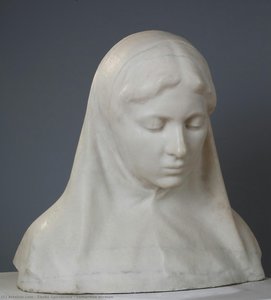
Zheko Spiridonov
1867 - 1945 , Bulgarien
Auf einen Blick
- Artistic Movement Or Style: Neoklassizismus, Akademismus
- Artists Or Movements Influenced By This Artist:
- Münchner Akademische Schule
- Bulgarische Nationalwiedergeburt
- Artists Who Influenced This Artist:
- Münchner Akademie
- Zahari Zograf
- Date Of Birth: 1867
- Date Of Death: 1945
- Full Name: Zheko Spiridonov
- Nationality: Bulgarisch
- Notable Artworks:
- Die samaritanische Frau
- Porträt von James Bourchier
- Place Of Birth: Bulgarien