

 In echtem Maßstab anzeigen
 Versenden als Grußkarte
 Teilen
 Details anzeigen
 Leitfaden öffnen

 Herunterladen
 Ähnliche Objekte
 Röntgenaufnahme
 Diashow
 Besucherstatistiken
The Wounded Hound


 Mehr anzeigen
Giclée / Kunstdruck
Giclée- oder Leinwanddruck in Museumsqualität mit schneller Produktion und flexiblen Veredelungsoptionen. ( Handgemalte Reproduktion kaufen Zum digitalen Bild wechseln)




P118B €10

P118H €10

P118W €10

P438Z €10

P508JH €12

P508YH €12

P805H €10

P805Z €10

P919BZ €10

P919G €10

P919XJ €10

P959ZH €10

P968JZ €12

W106C €8

W218G €10

W218JH €8

W218Y €10

W307PJ €10

W316G €10

W316PJ €8

W316Y €10

W398PJ €8

W4111J €10

W500HY €15

W500JH €15

W692G €12

W849H €8

W940BG €15

W953PJ €8




Wählen Sie aus unseren vordefinierten Formaten, die den ursprünglichen Proportionen des Kunstwerks entsprechen.

Geben Sie die Breite und die Höhe an, die Sie benötigen, damit der Druck perfekt in Ihren Rahmen oder an Ihre Wand passt. Ein Druck kann nur beschnitten werden und niemals größer als das Originalbild gemacht werden; daher verliert ein Format mit einer anderen Proportion einen Teil des Bildes. Wir senden Ihnen ein digitales Mockup zur Freigabe, bevor wir den Druck ausführen. Das auf dieser Seite gezeigte Bild zeigt nicht den tatsächlichen Beschnitt – dies ist nur im Mockup ersichtlich.
Weltweiter Versand () innerhalb von 2 Wochen statt der üblichen 4/5 Wochen. (24 Oktober)

Kostenloser weltweiter Expressversand

Hochwertige Leinenleinwand

Vollständiger Versicherungsschutz beim Versand

Zollgebühren-Rückerstattungsgarantie

Garantie für exakte Farbtreue

100-tägiges Rückgaberecht (nur bei Mängeln)

100% Geld-zurück-Garantie

Angebot für Mengenrabatt
 Die Glasoption ist nur für Größen unter 110 cm verfügbar.

The Wounded Hound
Giclée / Kunstdruck
Format der Reproduktion
-


Gesamtpreis
€ 70
William Tylee Ranney: A Pioneer of American Genre
William Tylee Ranney (1813-1857) stands as an unexpectedly significant figure in the annals of 19th-century American art. He wasn’t nurtured by the gilded halls of European academies or propelled forward by established artistic lineages; rather, his artistic journey unfolded organically within the burgeoning spirit of a nation aggressively expanding westward—a landscape profoundly shaped by frontier encounters and evolving perceptions of the American experience. His formative years, spent relocating to Fayetteville, North Carolina, at age thirteen to reside with an uncle, witnessed him apprenticed as a tinsmith – a practical trade that instilled in Ranney a grounded sensibility and meticulous attention to detail, qualities which would subsequently become hallmarks of his distinctive artistic style. This period of craftsmanship honed observational skills and fostered a deep understanding of textures and forms inherent in everyday life—a foundation upon which he built his celebrated oeuvre. The irresistible pull of artistry ultimately superseded pragmatic considerations, leading him to Brooklyn in 183- Early Life & Apprenticeship: Ranney’s formative years instilled in him a keen eye for observation and craftsmanship honed through an apprenticeship as a tinsmith. This grounding experience profoundly influenced his artistic sensibilities.
- Brooklyn Residence: Moving to Brooklyn solidified Ranney's commitment to art, establishing him within a vibrant artistic milieu characterized by experimentation and innovation.
The Wounded Hound: A Portrait of Resilience “The Wounded Hound” exemplifies Ranney’s masterful command of American genre painting—a movement that sought to depict scenes from daily life with unflinching realism, capturing the essence of the era's social and psychological landscape. Executed in 1850, this oil on canvas portrays a man and woman seated upon a horse, accompanied by several dogs – notably one exhibiting visible signs of injury or demise. The composition is deliberately austere, prioritizing clarity of form and tonal harmony over elaborate ornamentation. Ranney’s technique—characterized by smooth brushstrokes and subtle gradations of color—creates an atmosphere of contemplative solemnity, reflecting the profound impact of wartime suffering on the human spirit.
Symbolism & Narrative Depth Beyond its surface depiction, “The Wounded Hound” resonates with symbolic significance rooted in the broader context of mid-century American culture. The horse represents strength and nobility—a cornerstone of the frontier ethos—while the dogs embody loyalty and companionship. However, the presence of a deceased canine serves as a poignant reminder of mortality and vulnerability—themes prevalent throughout Ranney’s artistic explorations. The inclusion of birds adds an element of serenity to the scene, juxtaposed against the palpable sorrow conveyed by the central figures.
Historical Context & Influence Ranney's work emerged during a period of intense national introspection following the Civil War—a time marked by profound social upheaval and a yearning for artistic expression that mirrored the anxieties and aspirations of the era. His stylistic innovations—particularly his embrace of tonal realism—anticipated developments in Impressionism, establishing him as a precursor to this transformative movement. “The Wounded Hound” stands as testament to Ranney’s ability to distill complex emotions into visual form—a feat achieved through meticulous observation and unwavering dedication to artistic integrity.
Virginia Museum of Fine Arts Acquisition “The Wounded Hound” resides within the Virginia Museum of Fine Arts collection, where it continues to inspire viewers with its evocative portrayal of human resilience amidst adversity. Its accession number is 2002.538 and was created in 1850. The painting’s provenance underscores its enduring artistic merit—a legacy solidified by scholarly research and meticulous documentation.
Fragen & Antworten
Ist ein Download für "The Wounded Hound" verfügbar?
"The Wounded Hound" von William Tylee Ranney kann auf der Download-Seite des Kunstwerks als ein hochauflösender digitaler Bild-Download heruntergeladen werden.
Ist "The Wounded Hound" von William Tylee Ranney gemeinfrei?
Die urheberrechtliche Situation für "The Wounded Hound" von William Tylee Ranney: Das Werk ist gemeinfrei – das Urheberrecht ist abgelaufen. Dies bestimmt, ob Reproduktionen des Bildes frei erstellt werden dürfen.
Befindet sich "The Wounded Hound" im Land seines Schöpfers?
Ja – das Kunstwerk befindet sich im Heimatland der Künstlerin / des Künstlers. „The Wounded Hound“ befindet sich in Vereinigte Staaten von Amerika, während William Tylee Ranney in Vereinigte Staaten von Amerika geboren wurde.
Biografie des Künstlers
Frühes Leben und Texas-Erfahrung
- Geboren: 9. Mai 1813, Middletown, Connecticut
- Eltern: William Ranney (Seemannskapitän) und Clarissa Ranney
- Zog 1826 nach Fayetteville, North Carolina, um bei seinem Onkel, dem Kaufmann William Nott, zu leben.
- Machte während dieser Zeit eine Lehre als Zinnmacher, was wahrscheinlich seine frühen Skizzenfähigkeiten förderte.
- Um 1833 zog er nach Brooklyn, New York, um Malerei zu studieren.
- Melde sich im März 1836 nach dem Fall der Alamo freiwillig in die Texas Armee ein und diente unter General Sam Houston.
- Diente neun Monate lang und erlebte Ereignisse, die sein künstlerisches Schaffen maßgeblich beeinflussten. Berichten zufolge bewachte er Santa Anna nach der Schlacht von San Jacinto.
- Kehrte 1837 nach Brooklyn zurück und nahm seine künstlerischen Bemühungen wieder auf.
Künstlerische Entwicklung und Stil
- Autodidaktischer Ölmaler ohne formale Ausbildung.
- Stellte seine ersten öffentlich ausgestellten Gemälde 1838 in der National Academy of Design in New York City aus.
- Erhielt eine Auszeichnung für sein Genremalerei „Eine Werbungszene“.
- Reiste von 1839 bis 1842 zwischen North Carolina und New York.
- Eröffnete 1843 ein Atelier in New York City, wobei er sich zunächst als Porträtmaler warb.
- Entwickelte einen unverwechselbaren Stil, der durch realistische Darstellungen des täglichen Lebens, Sportdarstellungen, historische Themen und westliche Landschaften gekennzeichnet ist.
- Seine Werke zeichneten oft detaillierte Darstellungen von Figuren und Umgebungen aus, was seine sorgfältige Beobachtungsgabe und Detailgenauigkeit widerspiegelte.
Hauptthemen und Werke
- Westliches Leben: Pioniergeist, Jäger, Trapper, Entdecker vor der weit verbreiteten europäisch-amerikanischen Besiedlung (z. B. „Prairie Burial“, „Scouting Party“).
- Sportdarstellungen: Entejagd und Reitthemen waren prominent vertreten und zeichneten sich durch ihre skulpturalen Figuren aus („On the Wing“ – sein beliebtester Werk mit mehreren Versionen).
- Historische Themen: Szenen aus der amerikanischen Revolution wurden dargestellt, wobei der Schwerpunkt auf den Erfahrungen gewöhnlicher Menschen und nicht auf großen Schlachten lag.
- Genremalerei: Das tägliche Leben und häusliche Szenen wurden häufig dargestellt.
- Bemerkenswerte Werke: „On the Wing“, „Prairie Burial“, „Scouting Party“, „Hunting Wild Horses“, „Trapper’s Last Shot“, „The Match Boy“, „Old Oaken Bucket“.
Späteres Leben, Vermächtnis und Bedeutung
- Vermählte sich 1847 mit Margaret Agnes O’Sullivan.
- Siedelte dauerhaft 1853 in West Hoboken, New Jersey (heute Union City), wo er ein Atelier mit Blick auf den Manhattaner Skyline errichtete.
- Regelmäßiger Mitarbeiter und Ehrenmitglied der National Academy of Design und der American Art Union.
- Gilt als der erste bedeutende Genremaler, der in New Jersey tätig war.
- Einer der wichtigsten amerikanischen Maler vor dem Bürgerkrieg.
- Seine Zeitgenossen erkannten seine Bedeutung an, wobei einer feststellte, dass „ein Exemplar von Ranney überall dort unverzichtbar ist, wo eine Sammlung amerikanischer Kunst existiert“.
- Starb am 18. November 1857, wahrscheinlich an Tuberkulose.
- Ranneys Werk trug dazu bei, Darstellungen des amerikanischen Westens zu popularisieren und die Entwicklung der Genremalerei in den Vereinigten Staaten voranzutreiben. Sein Fokus auf das tägliche Leben und gewöhnliche Menschen machte seine Kunst einem breiten Publikum zugänglich und nachvollziehbar.
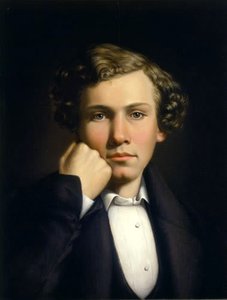
William Tylee Ranney
1813 - 1857 , Vereinigte Staaten von Amerika
Eckdaten zum Künstler
- Artistic Movement Or Style: Genremalerei
- Date Of Birth: 9. Mai 1813
- Date Of Death: 18. November 1857
- Full Name: William Tylee Ranney
- Nationality: Amerikanisch
- Notable Artworks:
- On the Wing
- Prairie Burial
- Scouting Party
- Trapper’s Last Shot
- Place Of Birth (City And Country): Middletown, USA
Verwandte Artikel
William Aiken Walker: A Southern Luminist's Vision of River Life & Antebellum Society
Explore the evocative paintings of William Aiken Walker, a master of Southern Luminism. Discover his poignant depictions of post-Civil War life, African American culture & antebellum landscapes. Learn about this important artist's legacy.

William Owen: A Poetic Vision of War & Landscape in British Modernism
Explore the poignant war poetry of Wilfred Owen, a key figure in British Modernism. Discover his innovative style, themes of loss & camaraderie, and lasting impact on 20th-century literature. Analysis & historical context included.

Frederick William Jackson: Capturing the American West Through Luminist Vision & Narrative Detail
Explore the captivating works of Frederick William Jackson, a pioneer of Western realism & Luminist painting. Discover his atmospheric landscapes, depictions of Native American life, and lasting legacy. Learn more at OriginalUniqueArt.

Grant Wood und der amerikanische Regionalismus: Identität, Mythos und die ländliche Landschaft
Entdecken Sie Grant Wood und den amerikanischen Regionalismus! Erfahren Sie mehr über 'American Gothic', Woods Leben, Einflüsse und sein Vermächtnis in der Kunstgeschichte. Expertenwissen & hochwertige Reproduktionen.
William Henry Hope: Illuminating American Genre Painting Through Luminosity & Narrative
Explore the captivating landscapes & genre scenes of William Henry Hope, a pivotal Canadian artist. Discover his mastery of light, realism, and narrative in this insightful guide. Learn about collecting his work & its place in art history.