

 In echtem Maßstab anzeigen
 Versenden als Grußkarte
 Teilen
 Details anzeigen
 Leitfaden öffnen

 Herunterladen
 Ähnliche Objekte
 Röntgenaufnahme
 Diashow
 Besucherstatistiken
Marion Crossing the Peedee
 Oil On Canvas
- WallArt
- American Genre Painting
 1850
1850- 19th Century
 188.0 x 127.0 cm
 Amon Carter Museum of American Art
 Mehr anzeigen
Giclée / Kunstdruck
Giclée- oder Leinwanddruck in Museumsqualität mit schneller Produktion und flexiblen Veredelungsoptionen. ( Handgemalte Reproduktion kaufen Zum digitalen Bild wechseln)




P118B €10

P118H €10

P118W €10

P438Z €10

P508JH €12

P508YH €12

P805H €10

P805Z €10

P919BZ €10

P919G €10

P919XJ €10

P959ZH €10

P968JZ €12

W106C €8

W218G €10

W218JH €8

W218Y €10

W307PJ €10

W316G €10

W316PJ €8

W316Y €10

W398PJ €8

W4111J €10

W500HY €15

W500JH €15

W692G €12

W849H €8

W940BG €15

W953PJ €8




Wählen Sie aus unseren vordefinierten Formaten, die den ursprünglichen Proportionen des Kunstwerks entsprechen.

Geben Sie die Breite und die Höhe an, die Sie benötigen, damit der Druck perfekt in Ihren Rahmen oder an Ihre Wand passt. Ein Druck kann nur beschnitten werden und niemals größer als das Originalbild gemacht werden; daher verliert ein Format mit einer anderen Proportion einen Teil des Bildes. Wir senden Ihnen ein digitales Mockup zur Freigabe, bevor wir den Druck ausführen. Das auf dieser Seite gezeigte Bild zeigt nicht den tatsächlichen Beschnitt – dies ist nur im Mockup ersichtlich.
Weltweiter Versand () innerhalb von 2 Wochen statt der üblichen 4/5 Wochen. (24 Oktober)

Kostenloser weltweiter Expressversand

Hochwertige Leinenleinwand

Vollständiger Versicherungsschutz beim Versand

Zollgebühren-Rückerstattungsgarantie

Garantie für exakte Farbtreue

100-tägiges Rückgaberecht (nur bei Mängeln)

100% Geld-zurück-Garantie

Angebot für Mengenrabatt
 Die Glasoption ist nur für Größen unter 110 cm verfügbar.

Marion Crossing the Peedee
Giclée / Kunstdruck
Format der Reproduktion
-


Gesamtpreis
€ 70
A Journey Through Time: The Spirit of the American Frontier
In the sweeping expanse of William Tylee Ranney’s Marion Crossing the Peedee, we are not merely observers of a landscape, but witnesses to a pivotal moment in the American narrative. Painted in 1850, this masterful oil on canvas captures a scene of profound movement and historical weight. The composition centers on a bustling river crossing, where figures, horses, and even a faithful dog navigate the unpredictable waters of the Peedee River. There is an undeniable sense of drama unfolding within the frame; the way the boat is laden with life suggests a community in transition, embodying the very essence of westward expansion and the rugged resilience required to tame a new frontier. For the collector, this piece offers more than just a visual feast; it provides a window into the soul of 19th-century America, evoking themes of exploration, interdependence, and the shared struggle of pioneer life.
The technical prowess displayed in this work is nothing short of extraordinary, making it a centerpiece worthy of any sophisticated interior. Ranney employs a traditional 19th-century realist style, utilizing layered oil techniques to build a world of immense depth and tactile reality. One can almost feel the rough texture of the riverbank’s bark and the heavy folds of the travelers' clothing through his deliberate, visible brushstrokes. The artist masterfully balances organic shapes with a dynamic use of diagonal lines—the angle of the boat and the curve of the shoreline guide the eye through the chaos of the crossing, creating a sense of rhythmic motion. This interplay of light and shadow, particularly under the diffused glow of an overcast sky, lends a cinematic quality to the scene, casting soft highlights on the water and deep, mysterious shadows within the dense foliage.
A Symphony of Earthy Tones and Atmospheric Depth
Color plays a vital role in establishing the emotional temperature of this masterpiece. Ranney avoids garish hues, opting instead for a sophisticated palette dominated by earthy browns, deep forest greens, and muted grays. These tones ground the painting in realism, suggesting the grit and dust of travel. However, these somber shades are punctuated by subtle glints of white and blue in the sky and water, providing much-needed breath and light to the composition. This careful color management creates an atmospheric perspective where distant elements soften into a hazy, ethereal background, pulling the viewer deeper into the vastness of the American landscape.
For interior designers and art enthusiasts alike, Marion Crossing the Peedee serves as a profound emotional anchor. The painting does not just depict a historical event; it evokes a feeling of uncertainty and courage. The dramatic sky, heavy with the promise of change, mirrors the internal state of those navigating the river—a metaphor for the unpredictability of life itself. Whether placed in a grand library, a traditional study, or as a conversation starter in a contemporary living space, this reproduction brings with it an aura of historical prestige and a timeless, adventurous spirit that continues to captivate the modern imagination.
Fragen & Antworten
Wo finde ich einen Leitfaden zu „Marion Crossing the Peedee“?
Eine Leitfaden-Seite ist für "Marion Crossing the Peedee" von William Tylee Ranney verfügbar: ein druckbares Infoblatt zum Kunstwerk, konzipiert für Schüler und den Einsatz im Unterricht.
Wo kann man "Marion Crossing the Peedee" von William Tylee Ranney heute besichtigen?
Das Originalwerk „Marion Crossing the Peedee“ können Sie im Amon Carter Museum of American Art, Fort Worth, Vereinigte Staaten von Amerika bewundern.
Wofür wird eine Reproduktion von "Marion Crossing the Peedee" von William Tylee Ranney empfohlen?
Die empfohlene Verwendung eines Drucks von „Marion Crossing the Peedee“ ist Focal.
Biografie des Künstlers
Frühes Leben und Texas-Erfahrung
- Geboren: 9. Mai 1813, Middletown, Connecticut
- Eltern: William Ranney (Seemannskapitän) und Clarissa Ranney
- Zog 1826 nach Fayetteville, North Carolina, um bei seinem Onkel, dem Kaufmann William Nott, zu leben.
- Machte während dieser Zeit eine Lehre als Zinnmacher, was wahrscheinlich seine frühen Skizzenfähigkeiten förderte.
- Um 1833 zog er nach Brooklyn, New York, um Malerei zu studieren.
- Melde sich im März 1836 nach dem Fall der Alamo freiwillig in die Texas Armee ein und diente unter General Sam Houston.
- Diente neun Monate lang und erlebte Ereignisse, die sein künstlerisches Schaffen maßgeblich beeinflussten. Berichten zufolge bewachte er Santa Anna nach der Schlacht von San Jacinto.
- Kehrte 1837 nach Brooklyn zurück und nahm seine künstlerischen Bemühungen wieder auf.
Künstlerische Entwicklung und Stil
- Autodidaktischer Ölmaler ohne formale Ausbildung.
- Stellte seine ersten öffentlich ausgestellten Gemälde 1838 in der National Academy of Design in New York City aus.
- Erhielt eine Auszeichnung für sein Genremalerei „Eine Werbungszene“.
- Reiste von 1839 bis 1842 zwischen North Carolina und New York.
- Eröffnete 1843 ein Atelier in New York City, wobei er sich zunächst als Porträtmaler warb.
- Entwickelte einen unverwechselbaren Stil, der durch realistische Darstellungen des täglichen Lebens, Sportdarstellungen, historische Themen und westliche Landschaften gekennzeichnet ist.
- Seine Werke zeichneten oft detaillierte Darstellungen von Figuren und Umgebungen aus, was seine sorgfältige Beobachtungsgabe und Detailgenauigkeit widerspiegelte.
Hauptthemen und Werke
- Westliches Leben: Pioniergeist, Jäger, Trapper, Entdecker vor der weit verbreiteten europäisch-amerikanischen Besiedlung (z. B. „Prairie Burial“, „Scouting Party“).
- Sportdarstellungen: Entejagd und Reitthemen waren prominent vertreten und zeichneten sich durch ihre skulpturalen Figuren aus („On the Wing“ – sein beliebtester Werk mit mehreren Versionen).
- Historische Themen: Szenen aus der amerikanischen Revolution wurden dargestellt, wobei der Schwerpunkt auf den Erfahrungen gewöhnlicher Menschen und nicht auf großen Schlachten lag.
- Genremalerei: Das tägliche Leben und häusliche Szenen wurden häufig dargestellt.
- Bemerkenswerte Werke: „On the Wing“, „Prairie Burial“, „Scouting Party“, „Hunting Wild Horses“, „Trapper’s Last Shot“, „The Match Boy“, „Old Oaken Bucket“.
Späteres Leben, Vermächtnis und Bedeutung
- Vermählte sich 1847 mit Margaret Agnes O’Sullivan.
- Siedelte dauerhaft 1853 in West Hoboken, New Jersey (heute Union City), wo er ein Atelier mit Blick auf den Manhattaner Skyline errichtete.
- Regelmäßiger Mitarbeiter und Ehrenmitglied der National Academy of Design und der American Art Union.
- Gilt als der erste bedeutende Genremaler, der in New Jersey tätig war.
- Einer der wichtigsten amerikanischen Maler vor dem Bürgerkrieg.
- Seine Zeitgenossen erkannten seine Bedeutung an, wobei einer feststellte, dass „ein Exemplar von Ranney überall dort unverzichtbar ist, wo eine Sammlung amerikanischer Kunst existiert“.
- Starb am 18. November 1857, wahrscheinlich an Tuberkulose.
- Ranneys Werk trug dazu bei, Darstellungen des amerikanischen Westens zu popularisieren und die Entwicklung der Genremalerei in den Vereinigten Staaten voranzutreiben. Sein Fokus auf das tägliche Leben und gewöhnliche Menschen machte seine Kunst einem breiten Publikum zugänglich und nachvollziehbar.
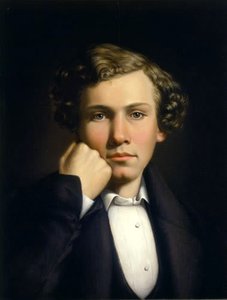
William Tylee Ranney
1813 - 1857 , Vereinigte Staaten von Amerika
Eckdaten zum Künstler
- Artistic Movement Or Style: Genremalerei
- Date Of Birth: 9. Mai 1813
- Date Of Death: 18. November 1857
- Full Name: William Tylee Ranney
- Nationality: Amerikanisch
- Notable Artworks:
- On the Wing
- Prairie Burial
- Scouting Party
- Trapper’s Last Shot
- Place Of Birth (City And Country): Middletown, USA
Verwandte Artikel
Earthy Tones & Emotional Resonance: Exploring the Vibe of Grounded Artworks
Explore the emotional power of earthy tones in art history! Discover how artists use color to evoke feelings & create grounded spaces. Expert advice on selecting artwork for your home – plus custom reproductions at OriginalUniqueArt.
Die Top 10 Gemälde in Sandtönen: Meisterwerke für Ihr Zuhause |
Entdecken Sie die Top 10 Gemälde in faszinierenden Sandtönen! Von Van Gogh bis Monet – erleben Sie Meisterwerke des Impressionismus & mehr. Finden Sie hochwertige Reproduktionen für Ihr Zuhause auf
Die Top 10 berühmter Gemälde in Pilztönen – Kunst für Ihr Zuhause |
Entdecken Sie die Top 10 berühmter Gemälde in faszinierenden Pilztönen! Von Van Gogh bis Monet – erleben Sie Kunstgeschichte und lassen Sie sich von warmen Farben inspirieren. Hochwertige Kunstdrucke auf

Meisterwerke des 19. Jahrhunderts: Kunst für Ihr Zuhause | OriginalUniqueArt
Entdecken Sie die 10 bedeutendsten Kunstwerke des 19. Jahrhunderts! Von Impressionismus bis Realismus – erleben Sie die Geschichten berühmter Maler und ihre Meisterwerke. Hochwertige Reproduktionen für Ihr Zuhause auf OriginalUniqueArt.com.
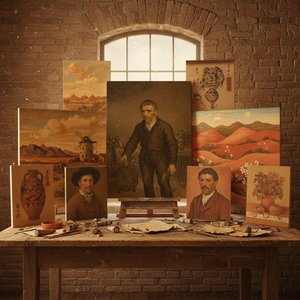
Die Top 10 berühmter Gemälde in Erdtönen – Kunst für Ihr Zuhause |
Entdecken Sie die Top 10 berühmter Gemälde in warmen Erdtönen! Von Van Gogh bis Monet – erleben Sie Meisterwerke der Kunstgeschichte. Finden Sie hochwertige Reproduktionen & Inspiration für Ihr Zuhause auf