

 In echtem Maßstab anzeigen
 Versenden als Grußkarte
 Teilen
 Details anzeigen
 Leitfaden öffnen

 Herunterladen
 Ähnliche Objekte
 Röntgenaufnahme
 Diashow
 Besucherstatistiken
Scene from Macbeth


 Mehr anzeigen
Handgefertigte Ölreproduktion
Handgemaltes Ölgemälde auf Leinwand in Ihrer Wunschgröße und mit Rahmen, auf Bestellung von unseren Künstlern angefertigt. ( Zum Druck wechseln Zum digitalen Bild wechseln)




P118B €10

P118H €10

P118W €10

P438Z €10

P508JH €12

P508YH €12

P805H €10

P805Z €10

P919BZ €10

P919G €10

P919XJ €10

P959ZH €10

P968JZ €12

W106C €8

W218G €10

W218JH €8

W218Y €10

W307PJ €10

W316G €10

W316PJ €8

W316Y €10

W398PJ €8

W4111J €10

W500HY €15

W500JH €15

W692G €12

W849H €8

W940BG €15

W953PJ €8




Wählen Sie aus unseren vordefinierten Formaten, die den ursprünglichen Proportionen des Kunstwerks entsprechen.

Geben Sie die Breite und die Höhe an, die Sie für Ihren Rahmen oder Ihre Wand benötigen. Da dieses Werk handgemalt ist, kann der Künstler bei einer anderen Form etwas mehr um das Bild herum malen oder etwas abschneiden – Sie entscheiden. Wir senden Ihnen ein digitales Mockup zur Freigabe, bevor mit dem Malen begonnen wird. Das auf dieser Seite gezeigte Bild stellt nicht das tatsächliche Ergebnis dar – dies tut nur das Mockup.
Nach der Bestellung wird das OriginalUniqueArt.com-Team dem Kunden Anweisungen per E-Mail zusenden und eine Mockup-Vorschau bereitstellen.
Weltweiter Versand () in nur 3 bis 4 Wochen statt der üblichen 5 Wochen. (23 Oktober). Keine Kompromisse bei der Qualität.

Kostenloser weltweiter Expressversand

Hochwertige Leinenleinwand

Vollständiger Versicherungsschutz beim Versand

Zollgebühren-Rückerstattungsgarantie

Garantie für exakte Farbtreue

100-tägiges Rückgaberecht (nur bei Mängeln)

100% Geld-zurück-Garantie

Angebot für Mengenrabatt
 Die Glasoption ist nur für Größen unter 110 cm verfügbar.

Scene from Macbeth
Reproduktionsmedium
Format der Reproduktion
-


Gesamtpreis
€ 264
A Vision Steeped in Light and Shadow
In the vast tapestry of American landscape painting, few threads are as delicately woven as those spun by William Trost Richards. While many of his contemporaries in the Hudson River School sought to capture the overwhelming grandeur and theatrical scale of the untamed wilderness, Richards turned his gaze toward a more intimate, almost scientific pursuit of truth. His masterpiece, “Scene from Macbeth,” painted circa 1850, serves as a breathtaking testament to this philosophy. It is a work that transcends mere topography, offering instead a window into a world where the boundaries between the natural landscape and human psychological drama dissolve into a singular, luminous experience.
The painting presents a hauntingly beautiful tableau, centered around three figures poised against the backdrop of a moonlit mountain range. The composition is masterfully balanced; on the left, a figure draped in a striking red robe provides a warm, visceral anchor to the scene, contrasting sharply with the two figures clad in somber black. As they gaze upward toward the heavens, the viewer is drawn into their shared moment of awe or trepidation. This arrangement does more than just depict characters; it invites us to participate in the tension of the narrative, feeling the weight of the atmosphere and the silent anticipation that hangs in the nocturnal air.
The Alchemy of Luminism and Romanticism
Technically, “Scene from Macbeth” is a triumph of light manipulation. Richards utilized a sophisticated blend of watercolor and oil to achieve what can only be described as an almost photographic clarity, yet one infused with the ethereal qualities of Luminism. Through subtle gradations of tone and color, he captures the way moonlight filters through a heavy, cloud-filled sky, casting soft shadows and creating a sense of atmospheric haze. This technique allows the mountains to recede into a dreamlike distance, while the foreground figures retain a tactile, grounded presence.
The stylistic essence of the piece lies in its duality. While Richards’ precision reflects his training under the German artist Paul Weber and his dedication to observational realism, the subject matter is deeply rooted in Romanticism. By choosing a scene inspired by Shakespeare’s most turbulent tragedy, Richards taps into the era's fascination with mythology, fate, and the psychological depths of the human soul. The dramatic sky, filled with swirling clouds that catch the lunar glow, acts as an emotional mirror to the internal conflicts inherent in the Macbeth legend, making the landscape itself a character in the drama.
An Enduring Presence for the Discerning Collector
For the art lover or the interior designer, “Scene from Macbeth” offers much more than visual beauty; it provides an emotional atmosphere. The painting possesses a profound spiritual resonance, making it an ideal centerpiece for spaces designed for contemplation and quiet sophistication. Its palette—a sophisticated interplay of deep nocturnal blues, silvery moonlight, and the singular, piercing crimson of the robe—allows it to integrate seamlessly into both classical and contemporary environments.
Owning a high-quality reproduction of this work means bringing a piece of American art history into one's personal sanctuary. It is a conversation starter that speaks of meticulous craftsmanship, literary depth, and an unwavering appreciation for the natural world. Whether placed in a library, a study, or a grand living hall, Richards’ vision continues to evoke a sense of wonder, reminding us that even in the darkest shadows, there is a light that reveals the profound mysteries of existence.
Fragen & Antworten
Zeigt "Scene from Macbeth" starke Hell-Dunkel-Kontraste?
Der Hell-Dunkel-Kontrast von „Scene from Macbeth“ wird mit Bold angegeben. Der Kontrast beschreibt, wie stark sich helle und dunkle Bereiche voneinander unterscheiden.
Welche Motive sind in "Scene from Macbeth" von William Trost Richards zu sehen?
Die Motive von "Scene from Macbeth" sind people, figures, moonlit sky, mountains, clouds, red robe, black clothing.
Wo kann ich einen Druck von "Scene from Macbeth" von William Trost Richards kaufen?
Ein Druck von "Scene from Macbeth" von William Trost Richards kann direkt auf der entsprechenden Kunstdruck-Seite bestellt werden: ein Fine Art Print auf Baumwollkanvas oder Archiv-Leinwandpapier.
Biografie des Künstlers
Frühes Leben und Ausbildung
William Trost Richards, ein bedeutender amerikanischer Landschaftskünstler, wurde am 14. November 1833 in Philadelphia, Pennsylvania, geboren. Zwischen 1850 und 1855 studierte er nebenberuflich bei dem deutschen Künstler Paul Weber, während er als Designer und Illustrator von ornamentalem Metallwerk tätig war.Künstlerische Karriere
Richards' erste öffentliche Ausstellung fand im Rahmen einer Ausstellung in New Bedford, Massachusetts, statt, die 1858 vom Künstler Albert Bierstadt organisiert wurde. Im Jahr 1862 wurde er zum Ehrenmitglied der National Academy of Design und 1871 zum Akademiker gewählt. Richards verbrachte sechs Sommer an der Ostküste, nachdem er 1866 nach einer einjährigen Reise durch Europa zurückgekehrt war.Bekannte Werke und Stil
Richards schuf zahlreiche gefeierte Aquarellansichten der White Mountains, von denen sich mehrere heute in der Sammlung des Metropolitan Museum of Art befinden. Seine Werke sind heute in vielen bedeutenden amerikanischen Museen zu sehen, darunter die National Gallery, das Saint Louis Art Museum und das Smithsonian American Art Museum. Richards' Stil ist durch sorgfältige faktische Wiedergaben gekennzeichnet, wobei er den romantisierten Ansatz anderer Hudson River Painter ablehnt. Seine Ansichten der White Mountains sind fast fotografisch realistisch.Vermächtnis
Die Tochter von William Trost Richards, Anna Richards Brewster, wurde ebenfalls Malerin. Richards' Werke finden sich in verschiedenen Museen, darunter die oben genannten sowie das Thyssen-Bornemisza Museum und das Crystal Bridges Museum of American Art.- Betrachten Sie Richards' Gemälde "Lago Avernus" auf OriginalUniqueArt.com
- Entdecken Sie weitere Werke von William Trost Richards auf OriginalUniqueArt.com
- Erfahren Sie mehr über William Trost Richards auf Wikipedia
- 14. November 1833: Geburt in Philadelphia, Pennsylvania
- 1862: Wahl zum Ehrenmitglied der National Academy of Design
- 1871: Wahl zum Akademiker
- 8. November 1905: Versterben in Newport, Rhode Island
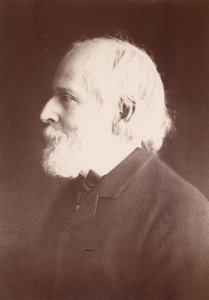
William Trost Richards
1833 - 1905 , Vereinigte Staaten von Amerika
Eckdaten zum Künstler
- Beeinflusste Künstler:
- Albert Bierstadt
- Paul Weber
- Bekannte Werke: ['Lago Avernus']
- Geburtsdatum: 14. November 1833
- Geburtsort: Philadelphia, USA
- Künstlerische Richtung: Hudson River School
- Nationalität: Amerikanisch
- Sterbedatum: 8. November 1905
- Vollständiger Name: William Trost Richards
Verwandte Artikel

Visionary Masterpieces: The Top 25 Artworks by William Blake
Step into the visionary world of William Blake. Explore 25 iconic Romantic masterpieces, from mystical engravings to illuminated prints. Find inspiration for your collection with museum-quality art reproductions and curated decor ideas. Discover all masterpieces on OriginalUniqueArt.com.

Die 25 besten Meisterwerke von William Blake: Visionen der Romantik
Entdecken Sie die 25 visionären Meisterwerke von William Blake. Erleben Sie die Romantik auf OriginalUniqueArt.com. Jetzt die Kollektion entdecken!

25 Masterpieces by William Blake: The Visionary Genius of the Romantic Age
Step into the visionary world of William Blake. Explore 25 iconic Romantic masterpieces, from mystical illustrations to legendary prints. Find museum-quality art reproductions and timeless decor inspiration for your collection. Discover all masterpieces on OriginalUniqueArt.com.

25 Masterpieces by William Blake: The Visionary Genius of the Romantic Age
Step into the visionary world of William Blake. Explore 25 iconic Romantic masterpieces, from mystical illuminated prints to profound mythological works. Find museum-quality art reproductions and decor inspiration for your collection. Discover all masterpieces on OriginalUniqueArt.com.
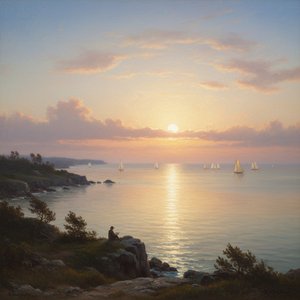
William Trost Richards: Luminismus, Spiritualität und die amerikanische Landschaftstradition
Entdecken Sie das Werk von William Trost Richards und die faszinierende Welt des Luminismus! Erfahren Sie mehr über seine einzigartige Aquarelltechnik, spirituelle Tiefe & Einfluss auf die amerikanische Landschaftsmalerei. Jetzt lesen!
