
 In echtem Maßstab anzeigen
 Versenden als Grußkarte
 Teilen
 Details anzeigen
 Leitfaden öffnen

 Herunterladen
 Ähnliche Objekte
 Röntgenaufnahme
 Diashow
 Besucherstatistiken
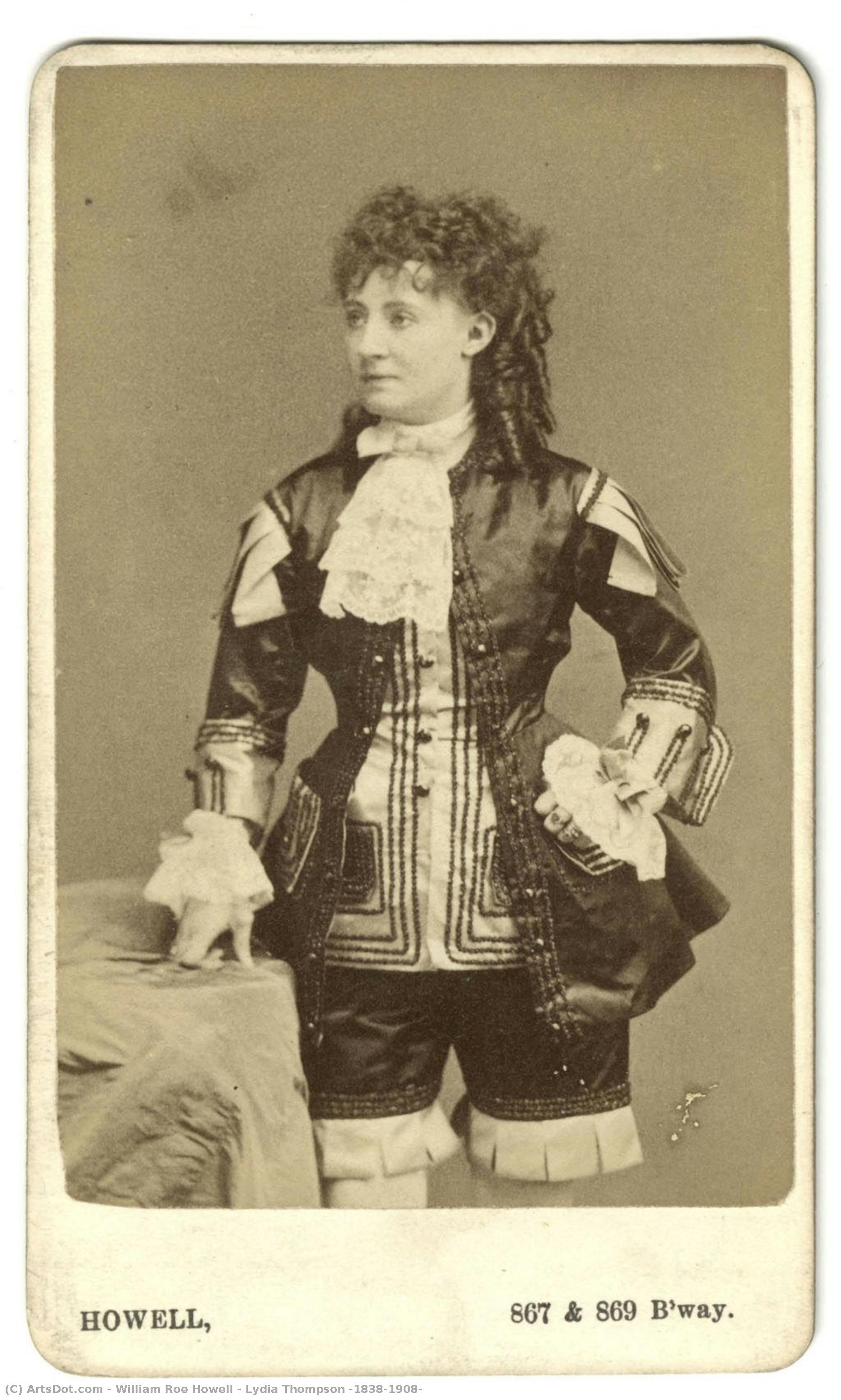
Lydia Thompson (1838-1908)

 Mehr anzeigen
Giclée / Kunstdruck
Giclée- oder Leinwanddruck in Museumsqualität mit schneller Produktion und flexiblen Veredelungsoptionen. ( Handgemalte Reproduktion kaufen Zum digitalen Bild wechseln)




































Wählen Sie aus unseren vordefinierten Formaten, die den ursprünglichen Proportionen des Kunstwerks entsprechen.

Sie können Ihre eigenen Maße eingeben, um ein bestimmtes Format oder einen speziellen Platz einzupassen. Wenn das von Ihnen gewählte Format nicht den Proportionen des Originalbildes entspricht, werden wir das Kunstwerk entweder beschneiden oder das Bild mit einem gespiegelten oder einfarbigen Rand erweitern. Ein digitaler Entwurf wird Ihnen zur Genehmigung zugesandt, bevor die Produktion beginnt.
Bitte beachten Sie, dass die Vorschau auf dem Bildschirm nicht den tatsächlichen Zuschnitt oder die Erweiterung widerspiegelt. Nur der Entwurf zeigt die endgültige Komposition präzise an.
Obwohl Sondermaße verfügbar sind, empfehlen wir die Auswahl eines Maßes aus der vordefinierten Liste, um die ursprünglichen Proportionen zu bewahren.
Weltweiter Versand () innerhalb von 2 Wochen statt der üblichen 4/5 Wochen. (26 September)

Kostenloser weltweiter Expressversand

Hochwertige Leinenleinwand

Vollständiger Versicherungsschutz beim Versand

Zollgebühren-Rückerstattungsgarantie

Garantie für exakte Farbtreue

100-tägiges Rückgaberecht (nur bei Mängeln)

100% Geld-zurück-Garantie

Angebot für Mengenrabatt
 Die Glasoption ist nur für Größen unter 110 cm verfügbar.

Lydia Thompson (1838-1908)
Giclée / Kunstdruck
Format der Reproduktion
-


Gesamtpreis
$ 80
Biografie des Künstlers
Das Objektiv der Eminenz: Das Leben und das Vermächtnis von William Roe Howell
Im flackernden Licht der viktorianischen Ära, einer Epoche, die sowohl durch rasanten industriellen Fortschritt als auch durch eine tiefe Faszination für die individuelle Identität geprägt war, trat William Roe Howell als Meister des eingefangenen Augenblicks hervor. Geboren 1846 in Goshen, Indiana, ist Howells Weg vom amerikanischen Mittleren Westen bis in das pulsierende Herz der New Yorker Kunstszene eine Erzählung von immensem Talent, das auf historische Gelegenheiten traf. Während seine frühen Jahre in den Landschaften seiner Jugend verwurzelt waren, lag seine wahre Berufung im akribischen, chemischen Tanz der fotografischen Dunkelkammer. Bevor er zu einem gefeierten Namen der Porträtkunst wurde, schärfte Howell seinen Blick durch eine formale Ausbildung in Zeichnung und Malerei – eine Erziehung, die ihm ein unvergleichliches Verständnis für Komposition, Licht und die subtilen Nuancen des menschlichen Ausdrucks schenkte; Elemente, die später seinen silbergetönten Meisterwerken Leben einhauchten.
Der Übergang vom Pinsel zur Kamera war mehr als nur ein bloßer Medienwechsel; es war das bewusste Streben nach einer neuen Art von Wahrheit. Als sich die Fotografie weiterentwickelte, machte sich Howell die technischen Komplexitäten der Ära zunutze, insbesondere das Kollodiumverfahren. Diese Methode war zwar anspruchsvoll, bot jedoch eine Klarheit und Schärfe, die die frühen Daguerreotypien weit übertraf und es ihm ermöglichte, die Texturen von Samt, das Glänzen von Orden und die tiefe Intensität eines Blickes zu dokumentieren. Seine frühen beruflichen Meilensteine waren von bedeutendem Prestige geprägt, am deutlichsten im Jahr 1873, als er den Großen Preis auf der Weltausstellung in Wien erhielt. Diese internationale Anerkennung reihte ihn unter die Elite der fotografischen Innovatoren Europas und Amerikas und signalisierte die Ankunft eines Fotografen, dessen technisches Können nur von seiner künstlerischen Intuition übertroffen wurde.
Die Ikonen einer Ära einfangen
Mitte der 1870er Jahre hatte Howell ein prominentes Studio in der Broadway 867 & 869 in New York City etabliert, einen Ort, der als Kreuzungspunkt für die einflussreichsten Persönlichkeiten der Zeit diente. Sein Werk wurde zu einem lebenswichtigen historischen Zeugnis, das die Gesichter dokumentierte, welche die amerikanische Politik und Kultur prägten. Sein Studio zu betreten, bedeutete, der Essenz des viktorationszeitlichen Ruhms zu begegnen. Durch seine Linse wurde die gebieterliche Präsenz politischer Titanen wie Ulysses S. Grant mit einer Würde dargestellt, die Respekt einforderte, während der leuchtende, theatralische Reiz von Stars wie Lillian Russell mit einer romantischen Anmut eingefangen wurde, die die Fantasie der Öffentlichkeit fesselte.
Howells Kunstfertigkeit erstreckte sich über die prachtvollen Porträts der Elite hinaus; er besaß die einzigartige Fähigkeit, verschiedene soziale Sphären mit gleicher Sensibilität zu durchdringen. Seine frühen Arbeiten als Klassenfotograf für das Princeton College demonstrierten seine Fähigkeit, in spezialisierten Umgebungen zu arbeiten, wobei er sogar tragbare Dunkelkammern und temporäre Strukturen nutzte, um den Geist der Studierendenschaft einzufangen. Diese Vielseitigkeit – die Fähigkeit, sich von den akademischen Hallen New Jerseys zu den High-Society-Ateliers Manhattans zu bewegen – definierte seine berufliche Identität. Seine Porträts waren nicht bloße Ähnlichkeiten, sondern Albuminabzüge, die ein Gefühl der Beständigkeit in sich trugen und flüchtige Momente des Ruhms in dauerhafte Ikonen der amerikanischen Geschichte verwandelten.
Ein letztes Kapitel und bleibende Bedeutung
Trotz der Brillanz seiner Karriere wurde Howells Leben von derselben Zerbrechlichkeit überschattet, die oft großen Leidenschaften beigefügt ist. Sein vorzeitiger Tod im Jahr 1890 im Alter von 44 Jahren, verursacht durch Tuberkulose, brachte ein jähes Ende einer Karriere, die gerade erst neue Höhen des Einflusses erreichte. Dennoch blieb die Wirkung seines Werkes fest in das kulturelle Gefüge des späten 19. Jahrhunderts eingeschrieben. Er hinterließ ein visuelles Vermächtnis, das als Fenster in eine verschwundene Welt dient und modernen Historikern einen intimen Blick auf jene Persönlichkeiten ermöglicht, die die Komplexität einer sich wandelnden Nation navigierten.
Die historische Bedeutung von William Roe Howell liegt in seiner Rolle als Pionier der dokumentarischen Porträtfotografie. Er machte nicht einfach nur Bilder; er kuratierte die visuelle Identität einer Ära. Seine Beiträge lassen sich durch mehrere Schlüsselerfolge zusammenfassen:
- Technische Innovation: Meisterschaft des Kollodiumverfahrens, um eine beispiellose Detailtiefe und Klarheit in der Porträtkunst zu erreichen.
- Internationale Anerkennung: Gewinn des Großen Preises auf der Weltausstellung 1873 in Wien, was die amerikanische Fotografie auf der Weltbühne emporhob.
- Kulturelle Dokumentation: Schaffung eines unersetzlichen Archivs politischer und theatralischer Größen, von Staatsmännern bis hin zu Legenden des Broadway.
- Künstlerische Synthese: Die Verschmelzung klassischer Prinzipien der Malerei mit der aufkommenden Präzision der fotografischen Wissenschaft.
Heute werden die Werke von William Roe Howell nicht nur als technische Triumphe des viktorianischen Zeitalters geschätzt, sondern als tiefgründige Erkundungen des menschlichen Charakters. Seine Fähigkeit, die Schnittstelle zwischen öffentlicher Persona und privatem Individuum zu finden, stellt sicher, dass sein Name ein wesentlicher Bestandteil der Geschichte der amerikanischen Kunst bleibt.

William Roe Howell
1846 - 1890 , Vereinigte Staaten von Amerika
Eckdaten zum Künstler
- Artistic Movement Or Style: Fotorealismus
- Artists Who Influenced This Artist: ['George Eastman']
- Date Of Birth: Goshen, Indiana
- Date Of Death: 1890
- Full Name: William Roe Howell
- Nationality: Amerikanisch
- Notable Artworks: ['Porträt von Theodore Roosevelt']
- Place Of Birth: Vereinigte Staaten von Amerika