In echtem Maßstab anzeigen
 Versenden als Grußkarte
 Teilen
 Details anzeigen
 Leitfaden öffnen

 Herunterladen
 Ähnliche Objekte
 Röntgenaufnahme
 Diashow
 Besucherstatistiken
Katharina


 Mehr anzeigen
Giclée / Kunstdruck
Giclée- oder Leinwanddruck in Museumsqualität mit schneller Produktion und flexiblen Veredelungsoptionen. ( Handgemalte Reproduktion kaufen Zum digitalen Bild wechseln)




P118B €10

P118H €10

P118W €10

P438Z €10

P508JH €12

P508YH €12

P805H €10

P805Z €10

P919BZ €10

P919G €10

P919XJ €10

P959ZH €10

P968JZ €12

W106C €8

W218G €10

W218JH €8

W218Y €10

W307PJ €10

W316G €10

W316PJ €8

W316Y €10

W398PJ €8

W4111J €10

W500HY €15

W500JH €15

W692G €12

W849H €8

W940BG €15

W953PJ €8




Wählen Sie aus unseren vordefinierten Formaten, die den ursprünglichen Proportionen des Kunstwerks entsprechen.

Geben Sie die Breite und die Höhe an, die Sie benötigen, damit der Druck perfekt in Ihren Rahmen oder an Ihre Wand passt. Ein Druck kann nur beschnitten werden und niemals größer als das Originalbild gemacht werden; daher verliert ein Format mit einer anderen Proportion einen Teil des Bildes. Wir senden Ihnen ein digitales Mockup zur Freigabe, bevor wir den Druck ausführen. Das auf dieser Seite gezeigte Bild zeigt nicht den tatsächlichen Beschnitt – dies ist nur im Mockup ersichtlich.
Weltweiter Versand () innerhalb von 2 Wochen statt der üblichen 4/5 Wochen. (21 Oktober)

Kostenloser weltweiter Expressversand

Hochwertige Leinenleinwand

Vollständiger Versicherungsschutz beim Versand

Zollgebühren-Rückerstattungsgarantie

Garantie für exakte Farbtreue

100-tägiges Rückgaberecht (nur bei Mängeln)

100% Geld-zurück-Garantie

Angebot für Mengenrabatt
 Die Glasoption ist nur für Größen unter 110 cm verfügbar.

Katharina
Giclée / Kunstdruck
Format der Reproduktion
-


Gesamtpreis
€ 70
A Portrait of Melancholy: William Powell Frith’s “Katharina”
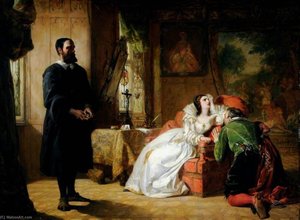
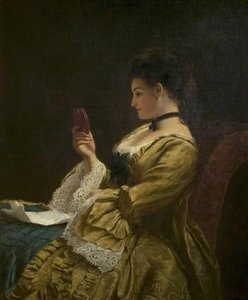
William Powell Frith's "Katharina," painted circa 1851, is more than just a portrait; it’s a carefully constructed tableau of Victorian theatricality and subtle emotional depth. This captivating work, housed within the collections of the University of Cambridge, offers a glimpse into the social fabric of mid-19th century London through the eyes of one enigmatic figure. Frith, a master of genre painting and panoramic narrative scenes, meticulously crafted this image to capture not just likeness but also atmosphere and implied story.
The subject herself is shrouded in an air of quiet contemplation. Dressed in a lavish, yet somewhat faded, theatrical costume—a rich crimson gown adorned with intricate lace and a delicate veil—Katharina appears poised on the cusp of performance or perhaps, simply lost in her own thoughts. Her gaze, directed slightly downward, suggests introspection rather than outward engagement. The lighting, soft and diffused, is crucial to the painting’s effect; it avoids harsh contrasts, instead creating subtle shadows that define the contours of her face and clothing, lending a sense of both vulnerability and dignity.
The Romantic Palette and Precise Technique
Frith's masterful command of oil paint is immediately apparent. He employs a rich, layered technique, building up color gradually to achieve remarkable textural detail. The fabric of the gown appears almost tactile—one can practically feel the weight of the velvet and the delicate rustle of the lace. The artist’s use of line is equally deliberate; precise outlines define the figure's features and drapery, creating a sense of solidity and volume that anchors the composition. Notice how he uses short, broken brushstrokes to capture the shimmer of light on the fabric and the intricate details of the veil.
The background, deliberately blurred and indistinct, serves not as a distraction but as an integral part of the painting’s narrative. It hints at an outdoor setting—perhaps a stage or garden—but ultimately emphasizes the central figure. The atmospheric perspective – the subtle fading of colors in the distance – adds depth without overwhelming the viewer's attention.
A Victorian Stage and Symbolic Resonance
"Katharina" is deeply rooted in the conventions of Victorian theatricality, reflecting Frith’s fascination with public life and social rituals. The costume itself is laden with symbolic meaning; it speaks to the world of performance, role-playing, and the constructed identities that were prevalent within Victorian society. The melancholic expression on Katharina's face suggests a deeper emotional complexity beneath the surface – perhaps a longing for something unattainable or a recognition of the transient nature of beauty and fame.
Considering Frith’s broader artistic output, “Katharina” aligns with his penchant for depicting scenes of social interaction and moral commentary. His meticulous attention to detail and his ability to capture both the outward appearance and the underlying emotions of his subjects make this painting a compelling example of Victorian genre art. It invites us to contemplate not only the beauty of the portrait but also the broader cultural context in which it was created.
Further Exploration & Legacy
For those seeking deeper insights into Frith’s work and “Katharina,” resources such as the Art UK website (
Fragen & Antworten
Ist "Katharina" insgesamt eher hell oder eher dunkel?
Die aufgezeichneten Werte für "Katharina" von William Powell Frith sind: shadow Helligkeit, Dark Luminanz.
Ist "Katharina" von William Powell Frith gemeinfrei?
"Katharina" von William Powell Frith ist gemeinfrei – das Urheberrecht ist abgelaufen. Dieser Status bestimmt, wie das Bild des Werkes vervielfältigt werden darf.
Für welchen Raum wird "Katharina" von William Powell Frith empfohlen?
Der empfohlene Raum für "Katharina" von William Powell Frith ist ein Living Room. Dieser Vorschlag kann natürlich an Ihr Interieur angepasst werden.
Biografie des Künstlers
Frühes Leben und Ausbildung
- Geboren: 9. Januar 1819, Aldfield, in der Nähe von Ripon, North Yorkshire, England
- Gestorben: 2. November 1909, London
- William Powell Friths Vater war Hotelier in Harrogate.
- Er hatte zunächst die Absicht, Auktionator zu werden, aber sein Vater erkannte sein künstlerisches Talent.
- Frith studierte an der Sass's Academy in Charlotte Street, London und besuchte später die Royal Academy Schools.
- Seine frühe Karriere konzentrierte sich auf Porträtmalerei und literarische Themen (Shakespeare, Scott).
Karrierehöhepunkte und künstlerischer Stil
- Mitgliedschaft: Mitglied von The Clique, einer Gruppe von Künstlern darunter Richard Dadd, Augustus Egg, Henry O’Neil, John Phillip, Edward Ward und Thomas Creswick.
- Einflüsse: Stark beeinflusst von Sir David Wilkie's häuslichen Szenen.
- Genremalerei & Panorama Erzählung: Frith wurde berühmt für seine detaillierten Genreszenen und panorama Erzählwerke, die das viktorianische Leben an öffentlichen Orten darstellen.
- Bemerkenswerte Werke:
- Ramsgate Sands (1854): Stellt eine lebhafte Szene am Seebadort Ramsgate dar.
- The Derby Day (1858): Fängt die Atmosphäre und sozialen Interaktionen auf der Epsom Downs Rennbahn ein. Dieses Gemälde war unglaublich beliebt und erforderte Absperrungen, um die Menschenmassen zu bewältigen, die es betrachten wollten.
- The Railway Station (1862): Eine detaillierte Darstellung des Bahnhofs Paddington.
- The Sleeping Model (1853): Präsentiert als sein Diplomarbeit an der Royal Academy.
- The Crossing Sweeper (1858): Erkundet den Kontrast zwischen Reichtum und Armut in London.
- Fotografischer Einfluss: Frith nutzte fotografische Studien von Robert Howlett, um eine bemerkenswerte Detailgenauigkeit in seinen Gemälden zu erreichen, insbesondere in Werken wie The Derby Day.
- Stil: Charakterisiert durch sorgfältige Beobachtung, eine große Anzahl von Figuren und einen Fokus auf das Festhalten der Details des täglichen Lebens. Er war bekannt für seinen Realismus und seine Aufmerksamkeit für soziale Kommentare innerhalb seiner Szenen.
Entwicklung und späte Jahre
- Autobiographien: Frith schrieb zwei Autobiographien, My Autobiography (1887) und Further Reminiscences (1888), die Einblicke in die viktorianische Kunst und Gesellschaft geben.
- Künstlerische Ansichten: Er war ein Traditionalist und äußerte seine Abneigung gegen moderne Entwicklungen in der Kunst.
- Royal Academician: Wurde 1853 zum Royal Academician gewählt.
- Langlebigkeit: Frith lebte ein bemerkenswert langes Leben und erlebte bedeutende Veränderungen in der Kunstwelt während des viktorianischen Zeitalters. Er überlebte viele seiner Zeitgenossen aus The Clique.
Historische Bedeutung und Vermächtnis
- Sozialer Kommentar: Seine Gemälde lieferten wertvolle Dokumentationen der viktorianischen Gesellschaft und fingen ihre sozialen Dynamiken, Mode und Freizeitaktivitäten ein.
- Popularität & Kommerzieller Erfolg: Frith war einer der kommerziell erfolgreichsten Künstler seiner Zeit, wobei seine Werke weithin bewundert und begehrt wurden.
- Einfluss auf die Genremalerei: Er trug wesentlich zur Entwicklung der Genremalerei in Großbritannien bei und erhob sie zu einer respektierten Kunstform.
- Detaillierter Realismus: Seine sorgfältige Liebe zum Detail setzte einen Standard für den Realismus in der viktorianischen Kunst.
- Vermächtnis: Friths Gemälde werden weiterhin ausgestellt und studiert und bieten ein einzigartiges Fenster in das 19. Jahrhundert und festigen seine Position als bedeutende Figur in der britischen Kunstgeschichte.

William Powell Frith
1819 - 1909 , Vereinigtes Königreich
Eckdaten zum Künstler
- Bemerkenswerte Werke:
- Ramsgate Sands
- Der Derby Tag
- Der Bahnhof
- Das schlafende Modell
- Der Straßenfeger
- Geburtsdatum: 9. Januar 1819
- Geburtsort: Aldfield, Vereinigtes Königreich
- Künstlerische Einflüsse: ['Sir David Wilkie']
- Künstlerischer Stil: Genre- und Panoramamalerei
- Nationalität: Englisch
- Sterbedatum: 2. November 1909
- Vollständiger Name: William Powell Frith
Verwandte Artikel

Meisterwerke des 19. Jahrhunderts: Kunst für Ihr Zuhause | OriginalUniqueArt
Entdecken Sie die 10 bedeutendsten Kunstwerke des 19. Jahrhunderts! Von Impressionismus bis Realismus – erleben Sie die Geschichten berühmter Maler und ihre Meisterwerke. Hochwertige Reproduktionen für Ihr Zuhause auf OriginalUniqueArt.com.
R.A. Benjamin Williams: Victorian Genre Painting & Social Commentary
Explore the captivating world of Benjamin Williams Leader's Victorian genre paintings. Discover his mastery of naturalism, social commentary & lasting influence on British art. Expert insights at OriginalUniqueArt.

William Powell Frith: Gesellschaftsbilder des Viktorianismus und der Aufstieg des Realismus
Entdecken Sie das Werk von William Powell Frith und die Gesellschaftsbilder des Viktorianismus! Analysen, Biografie & der Aufstieg des Realismus in der englischen Malerei. Jetzt lesen!

10 Meisterwerke des Romantischen Realismus: Wenn Emotion auf Wahrheit trifft
Entdecken Sie 10 Meisterwerke des Romantischen Realismus. Erleben Sie die emotionale Tiefe von Künstlern wie Constable und Friedrich – perfekt als Inspiration für Ihre Kunstsammlung oder Wandgestaltung. Finden Sie museale Reproduktionen auf OriginalUniqueArt.com.

William Salter: A Life Immersed in Colour – Victorian Botanical Art & Social Vision
Explore the life & art of William Salter (1804-1875), a Victorian master renowned for his botanical illustrations and striking portraits. Discover his social vision & legacy at OriginalUniqueArt.