
 Vorschau anzeigen
 Versenden
 Teilen
 Details anzeigen

 Herunterladen
 Ähnliche Objekte
 Röntgenaufnahme
 Diashow
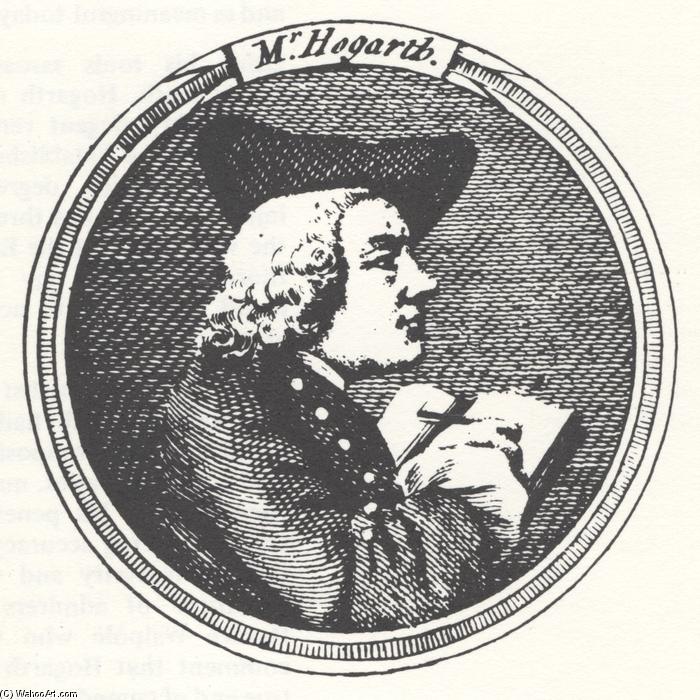
Selbstbildnis (vom Calais-Tor)


 Weiterlesen
Handgefertigte Ölreproduktion
Handgemaltes Ölgemälde auf Leinwand in Ihrer Wunschgröße und mit Rahmen, auf Bestellung von unseren Künstlern angefertigt. ( Druck bestellen Bild kaufen)




P118B $10

P118H $10

P118W $10

P438Z $10

P508JH $12

P508YH $12

P805H $10

P805Z $10

P919BZ $10

P919G $10

P919XJ $10

P959ZH $10

P968JZ $12

W106C $8

W218G $10

W218JH $8

W218Y $10

W307PJ $10

W316G $10

W316PJ $8

W316Y $10

W398PJ $8

W4111J $10

W500HY $15

W500JH $15

W692G $12

W849H $8

W940BG $15

W953PJ $8




Wählen Sie aus unseren vordefinierten Formaten, die den ursprünglichen Proportionen des Kunstwerks entsprechen.

Sie können Ihre eigenen Maße eingeben, um einen bestimmten Rahmen oder Platz auszufüllen. Wenn die gewählte Größe nicht den Proportionen des Originalbildes entspricht, werden wir das Kunstwerk entweder beschneiden oder das Gemälde durch zusätzliche, handgemalte Elemente erweitern. Ein digitales Mockup wird Ihnen zur Genehmigung zugesandt, bevor die Produktion beginnt.
Bitte beachten Sie, dass die Bildschirmvorschau nicht die tatsächliche Beschneidung oder Erweiterung widerspiegelt. Nur das Mockup zeigt die endgültige Komposition exakt an.
Obwohl Sondermaße verfügbar sind, empfehlen wir, eine Größe aus der vordefinierten Liste zu wählen, um die ursprünglichen Proportionen beizubehalten.
Nach der Bestellung wird das OriginalUniqueArt.com-Team dem Kunden Anweisungen per E-Mail zusenden und eine Mockup-Vorschau bereitstellen.
Weltweiter Versand () in nur 3 bis 4 Wochen statt der üblichen 5 Wochen. (14 August). Keine Kompromisse bei der Qualität.

Kostenloser weltweiter Expressversand

Hochwertige Leinenleinwand

Umfassender Versicherungsschutz beim Versand

Zollgebühren-Rückerstattungsgarantie

Garantie für exakte Farbtreue

60 Tage Rückgaberecht (nur bei Mängeln)

100% Geld-zurück-Garantie

Mengenrabatt verfügbar
 Die Glasoption ist nur für Größen unter 110 cm verfügbar.

Selbstbildnis (vom Calais-Tor)
Art der Reproduktion
Format der Reproduktion
-


Gesamtpreis
$ 300
Beschreibung des Kunstwerks
William Hogarth’s Self Portrait (from the Gate of Calais): A Quiet Defiance
William Hogarth's *Self Portrait (from the Gate of Calais)* isn't merely an image; it’s a carefully constructed statement about identity, artistic conviction, and the tensions between England and France in the mid-18th century. Executed as an engraving – a medium chosen deliberately to maximize its reach – this artwork transcends simple biographical representation, delving into Hogarth’s psychological landscape and his engagement with broader cultural debates. The portrait itself is strikingly understated: a three-quarter profile view of Hogarth within an oval frame, a compositional choice that lends formality while simultaneously hinting at confinement—a visual echo of the artist's predicament during his controversial journey to Calais.- Subject Matter & Style: The piece captures Hogarth in the midst of artistic creation – sketchbook and drawing tool held aloft – conveying an aura of focused determination. It exemplifies the prevailing style of English portraiture at the time, prioritizing psychological insight over opulent display.
- Technique & Materials: Hogarth’s masterful use of hatching and cross-hatching demonstrates his command of engraving technique. These meticulous lines build form and shadow with remarkable precision, achieving a tonal richness that belies the monochrome palette. The resulting image possesses an enduring quality, reflecting the artist's dedication to craftmanship.
- Historical Context: The portrait’s significance lies in its genesis – Hogarth’s arrest at Calais following his attempt to sketch the town’s fortifications. This incident fueled his already fervent patriotism and served as inspiration for *O, the Roast Beef of Old England*, a satirical critique of French cultural attitudes toward British artists.
- Symbolism: The oval frame symbolizes containment and formality, mirroring Hogarth's experience during the arrest. His gaze outward embodies defiance—a refusal to succumb to perceived condescension from continental Europe. The sketchbook represents his creative process and intellectual engagement.
The Calais Incident: Fueling Artistic Integrity
Hogarth’s imprisonment at Calais wasn’t simply a personal inconvenience; it was a catalyst for profound reflection on national identity and artistic freedom. He viewed the arrest as emblematic of larger cultural clashes—a confrontation between England's burgeoning ambition and France’s entrenched conservatism. This episode profoundly impacted his artistic vision, informing *O, the Roast Beef of Old England*, where he portrays Calais as populated by caricatured stereotypes representing opposing cultures. The painting powerfully communicates Hogarth’s conviction that English artists should resist pressures to conform to continental standards.- Narrative Significance: The engraving's composition—featuring Hogarth sketching amidst a tableau of national figures—underscores the artist’s commitment to portraying reality with unflinching honesty and satire.
- Emotional Impact: The portrait exudes an understated confidence, conveying Hogarth’s unwavering belief in his artistic integrity and his refusal to compromise on his convictions.
A Timeless Reflection of Artistic Vision
*Self Portrait (from the Gate of Calais)* stands as a testament to Hogarth's ability to distill complex ideas into a deceptively simple visual form. The engraving’s monochrome palette—achieved through painstaking line work—enhances its intellectual rigor and imparts an enduring aesthetic appeal. It invites viewers to contemplate not only Hogarth’s likeness but also the broader context of his artistic life – a life marked by unwavering conviction, astute observation, and a courageous defense of English cultural values. This artwork continues to resonate with audiences today as a symbol of artistic independence and intellectual integrity.- Legacy: Hogarth's work remains influential in shaping the trajectory of British portraiture and satire—a legacy rooted in his profound engagement with social commentary and his masterful manipulation of visual language.
Über den Künstler
frühes Leben und Einflüsse
William Hogarth, ein vielseitiger englischer Künstler, wurde am 10. November 1697 in London geboren. Sein frühes Leben war geprägt von seiner Lehre beim Graveur Ellis Gamble in Leicester Fields, wo er seine Fähigkeiten im Bereich der Werbeplakatinlagen entwickelte. Diese Erfahrung beeinflusste seinen künstlerischen Ton erheblich und trug zu seinem oft scharfen, kritischen Stil bei.Künstlerische Karriere
Hogarths kreativer Horizont umspannte realistische Porträts bis hin zu bahnbrechenden, humorvollen Bildreihen, die als "moderne moralische Themen" bezeichnet wurden. Er ist berühmt für seine Werke A Harlot's Progress, A Rake's Progress und Marriage a-la-Mode. Sein unverwechselbarer Stil war so einflussreich, dass ähnliche satirische politische Illustrationen oft als "hogarthian" bezeichnet werden.Bekannte Werke und ihre Bedeutung
- The Marriage Contract (Klassizismus, Öl auf Leinwand): Dieses Gemälde zeigt Hogarths Meisterschaft in der Satire und kritisiert die gesellschaftlichen Narrative seiner Zeit. [https://OriginalUniqueArt.com/@@/8bwmb6-william-hogarth-the-marriage-contract](https://OriginalUniqueArt.com/@@/8bwmb6-william-hogarth-the-marriage-contract)
- A Harlot's Progress (satirische Kunst, Holzschnitt): Diese Reihe von Gemälden ist ein Beweis für Hogarths Fähigkeit, die menschliche Form mit Anmut und Kraft einzufangen und oft explizit sexuelle Inhalte zu integrieren. [https://OriginalUniqueArt.com/@/william-hogarth](https://OriginalUniqueArt.com/@/william-hogarth)
Vermächtnis und Einfluss
Hogarths Kunst erlangte immense Popularität und wurde durch Drucke massenproduziert, was ihn zum bedeutendsten englischen Künstler seiner Zeit machte. Charles Lamb, der Essayist, bemerkte berühmt, dass Hogarths Bilder wie Bücher waren, die man lesen musste, anstatt sie nur anzusehen.Museen und Sammlungen
Das British Museum, mit seiner umfangreichen Sammlung von kulturellen Kunstobjekten und Antiquitäten, ist eine bedeutende Institution im Vereinigten Königreich. [https://en.wikipedia.org/wiki/british_museum](https://en.wikipedia.org/wiki/british_museum) Obwohl es sich nicht speziell auf Hogarths Werk konzentriert, repräsentiert es den breiteren Kontext der britischen Kunst und Kultur.Fazit
William Hogarths Vermächtnis als satirischer Künstler beeinflusst weiterhin die Kunstwelt. Seine Werke, wie The Marriage Contract und A Harlot's Progress, sind nicht nur für ihren künstlerischen Wert, sondern auch für ihre scharfe Kritik an gesellschaftlichen Narrativen von Bedeutung. Entdecken Sie Hogarths weiteres Werk unter [https://OriginalUniqueArt.com/@/william-hogarth](https://OriginalUniqueArt.com/@/william-hogarth).
William Hogarth
1697 - 1764 , Vereinigtes Königreich
Kurzinfos
- Beeinflusste Künstler:
- James Gillray
- George Cruikshank
- Bemerkenswerte Werke:
- A Harlot's Progress
- A Rake's Progress
- Marriage A-la-Mode
- The Marriage Contract
- Geburtsdatum: 10. November 1697
- Geburtsort: London, Vereinigtes Königreich
- Künstlerische Bewegung: Satirische Kunst, Realismus
- Künstlerische Einflüsse:
- Niederländische Genremalerei
- Französische Karikatur
- Jonathan Swift, Henry Fielding
- Nationalität: Britisch
- Vollständiger Name: William Hogarth
Ähnliche Artikel
Élisabeth Vigée Le Brun: Porträtkunst, Mäzenatentum und weibliche Identität im Frankreich des 18. Jahrhunderts
Entdecken Sie das Leben und Werk von Élisabeth Vigée Le Brun – der Porträtmalerin Marie Antoinettes! Erfahren Sie mehr über ihren einzigartigen Stil, die Herausforderungen als Künstlerin im 18. Jahrhundert und ihr bleibendes Vermächtnis.

Die 10 Meisterwerke des 18. Jahrhunderts: Kunst für Ihr Zuhause | OriginalUniqueArt
Entdecken Sie die 10 prächtigsten Meisterwerke des 18. Jahrhunderts! Von Rokoko bis Klassizismus – erleben Sie die Kunst von Fragonard, David & Hogarth. Hochwertige Reproduktionen für Ihr Zuhause auf OriginalUniqueArt.com.

William Hogarth: Satire als Spiegel der Gesellschaft – Eine Neubewertung des Begründers moderner britischer Kunst
Entdecken Sie William Hogarths satirische Meisterwerke! Eine tiefgehende Analyse seiner Gesellschaftskritik im London des 18. Jahrhunderts. Erfahren Sie mehr über seine Kunst und seinen bleibenden Einfluss.
Thomas Hudson: A Study in 18th-Century Portraiture & British Artistic Identity
Explore the life & work of Thomas Hudson, a leading 18th-century British portraitist. Discover his mastery of the 'Grand Manner,' influential style, and lasting impact on British art. Learn about his notable portraits like Judge William Noel & Alexander Van Aken.

Reflecting Nobility & Nuance: 18th-Century Portraiture as a Window into Societal Values
Explore the world of 18th-century portraiture with OriginalUniqueArt. Discover symbolism, artistic innovation & societal values reflected in masterpieces by Reynolds, Hogarth & more. Expert insights for collectors.



