In echtem Maßstab anzeigen
 Versenden als Grußkarte
 Teilen
 Details anzeigen

 Herunterladen
 Ähnliche Objekte
 Röntgenaufnahme
 Diashow
 Besucherstatistiken
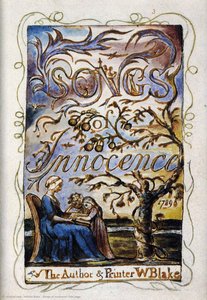
The vision of Eliphaz


 Mehr anzeigen
Giclée / Kunstdruck
Giclée- oder Leinwanddruck in Museumsqualität mit schneller Produktion und flexiblen Veredelungsoptionen. ( Handgemalte Reproduktion kaufen Zum digitalen Bild wechseln)




P118B $10

P118H $10

P118W $10

P438Z $10

P508JH $12

P508YH $12

P805H $10

P805Z $10

P919BZ $10

P919G $10

P919XJ $10

P959ZH $10

P968JZ $12

W106C $8

W218G $10

W218JH $8

W218Y $10

W307PJ $10

W316G $10

W316PJ $8

W316Y $10

W398PJ $8

W4111J $10

W500HY $15

W500JH $15

W692G $12

W849H $8

W940BG $15

W953PJ $8




Wählen Sie aus unseren vordefinierten Formaten, die den ursprünglichen Proportionen des Kunstwerks entsprechen.

Sie können Ihre eigenen Maße eingeben, um ein bestimmtes Format oder einen speziellen Platz einzupassen. Wenn das von Ihnen gewählte Format nicht den Proportionen des Originalbildes entspricht, werden wir das Kunstwerk entweder beschneiden oder das Bild mit einem gespiegelten oder einfarbigen Rand erweitern. Ein digitaler Entwurf wird Ihnen zur Genehmigung zugesandt, bevor die Produktion beginnt.
Bitte beachten Sie, dass die Vorschau auf dem Bildschirm nicht den tatsächlichen Zuschnitt oder die Erweiterung widerspiegelt. Nur der Entwurf zeigt die endgültige Komposition präzise an.
Obwohl Sondermaße verfügbar sind, empfehlen wir die Auswahl eines Maßes aus der vordefinierten Liste, um die ursprünglichen Proportionen zu bewahren.
Weltweiter Versand () innerhalb von 2 Wochen statt der üblichen 4/5 Wochen. (15 September)

Kostenloser weltweiter Expressversand

Hochwertige Leinenleinwand

Vollständiger Versicherungsschutz beim Versand

Zollgebühren-Rückerstattungsgarantie

Garantie für exakte Farbtreue

100-tägiges Rückgaberecht (nur bei Mängeln)

100% Geld-zurück-Garantie

Angebot für Mengenrabatt
 Die Glasoption ist nur für Größen unter 110 cm verfügbar.

The vision of Eliphaz
Giclée / Kunstdruck
Format der Reproduktion
-


Gesamtpreis
$ 80
William Blake’s “The Vision of Eliphaz”: A Descent into Spiritual Revelation
William Blake's "The Vision of Eliphaz," painted around 1798, is not merely a depiction of figures; it’s an immersive plunge into the turbulent depths of spiritual questioning and profound emotional experience. This arresting image, born from the heart of the Romantic era, reveals Blake’s unique ability to translate personal visions—fueled by intense introspection and a rejection of orthodox religious dogma—into powerfully symbolic artwork. The painting immediately draws the viewer in with its central figure, a woman rendered in Blake's signature bold lines and vibrant colors, her arms outstretched as if receiving or offering something beyond comprehension. She embodies a yearning for understanding, a desperate plea for guidance amidst uncertainty – a theme deeply resonant within Blake’s own life and work.
- Subject Matter: The scene depicts a gathering of individuals engaged in what appears to be a profound discussion, possibly concerning moral or spiritual matters.
- Composition: Blake masterfully employs a pyramidal composition, drawing the eye upwards towards the central figure and creating a sense of dynamic movement within the tableau.
- Color Palette: The use of rich, saturated colors – deep blues, reds, and yellows – contributes to the painting’s dramatic intensity and evokes feelings of both hope and despair.
Technique and Style: Blake's Revolutionary Printmaking
Blake was a revolutionary figure in the world of art, forging his own path by rejecting traditional academic styles. “The Vision of Eliphaz” exemplifies this approach through its intensely detailed line work, characteristic of Blake’s printmaking technique. He meticulously etched and engraved plates, layering colors with watercolor to achieve an effect that is both luminous and deeply textured. This process, honed during his apprenticeship with James Basire, allowed him to create images of remarkable depth and complexity. The painting's surface isn't simply a representation; it’s a record of the artist’s hand, imbued with his emotional energy and visionary intensity. Blake’s use of mezzotint – a technique that produces rich tonal gradations – further enhances the drama and mystery of the scene.
Symbolism and Interpretation: Layers of Meaning
The symbolism within “The Vision of Eliphaz” is layered and open to interpretation, reflecting Blake's broader philosophical concerns. The central woman can be seen as an angelic figure, a conduit for divine revelation, or perhaps a representation of the human soul striving for enlightenment. The surrounding figures – seated and standing – may symbolize different perspectives on faith, doubt, or wisdom. The presence of a book suggests the importance of knowledge and scripture, though Blake often challenged established religious interpretations. The overall atmosphere is one of intense contemplation and spiritual struggle, mirroring Blake’s own battles with orthodoxy and his fervent belief in individual revelation.
Historical Context and Legacy: A Romantic Masterpiece
"The Vision of Eliphaz" was created during a period of immense social and intellectual upheaval in England. The Industrial Revolution was transforming the landscape and society, while religious beliefs were being questioned. Blake’s work reflects this climate of uncertainty and his desire to forge a new spiritual path. As a key example of Romantic art, "The Vision of Eliphaz" continues to resonate with viewers today, offering a powerful meditation on faith, doubt, and the human search for meaning. Its enduring appeal lies in its raw emotional honesty and Blake’s unparalleled ability to translate his visionary experiences into timeless works of art.
Biografie des Künstlers
ein Leben, das von einem kreativen Geist geprägt ist
William Blake, ein visionärer Künstler, Dichter und Grafiker, hat eine unvergessliche Spur in der Kunstwelt hinterlassen. Geboren in London am 28. November 1757 und gestorben am 12. August 1827, war Blakes Leben ein Beweis für seinen tiefgreifenden kreativen Geist.Frühes Leben und Einflüsse
Blakes frühe Jahre waren von einer tiefen Verbindung zur Kunst geprägt. Sein Vater, William Blake Sr., ein Hosier, und seine Mutter, Catherine Wright, beeinflussten seine spirituellen und künstlerischen Neigungen. Dies führte zu seiner Lehre bei Francisco Bartolozzi, einem Kupferstecher.Künstlerische Entwicklung und bedeutende Werke
Blakes künstlerischer Weg führte durch verschiedene Medien wie Malerei, Poesie und Grafik. Zu seinen bekanntesten Werken gehören:- The Tyger (1795) - Ein Meisterwerk der romantischen Literatur, das Blakes einzigartige Mischung aus Mystik und Realität zeigt.
- The Sickle (1803) - Ein eindringliches Beispiel für seine Druckkunstfähigkeiten, das seine tiefe Verbindung zur Natur widerspiegelt.
- The Ghost of a Flea (ca. 1819–1820) - Ein Beweis für Blakes innovativen Ansatz in der Kunst, der die Grenzen zwischen Realität und Fantasie verwischt.
Museen mit Blakes Werken
- Blake Museum, Vereinigtes Königreich - Ein Muss für jeden Blake-Enthusiasten, das eine umfangreiche Sammlung seiner Werke beherbergt. [https://OriginalUniqueArt.com/@/william-blake](https://OriginalUniqueArt.com/@/william-blake)
- Fulham Public Library, Vereinigtes Königreich - Obwohl es sich nicht ausschließlich um ein Blake-Museum handelt, beherbergt es mehrere seiner bemerkenswerten Werke und bietet so eine einzigartige Perspektive auf die britische Kunst. [https://OriginalUniqueArt.com/@@/a@d3bma9-discovering-the-artworks-of-fulham-public-library-united-kingdom](https://OriginalUniqueArt.com/@@/a@d3bma9-discovering-the-artworks-of-fulham-public-library-united-kingdom)
Vermächtnis und Einfluss
Blakes Einfluss auf die britische Kunst ist unbestreitbar. Seine einzigartige Mischung aus Mystik, Prophezeiung und Vorstellungskraft hat Generationen von Künstlern inspiriert. Als Vorläufer der Romantik hat Blakes Werk bis heute eine einfache Kategorisierung verwehrt und ihn zu einem Grundstein der britischen Literatur und Kunst gemacht.Weitere Informationen
Für mehr über William Blake und seine Werke erfahren Sie:
William Blake
1757 - 1827 , Vereinigtes Königreich
Eckdaten zum Künstler
- Beeinflusste Künstler:
- Dante Gabriel Rossetti
- William Holman Hunt
- Bemerkenswerte Werke:
- The Tyger
- Das Sichelwerk
- Der Geist der Wahrheit
- Einflussreiche Künstler:
- Raphael
- Michelangelo
- Geburtsdatum: 1757-11-28
- Geburtsort: London, Vereinigtes Königreich
- Künstlerische Bewegung: Romantik
- Nationalität: Britisch
- Todatum: 1827-08-12
- Vollständiger Name: William Blake
Verwandte Artikel

OriginalUniqueArt.com F.A.Q.: Elevate Your Decor with Premium Textured Giclée Prints
Discover the distinction of OriginalUniqueArt.com premium textured Giclée prints. Expertly crafted with archival 12-color pigments and museum-grade substrates, our prints offer unparalleled vividness for the discerning collector seeking luxury, durability, and timeless elegance.