
 Vorschau anzeigen
 Versenden
 Teilen
 Details anzeigen
 Leitfaden

 Herunterladen
 Ähnliche Objekte
 Röntgenaufnahme
 Diashow
 Q&A
Q&A Statistiken
Dog


 Weiterlesen
Giclée / Kunstdruck
Giclée- oder Leinwanddruck in Museumsqualität mit schneller Produktion und flexiblen Veredelungsoptionen. ( Handgemalte Reproduktion bestellen Zum digitalen Bild wechseln)




P118B €10

P118H €10

P118W €10

P438Z €10

P508JH €12

P508YH €12

P805H €10

P805Z €10

P919BZ €10

P919G €10

P919XJ €10

P959ZH €10

P968JZ €12

W106C €8

W218G €10

W218JH €8

W218Y €10

W307PJ €10

W316G €10

W316PJ €8

W316Y €10

W398PJ €8

W4111J €10

W500HY €15

W500JH €15

W692G €12

W849H €8

W940BG €15

W953PJ €8




Wählen Sie aus unseren vordefinierten Formaten, die den ursprünglichen Proportionen des Kunstwerks entsprechen.

Geben Sie die benötigte Breite und Höhe an, damit der Druck perfekt in Ihren Rahmen oder an Ihre Wand passt. Ein Druck kann nur beschnitten, aber niemals größer als das Originalbild angefertigt werden; daher verliert ein Format mit anderen Proportionen einen Teil des Bildes. Wir senden Ihnen ein digitales Mockup zur Freigabe, bevor wir den Druck ausführen. Das auf dieser Seite gezeigte Bild zeigt nicht den tatsächlichen Beschnitt – dies ist nur im Mockup ersichtlich.
Weltweiter Versand () innerhalb von 2 Wochen statt der üblichen 4/5 Wochen. (31 Oktober)

Kostenloser weltweiter Expressversand

Hochwertige Leinenleinwand

Umfassender Versicherungsschutz beim Versand

Zollgebühren-Rückerstattungsgarantie

Garantie für exakte Farbtreue

100 Tage Rückgaberecht (nur bei Mängeln)

100% Geld-zurück-Garantie

Mengenrabatt verfügbar
 Die Glasoption ist nur für Größen unter 110 cm verfügbar.

Dog
Giclée / Kunstdruck
Format der Reproduktion
-


Endpreis
€ 71
A Moment Frozen in Motion: Exploring Vincent van Gogh’s “Dog”
- Subject Matter & Narrative The artwork depicts a dynamic scene of animals—specifically, a dog in motion amidst other dogs and birds. More than just a depiction of creatures inhabiting a landscape, it encapsulates a feeling of unrestrained energy and spontaneity. Van Gogh’s intention wasn't merely to record what he saw; rather, he sought to convey an emotional response to the subject matter – a palpable sense of movement and vitality that transcends literal representation.
- Style & Technique: Impressionistic Echoes While firmly rooted in representational art, “Dog” possesses stylistic qualities reminiscent of Impressionism. This is achieved through Van Gogh’s masterful use of loose brushstrokes and an emphasis on capturing the fleeting effects of light and atmosphere. Unlike academic painting traditions prioritizing meticulous detail, Van Gogh deliberately eschewed precision, favoring instead a technique characterized by direct pencil application with minimal erasing—a bold decision that prioritized expressive gesture over photographic accuracy.
- Composition & Visual Language The diagonal placement of the central dog immediately draws the viewer’s eye and establishes a dominant visual rhythm. Supporting this dynamic element are secondary figures – other dogs and birds – rendered with less detail, serving to heighten depth perception and reinforce the overall impression of movement. Careful consideration is given to perspective; size variations between the foreground dog and background animals contribute to creating an illusion of space.
- Color Palette & Material Considerations The artwork’s monochromatic palette—primarily shades of gray—is a deliberate choice that amplifies the impact of line work and tonal variation. Graphite pencils were employed as the medium, allowing for nuanced shading and textural rendering. This selection underscores Van Gogh's commitment to conveying emotion through form and surface qualities rather than relying on color to stimulate visual sensation.
- Symbolism & Emotional Resonance Beyond its depiction of animals, “Dog” speaks to broader themes of freedom, vitality, and perhaps even vulnerability. The dog’s energetic posture embodies a spirit of unrestrained movement—a defiance against confinement—reflecting Van Gogh's own personal struggles and aspirations during his turbulent life. It invites contemplation on the beauty found in imperfection and the transformative power of artistic expression.
Fragen & Antworten
Wo finde ich einen Leitfaden zu „Dog“?
Die Leitfaden-Seite von "Dog" von Vincent Willem Van Gogh bietet ein druckbares, zweiseitiges Infoblatt: das Kunstwerk mit seiner Identifikationstabelle, eine zeitliche Einordnung in die Lebensspanne des Künstlers, weitere Werke des Künstlers, die gemessene Farbpalette sowie kopierfertige Zitate in vier verschiedenen Stilen.
Wie intensiv sind die Farben von "Dog"?
"Dog" von Vincent Willem Van Gogh zeichnet sich durch eine Sättigung von Muted und eine Intensität von Monochromatic aus.
Ist "Dog" typisch für das Werk von Vincent Willem Van Gogh?
"Dog" stellt animal sketch, motion capture, monochrome drawing, landscape detail, dynamic composition, pencil technique, wildlife scene dar, während die dokumentierten Themen von Vincent Willem Van Gogh impressionist impressionism, dutch landscape tradition, emotional expression style, movement exploration, artist vision legacy sind. Ein Vergleich der beiden zeigt, wie das Werk mit den üblichen Sujets des Künstlers in Verbindung steht.
Künstlerbiografie
Vincent van Gogh: Leben, Kunst und Vermächtnis
Frühes Leben und Einflüsse
- Geboren am 30. März 1853 in Groot-Zundert, Niederlande, war Vincent Willem van Gogh der älteste von sechs Kindern.
- Sein Vater, Theodorus van Gogh, war ein Protestantischer Pfarrer, und seine Erziehung wurde stark von Religion geprägt.
- Frühe Interessen umfassten Zeichnen, aber er verfolgte verschiedene Karrieren, bevor er sich dem Kunstschaffen widmete. Er arbeitete als Kunsthändler, Lehrer und Missionar.
- Wichtige Einflüsse: Zu den frühen Einflüssen gehörten niederländische Meister wie Rembrandt van Rijn und Frans Hals, sowie zeitgenössische französische Maler wie Jean-François Millet und Camille Corot.
Künstlerische Entwicklung & Stil
- Van Gogh begann 1880 ernsthaft zu malen, größtenteils autodidaktisch.
- Seine frühen Werke konzentrierten sich auf die Darstellung des Lebens von Bauern und Arbeitern und spiegelten seine Empathie für die Arbeiterklasse wider.
- Ein Umzug nach Paris im Jahr 1886 ermöglichte ihm den Kontakt mit Impressionismus und Post-Impressionismus, was zu einem helleren Farbstahl und Experimenten mit neuen Techniken führte.
- Besonderer Stil: Van Gogh entwickelte einen hochindividuellen Stil, der durch kräftige Farben, ausdrucksstarke Pinselstriche und emotionale Intensität gekennzeichnet ist. Er verwendete oft Impasto – dicke Farbschichten – um Textur zu erzeugen und Gefühle auszudrücken.
Wichtige Perioden & Werke
- Die niederländische Periode (1880-1886): Konzentrierte sich auf dunkle, erdige Töne und Darstellungen des ländlichen Lebens. Bedeutende Werke sind The Potato Eaters.
- Die Pariser Periode (1886-1888): Experimente mit impressionistischen Techniken und helleren Farben.
- Die Arleser Periode (1888-1889): Eine Periode intensiver Kreativität, die von lebendigen Landschaften, Porträts und Stillleben geprägt war. Wichtige Werke sind Sunflowers, The Night Café, und Starry Night Over the Rhône.
- Saint-Rémy & Auvers-sur-Oise (1889-1890): Nach einem Nervenzusammenbruch wurde Van Gogh freiwillig in eine Anstalt in Saint-Rémy eingeliefert. Seine letzten Jahre waren von fortgesetzter künstlerischer Produktion, aber auch zunehmender emotionaler Belastung geprägt. Bedeutende Werke sind The Starry Night und Porträts von Dr. Gachet.
Wichtige Errungenschaften & Anerkennung
- Trotz der Kämpfe mit psychischen Erkrankungen und der Ablehnung während seines Lebens schuf Van Gogh in über einem Jahrzehnt mehr als 2.100 Kunstwerke – etwa 860 Ölgemälde.
- Sein Werk hatte einen tiefgreifenden Einfluss auf die Entwicklung der modernen Kunst, insbesondere des Expressionismus und des Fauvismus.
- Posthume Ruhm: Die Anerkennung kam nach seinem Tod im Jahr 1890. Seine Werke erfreuten sich in den frühen 20er Jahren zunehmender Beliebtheit und wurden zu einigen der bekanntesten und wertvollsten Kunstwerke der Welt.
Historische Bedeutung & Vermächtnis
- Van Goghs Kunst berührt die Menschen bis heute aufgrund seiner emotionalen Ehrlichkeit, lebendigen Farben und der kraftvollen Darstellung menschlicher Erfahrungen.
- Er gilt als eine der wichtigsten Figuren in der Geschichte der westlichen Kunst und inspiriert seit Generationen Künstler.
- Seine Lebensgeschichte ist zu einem Symbol des “leidenden Künstlers” geworden, obwohl diese Erzählung oft seine Hingabe, Geschicklichkeit und künstlerische Vision überschattet.
- Museen auf der ganzen Welt, darunter das Van Gogh Museum in Amsterdam, zeigen sein Werk und feiern sein bleibendes Vermächtnis.
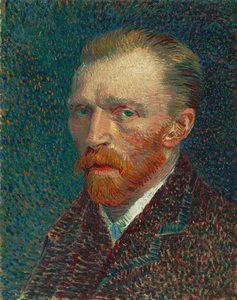
Vincent Willem Van Gogh
1853 - 1890 , Niederlande
Kurzinfos
- Artistic Movement Or Style: Post-Impressionismus
- Artists Or Movements Influenced By This Artist:
- Expressionismus
- Fauvismus
- Artists Who Influenced This Artist:
- Rembrandt
- Millet
- Date Of Birth: 30. März 1853
- Date Of Death: 29. Juli 1890
- Full Name: Vincent Willem van Gogh
- Nationality: Niederländer
- Notable Artworks:
- Sternennacht
- Sonnenblumen
- Place Of Birth: Zundert, Niederlande
Ähnliche Artikel
The Power of Graphite: Mastering Depth, Texture, and Detail in the Art of Pencil Drawing
Explore the profound artistry of graphite drawing. Discover professional techniques for mastering depth, texture, and detail through a lens of art history, from classical sketches to modern masterpieces. Elevate your understanding of the pencil medium with our expert guide.
Meisterwerke des 19. Jahrhunderts: Kunst für Ihr Zuhause | OriginalUniqueArt
Entdecken Sie die 10 bedeutendsten Kunstwerke des 19. Jahrhunderts! Von Impressionismus bis Realismus – erleben Sie die Geschichten berühmter Maler und ihre Meisterwerke. Hochwertige Reproduktionen für Ihr Zuhause auf OriginalUniqueArt.com.

Die Meisterschaft des Graphits: Präzision, Licht und Schatten in der Zeichnung beherrschen
Meistern Sie Licht und Schatten mit Expertenwissen zu Graphit und Chiaroscuro. Entdecken Sie die Kunst der präzisen Bleistiftzeichnung jetzt.

The Alchemy of Graphite: An Expert Guide to Mastering Detail and Depth in Pencil Sketching
Unlock the secrets of graphite sketching with our expert guide for art students. Learn to master pencil grades, create realistic depth, and capture intricate textures through professional techniques designed to elevate your observational drawing skills.
The Nuances of Graphite: Exploring Emotional Depth & Technical Mastery in Pencil Drawing
Explore the captivating world of graphite drawing! Discover its rich history, master essential techniques like chiaroscuro, and learn how artists evoke emotion through this timeless medium. Expert insights for art enthusiasts.




![Irisen [1889]](/media/artworks/images-thumb/ca/85/ca85582a4fd1dc392efef83ec4dc3124.jpg)

