 Vorschau anzeigen
 Versenden
 Teilen
 Details anzeigen
 Leitfaden

 Herunterladen
 Ähnliche Objekte
 Röntgenaufnahme
 Diashow
 Q&A
Q&A Statistiken
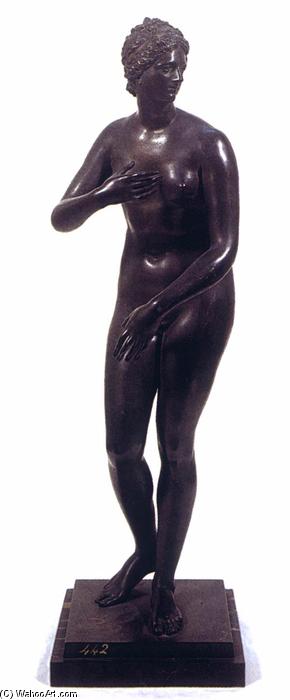
Venus


 Weiterlesen
Erhalten Sie eine druckfertige Datei, die weit über die Web-Vorschau hinausgeht. Jedes von uns verkaufte digitale Bild basiert auf einem hochauflösenden Master aus unserer Datenbank – in der Regel 5.000 bis 15.000 Pixel breit –, sodass Sie mit Vertrauen großformatig drucken, eng ausschneiden oder feinste Details reproduzieren können.
Keine Datei verlässt unser Studio unberührt. Ein Digitalexperte gleicht die Farben mit dem Originalgemälde ab und korrigiert sie bei Bedarf, um anschließend Klarheit und Details mit professionellen Retuschewerkzeugen zu optimieren – dabei stets der Pinselführung und dem Stil des Künstlers treu bleibend. Das Ergebnis ist ein Bild, das wie das Gemälde selbst wirkt und nicht wie ein gefilterter Scan.
Sie entscheiden über das Endergebnis: Unser Experte sendet Ihnen das Bild innerhalb von 72 Stunden zur Ansicht per E-Mail zu. Nicht zufrieden? Fordern Sie Verbesserungen oder Korrekturen an oder verlangen Sie eine Rückerstattung, falls die Qualität nicht Ihren Erwartungen entspricht.
Dies ist die Qualität, auf die sich Verlage, Designstudios, Galerien und Druckereien verlassen.
Digitales Kunstwerk
Laden Sie eine hochauflösende Datei für die persönliche Präsentation, den Druck und kreative Projekte herunter. ( Zum Druck wechseln Handgemalte Reproduktion bestellen)
In jeder Bestellung digitaler Bilder enthalten
Professionelle digitale Bereitstellung, garantiert
Wenn Sie sich für OriginalUniqueArt.com entscheiden, erhalten Sie nicht nur ein Bild – Sie erhalten ein professionell aufbereitetes digitales Kunstwerk, das mit höchster Präzision erstellt und durch eine Zufriedenheitsgarantie abgesichert wird. Hier ist alles, was automatisch mit Ihrer Bestellung geliefert wird:

Schnelle E-Mail-Zustellung
Ihre hochauflösende digitale Bilddatei wird Ihnen innerhalb von 72 Stunden nach der Bestellung per E-Mail zugestellt – bereit zur sofortigen Verwendung.

KI-optimierte digitale Datei
Ihre Kunstwerke werden professionell mithilfe fortschrittlicher KI-Tools und manueller Bearbeitung optimiert, um maximale Detailtreue, Klarheit und Farbgenauigkeit zu gewährleisten.

Kostenloser lebenslanger Neudruckservice
Datei versehentlich gelöscht oder verloren? Keine Sorge – wir senden sie Ihnen jederzeit kostenlos erneut zu.

Keine Einfuhrgebühren – jemals
Genießen Sie Ihr Kunstwerk sofort ohne Zollgebühren, Einfuhrabgaben oder Versandkosten – digitale Downloads sind immer steuerfrei.

Garantierte Farbtreue
Wir garantieren, dass Ihr digitales Bild mithilfe professioneller Werkzeuge und Farbmanagement die Originalfarben so präzise wie möglich wiedergibt.

100-Tage-Zufriedenheitsgarantie
Sollten Sie mit Ihrem digitalen Bild nicht zufrieden sein, werden wir es überarbeiten oder 100% innerhalb von 100 Tagen erstatten – ohne Wenn und Aber.

100% Geld-zurück-Garantie
Nicht zufrieden? Erhalten Sie innerhalb von 100 Tagen nach Erhalt Ihrer digitalen Datei eine vollständige Rückerstattung – ohne Wenn und Aber.

Rabatte bei Großbestellungen
3 Bilder kaufen, 10% sparen – 5 Bilder kaufen, 15% sparen – Ab 10 Bildern 20% sparen. Ideal für kreative Projekte, Galerien und Agenturen.
Biografie des Künstlers
A Sculptor of Whimsy: The Life and Art of Valerio Cioli
Valerio Cioli, a name perhaps less celebrated than his Renaissance contemporaries yet profoundly influential in the development of Florentine sculpture, flourished during the latter half of the 16th century. Born in Florence in 1529 and passing away in 1599, Cioli’s career unfolded against a backdrop of artistic innovation and the powerful patronage of the Medici court. While details regarding his early training remain somewhat elusive, it is understood he immersed himself in the sculptural traditions of the city, absorbing the lessons of masters like Michelangelo – though his path would diverge significantly from the High Renaissance ideals of classical perfection. Cioli’s art wasn't about imposing grandeur; it was about playful observation, a touch of irony, and an embrace of the unconventional. He often worked collaboratively with his brother Giovanni Simone Cioli, making disentangling individual contributions to certain projects a challenge for modern scholars. However, Valerio’s distinctive style – characterized by dynamic movement, expressive faces, and a penchant for depicting everyday life – consistently shines through.The Boboli Gardens: A Stage for Cioli's Imagination
Cioli’s enduring legacy is inextricably linked to the Giardino di Boboli, the magnificent Florentine garden commissioned by Cosimo I de’ Medici. It was within this expansive landscape that he created some of his most iconic works, transforming the space into a veritable theater of sculpture. The centerpiece, and arguably his masterpiece, is the Fontana del Bacchino (1560). This fountain isn't merely decorative; it’s a witty commentary on court life. It depicts Pietro Barbino, a dwarf in Cosimo I’s service, ironically nicknamed Morgante – after the giant from Luigi Pulci’s epic poem – portrayed nude and reclining upon a tortoise as a drunken Bacchus. The sculpture is a fascinating blend of humor and social observation, capturing both the absurdity and the vulnerability of its subject. The fountain's playful spirit, far removed from the solemnity of earlier Renaissance fountains, established Cioli’s reputation for whimsical baroque themes. Further enriching the Boboli Gardens are two additional sculptures attributed to Valerio (in collaboration with his brother): Uomo che vanga (Digging Man) and Uomo che scarica il secchio in un tino (Man Emptying a Bucket into a Vat). These figures, depicting laborers engaged in simple tasks, represent an early interest in portraying the lives of ordinary people – a departure from the traditional focus on mythological or religious subjects.Beyond Boboli: A Diverse Oeuvre
While the Boboli Gardens remain central to his fame, Cioli’s artistic output extended beyond these commissioned works. He demonstrated versatility and skill in various sculptural mediums and styles. A notable example is his Satyr with a Flask, now housed in the Museo del Bargello. This sculpture showcases his ability to render anatomical detail and imbue classical motifs with a sense of lively energy. Perhaps one of his most significant, though less frequently discussed, achievements was his contribution to the tomb of Michelangelo Buonarroti in the Basilica di Santa Croce. Cioli sculpted personifications of Painting, Sculpture, and Architecture – allegorical figures intended to honor the multifaceted genius of the Renaissance master. This commission underscores the esteem in which Cioli was held by his contemporaries; he was entrusted with a task of immense symbolic importance, paying tribute to one of history’s greatest artists. He also collaborated with Giovanni Vincenzo Casali on the statue of San Giovanni Evangelista for the Chapel of San Luca in the Annunziata, further demonstrating his collaborative spirit and willingness to engage in large-scale projects.Influences and Artistic Development
Cioli’s artistic development was shaped by a complex interplay of influences. The legacy of Michelangelo is undeniable – evident in his understanding of anatomy and dynamic composition. However, he consciously moved away from the High Renaissance emphasis on idealized forms, embracing instead a more naturalistic and expressive style. The Mannerist movement, with its elongated figures and dramatic poses, also left its mark on his work. But what truly sets Cioli apart is his unique ability to infuse his sculptures with humor, irony, and a sense of playful observation. He wasn’t simply replicating classical models or adhering to established conventions; he was creating something new – a distinctly baroque sensibility that anticipated the artistic trends of the 17th century. His fascination with everyday life, as evidenced in the Boboli sculptures depicting laborers, reflects a growing interest in realism and social commentary during the Renaissance period.Historical Significance and Lasting Legacy
Valerio Cioli’s historical significance lies not in revolutionizing sculpture but in subtly shifting its direction. He bridged the gap between the High Renaissance and the Baroque, paving the way for artists who would embrace dynamism, emotion, and theatricality. His work challenged traditional notions of beauty and decorum, introducing a new level of wit and irony into Florentine art. The Fontana del Bacchino, in particular, remains a powerful symbol of Medici patronage and the complex social dynamics of the Renaissance court. While often overshadowed by more celebrated figures, Cioli’s sculptures continue to captivate audiences with their playful spirit, expressive faces, and enduring charm. He stands as a testament to the power of observation, the importance of individuality, and the enduring appeal of art that dares to be both beautiful and thought-provoking.
Valerio Cioli
1529 - 1599
Auf einen Blick
- Full Name: Valerio Cioli
- Nationality: Italian
- Date Of Birth: 1529
- Date Of Death: 1599
- Place Of Birth: Settignano
- Notable Artworks:
- Fontana del Bacchino
- Uomo che vanga
- Satyr with a flask
- Artistic Movement Or Style: Baroque
- Artists Who Influenced This Artist: ['Michelangelo Buonarroti']
- Artists Or Movements Influenced By This Artist: ['Giovanni Simone Cioli']