

 Vorschau anzeigen
 Versenden
 Teilen
 Details anzeigen
 Leitfaden

 Herunterladen
 Ähnliche Objekte
 Röntgenaufnahme
 Diashow
 Q&A
Q&A Statistiken
Comic Picture


 Weiterlesen
Giclée / Kunstdruck
Giclée- oder Leinwanddruck in Museumsqualität mit schneller Produktion und flexiblen Veredelungsoptionen. ( Handgemalte Reproduktion bestellen Zum digitalen Bild wechseln)




P118B €10

P118H €10

P118W €10

P438Z €10

P508JH €12

P508YH €12

P805H €10

P805Z €10

P919BZ €10

P919G €10

P919XJ €10

P959ZH €10

P968JZ €12

W106C €8

W218G €10

W218JH €8

W218Y €10

W307PJ €10

W316G €10

W316PJ €8

W316Y €10

W398PJ €8

W4111J €10

W500HY €15

W500JH €15

W692G €12

W849H €8

W940BG €15

W953PJ €8




Wählen Sie aus unseren vordefinierten Formaten, die den ursprünglichen Proportionen des Kunstwerks entsprechen.

Geben Sie die benötigte Breite und Höhe an, damit der Druck perfekt in Ihren Rahmen oder an Ihre Wand passt. Ein Druck kann nur beschnitten, aber niemals größer als das Originalbild angefertigt werden; daher verliert ein Format mit anderen Proportionen einen Teil des Bildes. Wir senden Ihnen ein digitales Mockup zur Freigabe, bevor wir den Druck ausführen. Das auf dieser Seite gezeigte Bild zeigt nicht den tatsächlichen Beschnitt – dies ist nur im Mockup ersichtlich.
Weltweiter Versand () innerhalb von 2 Wochen statt der üblichen 4/5 Wochen. (29 Oktober)

Kostenloser weltweiter Expressversand

Hochwertige Leinenleinwand

Umfassender Versicherungsschutz beim Versand

Zollgebühren-Rückerstattungsgarantie

Garantie für exakte Farbtreue

100 Tage Rückgaberecht (nur bei Mängeln)

100% Geld-zurück-Garantie

Mengenrabatt verfügbar
 Die Glasoption ist nur für Größen unter 110 cm verfügbar.

Comic Picture
Giclée / Kunstdruck
Format der Reproduktion
-


Endpreis
€ 71
A Chronicle of Japanese Life: Tsukioka Yoshitoshi’s “Comic Picture”
Tsukioka Yoshitoshi's "Comic Picture" is not simply a collection of images; it’s a poignant and unsettling window into the final decades of Edo-period Japan, a nation grappling with profound change. This remarkable collage, assembled from multiple scenes attributed to the artist, offers a raw and unflinching portrayal of everyday life – often tinged with melancholy and a sense of impending doom. Yoshitoshi, born Owariya Yonejiro in 1839, was a pivotal figure in *ukiyo-e* art, pushing beyond the traditional depictions of beautiful women and heroic warriors to explore themes of mortality, social unrest, and the anxieties of a society on the brink.
- Subject Matter: The artwork presents a series of vignettes depicting scenes of human interaction – moments of conflict, humor, and quiet contemplation. These aren't idealized representations; instead, Yoshitoshi captures the rough edges of life with brutal honesty.
- Humorous Yet Haunting: While some scenes possess a distinctly humorous quality, particularly those involving playful disputes or comical gestures, an underlying current of sadness permeates the entire collection. This juxtaposition creates a powerful emotional resonance.
- Diverse Scenes: The collage encompasses at least thirteen distinct scenes, each meticulously rendered in Yoshitoshi’s signature style. These range from dramatic confrontations to intimate moments of social gathering, offering a multifaceted view of Japanese society.
The Master of Melancholy: Yoshitoshi's Artistic Vision
Yoshitoshi’s artistic genius lay in his ability to infuse *ukiyo-e* with a deeply psychological and emotional depth rarely seen before or after him. Trained under the esteemed Kuniyoshi, he inherited a mastery of woodblock printing techniques but quickly developed a unique style characterized by dramatic lighting, expressive faces, and a profound sense of atmosphere. His work reflects the turbulent era in which he lived – the decline of the shogunate, the rise of Western influence, and the growing social tensions that ultimately led to the Meiji Restoration. He frequently depicted scenes of samurai facing their demise, reflecting his own anxieties about the changing world.
- Technique: Executed in the traditional *ukiyo-e* style, the artwork utilizes meticulous carving and printing techniques, resulting in rich colors and sharp details. The artist’s masterful use of perspective and composition draws the viewer into each scene, heightening its emotional impact.
- Color Palette: Yoshitoshi favored a somber palette dominated by blues, browns, and grays, further emphasizing the melancholic mood of his work. Strategic use of vibrant accents – particularly in clothing or objects – serves to draw attention to key elements within each scene.
Symbolism and Historical Context
Each image within “Comic Picture” is laden with symbolic meaning, reflecting the anxieties and uncertainties of late Edo Japan. The depictions of violence, for example, are not merely scenes of conflict but metaphors for the broader social unrest that was sweeping across the nation. The presence of Western elements – clothing, objects, or even architectural details – subtly underscores the growing influence of foreign powers and the perceived threat to traditional Japanese culture. Yoshitoshi’s work can be seen as a visual lament for a vanishing world, a poignant reminder of the impermanence of life and the inevitability of change.
- Social Commentary: The scenes offer subtle critiques of social hierarchies, class divisions, and the moral decay that Yoshitoshi perceived within Japanese society.
- Precursor to Modern Art: Yoshitoshi’s willingness to confront difficult themes and his innovative use of light and shadow foreshadowed many developments in later modern art movements.
A Timeless Masterpiece – Perfect for Display
"Comic Picture" by Tsukioka Yoshitoshi is more than just a beautiful artwork; it’s a powerful historical document and a testament to the enduring power of artistic expression. A hand-painted reproduction offers an unparalleled opportunity to bring this iconic piece into your home or office, adding a touch of sophistication and intrigue to any space. Its evocative imagery and profound emotional depth will undoubtedly spark conversation and inspire contemplation for years to come.
Fragen & Antworten
Ist "Comic Picture" von Tsukioka Yoshitoshi ein Gemälde, eine Zeichnung oder ein Druck?
Im Katalog ist "Comic Picture" von Tsukioka Yoshitoshi als WallArt geführt. Die Kategorie hilft dabei, ähnliche Werke zu finden.
Kann ich "Comic Picture" von Tsukioka Yoshitoshi vor dem Kauf an meiner eigenen Wand sehen?
Auf der AR-Vorschau-Seite von "Comic Picture" von Tsukioka Yoshitoshi können Sie das Kunstwerk mithilfe von Augmented Reality auf einem kompatiblen Gerät direkt in Ihren eigenen Räumlichkeiten erleben.
Welche Stimmung vermittelt "Comic Picture" von Tsukioka Yoshitoshi innerhalb der Ukiyo-e?
Innerhalb der Ukiyo-e-Strömung ist „Comic Picture“ mit einem Nostalgic Ton festgehalten.
Künstlerbiografie
Tsukioka Yoshitoshi: Ein Leben in Holzschnitten
Frühes Leben und Ausbildung
- Geboren: 30. April 1839, im Stadtteil Shimbashi des alten Edo (Tokio), Japan als Owariya Yonejiro.
- Er zeigte früh Interesse an Kunst und begann mit fünf Jahren Unterricht bei seinem Onkel.
- Lehre: Im Jahr 1850, im Alter von elf Jahren, wurde er Meijin von Utagawa Kuniyoshi, einem Meister des japanischen Holzschnitts. Er erhielt den Künstlernamen “Yoshitoshi” durch diese Lehre.
- Sein Vater war ein wohlhabender Kaufmann, der samurai-Status erlangt hatte.
Künstlerische Karriere und Entwicklung
- Frühe Werke: Yoshitoshis erstes Druckwerk erschien 1853, aber seine Produktion blieb bis nach dem Tod Kuniyoshis im Jahr 1861 begrenzt.
- “Blutige Drucke”: Er erlangte Anerkennung für Drucke, die grafische Gewalt und Tod darstellten, die den turbulenten Zeiten Japans des Übergangs widerspiegeln. Diese wurden von persönlichem Verlust und gesellschaftlichen Unruhen inspiriert.
- Serien & Themen: Veröffentlichte Werke in Serien wie Tsūzoku saiyūki (“Eine moderne Reise nach Westen”) und Wakan hyaku monogatari (“Erzählungen über China und Japan”). Seine Arbeit zeigte oft historische Szenen, Kabuki-Schauspieler und mythologische Themen.
- Innovation: Yoshitoshi vermischte traditionelle japanische Ästhetik mit westlichen Einflüssen in Komposition und Perspektive.
Bekannte Werke
- Tokugawa Iemitsu empfängt Lords im Publikum: Eine beeindruckende Holzschnittdrucke, die sich im Los Angeles County Museum of Art befindet.
- Krieger (General Yamanaka Shikanasake): Demonstriert seine Fähigkeiten bei der Darstellung dynamischer Action und Charaktere.
- Musha-e Serie: Seine Serie von Kriegerdrucken, bekannt als Musha Burui, wird besonders gefeiert für ihre dramatische Intensität.
Einflüsse und Vermächtnis
- Von beeinflusst: Hauptsächlich Utagawa Kuniyoshi, von dem er sich im Bereich des Drafterwerbs und der Komposition lernte. Ebenso beeinflusst durch die westlichen Kunsttechniken, die durch Kuniyoshis Sammlung eingeführt wurden.
- Einfluss auf: Während sein direkter Einfluss diskutiert wird, ebnete Yoshitoshis innovativer Stil den Weg für zukünftige Generationen japanischer Künstler.
- Historische Bedeutung: Er gilt als der letzte große Meister des Ukiyo-e, der die Kunstform in einer Zeit rascher Modernisierung Japans bewahrte und erhob. Seine Arbeit erfasst einen entscheidenden Moment in der japanischen Geschichte.
- Ein Kampf gegen die Zeit: Yoshitoshi arbeitete unermüdlich daran, traditionelle Holzschnitttechniken aufrechtzuerhalten, als Japan westliche Methoden wie Fotografie und Lithographie annehmen sollte.
Letzte Jahre und Tod
- Yoshitoshi produzierte Kunst bis zu seinem Tod am 9. Juni 1892.
- Nachhaltige Reputation: Sein Mut und seine künstlerische Vision sicherten die Bewahrung des Ukiyo-e für eine weitere Generation. Heute wird er als einer der größten Künstler Japans anerkannt.
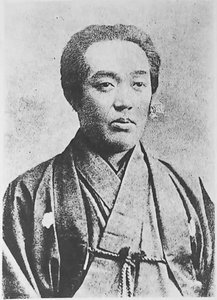
Tsukioka Yoshitoshi
1839 - 1892 , Japan
Kurzinfos
- Beeinflusste Künstler: ['Utagawa Kuniyoshi']
- Bemerkenswerte Werke:
- Tokugawa Iemitsu Empfangt Lords
- Krieger (General Yamanaka)
- Musha Burui Serie
- Geburtsdatum: 30. April 1839
- Geburtsort: Tokio, Japan
- Künstlerische Richtung: Ukiyo-e
- Nationalität: Japanisch
- Todatum: 9. Juni 1892
- Vollständiger Name: Tsukioka Yoshitoshi
- Von Künstlern Beeinflusst:
- Utagawa Hiroshige
- Katsushika Hokusai
Ähnliche Artikel

Katsushika Hokusai: Die 25 Meisterwerke des Ukiyo-e – Kunst für Ihr Zuhause | OriginalUniqueArt
Entdecken Sie die 25 Meisterwerke von Katsushika Hokusai! Tauchen Sie ein in die Welt des Ukiyo-e, berühmte Holzschnitte wie 'Die große Welle' & Fuji-Ansichten. Hochwertige Kunstdrucke für Ihr Zuhause – jetzt auf OriginalUniqueArt.com!
Masterpieces of Japan: A Definitive Guide to Ukiyo-e and the Art of the Floating World
Explore the profound beauty of Japanese Ukiyo-e. From Hokusai's iconic waves to the elegance of the Edo period, discover the history and masters behind the 'Floating World' in this expert art-history guide for collectors and enthusiasts.
Ukiyo-e: Exploring Japan's Floating World & Enduring Artistic Legacy
Explore the captivating world of Ukiyo-e – Japan's iconic woodblock prints! Discover masters like Hokusai & Hiroshige, learn about Edo period culture, and find expert art collecting guidance at OriginalUniqueArt.

Floating Worlds: A Definitive Guide to the Mastery and Philosophy of Japanese Ukiyo-e Woodblock Prints
Explore the profound beauty of Ukiyo-e. Discover the history, philosophy, and legendary masters of Japanese woodblock prints, from Hokusai to Kuniyoshi, in this expert guide to the 'Floating World'.
Tsukioka Yoshitoshi: Der letzte Glanz des Ukiyo-e – Narrative, Innovation und der Wandel im Meiji-Zeitalter
Entdecken Sie das faszinierende Werk von Tsukioka Yoshitoshi, dem letzten Meister des Ukiyo-e. Erfahren Sie mehr über seine Innovationen, den Einfluss der Meiji-Zeit und die bleibende Bedeutung seiner Kunst.


