Vorschau anzeigen
 Versenden
 Teilen
 Details anzeigen
 Leitfaden

 Herunterladen
 Ähnliche Objekte
 Röntgenaufnahme
 Diashow
 Statistiken
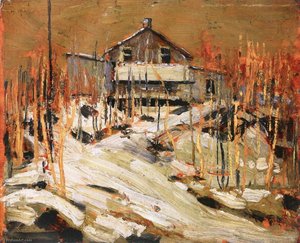
Burnt Area with Ragged Rocks


 Weiterlesen
Giclée / Kunstdruck
Giclée- oder Leinwanddruck in Museumsqualität mit schneller Produktion und flexiblen Veredelungsoptionen. ( Handgemalte Reproduktion bestellen Zum digitalen Bild wechseln)




P118B €10

P118H €10

P118W €10

P438Z €10

P508JH €12

P508YH €12

P805H €10

P805Z €10

P919BZ €10

P919G €10

P919XJ €10

P959ZH €10

P968JZ €12

W106C €8

W218G €10

W218JH €8

W218Y €10

W307PJ €10

W316G €10

W316PJ €8

W316Y €10

W398PJ €8

W4111J €10

W500HY €15

W500JH €15

W692G €12

W849H €8

W940BG €15

W953PJ €8




Wählen Sie aus unseren vordefinierten Formaten, die den ursprünglichen Proportionen des Kunstwerks entsprechen.

Geben Sie die benötigte Breite und Höhe an, damit der Druck perfekt in Ihren Rahmen oder an Ihre Wand passt. Ein Druck kann nur beschnitten, aber niemals größer als das Originalbild angefertigt werden; daher verliert ein Format mit anderen Proportionen einen Teil des Bildes. Wir senden Ihnen ein digitales Mockup zur Freigabe, bevor wir den Druck ausführen. Das auf dieser Seite gezeigte Bild zeigt nicht den tatsächlichen Beschnitt – dies ist nur im Mockup ersichtlich.
Weltweiter Versand () innerhalb von 2 Wochen statt der üblichen 4/5 Wochen. (26 Oktober)

Kostenloser weltweiter Expressversand

Hochwertige Leinenleinwand

Umfassender Versicherungsschutz beim Versand

Zollgebühren-Rückerstattungsgarantie

Garantie für exakte Farbtreue

100 Tage Rückgaberecht (nur bei Mängeln)

100% Geld-zurück-Garantie

Mengenrabatt verfügbar
 Die Glasoption ist nur für Größen unter 110 cm verfügbar.

Burnt Area with Ragged Rocks
Giclée / Kunstdruck
Format der Reproduktion
-


Endpreis
€ 70
A Landscape Etched in Memory: Tom Thomson’s “Burnt Area with Ragged Rocks”
Tom Thomson's "Burnt Area with Ragged Rocks," painted in 1915, isn’t merely a depiction of a Canadian landscape; it’s a visceral embodiment of resilience and the poignant beauty born from devastation. This evocative oil on canvas transports us to the heart of Algonquin Park, a place that held profound significance for Thomson – both as a subject of his artistic obsession and as a sanctuary where he sought solace amidst personal turmoil. The painting immediately commands attention with its dramatic palette dominated by cool blues, greens, and grays, punctuated by flashes of pink and orange hinting at an elusive sunrise or sunset, creating a sense of melancholic grandeur.
The composition itself is strikingly asymmetrical, drawing the eye to the jagged foreground – a chaotic jumble of burnt trees and rocks that seem to claw upwards towards the hazy horizon. These aren’t idealized representations of nature; they are raw, almost brutal, testaments to a recent wildfire. The artist masterfully employs atmospheric perspective, subtly lightening and blurring distant hills, reinforcing the feeling of vastness and isolation. Thomson's signature impasto technique is particularly evident here – thick layers of paint applied with bold, expressive brushstrokes that lend texture and dynamism to the scene. You can almost feel the heat radiating from the charred remains, a tangible reminder of nature’s capacity for both destruction and renewal.
Decoding the Symbolism: Loss, Resilience, and the Canadian Spirit
Beyond its technical brilliance, “Burnt Area with Ragged Rocks” resonates deeply on an emotional level. The skeletal trees, stripped bare by fire, evoke a sense of loss – not just of physical beauty but also perhaps of hope or innocence. Yet, within this devastation, there’s a powerful undercurrent of resilience. The rocks themselves, stubbornly enduring the flames, suggest a stubborn refusal to surrender. This duality—the simultaneous presence of destruction and endurance—is central to the painting's meaning.
Many art historians connect this work to Thomson’s personal struggles during World War I. The turmoil he experienced – his rejection from military service, the loss of friends, and a general sense of unease – likely fueled a preoccupation with themes of destruction and regeneration. The painting can be interpreted as a metaphor for the human condition—a reflection on the inevitability of hardship and the enduring spirit required to overcome it. It’s also deeply rooted in Canadian identity; Thomson's exploration of the wilderness, particularly Algonquin Park, became synonymous with the nation’s rugged beauty and pioneering spirit.
The Painterly Process: Technique and Style
Thomson’s approach to landscape painting was revolutionary for his time. He eschewed meticulous realism in favor of a more expressive style—a technique often described as Post-Impressionism, influenced by the Group of Seven. His brushwork is loose and gestural, prioritizing capturing the *feeling* of a place over precise detail. The colors are vibrant yet muted, creating an atmosphere of both drama and tranquility.
The impasto technique—the application of thick paint—is particularly noteworthy. It adds incredible texture to the canvas, making it almost tactile. You can see the individual brushstrokes, each contributing to the overall sense of movement and energy. Thomson’s use of color is equally deliberate; he doesn't shy away from dark, somber tones, but balances them with bursts of light and warmth, creating a dynamic interplay between darkness and illumination. The painting demonstrates his ability to capture not just what he *saw*, but also what he *felt* about the landscape.
A Legacy Enduring: Reproduction and Appreciation
“Burnt Area with Ragged Rocks” remains one of Tom Thomson’s most celebrated works, a testament to his artistic vision and his profound connection to the Canadian wilderness. Reproductions, such as those offered by Group of Seven Art, allow us to experience this powerful painting in our own homes, bringing its evocative beauty and poignant symbolism into our spaces.
Whether displayed on a gallery wall or incorporated into an interior design scheme, this artwork offers more than just aesthetic appeal. It’s a reminder of the enduring power of nature, the resilience of the human spirit, and the profound beauty that can be found even in the face of adversity. Consider commissioning a high-quality print – a faithful recreation of Thomson's original vision—to bring this iconic Canadian landscape into your world.
Fragen & Antworten
Gibt es ein Factsheet zu "Burnt Area with Ragged Rocks" von Tom Thomson für Studierende?
Die Leitfaden-Seite von "Burnt Area with Ragged Rocks" von Tom Thomson bietet ein druckbares, zweiseitiges Infoblatt: das Kunstwerk mit seiner Identifikationstabelle, eine zeitliche Einordnung in die Lebensspanne des Künstlers, weitere Werke des Künstlers, die gemessene Farbpalette sowie kopierfertige Zitate in vier verschiedenen Stilen.
Welches Gefühl vermittelt "Burnt Area with Ragged Rocks" von Tom Thomson?
"Burnt Area with Ragged Rocks" von Tom Thomson vermittelt ein Melancholic Gefühl innerhalb einer insgesamt Calm Stimmung.
Wie harmonisch sind die Farben von "Burnt Area with Ragged Rocks" von Tom Thomson?
Die Farbharmonie von „Burnt Area with Ragged Rocks“ wird als Discordant Palette beschrieben.
Künstlerbiografie
Thomas John Thomson: Ein Pionier der kanadischen Landschaftskunst
- Geboren: 5. August 1877, Claremont, Kanada
- Gestorben: 8. Juli 1917 (39 Jahre alt), Canoe Lake, Ontario
Thomas John Thomson, oft einfach Tom Thomson genannt, gilt als eine zentrale Figur in der kanadischen Kunstgeschichte. Obwohl seine Karriere tragischerweise kurz war, nur etwa fünf Jahre dauerte, hinterließ er ein bleibendes Vermächtnis bei der Entwicklung einer unverwechselbaren kanadischen künstlerischen Identität. Er wird weithin als Vorläufer der Gruppe von Sieben angesehen, und seine eindringlichen Landschaften berühren das Publikum bis heute.
Frühes Leben und Karriere
- Ländliche Anfänge: Thomson wurde in einer großen Bauernfamilie im ländlichen Ontario geboren. Trotz fehlender außergewöhnlicher künstlerischer Begabung entwickelte er eine Wertschätzung für die Natur durch Erkundung der Wälder in der Nähe seines Zuhauses.
- Vielfältige Beschäftigung: Bevor er sich der Kunst widmete, übte Thomson verschiedene Berufe aus, unter anderem in einer Eisengießerei und absolvierte kurz ein Wirtschaftskolleg. Er verbrachte auch Zeit in Seattle als Werbekünstler.
- Erfahrung als Werbekünstler: Seine Erfahrung als Stiftzeichner bei Fotoätzereien wie Grip Ltd. in Toronto erwies sich als entscheidend. Dort traf er wichtige Persönlichkeiten, die später die Gruppe von Sieben bildeten, darunter J.E.H. MacDonald und Lawren Harris. Diese Umgebung führte ihn künstlerischen Trends aus und vermittelte wertvolle technische Fähigkeiten.
- Entdeckung des Algonquin Parks: Ein entscheidender Moment kam 1912, als Thomson den Algonquin Park zum ersten Mal besuchte. Inspiriert von der wilden Schönheit dieses Ortes begann er, die Landschaft zu skizzieren, angeleitet durch den Rat von MacDonald. Er entwickelte eine tiefe Verbindung zu dieser Region, verbrachte viel Zeit dort und entwickelte eine einzigartige künstlerische Vision.
Künstlerische Entwicklung und Stil
- Frühe Werke: Thomsons anfängliche Gemälde zeigten Versprechen in Bezug auf Komposition und Farbgebung, litten jedoch unter mangelnder technischer Verfeinerung.
- Entwicklung der Technik: Im Laufe der Zeit entwickelte sich sein Stil dramatisch weiter. Seine späteren Werke zeichnen sich durch lebendige Farben, dick aufgetragene Farbe (Impasto) und eine dynamische Verwendung von Pinselstrichen aus, die die Energie und Atmosphäre der kanadischen Landschaft vermitteln.
- Themenwahl: Thomsons Themenwahl beschränkte sich fast ausschließlich auf Landschaften – Bäume, Himmel, Seen, Flüsse und andere natürliche Szenen. Er fing das Wesen der Wildnis Ontarios mit einer unmittelbaren und emotionalen Intensität ein, die in der kanadischen Kunst bis dahin selten zu finden war.
- Unverkennbarer Stil: Sein Stil wird oft als ausdrucksstark und eindringlich beschrieben, wobei er nicht nur das visuelle Erscheinungsbild, sondern auch das Gefühl und den Geist der Landschaft einfängt.
Wichtige Werke und Vermächtnis
- Ikonische Gemälde: Zu Thomsons bekanntesten Werken gehören The Jack Pine (Der Kiefernzapfen), The West Wind (Der Westwind), Moonlight Sail (Mondscheinfahrt) und Birch Grove, Autumn (Buchenhaine im Herbst). Diese Gemälde sind zu ikonischen Darstellungen der kanadischen Identität und der natürlichen Schönheit des Landes geworden.
- Einfluss auf die Gruppe von Sieben: Obwohl er starb, bevor die Gruppe von Sieben offiziell 1920 gegründet wurde, gilt Thomson als inoffizielles Mitglied. Seine Arbeit beeinflusste die künstlerische Ausrichtung der Gruppe maßgeblich, insbesondere ihre Annahme kräftiger Farben und ausdrucksstarker Pinselstriche zur Darstellung der kanadischen Landschaft.
- Tragischer Tod und Mythos: Thomsons versehentlicher Tod durch Ertrinken in Canoe Lake ist mit seiner Legende verbunden. Die Umstände seines Todes haben Spekulationen und Gerüchte befeuert, was zu seinem Mysterium beiträgt.
Historische Bedeutung
- Pionier der kanadischen Moderne: Thomson gilt als Pionier der kanadischen modernen Kunst, der von traditionellen europäischen Stilen abwich und eine einzigartig kanadische Ästhetik schuf.
- Nationales Symbol: Seine Gemälde sind zu kraftvollen Symbolen für die Wildnis Kanadas und die nationale Identität geworden.
- Beständiger Ruhm: Thomsons Werk wird weiterhin ausgiebig ausgestellt und bewundert, was seine Position als einer der beliebtesten und wichtigsten Künstler Kanadas festigt. Seine Kunst befindet sich hauptsächlich in wichtigen kanadischen Institutionen wie der Art Gallery of Ontario, der National Gallery of Canada, dem McMichael Canadian Art Collection und der Tom Thomson Art Gallery.

Tom Thomson
1877 - 1917 , Kanada
Kurzinfos
- Artistic Movement Or Style: Frühes kanadisches Modern.
- Artists Or Movements Influenced By This Artist: ['Group of Seven']
- Date Of Birth: 5. August 1877
- Date Of Death: 8. Juli 1917
- Full Name: Thomas John Thomson
- Nationality: Kanadisch
- Notable Artworks:
- The Jack Pine
- The West Wind
- Moonlight Sail
- Birch Grove, Autumn
- Place Of Birth: Claremont, Kanada
Ähnliche Artikel

Evocations of Place: A Historical Journey Through Landscape Art
Explore the rich history of landscape art with OriginalUniqueArt. Discover renowned artists, movements like Impressionism & Romanticism, and expert guidance for collecting timeless pieces. Find your perfect serene escape today!

Arthur Lismer: Pionier des kanadischen Modernismus und die Visionäre Seele der Group of Seven
Entdecken Sie das Leben und Werk von Arthur Lismer, einem Pionier des kanadischen Modernismus und Schlüsselfigur der Group of Seven. Erfahren Sie mehr über seine einzigartigen Landschaftsbilder und seinen Einfluss auf die Kunstgeschichte Kanadas.

John Constable: Die 25 Meisterwerke des englischen Landschaftsgenies – OriginalUniqueArt
Entdecken Sie die 25 Meisterwerke von John Constable! Erleben Sie englische Landschaftsmalerei vom Hay Wain bis zur Stour Valley. Hochwertige Reproduktionen & Kunst für Ihr Zuhause auf OriginalUniqueArt.com.
Thomas Thomson: Pioneering Canadian Landscape & the Pursuit of National Identity
Explore the evocative landscapes of Tom Thomson, a pivotal figure in Canadian art & precursor to the Group of Seven. Discover his bold style, lasting legacy, and profound impact on shaping a national artistic identity.

Romantische Landschaften: Die 10 Meisterwerke, die eine Epoche prägten | OriginalUniqueArt
Entdecken Sie die 10 Meisterwerke der Romantischen Landschaftsmalerei! Von Caspar David Friedrich bis Turner – erleben Sie die Kunst, Emotion & Natur. Hochwertige Reproduktionen auf OriginalUniqueArt.com