In echtem Maßstab anzeigen
 Versenden als Grußkarte
 Teilen
 Details anzeigen
 Leitfaden öffnen

 Herunterladen
 Ähnliche Objekte
 Röntgenaufnahme
 Diashow
 Besucherstatistiken
Grand Canyon


 Mehr anzeigen
Giclée / Kunstdruck
Giclée- oder Leinwanddruck in Museumsqualität mit schneller Produktion und flexiblen Veredelungsoptionen. ( Handgemalte Reproduktion kaufen Zum digitalen Bild wechseln)




P118B €10

P118H €10

P118W €10

P438Z €10

P508JH €12

P508YH €12

P805H €10

P805Z €10

P919BZ €10

P919G €10

P919XJ €10

P959ZH €10

P968JZ €12

W106C €8

W218G €10

W218JH €8

W218Y €10

W307PJ €10

W316G €10

W316PJ €8

W316Y €10

W398PJ €8

W4111J €10

W500HY €15

W500JH €15

W692G €12

W849H €8

W940BG €15

W953PJ €8




Wählen Sie aus unseren vordefinierten Formaten, die den ursprünglichen Proportionen des Kunstwerks entsprechen.

Geben Sie die Breite und die Höhe an, die Sie benötigen, damit der Druck perfekt in Ihren Rahmen oder an Ihre Wand passt. Ein Druck kann nur beschnitten werden und niemals größer als das Originalbild gemacht werden; daher verliert ein Format mit einer anderen Proportion einen Teil des Bildes. Wir senden Ihnen ein digitales Mockup zur Freigabe, bevor wir den Druck ausführen. Das auf dieser Seite gezeigte Bild zeigt nicht den tatsächlichen Beschnitt – dies ist nur im Mockup ersichtlich.
Weltweiter Versand () innerhalb von 2 Wochen statt der üblichen 4/5 Wochen. (22 Oktober)

Kostenloser weltweiter Expressversand

Hochwertige Leinenleinwand

Vollständiger Versicherungsschutz beim Versand

Zollgebühren-Rückerstattungsgarantie

Garantie für exakte Farbtreue

100-tägiges Rückgaberecht (nur bei Mängeln)

100% Geld-zurück-Garantie

Angebot für Mengenrabatt
 Die Glasoption ist nur für Größen unter 110 cm verfügbar.

Grand Canyon
Giclée / Kunstdruck
Format der Reproduktion
-


Gesamtpreis
€ 70
A Symphony in Stone and Sky
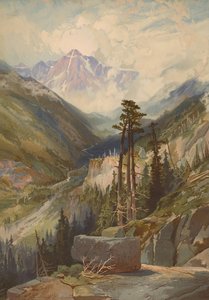
To gaze upon Thomas Moran’s 1912 masterpiece, Grand Canyon, is to step into the very heart of the American Romantic spirit. This is not merely a geological record of one of Earth's most profound chasms; it is an evocative embodiment of the sublime, designed to stir the deepest recesses of the human soul. As a prominent figure of the Hudson River School, Moran possessed a rare ability to translate the untamed wilderness into a visual language of awe and reverence. In this oil on canvas, the artist transcends simple representation, striving instead to capture the ephemeral essence of light, atmosphere, and the overwhelming majesty of the American West.
The painting serves as a breathtaking window into a landscape where the earth meets the heavens in a dramatic embrace. Through a masterful use of diagonal perspective, Moran draws the viewer’s eye upward, navigating through textured foreground rocks and lush foliage toward the dizzying heights of the canyon walls. This compositional choice is deeply intentional, reinforcing a sense of human insignificance when confronted with such monumental natural power. The interplay of light and shadow creates a palpable sense of depth, as if one could reach out and feel the cooling mist rising from the depths or the warmth of the sun breaking through a turbulent sky.
The Mastery of Light and Color
Moran’s technical prowess is most evident in his exquisite handling of color and light, a hallmark of his reputation as an unparalleled colorist. He employs a sophisticated technique of layering thin glazes of oil paint, a method that allows light to penetrate the surface and glow from within, creating a luminous, ethereal effect. The palette is a study in contrasts: warm, radiant yellows and fiery oranges illuminate the canyon's edges where sunlight pierces the clouds, while cooler blues, deep grays, and muted violets dominate the distant, receding peaks. This atmospheric perspective does more than create distance; it evokes the very breath of the continent.
The brushwork further enhances this sensory experience. While the foreground features textured, vigorous strokes that ground the viewer in the rugged reality of the terrain, the background transitions into smoother, softer applications that suggest the hazy, moisture-laden air of a storm passing over the mountains. This meticulous attention to detail—from the jagged edges of ancient stone to the soft, billowing clouds—ensures that the painting remains a visceral experience, inviting the observer to participate in the drama of the landscape.
A Timeless Legacy for the Discerning Collector
For the art lover, the collector, or the interior designer, a high-quality reproduction of this work offers more than mere decoration; it provides an emotional anchor for a space. The Grand Canyon by Thomas Moran carries with it a sense of historical grandeur and a profound connection to the American identity. Its scale and dramatic movement make it a commanding centerpiece, capable of transforming a room into a sanctuary of contemplation and wonder.
Whether placed in a sophisticated gallery setting or integrated into a curated residential interior, this painting brings the spirit of exploration and the beauty of the untamed world into the home. It remains a testament to a period when art sought to bridge the gap between the seen and the felt, making it an enduring choice for those who seek to surround themselves with works that possess both historical significance and an everlasting emotional resonance.
Fragen & Antworten
Zu welcher Stilrichtung gehört "Grand Canyon"?
„Grand Canyon“ ist ein Werk der Hudson River School. Die Stilrichtung gibt die künstlerische Tradition an, der das Werk angehört.
Welche Farbidentität weist "Grand Canyon" von Thomas Moran auf?
"Grand Canyon" zeichnet sich durch eine Earthy-Palette aus, die von Quinacridone Magenta (#75604c) dominiert wird.
Welche Sättigung und Intensität weist "Grand Canyon" von Thomas Moran auf?
Die Farben von "Grand Canyon" von Thomas Moran weisen eine Subtle Color Sättigung mit einer Balanced Intensität auf.
Biografie des Künstlers
Frühe Jahre und Karriere
Thomas Moran, ein renommierter amerikanischer Maler und Grafiker der Hudson River School in New York, dessen Werk oft die Rocky Mountains darstellt, wurde am 12. Februar 1837 in Bolton, England, geboren. Seine Familie zog später in die Vereinigten Staaten und ließ sich in New York nieder, wo Moran seine künstlerische Stimme finden würde. Als jüngerer Bruder des bekannten Marinekünstlers Edward Moran teilte er ein Atelier mit ihm und markierte damit den Beginn seiner künstlerischen Reise.Künstlerischer Stil und Einflüsse
Morans Werk wurde stark von dem britischen Künstler J. M. W. Turner beeinflusst, dessen Verwendung von Farbe und seiner Wahl der Landschaften Moran dazu inspirierten, ähnliche Themen in seinen eigenen Werken zu erkunden. Dies zeigt sich in seinen Gemälden, die oft die Rocky Mountains und den amerikanischen Westen zeigen. Sein Stil, der durch sorgfältige Details und eine Mischung aus Realismus und Romantik gekennzeichnet ist, sicherte ihm einen bedeutenden Platz innerhalb der Hudson River School Bewegung.Bemerkenswerte Werke und Errungenschaften
- Der Grand Canyon des Yellowstone (1872): Dieses monumentale Gemälde wurde von der Regierung für 10.000 Dollar gekauft und markierte Morans erste bedeutende Anerkennung als Künstler.
- Yellowstone Nationalpark: Morans Skizzen und Gemälde spielten eine entscheidende Rolle bei der Gründung des Yellowstone als ersten Nationalpark im Jahr 1872.
Entwicklung und Bedeutung
Moran entwickelte seinen Stil weiter, indem er die Techniken von Turner übernahm und sie mit seiner eigenen Beobachtungsgabe für die amerikanischen Landschaften kombinierte. Er war einer der ersten Künstler, der die Schönheit und Größe des amerikanischen Westens in großformatigen Gemälden festhielt. Seine Fähigkeit, Licht und Atmosphäre einzufangen, verlieh seinen Werken eine besondere Tiefe und Dramatik. Moran trug maßgeblich dazu bei, das Bewusstsein für die Bedeutung des Naturschutzes zu schärfen und inspirierte viele Menschen, die Wunder der amerikanischen Landschaft zu erkunden.Vermächtnis und Einfluss
Morans Beiträge zur amerikanischen Landschaftsmalerei sind unbestreitbar. Seine Arbeit spiegelte nicht nur die Schönheit des amerikanischen Westens wider, sondern inspirierte auch eine neue Generation von Künstlern. Heute finden sich seine Gemälde in verschiedenen Museen, darunter das Smithsonian American Art Museum, ein Beweis für sein bleibendes Vermächtnis. Wichtige Daten: - 12. Februar 1837: geboren in Bolton, England - 25. August 1926: verstarb in Santa Barbara, Kalifornien
Thomas Moran
1837 - 1926 , Vereinigtes Königreich
Eckdaten zum Künstler
- Beeinflusste Künstler: ['J. M. W. Turner']
- Bemerkenswerte Werke:
- The Grand Canyon of the Yellowstone
- Yellowstone National Park
- The Chasm of the Colorado
- Geburtsdatum: 12. Februar 1837
- Geburtsort: Bolton, England
- Künstlerische Bewegung: Hudson River School
- Nationalität: Amerikanisch
- Sterbedatum: 25. August 1926
- Vollständiger Name: Thomas Moran
- Von Künstlern Beeinflusst: ['Edward Moran']
Verwandte Artikel
Thomas Hill: Luminosity, Landscape & the American Pastoral Ideal
Explore the luminous landscapes of Thomas Hill, a pivotal figure in the Hudson River School & Luminism movements. Discover his artistic journey, philosophical depth, and enduring legacy with OriginalUniqueArt.
Robert Spencer: Luminism, Narrative & the American Landscape Tradition
Explore the captivating world of Luminism & the Hudson River School with our expert analysis. Discover the history, artists, and enduring beauty of 19th-century American landscape painting. Find museum-quality reproductions at OriginalUniqueArt.
The Sublime Landscape: Exploring the Hudson River School Movement
Explore the captivating world of the Hudson River School! Discover the history, artists, and defining characteristics of this iconic American art movement. Learn about Romanticism's influence & find inspiration for your collection.
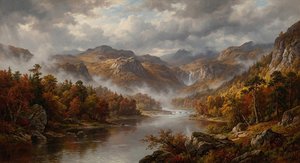
Die 10 Meisterwerke der Hudson River School: Kunst für Ihr Zuhause | OriginalUniqueArt
Entdecken Sie die 10 prägendsten Meisterwerke der Hudson River School! Erfahren Sie mehr über Thomas Cole, Frederic Church & Co. und ihre atemberaubenden Landschaftsbilder. Hochwertige Kunstdrucke für Ihr Zuhause – jetzt auf OriginalUniqueArt.com!
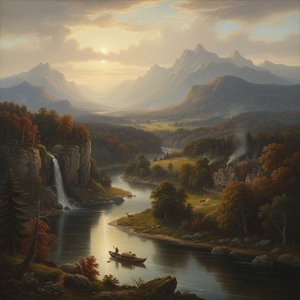
Capturing the American Spirit: A Journey Through Iconic Landscapes and the Legacy of the Hudson River School
Explore the profound beauty of American art history. From the Hudson River School to iconic landscapes, discover a curated journey through the masterpieces that defined a nation's spirit and the enduring legacy of American Romanticism.