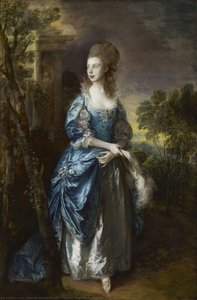
Vorschau anzeigen
 Versenden
 Teilen
 Details anzeigen
 Leitfaden

 Herunterladen
 Ähnliche Objekte
 Röntgenaufnahme
 Diashow
 Fragen & Antworten
 Statistiken
Diana and Actaeon


 Weiterlesen
Giclée / Kunstdruck
Giclée- oder Leinwanddruck in Museumsqualität mit schneller Produktion und flexiblen Veredelungsoptionen. ( Handgemalte Reproduktion bestellen Zum digitalen Bild wechseln)




P118B €10

P118H €10

P118W €10

P438Z €10

P508JH €12

P508YH €12

P805H €10

P805Z €10

P919BZ €10

P919G €10

P919XJ €10

P959ZH €10

P968JZ €12

W106C €8

W218G €10

W218JH €8

W218Y €10

W307PJ €10

W316G €10

W316PJ €8

W316Y €10

W398PJ €8

W4111J €10

W500HY €15

W500JH €15

W692G €12

W849H €8

W940BG €15

W953PJ €8




Wählen Sie aus unseren vordefinierten Formaten, die den ursprünglichen Proportionen des Kunstwerks entsprechen.

Geben Sie die benötigte Breite und Höhe an, damit der Druck perfekt in Ihren Rahmen oder an Ihre Wand passt. Ein Druck kann nur beschnitten, aber niemals größer als das Originalbild angefertigt werden; daher verliert ein Format mit anderen Proportionen einen Teil des Bildes. Wir senden Ihnen ein digitales Mockup zur Freigabe, bevor wir den Druck ausführen. Das auf dieser Seite gezeigte Bild zeigt nicht den tatsächlichen Beschnitt – dies ist nur im Mockup ersichtlich.
Weltweiter Versand () innerhalb von 2 Wochen statt der üblichen 4/5 Wochen. (8 November)

Kostenloser weltweiter Expressversand

Hochwertige Leinenleinwand

Umfassender Versicherungsschutz beim Versand

Zollgebühren-Rückerstattungsgarantie

Garantie für exakte Farbtreue

100 Tage Rückgaberecht (nur bei Mängeln)

100% Geld-zurück-Garantie

Mengenrabatt verfügbar
 Die Glasoption ist nur für Größen unter 110 cm verfügbar.

Diana and Actaeon
Giclée / Kunstdruck
Format der Reproduktion
-


Endpreis
€ 72
A Moment of Divine Encounter: Thomas Gainsborough's *Diana and Actaeon*
Thomas Gainsborough’s 1788 painting, *Diana and Actaeon*, is more than just a depiction of a mythological narrative; it’s a profound meditation on the precariousness of knowledge, the allure of the natural world, and the inherent dangers of disrupting the sacred. Acquired from the artist's studio sale, this work immediately captivates with its serene yet subtly unsettling atmosphere, a hallmark of Gainsborough’s mature style. The scene unfolds within a richly detailed forest setting – a deliberate choice that elevates the story beyond a simple fable, grounding it in the tangible beauty and inherent mystery of the English countryside.
- Subject Matter: The painting portrays the classic tale from Ovid's *Metamorphoses* where Actaeon, while hunting, inadvertently stumbles upon Diana, the goddess of the hunt, bathing with her nymphs.
- Composition: Gainsborough masterfully employs a pyramidal composition, drawing the viewer’s eye through the scene – from the central figures of Diana and Actaeon to the peripheral group of women enjoying the water's edge. The placement of the bird in the upper right corner adds an element of watchful observation, perhaps symbolizing divine awareness or the fleeting nature of human experience.
Technique and Style: Gainsborough’s Romantic Vision
Gainsborough’s technique is characterized by a remarkable sensitivity to light and texture. He employs loose brushwork, particularly in depicting the foliage and water, creating an impressionistic effect that anticipates later developments in art history. The use of warm, earthy tones – ochres, browns, and greens – evokes the atmosphere of the Suffolk countryside, while subtle shifts in color highlight the figures’ forms and create a sense of depth. The painting demonstrates Gainsborough's evolving approach to landscape as an integral part of his narrative, moving beyond mere background decoration to become a vital element of the story itself.
- Oil on Canvas: Executed in oil paint on canvas, the work showcases Gainsborough’s mastery of color and texture.
- Loose Brushwork: His characteristic loose brushstrokes contribute to the painting's atmospheric quality and sense of movement.
Symbolism and Interpretation
*Diana and Actaeon* is rich in symbolic meaning, reflecting the broader intellectual currents of the late 18th century. Diana represents not only the hunt but also chastity, independence, and the untamed power of nature. Actaeon’s transgression – his intrusion into a sacred space – serves as a cautionary tale about the dangers of unchecked curiosity and the importance of respecting boundaries. The presence of the nude women bathing adds another layer of complexity, suggesting themes of female beauty, vulnerability, and perhaps even the seductive power of the natural world. The painting can be interpreted as an allegory for the Enlightenment’s fascination with both scientific observation and the potential pitfalls of human knowledge.
Historical Context and Emotional Impact
Painted in 1788, at the close of Gainsborough's career, *Diana and Actaeon* represents a culmination of his artistic explorations. It reflects the growing Romantic sensibility – an appreciation for nature’s beauty and power, alongside a fascination with mythology and folklore. The painting evokes a sense of quiet contemplation and subtle unease, inviting viewers to ponder the relationship between humanity and the divine. Its serene depiction of a dramatic event creates a powerful emotional resonance, capturing a fleeting moment of vulnerability and transgression within a timeless landscape.
Fragen & Antworten
Wie kann ich das Bild von "Diana and Actaeon" von Thomas Gainsborough herunterladen?
Für „Diana and Actaeon“ steht ein Download zur Verfügung: Die Download-Seite des Kunstwerks bietet hochauflösender digitaler Bild-Download.
Woher kommen die Besucher von "Diana and Actaeon" von Thomas Gainsborough?
Für „Diana and Actaeon“ gibt es eine Besucherzahlen-Seite. Sie zeigt die monatlichen Aufrufe des Kunstwerks sowie weiterer Werke des Künstlers mit einer Aufschlüsselung nach Land und Sprache an.
Ist "Diana and Actaeon" im Heimatland seines Künstlers verblieben?
Nein – das Kunstwerk wird im Ausland aufbewahrt. Thomas Gainsborough wurde in Vereinigtes Königreich geboren, und das Original von „Diana and Actaeon“ befindet sich in einem Museum in United Kingdom.
Künstlerbiografie
Frühes Leben und Ausbildung
Thomas Gainsborough, eine bedeutende Figur der britischen Kunst des 18. Jahrhunderts, wurde am 14. Mai 1727 in Sudbury, Suffolk geboren. Als jüngster Sohn von John Gainsborough, einem Weber und Hersteller von Wollwaren, war Thomas' frühes Leben geprägt von einer angeborenen Leidenschaft für Zeichnung und Malerei. Bereits im Alter von zehn Jahren hatte er sein künstlerisches Talent mit Miniatur-Selbstporträts und kleinen Landschaftsbildern unter Beweis gestellt.Künstlerische Karriere
Thomas’ formelle künstlerische Ausbildung begann 1740 unter der Anleitung von Hubert Gravelot in London. Seine Assoziation mit William Hogarth beeinflusste jedoch maßgeblich seinen Stil. Gainsboroughs Werk zeichnet sich durch seine helle Farbpalette und mühelose Pinseltechnik aus, was ihn von seinen Zeitgenossen unterschied.- Porträt einer Dame in Blau (siehe auf OriginalUniqueArt) demonstriert Gainsboroughs Meisterschaft im Porträt, wobei der ruhige Ausdruck und die zarten Gesichtszüge des Subjekts bemerkenswert detailliert wiedergegeben sind.
- Johann Christian Bach (siehe auf OriginalUniqueArt) beweist seine Fähigkeit, das Wesen seiner Motive einzufangen, wie in diesem Ölgemälde auf Leinwand zu sehen ist.
- Selbstporträt (siehe auf OriginalUniqueArt) (Roy Miles Gallery, London, Großbritannien), ein Beweis für seine Fähigkeiten im Selbstporträt.
- Mary, Countess of Howe (siehe auf OriginalUniqueArt) (244 x 152 cm, Öl auf Leinwand), ein Beispiel für seine Porträts mit einer bedeutenden Persönlichkeit.
Einflüsse und Stilentwicklung
Gainsboroughs künstlerische Entwicklung war von verschiedenen Einflüssen geprägt. Die frühe Ausbildung bei Hubert Gravelot legte den Grundstein für seine Fähigkeiten in der grafischen Darstellung, während die Begegnung mit William Hogarth seinen Stil maßgeblich beeinflusste. Er entwickelte eine einzigartige Herangehensweise an das Porträt, indem er neben der formalen Darstellung auch die Persönlichkeit und Stimmung des Subjekts einzufangen versuchte. Seine Landschaftsbilder zeichnen sich durch eine lockere Pinseltechnik und eine atmosphärische Darstellung aus, die ihn von seinen Zeitgenossen abhebt. Die Rivalität mit Sir Joshua Reynolds befeuerte seinen Ehrgeiz, in beiden Genres herausragende Leistungen zu erzielen.Bemerkenswerte Werke und Standorte
Gainsboroughs Gemälde sind heute in zahlreichen Museen und Galerien weltweit zu bewundern.- Gloucester City Museum - Art Gallery, Gloucester, Großbritannien – entdecken Sie die Meisterwerke dieses Museums, darunter Werke von Charles March Gere und Richard Whitfo.
- Blake Museum, Großbritannien – erkunden Sie die in diesem Museum ausgestellten Kunstwerke, darunter Gemälde wie Irene von Thomas Chidgey.
- Die Charterschule (siehe auf OriginalUniqueArt) – ein beeindruckendes Ölgemälde aus dem Jahr 1748, das die Charterschule darstellt.
- Das Ehrenmitglied Harriott Marsham (siehe auf OriginalUniqueArt) – ein elegantes Porträt einer Dame aus dem 18. Jahrhundert.
- Der Blaue Junge (Jonathan Buttall) (siehe auf OriginalUniqueArt) – ein Meisterwerk der 18. Jahrhundert Porträtmalerei.
- Sir Henry Bate Dudley (siehe auf OriginalUniqueArt) – ein Meisterwerk des Rokoko.
- Herr und Frau Andrews (siehe auf OriginalUniqueArt) – ein atemberaubendes Porträt aus dem Jahr 1748.
Vermächtnis und Bedeutung
Thomas Gainsboroughs Einfluss auf die britische Kunst ist unbestreitbar. Als Gründungsmitglied der Royal Academy spielte er eine entscheidende Rolle bei der Gestaltung der Institution. Seine Werke werden bis heute für ihre Eleganz, ihren Charme und ihre meisterhafte Technik geschätzt. Er inspirierte nachfolgende Generationen von Künstlern und trug maßgeblich zur Entwicklung der britischen Porträt- und Landschaftsmalerei bei. Künstler wie Richard Wilson und William Heath Wilson wurden von seinem Stil beeinflusst. Sein Vermächtnis lebt in seinen zahlreichen Gemälden weiter, die Kunstliebhaber auf der ganzen Welt begeistern.- Richard Wilson – bekannt für seine ruhigen Landschafszenen und idyllischen Ausblicke.
- Sir Joshua Reynolds – Britanniens führender Porträtmaler & Gründer der Royal Academy.
- Hubert François Gravelot – Französischer Rokoko-Grafiker, der die englische Kunst beeinflusste.
- Gainsboroughs Haus in Sudbury – Geburtsort von Thomas Gainsborough.

Thomas Gainsborough
1727 - 1788 , Vereinigtes Königreich
Kurzinfos
- Beeinflusste Künstler:
- Richard Wilson
- Sir Joshua Reynolds
- Hubert François Gravelot
- Bemerkenswerte Werke:
- Porträt einer Dame in Blau
- Johann Christian Bach
- Selbstporträt
- Mary, Countess of Howe
- Herr und Frau Andrews
- Geburtsdatum: 14. Mai 1727
- Geburtsort: Sudbury, Vereinigtes Königreich
- Künstlerischer Stil: Rokoko, Porträtmalerei
- Nationalität: Britisch
- Sterbedatum: 1788
- Vollständiger Name: Thomas Gainsborough
- Von Ihm Beeinflusste Künstler:
- Imitator von Thomas Gainsborough RA
- William Heath Wilson
Ähnliche Artikel

Echoes of Time: Exploring the Enduring Appeal & Historical Context of Vintage Art Prints
Explore the captivating world of vintage art prints! Discover their history, collecting tips & enduring appeal. Expert insights on chromolithography and building a legacy collection with OriginalUniqueArt.
Echoes of Olympus: Mythological Narratives in Western Art Through the Ages
Explore the captivating history of mythological narratives in Western art! From ancient Greece to modern masterpieces, discover iconic artworks & symbolism. Expert analysis and high-quality reproductions at OriginalUniqueArt.

Giclée-Prints: Hochwertige Kunstreproduktionen mit Archivqualität für Ihr Zuhause
Erfahren Sie alles über die Archivqualität und Technik echter Giclée-Drucke. Jetzt Expertenwissen für Ihre Kunstsammlung entdecken!
Die 10 Meisterwerke des Neoklassizismus: Kunst für Ihr Zuhause |
Entdecken Sie die 10 Meisterwerke des Neoklassizismus! Von David bis Canova – erleben Sie Kunstgeschichte, elegante Ästhetik & zeitlose Schönheit. Hochwertige Reproduktionen auf .

The Enduring Legacy of Fine Art Prints: Technique, History & Aesthetic Impact
Explore the rich history & techniques of fine art prints. Discover investment potential, assess authenticity, and learn how to preserve your collection with expert guidance. Trusted insights for discerning collectors.