

 Vorschau anzeigen
 Versenden
 Teilen
 Details anzeigen

 Herunterladen
 Ähnliche Objekte
 Röntgenaufnahme
 Diashow
 Statistiken
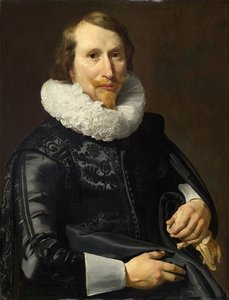
A Lady
 Dutch Golden Age
 1632
1632 79.0 x 52.0 cm
 Staatliche Museen zu Berlin
 Weiterlesen
Erwerben Sie ein hochauflösendes, optimiertes digitales Bild, das der Online-Vorschau weit überlegen ist.
Jede Datei wird von unseren hauseigenen Spezialisten mit modernsten Werkzeugen und fachmännischer manueller Retusche sorgfältig vorbereitet. Wir stellen sicher, dass jedes Bild eine außergewöhnliche Klarheit, präzise Farbgenauigkeit und feinste Details aufweist.
Die endgültige Datei wird innerhalb von 72 Stunden per E-Mail zugestellt und ist für den sofortigen Einsatz in professionellen, redaktionellen und Druckumgebungen optimiert. Es handelt sich um dieselbe Qualität, der führende Designstudios, Verlage und Galerien vertrauen.
Digitales Bild
Laden Sie eine hochauflösende Datei für die persönliche Präsentation, den Druck und kreative Projekte herunter. ( Zu Druck wechseln Handgemalte Reproduktion bestellen)
In jeder Bestellung digitaler Bilder enthalten
Professionelle digitale Bereitstellung, garantiert
Wenn Sie sich für OriginalUniqueArt.com entscheiden, erhalten Sie nicht nur ein Bild – Sie erhalten ein professionell aufbereitetes digitales Kunstwerk, das mit höchster Präzision erstellt und durch eine Zufriedenheitsgarantie abgesichert wird. Hier ist alles, was automatisch mit Ihrer Bestellung geliefert wird:

Schnelle E-Mail-Zustellung
Ihre hochauflösende digitale Bilddatei wird Ihnen innerhalb von 72 Stunden nach der Bestellung per E-Mail zugestellt – bereit zur sofortigen Verwendung.

KI-optimierte digitale Datei
Ihre Kunstwerke werden professionell mithilfe fortschrittlicher KI-Tools und manueller Bearbeitung optimiert, um maximale Detailtreue, Klarheit und Farbgenauigkeit zu gewährleisten.

Lebenslanger kostenloser Neudruckservice
Datei versehentlich gelöscht oder verloren? Keine Sorge – wir senden sie Ihnen jederzeit kostenlos erneut zu.

Keine Einfuhrgebühren – jemals
Genießen Sie Ihr Kunstwerk sofort ohne Zollgebühren, Einfuhrabgaben oder Versandkosten – digitale Downloads sind immer steuerfrei.

Garantierte Farbtreue
Wir garantieren, dass Ihr digitales Bild mithilfe professioneller Werkzeuge und Farbmanagement die Originalfarben so präzise wie möglich wiedergibt.

100-Tage-Zufriedenheitsgarantie
Wenn Sie mit Ihrem digitalen Bild nicht zufrieden sind, werden wir es überarbeiten oder 100% innerhalb von 100 Tagen erstatten – ohne Wenn und Aber.

100% Geld-zurück-Garantie
Nicht zufrieden? Erhalten Sie innerhalb von 100 Tagen nach Erhalt Ihrer digitalen Datei eine vollständige Rückerstattung – ohne Wenn und Aber.

Rabatte bei Großbestellungen
3 Bilder kaufen, 10% sparen – 5 Bilder kaufen, 15% sparen – Ab 10 Bildern 20% sparen. Ideal für kreative Projekte, Galerien und Agenturen.
A Portrait of Grace: Unveiling Thomas de Keyser’s “A Lady”
The year is 1632. Amsterdam thrives as the epicenter of the Dutch Golden Age, a period brimming with artistic innovation and opulent patronage. Within this vibrant scene emerges Thomas de Keyser, a painter whose skill lay not merely in capturing likeness but in distilling the very essence of his subjects – a talent brilliantly showcased in his captivating portrait, “A Lady.” This oil-on-oak panel painting, currently residing within the esteemed Staatliche Museen in Berlin, is more than just a depiction; it’s an invitation into a world of refined elegance and subtle psychological depth.
De Keyser's style, heavily influenced by both the meticulous detail of Flemish masters like Anthony van Dyck and the dramatic lighting favored by Rembrandt, results in a remarkably lifelike portrayal. The lady before us is presented with a poise that speaks volumes – her posture relaxed yet undeniably regal, her gaze direct and engaging. Notice how De Keyser masterfully employs chiaroscuro, the masterful use of light and shadow, to sculpt the figure, drawing attention to her face and hands while subtly enveloping the background in a veil of mystery. The dark interior, punctuated by the warm glow emanating from an unseen window, creates a sense of intimacy and draws the viewer into the scene.
Deconstructing the Details: Fashion, Symbolism, and Technique
A closer examination reveals a wealth of detail that speaks volumes about the era. The lady’s attire is a testament to the fashion of 17th-century Holland – a black bodice adorned with intricate gold trim and delicate lace, suggesting both wealth and status. The elaborate headwear, a white ruff collar framing a dark hat embellished with what appear to be feathers or decorative elements, further emphasizes her position within society. These aren’t merely decorative choices; they are carefully selected symbols of power, refinement, and social standing.
The background, far from being mere decoration, plays an integral role in the painting's narrative. The dark room, with its wooden floor featuring a subtle checkered pattern, evokes a sense of luxury and opulence – a space designed for contemplation and quiet enjoyment. The glimpse of a red velvet drape hints at hidden treasures and adds a touch of dramatic flair. De Keyser’s brushwork is remarkably precise, particularly evident in the rendering of the lace and the folds of the fabric. He utilizes layering techniques to create texture and depth, ensuring that every element contributes to the overall sense of realism.
A Window into the Dutch Golden Age
Understanding “A Lady” requires a glimpse into the context of its creation. Thomas de Keyser was a prominent figure in the Dutch art world during this period, renowned for his portraits and genre scenes commissioned by wealthy merchants and nobility. His work reflects the prosperity and cultural flourishing of the Netherlands – a nation at the forefront of artistic innovation and trade. The painting offers a fascinating window into the lives of the elite, revealing their values, aspirations, and aesthetic sensibilities.
Furthermore, De Keyser’s connection to Hendrick de Keyser, his father—a celebrated architect and sculptor who shaped Amsterdam's skyline—provides an intriguing layer of familial legacy. This lineage undoubtedly influenced Thomas’s artistic development, imbuing his work with a sense of technical mastery and architectural awareness. The painting stands as a testament not only to De Keyser’s individual talent but also to the enduring influence of his family’s artistic heritage.
Collecting the Essence: Reproduction and Legacy
Today, “A Lady” continues to captivate viewers with its timeless beauty and psychological depth. OriginalUniqueArt offers meticulously crafted hand-painted reproductions that faithfully capture the essence of De Keyser's masterpiece. These reproductions are not mere copies; they are artistic interpretations imbued with the same attention to detail, technique, and emotional resonance as the original. Whether adorning a grand salon or a more intimate space, a reproduction of “A Lady” brings a touch of Dutch Golden Age elegance and sophistication to any setting.
For those seeking further information on Thomas de Keyser and his remarkable oeuvre, we encourage you to explore resources such as OriginalUniqueArt.com and the Staatliche Museen in Berlin’s website. And for a deeper dive into the life and works of this pivotal artist, Wikipedia offers a comprehensive overview of his biography and artistic contributions.
Biografie des Künstlers
Das Vermächtnis von Thomas de Keyser: Ein Meister des niederländischen Goldenen Zeitalters
Im pulsierenden, geschäftigen Herzen des Amsterdams des siebzehnten Jahrhunderts, einer Epoche, die von beispiellosem Wohlstand und kultureller Blüte geprägt war, trat Thomas de Keyser als eine gewaltige Kraft im Bereich der Porträtmalerei hervor. Geboren 1596 in ein Umfeld, das von architektonischer Erhabenheit durchdrungen war, war De Keyser der Sohn des legendären Hendrick de Keyser – jener Architekt, dessen Hand die Skyline Amsterdams maßgeblich prägte. Diese Abstammung aus dem Handwerk bot weit mehr als nur einen Namen; sie vermittelte ein grundlegendes Verständnis von Struktur, Raum und der physischen Präsenz von Objekten, was später seinen Umgang mit der menschlichen Form definieren sollte. Aufgewachsen inmitten der Steinbrüche entlang der Amstel, war De Keyser in eine Welt eingetaucht, in der Kunst und Architektur untrennbar miteinander verwoben waren, was eine technische Präzision förderte, die zu seinem Markenzeichen werden sollte.
Seine künstlerische Reise wurde durch die formale Ausbildung unter Cornelis van der Voort weiter verfeinert – eine Lehre, die ihn mit den humanistischen Idealen und den anspruchsvollen Kompositionstechniken jener Ära vertraut machte. Im Laufe seiner Reife begann De Keysers Stil zu etwas wahrhaft Einzigartigem zu verschmelzen: einer Brücke zwischen der akribischen Detailtreue der Spätrenaissance und der dramatischen, psychologischen Intensität der aufstrebenden Barockbewegung. Während seine frühen Werke ein tiefes Interesse an der formalen Eleganenz seiner Vorgänger zeigten, entwickelte er bald die Fähigkeit, die gelebte Realität seiner Motive einzufangen, wobei er über die bloße Ähnlichkeit hinausging, um den eigentlichen Kern ihres Charakters zu berühren.
Der Rembrandtsche Schatten und die Kunst des Realismus
Um die Brillanz De Keysers zu verstehen, muss man sich mit der komplexen Beziehung zwischen seinem Werk und dem von Rembrandt van Rijn auseinandersetzen. Oft als Zeitgenosse beschrieben, der den revolutionären Geist der Epoche teilte, spiegelte De Keysers Herangehensweise an Licht und Schatten – das berühmte Chiaroscuro – die dramatischen Innovationen wider, die von Rembrandt vorangetrieben wurden. Dennoch besaß De Keyser eine einzigartige Klarheit; wo Rembrandt eine Form vielleicht in tiefen, mysteriösen Schatten auflösen würde, bewahrte De Keyser oft eine Schärfe der Linie und eine leuchtende Qualität seiner Texturen. Er war ein Meister des Taktilen und stellte den schweren Glanz von Seide, die komplizierten Muster von Spitze und die subtile, wettergezeichnete Haut eines alternden Kaufmanns mit fast wissenschaftlicher Genauigkeit dar.
Diese Hingabe zum Realismus machte ihn zum bevorzugten Porträtisten der aufstrebenden Kaufmannsklasse der Niederländischen Republik. Seine Fähigkeit, das Prestige seiner Dargestellten mit einem tiefen Gefühl für psychologische Wahrheit auszubildendes, erlaubte es ihm, Werke zu schaffen, die sowohl als Statussymbole als auch als intime Charakterstudien dienten. In seinen Gruppenporträts bewies er eine außergewöhnliche Gabe, komplexe Figurenanordnungen zu organisieren und sicherzustellen, dass jedes Individuum seine eigene Identität behielt, während es gleichzeitig zu einer kohärenten Erzählung kollektiven bürgerlichen Stolzes beitrug. Sein Pinselstrich wirkte trotz seiner Präzision niemals statisch; in seinen Kompositionen liegt eine rhythmische Vitalität, die den eingefrorenen Momenten des siebzehnten Jahrhunderts Leben einhaucht.
Historische Bedeutung und künstlerischer Triumph
Die Errungenschaften von Thomas de Keyser reichen weit über die Leinwand hinaus und stellen ein wesentliches Kapitel in der Geschichte der nordeuropäischen Kunst dar. Seine Karriere fiel mit dem Höhepunkt des Goldenen Zeitalters der Niederlande zusammen, einer Zeit, in der das Land seine Identität durch Handel, Wissenschaft und Kunst behauptete. Indem er die Gesichter dieser Ära dokumentierte – von wohlhabenden Bürgern bis hin zu einflussreichen Stadtführern – schuf er ein visuelles Zeugnis einer Gesellschaft im Wandel. Sein Werk dient als Fenster zu den sozialen Hierarchiem, der Mode und den Werten eines Zeitalters, das durch maritime Macht und protestantischen Fleiß definiert war.
Im Laufe seines Lebens und seines Vermächtnisses definieren mehrere Schlüsselelemente seinen Beitrag zur Kunstwelt:
- Technische Meisterschaft: Eine unvergleichliche Fähigkeit, vielfältige Texturen und Materialien mit lebensnaher Präzision darzustellen.
- Architektonischer Einfluss: Ein einzigartiges Gefühl für Komposition und strukturelle Integrität, abgeleitet aus seiner familiären Verbindung zur niederländischen Architektur.
- Psychologische Tiefe: Die Fähigkeit, formale Porträts mit einem Gefühl von individueller Menschlichkeit und emotionaler Resonanz zu durchdringen.
- Kulturelle Dokumentation: Seine Rolle bei der Erfassung der aufstrebenden Identität der Amsterdamer Kaufmannsklasse während einer Periode immensen Reichtums.
Obwohl die Geschichte ihn manchmal im Schatten Rembrandts platziert, bleibt De Keysers Bedeutung ungebrochen. Er war nicht bloß ein Nachahmer von Größe, sondern ein Pionier auf seine eigene Art, der der niederländischen Tradition eine spezifische Form von Klarheit und struktureller Eleganz hinzufügte. Heute ziehen seine Werke Gelehrte und Kunstliebhaber gleichermaßen in ihren Bann und stehen als dauerhafte Zeugnisse eines Meisters, der sowohl den äußeren Glanz als auch die innere Seele seiner Zeit einfangen konnte.
Thomas De Keyser
1596 - 1667 , Niederlande
Kurzinfos
- Artistic Movement Or Style: Goldenes Zeitalter
- Artists Or Movements Influenced By This Artist: ['Rembrandt']
- Artists Who Influenced This Artist: ['Rembrandt']
- Date Of Birth: Amsterdam, Niederlande (1596)
- Date Of Death: 1667
- Full Name: Thomas de Keyser
- Nationality: Niederländisch
- Notable Artworks: ['Frederick van Velthuysen und seine Frau']
- Place Of Birth: Amsterdam