

 In echtem Maßstab anzeigen
 Versenden als Grußkarte
 Teilen
 Details anzeigen
 Leitfaden öffnen

 Herunterladen
 Ähnliche Objekte
 Röntgenaufnahme
 Diashow
 Besucherstatistiken
Still Life with a Cornemuse
 Oil On Canvas
- WallArt
- Romanticism
 19th Century
 46.0 x 38.0 cm
 Fitzwilliam-Museum
 Mehr anzeigen
Giclée / Kunstdruck
Giclée- oder Leinwanddruck in Museumsqualität mit schneller Produktion und flexiblen Veredelungsoptionen. ( Handgemalte Reproduktion kaufen Zum digitalen Bild wechseln)




P118B €10

P118H €10

P118W €10

P438Z €10

P508JH €12

P508YH €12

P805H €10

P805Z €10

P919BZ €10

P919G €10

P919XJ €10

P959ZH €10

P968JZ €12

W106C €8

W218G €10

W218JH €8

W218Y €10

W307PJ €10

W316G €10

W316PJ €8

W316Y €10

W398PJ €8

W4111J €10

W500HY €15

W500JH €15

W692G €12

W849H €8

W940BG €15

W953PJ €8




Wählen Sie aus unseren vordefinierten Formaten, die den ursprünglichen Proportionen des Kunstwerks entsprechen.

Geben Sie die Breite und die Höhe an, die Sie benötigen, damit der Druck perfekt in Ihren Rahmen oder an Ihre Wand passt. Ein Druck kann nur beschnitten werden und niemals größer als das Originalbild gemacht werden; daher verliert ein Format mit einer anderen Proportion einen Teil des Bildes. Wir senden Ihnen ein digitales Mockup zur Freigabe, bevor wir den Druck ausführen. Das auf dieser Seite gezeigte Bild zeigt nicht den tatsächlichen Beschnitt – dies ist nur im Mockup ersichtlich.
Weltweiter Versand () innerhalb von 2 Wochen statt der üblichen 4/5 Wochen. (22 Oktober)

Kostenloser weltweiter Expressversand

Hochwertige Leinenleinwand

Vollständiger Versicherungsschutz beim Versand

Zollgebühren-Rückerstattungsgarantie

Garantie für exakte Farbtreue

100-tägiges Rückgaberecht (nur bei Mängeln)

100% Geld-zurück-Garantie

Angebot für Mengenrabatt
 Die Glasoption ist nur für Größen unter 110 cm verfügbar.

Still Life with a Cornemuse
Giclée / Kunstdruck
Format der Reproduktion
-


Gesamtpreis
€ 70
Still Life with a Cornemuse
Thomas Couture’s “Still Life with a Cornemuse” is more than just an arrangement of objects; it's a carefully constructed meditation on mortality and remembrance, rendered in the rich hues characteristic of Romanticism. Painted circa 1850-1855, this artwork resides within the Fitzwilliam Museum’s Keynes Collection, offering visitors a glimpse into Couture’s artistic vision during a pivotal moment in European art history.- Subject Matter: The composition centers around a cornemuse—a simple pipe instrument—alongside an apple and two bags hanging from it. These elements aren't merely decorative; they are imbued with symbolic significance, reflecting themes prevalent in Romantic thought.
- Style & Technique: Couture employed oil paint on canvas, utilizing meticulous brushwork to achieve a velvety texture that captures the subtle nuances of light and shadow. His technique demonstrates mastery of chiaroscuro—the dramatic interplay between light and dark—creating depth and enhancing the emotional impact of the scene.
- Historical Context: Couture’s work emerged during the waning years of the Napoleonic era, a period marked by disillusionment following Napoleon's defeat and a yearning for idealized beauty amidst societal upheaval. Romantic artists sought to express profound emotions and grapple with existential questions, rejecting the rationalism of Enlightenment thought.
- Symbolism: The apple, traditionally associated with temptation and knowledge in Christian iconography, serves as a poignant reminder of human vulnerability and the inevitability of decay. Similarly, the cornemuse symbolizes pastoral simplicity and remembrance—a connection to nature and to cherished memories—themes central to Romantic aesthetics.
- Emotional Impact: Couture’s masterful execution evokes a sense of melancholy contemplation. The subdued palette and careful attention to detail invite viewers to ponder the transient beauty of life and the enduring power of memory, mirroring the Romantic preoccupation with emotion and experience.
Fragen & Antworten
Welche Farbsättigung weist "Still Life with a Cornemuse" von Thomas Couture auf?
Die Farben von "Still Life with a Cornemuse" von Thomas Couture weisen eine Clear Color Presence Sättigung auf. Die Sättigung beschreibt, wie lebhaft oder gedämpft die Farben sind.
Welche Grundfarbe durchzieht "Still Life with a Cornemuse" von Thomas Couture?
Ein Golden Yellow Range Farbton durchzieht "Still Life with a Cornemuse" von Thomas Couture.
In welchem Museum befindet sich das Original von „Still Life with a Cornemuse“?
Das Originalwerk „Still Life with a Cornemuse“ können Sie im Fitzwilliam-Museum, Cambridge, Vereinigtes Königreich bewundern.
Biografie des Künstlers
frühes leben und ausbildung
Thomas Couture, eine bedeutende Figur in der Kunstwelt, wurde am 21. Dezember 1815 in Senlis, Oise, Frankreich geboren. Im Alter von 11 Jahren zog seine Familie nach Paris, wo er an der Industrieakademie (École des Arts et Métiers) und später an der École des Beaux-Arts studierte.künstlerische karriere
Trotz anfänglicher Ablehnung beharrte Couture und gewann 1837 den prestigeträchtigen Prix de Rome Wettbewerb. Ab 1840 stellte er seine historischen und genretypischen Bilder im Pariser Salon aus, wo er mehrere Medaillen für seine Werke erhielt, darunter sein Meisterwerk Römer in der Dekadenz (1847). Kurz nach diesem Erfolg eröffnete Couture ein eigenes Atelier, um die École des Beaux-Arts herauszufordern und die besten neuen Historiker zu fördern.einfluss und lehrtätigkeit
Coutures innovative Technik erregte große Aufmerksamkeit, und er erhielt in den späten 1840er und 1850er Jahren Aufträge von der Regierung und der Kirche für Wandgemälde. Er unterrichtete auch zahlreiche bedeutende Künstler, darunter Édouard Manet, Henri Fantin-Latour, John La Farge, Pierre Puvis de Chavannes und Karel Javůrek.späteres leben und vermächtnis
Im Jahr 1860 verließ Couture Paris für seine Heimatstadt Senlis, wo er weiterhin junge Künstler unterrichtete. Er veröffentlichte 1867 ein Buch über seine Ideen und Arbeitsmethoden, *Méthode et entretiens d'atelier*. Dieses wurde auch als *Gespräche über Kunstmethoden* im Jahr 1879 übersetzt, dem Jahr seines Ablebens.- ansehen Sie Thomas Coutures Werke auf OriginalUniqueArt.com
- erfahren Sie mehr über Thomas Couture auf Wikipedia
- Erkunden Sie das Musée des Beaux-Arts de Carcassonne, ein Museum mit Werken französischer und europäischer Künstler, darunter auch solche, die von Coutures Stil beeinflusst wurden: Entdeckung des Musée des Beaux-Arts de Carcassonne (Frankreich)
- Römer in der Dekadenz (1847)
- Das Duell nach dem Maskenball (1857)
- Ein Anwalt auf dem Weg zum Gericht (1860er Jahre)
- Édouard Manet
- Henri Fantin-Latour
- John La Farge
- Pierre Puvis de Chavannes
- Karel Javůrek

Thomas Couture
1815 - 1879 , Frankreich
Eckdaten zum Künstler
- Beeinflusste Künstler:
- Édouard Manet
- Henri Fantin-Latour
- John La Farge
- Pierre Puvis de Chavannes
- Karel Javůrek
- Bemerkenswerte Werke:
- Römer in der Dekadenz
- Das Duell nach dem Maskenball
- Ein Anwalt auf dem Weg vor Gericht
- Geburtsdatum: 21. Dezember 1815
- Geburtsort: Senlis, Frankreich
- Künstlerische Richtung: Romantik & Realismus
- Nationalität: Französisch
- Sterbedatum: 30. März 1879
- Vollständiger Name: Thomas Couture
Verwandte Artikel

Silent Narratives: Exploring the Enduring Appeal of Still Life Painting Across Centuries
Explore the rich history of still life painting with OriginalUniqueArt. Discover Dutch Masters, decode vanitas symbolism & learn about collecting timeless art. Expert insights and museum-quality reproductions.
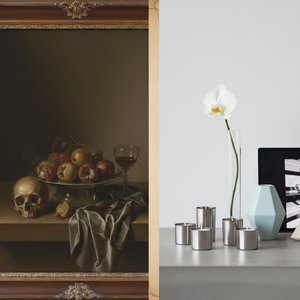
The Enduring Appeal of Still Life: A Historical & Contemporary Exploration
Explore the rich history & symbolism of still life painting with OriginalUniqueArt. Discover masterpieces from the Dutch Golden Age, learn about vanitas art, and find expert guidance for collecting timeless artworks.

The Enduring Legacy of Oil on Canvas: Technique, History & Aesthetic Impact
Explore the rich history & techniques of oil painting – from Renaissance masters to Impressionism. Discover pigments, layering methods, and why this timeless medium endures. Expert insights for artists & art enthusiasts.

Öl auf Leinwand: Eine historische und technische Erkundung eines zeitlosen künstlerischen Mediums
Entdecken Sie die faszinierende Welt der Ölmalerei! Von historischen Techniken bis zur modernen Anwendung – wir bieten Expertenwissen, Restaurierungstipps und hochwertige Reproduktionen. Jetzt informieren!

The Enduring Power of Painting: A Historical & Contemporary Exploration of Form and Emotion
Explore the rich history & enduring techniques of oil painting with OriginalUniqueArt. Discover masterpieces, learn about art collecting, and find authentic handmade reproductions crafted by skilled artists.


