
 Vorschau anzeigen
 Versenden
 Teilen
 Details anzeigen

 Herunterladen
 Ähnliche Objekte
 Röntgenaufnahme
 Diashow
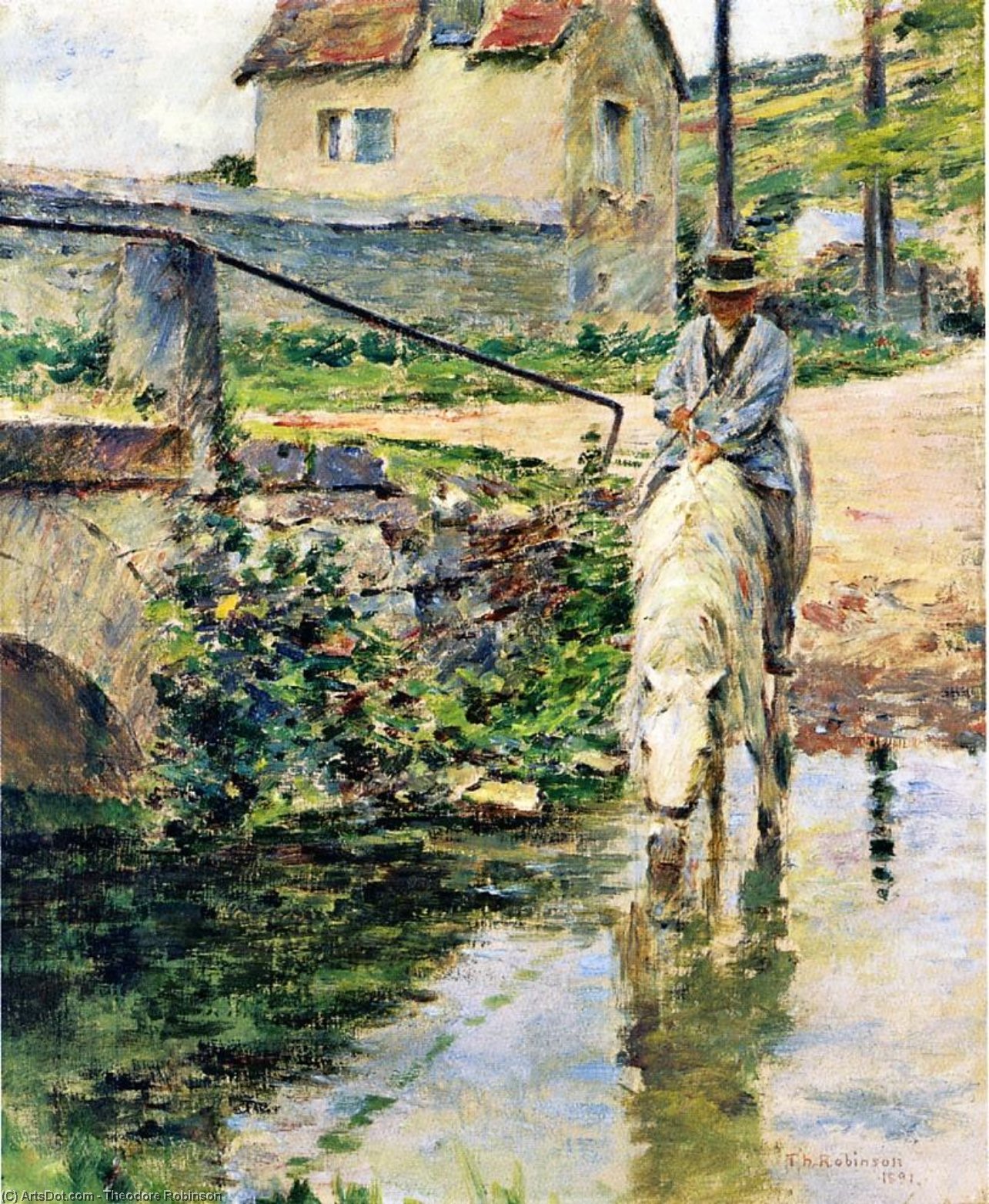
The Watering Place


 Weiterlesen
Giclée / Kunstdruck
Giclée- oder Leinwanddruck in Museumsqualität mit schneller Produktion und flexiblen Veredelungsoptionen. ( Handgemalte Reproduktion bestellen Bild kaufen)




P118B $10

P118H $10

P118W $10

P438Z $10

P508JH $12

P508YH $12

P805H $10

P805Z $10

P919BZ $10

P919G $10

P919XJ $10

P959ZH $10

P968JZ $12

W106C $8

W218G $10

W218JH $8

W218Y $10

W307PJ $10

W316G $10

W316PJ $8

W316Y $10

W398PJ $8

W4111J $10

W500HY $15

W500JH $15

W692G $12

W849H $8

W940BG $15

W953PJ $8




Wählen Sie aus unseren vordefinierten Formaten, die den ursprünglichen Proportionen des Kunstwerks entsprechen.

Sie können Ihre eigenen Maße eingeben, um ein bestimmtes Format oder einen speziellen Platz einzupassen. Wenn das von Ihnen gewählte Format nicht den Proportionen des Originalbildes entspricht, werden wir das Kunstwerk entweder beschneiden oder das Bild mit einem gespiegelten oder einfarbigen Rand erweitern. Ein digitaler Entwurf wird Ihnen zur Genehmigung zugesandt, bevor die Produktion beginnt.
Bitte beachten Sie, dass die Vorschau auf dem Bildschirm nicht den tatsächlichen Zuschnitt oder die Erweiterung widerspiegelt. Nur der Entwurf zeigt die endgültige Komposition präzise an.
Obwohl Sondermaße verfügbar sind, empfehlen wir die Auswahl eines Maßes aus der vordefinierten Liste, um die ursprünglichen Proportionen zu bewahren.
Weltweiter Versand () innerhalb von 2 Wochen statt der üblichen 4/5 Wochen. (20 August)

Kostenloser weltweiter Expressversand

Hochwertige Leinenleinwand

Umfassender Versicherungsschutz beim Versand

Zollgebühren-Rückerstattungsgarantie

Garantie für exakte Farbtreue

60 Tage Rückgaberecht (nur bei Mängeln)

100% Geld-zurück-Garantie

Mengenrabatt verfügbar
 Die Glasoption ist nur für Größen unter 110 cm verfügbar.

The Watering Place
Giclée / Kunstdruck
Format der Reproduktion
-


Gesamtpreis
$ 80
Sammlerstück-Beschreibung
The Watering Place: A Vision of Rural Tranquility by Theodore Robinson
Theodore Robinson’s “The Watering Place,” painted in 1891, isn't merely a depiction of a rural scene; it’s an immersion into a carefully constructed world of quiet contemplation and the profound beauty of the natural world. This oil on canvas, currently residing within the Baltimore Museum of Art, offers a glimpse into the heart of American Impressionism – a movement Robinson helped pioneer by embracing the shimmering light and broken color techniques he encountered during his transformative years in France.
At first glance, the painting presents a deceptively simple tableau: a man on horseback traversing a dirt road leading to a modest farmhouse nestled amidst rolling hills. A second horse stands patiently nearby, suggesting a moment of respite or perhaps the anticipation of another journey. However, beneath this surface tranquility lies a complex layering of artistic influences and personal reflection. Robinson’s early training in traditional academic styles is evident in the meticulous rendering of the landscape – the precise detail of the foliage, the subtle gradations of color in the sky, and the carefully constructed perspective of the buildings. Yet, he skillfully infuses this foundation with the Impressionistic principles he absorbed from Monet and other French masters, particularly their focus on capturing fleeting moments of light and atmosphere.
Impressionist Techniques and a Harmonious Palette
Robinson’s masterful use of brushstrokes is immediately striking. Rather than striving for sharp outlines or photographic realism, he employs loose, expressive strokes that create a sense of movement and immediacy. Notice how the sunlight seems to dance across the fields, rendered with delicate washes of color – pale blues and greens mingling with hints of gold and ochre. This technique isn’t simply about replicating what the eye sees; it's about conveying the *feeling* of being present in that moment, experiencing the warmth of the sun and the freshness of the air.
The composition itself is carefully balanced, drawing the viewer’s eye along the winding road towards the distant farmhouse. The muted color palette – dominated by earthy tones and soft pastels – contributes to a sense of serenity and timelessness. Robinson's deliberate choice of colors evokes a feeling of nostalgia, as if recalling a simpler, more harmonious time. The painting is not about grand drama or heroic figures; it’s about the quiet dignity of rural life and the restorative power of nature.
A Reflection of Robinson’s Journey
Understanding “The Watering Place” requires considering Theodore Robinson's own personal journey as an artist. Born in Vermont, he spent his early years moving across the United States before embarking on a pivotal trip to Europe in 1884. It was during this time that he became deeply influenced by Impressionism and developed a close friendship with Claude Monet at Giverny. Robinson’s work began to reflect these new influences, shifting from more traditional landscapes to paintings characterized by vibrant color, broken brushstrokes, and an emphasis on capturing the ephemeral qualities of light and atmosphere.
The painting can be interpreted as a distillation of Robinson's experiences – a longing for the tranquility he found in nature after years of restless travel. The man on horseback represents a journey, both literal and metaphorical, while the watering place itself symbolizes a moment of respite and renewal. It’s a scene imbued with a sense of peace and contentment, suggesting that true beauty can be found in the simplest of things.
Collecting a Legacy: Reproductions and Beyond
Today, “The Watering Place” stands as a testament to Robinson's artistic vision and his significant contribution to American art. High-quality reproductions, such as those available at OriginalUniqueArt.com, allow art lovers to experience the painting’s beauty and tranquility in their own homes. These meticulously crafted prints capture the essence of Robinson's original work, offering a tangible connection to this remarkable piece of American artistic heritage. For those seeking to delve deeper into Robinson’s life and work, resources like the Baltimore Museum of Art’s website (Wikipedia) and online artist databases provide valuable insights.
Über den Künstler
Theodore Robinson: Ein Pionier des amerikanischen Impressionismus
Theodore Robinson, geboren am 3. Juli 1852 in Irasburg, Vermont, und gestorben am 2. April 1896 in New York City, war ein bedeutender US-amerikanischer Maler, der vor allem für seine impressionistischen Landschaftsbilder bekannt ist. Er gilt als einer der ersten amerikanischen Künstler, der den Impressionismus aufgriff und durch seine Freundschaft mit Claude Monet maßgeblich beeinflusst wurde.Frühes Leben und Ausbildung
Robinson wuchs in einer Familie auf, die nach Wisconsin zog. Schon früh zeigte er künstlerisches Talent, das von seiner Mutter gefördert wurde. Er erhielt eine kurze künstlerische Ausbildung in Chicago, bevor er 1874 nach New York City reiste, um an der National Academy of Design und der Art Students League zu studieren. Im Jahr 1876 ging er nach Paris, wo er unter Carolus-Duran und Jean-Léon Gérôme an der École des Beaux-Arts studierte. Seine frühen Werke zeigten einen realistischen Stil, bevor er sich dem Impressionismus zuwandte.Die Jahre in Giverny und Monets Einfluss
Ein entscheidender Wendepunkt in Robinsons künstlerischer Entwicklung war seine Rückkehr nach Frankreich im Jahr 1884. Er ließ sich in Giverny nieder, einem Ort, der dank Claude Monet zu einem Zentrum des französischen Impressionismus geworden war. Robinson entwickelte eine enge Freundschaft mit Monet, der ihn beriet und beeinflusste. Diese Zeit markierte einen Wandel in Robinsons Malstil hin zum Impressionismus, wobei er die Landschaft um Giverny in einer Vielzahl von Wetterbedingungen malte. Viele seiner besten Arbeiten entstanden während dieser Periode, darunter Gemälde wie "La Débâcle" (1892), das sich heute im Scripps College befindet.Rückkehr nach Amerika und Spätere Werke
Nach seiner Rückkehr in die Vereinigten Staaten im Jahr 1892 verbrachte Robinson einige Zeit in Napanoch, New York, wo er Kanalszenen malte. Er pflegte enge Beziehungen zu anderen amerikanischen Künstlern wie John Henry Twachtman und Julian Alden Weir und war ein aktives Mitglied der Cos Cob School Künstlerkolonie in Connecticut. Dort schuf er eine Reihe von Bootsbildern im Riverside Yacht Club, die als einige seiner herausragendsten Werke gelten.Bedeutung und Vermächtnis
Obwohl Robinson zu Lebzeiten Anerkennung fand, wurde sein Ruf als bedeutender amerikanischer Impressionist erst nach seinem Tod weiter gefestigt. Seine Gemälde befinden sich heute in renommierten Museen wie dem Metropolitan Museum of Art in New York City und der National Gallery of Art in Washington, D.C. Seine Tagebücher, die im Frick Art Reference Library aufbewahrt werden, bieten wertvolle Einblicke in sein Leben und seine künstlerische Entwicklung.- Robinson war ein Pionier des amerikanischen Impressionismus.
- Er wurde stark von Claude Monet beeinflusst.
- Seine Landschaftsbilder zeichnen sich durch eine impressionistische Darstellung der Natur aus.

Theodore Robinson
1852 - 1896 , Vereinigte Staaten von Amerika
Kurzinfos
- Beeinflusste Künstler: ['Claude Monet']
- Bemerkenswerte Werke:
- Giverny 1
- Giverny 2
- Giverny 3
- La Débâcle
- Einflüsse Auf Künstler: ['Julian Alden Weir']
- Geburtsdatum: 3. Juli 1852
- Geburtsort: Irasburg, Vereinigte Staaten
- Künstlerischer Stil: Impressionismus
- Nationalität: Amerikanisch
- Sterbedatum: 2. April 1896
- Vollständiger Name: Theodore Robinson
Ähnliche Artikel

Paul Cézanne: Die 25 Meisterwerke des Impressionismus | OriginalUniqueArt
Entdecken Sie die 25 Meisterwerke von Paul Cézanne! Tauchen Sie ein in die Welt des Impressionismus und Postimpressionismus. Erfahren Sie mehr über seine Stillleben, Landschaften & berühmten Gemälde – jetzt hochwertige Kunstdrucke auf OriginalUniqueArt.com.

The Enduring Legacy of Oil on Canvas: Technique, History & Aesthetic Impact
Explore the rich history & techniques of oil painting – from Renaissance masters to Impressionism. Discover pigments, layering methods, and why this timeless medium endures. Expert insights for artists & art enthusiasts.
The Soul of Impressionism: Why Oil on Canvas Captures Eternal Light and Timeless Emotion
Discover the enchanting alchemy of Impressionism. Explore how the mastery of oil on canvas, through glazing and impasto, captures eternal light and emotion. Perfect for lovers of Monet and Van Gogh seeking the profound depth of hand-painted fine art.
Die schönsten Landschaftsbilder: 10 Meisterwerke für Ihr Zuhause | OriginalUniqueArt.com
Entdecken Sie die 10 schönsten Landschaftsbilder der Kunstgeschichte! Von Monet bis Van Gogh – erfahren Sie die Geschichten hinter Meisterwerken & finden Sie Inspiration für Ihr Zuhause. Hochwertige Kunstdrucke auf OriginalUniqueArt.com.
Öl auf Leinwand: Die 10 Meisterwerke, die Kunst für immer veränderten |
Entdecken Sie die 10 legendärsten Öl auf Leinwand Meisterwerke! Von Van Gogh bis Monet – erfahren Sie die Geschichten hinter ikonischen Gemälden und lassen Sie sich von Kunstgeschichte inspirieren. Hochwertige Reproduktionen für Ihr Zuhause finden Sie auf .



