
 Vorschau anzeigen
 Versenden
 Teilen
 Details anzeigen

 Herunterladen
 Ähnliche Objekte
 Röntgenaufnahme
 Diashow
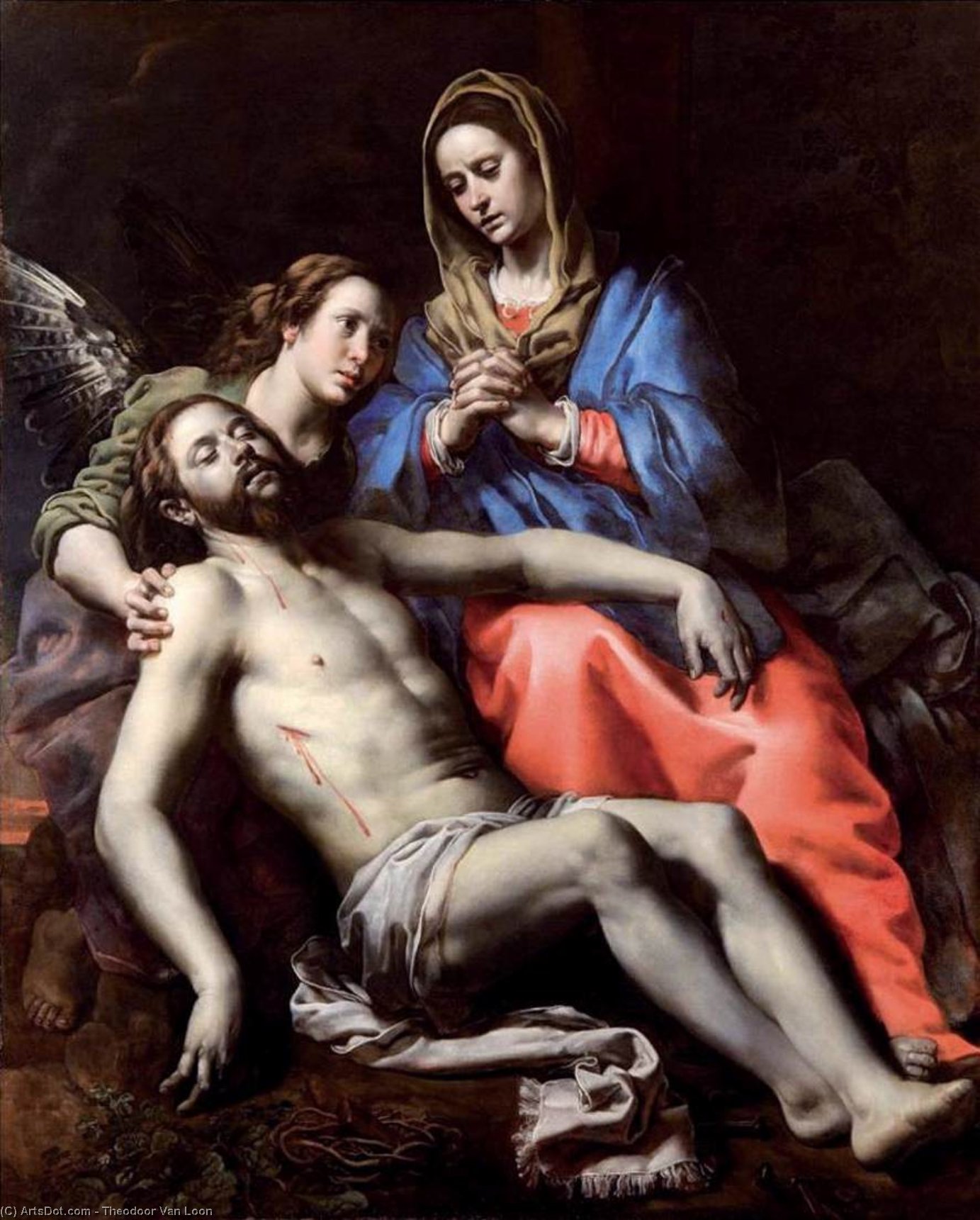
Lamentation
 Oil On Canvas
- WallArt
- Baroque
 1623
1623- Early Modern
 152.0 x 124.0 cm
 Pilgerkirche
 Weiterlesen
Erwerben Sie ein hochauflösendes, optimiertes digitales Bild, das der Online-Vorschau weit überlegen ist.
Jede Datei wird von unseren hauseigenen Spezialisten mit modernsten Werkzeugen und fachmännischer manueller Retusche sorgfältig vorbereitet. Wir stellen sicher, dass jedes Bild eine außergewöhnliche Klarheit, präzise Farbgenauigkeit und feinste Details aufweist.
Die endgültige Datei wird innerhalb von 72 Stunden per E-Mail zugestellt und ist für den sofortigen Einsatz in professionellen, redaktionellen und Druckumgebungen optimiert. Es handelt sich um dieselbe Qualität, der führende Designstudios, Verlage und Galerien vertrauen.
Digitales Bild
Laden Sie eine hochauflösende Datei für die persönliche Präsentation, den Druck und kreative Projekte herunter. ( Zum Druck wechseln Zur handgemalten Reproduktion wechseln)
In jeder Bestellung digitaler Bilder enthalten
Professionelle digitale Bereitstellung, garantiert
Wenn Sie sich für OriginalUniqueArt.com entscheiden, erhalten Sie nicht nur ein Bild – Sie erhalten ein professionell aufbereitetes digitales Kunstwerk, das mit höchster Präzision erstellt und durch eine Zufriedenheitsgarantie abgesichert wird. Hier ist alles, was automatisch mit Ihrer Bestellung geliefert wird:

Schnelle E-Mail-Zustellung
Ihre hochauflösende digitale Bilddatei wird Ihnen innerhalb von 72 Stunden nach der Bestellung per E-Mail zugestellt – bereit zur sofortigen Verwendung.

KI-optimierte digitale Datei
Ihre Kunstwerke werden professionell mithilfe fortschrittlicher KI-Tools und manueller Bearbeitung optimiert, um maximale Detailtreue, Klarheit und Farbgenauigkeit zu gewährleisten.

Lebenslanger kostenloser Neudruckservice
Datei versehentlich gelöscht oder verloren? Keine Sorge – wir senden sie Ihnen jederzeit kostenlos erneut zu.

Keine Einfuhrgebühren – jemals
Genießen Sie Ihr Kunstwerk sofort ohne Zollgebühren, Einfuhrabgaben oder Versandkosten – digitale Downloads sind immer steuerfrei.

Garantierte Farbtreue
Wir garantieren, dass Ihr digitales Bild mithilfe professioneller Werkzeuge und Farbmanagement die Originalfarben so präzise wie möglich wiedergibt.

60-Tage-Zufriedenheitsgarantie
Sollten Sie mit Ihrem digitalen Bild nicht zufrieden sein, werden wir es überarbeiten oder Ihnen innerhalb von 60 Tagen 100% erstatten – ohne Wenn und Aber.

100% Geld-zurück-Garantie
Nicht zufrieden? Erhalten Sie innerhalb von 60 Tagen nach Erhalt Ihrer digitalen Datei eine vollständige Rückerstattung – ohne Angabe von Gründen.

Rabatte bei Großbestellungen
3 Bilder kaufen, 10% sparen – 5 Bilder kaufen, 15% sparen – Ab 10 Bildern 20% sparen. Ideal für kreative Projekte, Galerien und Agenturen.
Details zum Sammlerstück
A Masterpiece of Sorrow and Light
In the profound stillness of Theodoor van Loon’s Lamentation, we are invited into a moment of unparalleled human and divine tragedy. Painted in 1623, this evocative work captures the heavy, breathless atmosphere following the Crucifixion. At the heart of the composition lies the broken form of Jesus, his lifeless body serving as the emotional anchor for a scene defined by grief. Surrounding him, the figures of Mary Magdalene and other mourners are rendered with such visceral intimacy that their weeping feels almost audible. The painting does not merely depict a religious event; it captures the very essence of mourning, inviting the viewer to stand amidst the shadows of the tomb and feel the weight of loss.
The brilliance of this piece lies in its masterful use of tenebrism, a technique Van Loon perfected through his deep connection to the Caravaggesque tradition. By plunging much of the background into impenetrable darkness, the artist forces our gaze onto the illuminated faces of the grieving. This dramatic interplay between light and shadow—the stark contrast of brilliant highlights against deep, velvety blacks—creates a sculptural quality in the figures. Every fold of fabric, every tear-streaked cheek, and the pale, wounded skin of Christ is sculpted by light, lending the scene a three-dimensional presence that commands the room.
Symbolism and the Baroque Spirit
Beyond its immediate emotional impact, the Lamentation is rich with symbolic layers that speak to the spiritual fervor of the Flemish Baroque era. The presence of celestial beings, such as the angels hovering near the earthly sorrow, bridges the gap between the mortal and the divine. Even a subtle detail, like a bird caught in flight above the scene, serves as a poignant metaphor for the soul or the fleeting nature of life amidst the permanence of death. Van Loon utilizes these elements to transform a historical narrative into a universal meditation on mortality and hope.
For the discerning collector or interior designer, this artwork offers more than just visual beauty; it provides a profound focal point for sophisticated spaces. The dramatic scale of 152 x 124 cm allows the painting to dominate a room with its quiet intensity. Whether placed in a gallery-style library or as a centerpiece in a classically styled salon, a high-quality reproduction of this work brings an air of historical prestige and contemplative depth. It is a piece that does not merely decorate a wall but enriches the very soul of a home, offering a timeless window into one of art history's most moving dramatic traditions.
Biografie des Künstlers
Theodoor van Loon: A Caravaggio Disciple Shaping Flemish Baroque
Theodoor van Loon (1581 or 1582 – February 1649) stands as a compelling figure within the tapestry of Flemish Baroque art, largely overshadowed by contemporaries like Rubens and Rembrandt until recent scholarly attention revitalized interest in his oeuvre. Born in Eilersen, Germany, Van Loon’s artistic journey began amidst the burgeoning religious fervor of the Habsburg Netherlands, profoundly influenced by the stylistic innovations emanating from Italy – specifically Caravaggio’s dramatic realism.Early Life and Training: Documentary evidence concerning Van Loon's formative years remains scarce. Historians believe he honed his skills in Italy during two significant expeditions between 1602 and 1608, and again from 1628 to 1629. These travels exposed him to the artistic currents of Rome and cemented his allegiance to Caravaggio’s revolutionary approach to painting – characterized by tenebrism (extreme contrasts of light and dark) and emotionally charged depictions of biblical narratives. This immersion in Roman art undoubtedly instilled within him a deep appreciation for Caravaggio's uncompromising realism and masterful use of chiaroscuro.
Style and Technique: Van Loon’s distinctive style eschewed Rubens’ opulent synthesis of Italian, Flemish, and antique influences in favor of a more grounded aesthetic rooted in naturalism and classicism. He meticulously rendered figures with “morphological exactness and refined execution,” prioritizing sculptural form and conveying profound religious emotion through his compositions. Unlike Rubens' grand narratives, Van Loon focused on capturing the essence of human experience—particularly spiritual contemplation—with remarkable precision.
Notable Commissions: Van Loon achieved considerable renown for his ecclesiastical commissions throughout Flanders, notably the monumental altarpiece he undertook for the Basilica of Our Lady of Scherpenheuvel (Mariataferelen), completed between 1623 and 1628. Alongside Wenzel Coebergher, he collaborated on projects commissioned by Albert VII, Archduke of Austria and Isabella Clara Eugenia of Spain, demonstrating his artistic versatility and securing patronage from influential figures. This collaboration exemplifies the collaborative spirit prevalent in Flemish art during this period.
Key Works: Among Van Loon’s most celebrated paintings is “Adoration of the Shepherds,” a dramatic depiction of biblical piety executed in 1623–24. This masterpiece exemplifies Caravaggio's tenebristic style, skillfully employing light and shadow to heighten emotional impact and convey spiritual solemnity. The painting’s stark contrasts underscore Van Loon’s commitment to conveying profound emotion through visual means.
Another noteworthy piece is "The Magi Painting," showcasing Van Loon’s masterful technique and compositional prowess. It exemplifies the artist's ability to distill complex theological concepts into visually compelling imagery—a hallmark of Baroque art.
Despite the relative obscurity surrounding his life—no information survives about his education or marital status—Van Loon’s legacy persists through his surviving paintings. These works offer invaluable insights into the artistic landscape of early seventeenth-century Flanders, reflecting both Caravaggio's influence and the broader humanist spirit of the era. His association with Erycius Puteanus, a prominent Leuven scholar, underscores his engagement with intellectual discourse alongside artistic practice.
Recent scholarship has begun to illuminate the significance of Theodoor van Loon’s contribution to Flemish Baroque art, correcting historical misconceptions and recognizing him as a pivotal artist shaping the visual culture of his time. His unwavering devotion to Caravaggio’s artistic vision ensured that Van Loon’s paintings would continue to resonate with audiences for centuries to come.

Theodoor van Loon
1581 - 1667 , Deutschland
Kurzinfos
- Artistic Movement Or Style: Barock
- Artists Or Movements Influenced By This Artist: ['Rubens']
- Artists Who Influenced This Artist: ['Caravaggio']
- Date Of Birth: 1581 oder 1582
- Date Of Death: Februar 1649
- Full Name: Theodoor van Loon
- Nationality: Niederländisch
- Notable Artworks:
- Anbetung der Hirten
- Die Könige Gemälde
- Place Of Birth: Eilersen, Deutschland

