
 Vorschau anzeigen
 Versenden
 Teilen
 Details anzeigen

 Herunterladen
 Ähnliche Objekte
 Röntgenaufnahme
 Diashow
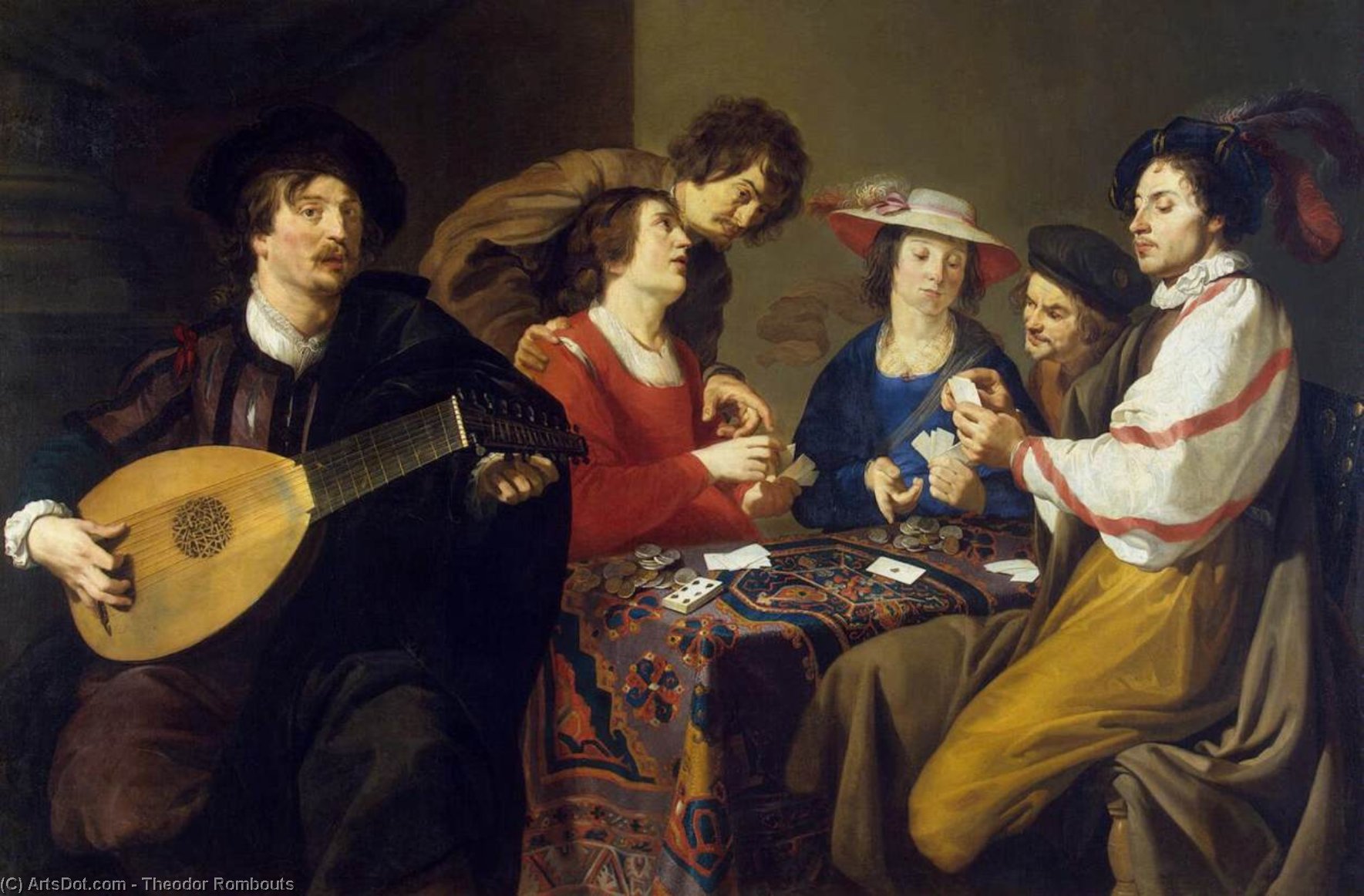
Card Game
 Oil On Canvas
- WallArt
- Baroque
 1620
1620- Early Modern
 143.0 x 224.0 cm
 Eremitage Museum
 Weiterlesen
Giclée / Kunstdruck
Giclée- oder Leinwanddruck in Museumsqualität mit schneller Produktion und flexiblen Veredelungsoptionen. ( Handgemalte Reproduktion bestellen Bild kaufen)




P118B $10

P118H $10

P118W $10

P438Z $10

P508JH $12

P508YH $12

P805H $10

P805Z $10

P919BZ $10

P919G $10

P919XJ $10

P959ZH $10

P968JZ $12

W106C $8

W218G $10

W218JH $8

W218Y $10

W307PJ $10

W316G $10

W316PJ $8

W316Y $10

W398PJ $8

W4111J $10

W500HY $15

W500JH $15

W692G $12

W849H $8

W940BG $15

W953PJ $8




Wählen Sie aus unseren vordefinierten Formaten, die den ursprünglichen Proportionen des Kunstwerks entsprechen.

Sie können Ihre eigenen Maße eingeben, um ein bestimmtes Format oder einen speziellen Platz einzupassen. Wenn das von Ihnen gewählte Format nicht den Proportionen des Originalbildes entspricht, werden wir das Kunstwerk entweder beschneiden oder das Bild mit einem gespiegelten oder einfarbigen Rand erweitern. Ein digitaler Entwurf wird Ihnen zur Genehmigung zugesandt, bevor die Produktion beginnt.
Bitte beachten Sie, dass die Vorschau auf dem Bildschirm nicht den tatsächlichen Zuschnitt oder die Erweiterung widerspiegelt. Nur der Entwurf zeigt die endgültige Komposition präzise an.
Obwohl Sondermaße verfügbar sind, empfehlen wir die Auswahl eines Maßes aus der vordefinierten Liste, um die ursprünglichen Proportionen zu bewahren.
Weltweiter Versand () innerhalb von 2 Wochen statt der üblichen 4/5 Wochen. (15 August)

Kostenloser weltweiter Expressversand

Hochwertige Leinenleinwand

Umfassender Versicherungsschutz beim Versand

Zollgebühren-Rückerstattungsgarantie

Garantie für exakte Farbtreue

60 Tage Rückgaberecht (nur bei Mängeln)

100% Geld-zurück-Garantie

Mengenrabatt verfügbar
 Die Glasoption ist nur für Größen unter 110 cm verfügbar.

Card Game
Giclée / Kunstdruck
Format der Reproduktion
-


Gesamtpreis
$ 80
Sammlerstück-Beschreibung
A Glimpse into Baroque Revelry: The Allure of "Card Game"
To stand before Theodor Rombouts' Card Game is to be instantly transported across the centuries, into the opulent, dimly lit drawing rooms of early seventeenth-century Antwerp. This painting is not merely a depiction of leisure; it is a meticulously crafted tableau vivant, capturing the very breath and intrigue of high society during the Baroque period. The air seems thick with whispered secrets, the clinking of unseen chips, and the resonant strumming of music from the lute held by the gentleman on the left. Rombouts masterfully freezes a moment of intense social engagement, inviting us, the modern viewer, to lean in and become an eavesdropper on this private gathering.
Mastery of Light and Shadow: The Caravaggesque Drama
Technically, the work is a profound testament to Rombouts' immersion in the dramatic realism pioneered by Caravaggio. Notice how the light does not simply illuminate; it sculpts. It falls with an almost theatrical spotlight effect upon the figures gathered around the table, leaving the background in rich, velvety shadow. This stark contrast, this tenebrism, is central to the painting's emotional weight. The interplay between brilliant highlights on silks and jewels against the deep gloom surrounding them creates a palpable sense of drama and immediacy. It speaks volumes about the artistic currents sweeping through Flanders at the turn of the century—a move away from idealized calm toward raw, human experience.
The Tapestry of Baroque Fashion and Society
Observe the attire with an eye for detail. The richness of the fabrics—the deep reds, the vibrant blues, the emerald greens—are not just decorative; they are markers of status. Each fold of velvet and every intricate pattern tells a story of wealth and social standing within the 1620s context. From the subdued elegance of the lutenist to the flamboyant flourish of the woman sporting an enormous feathered hat on the right, the fashion itself becomes a narrative element. It allows us, even today, to appreciate the sheer artistry involved in dressing for public life during this magnificent era.
Symbolism and the Human Condition
Beyond the surface glamour, the painting hints at deeper currents. The card game itself is a potent symbol—a microcosm of human chance, wit, and risk. Are these players celebrating fortune, or are they engaged in a subtle battle of wits? Rombouts captures that exquisite tension between pleasure and potential downfall. It speaks to the universal themes of human connection, the allure of sophisticated diversion, and the fleeting nature of worldly joys. Owning a reproduction of this piece allows one to bring not just a painting, but an entire atmosphere—one steeped in intellectual sparring and luxurious drama—into your own space.
Über den Künstler
early life and training
Theodoor Rombouts (* 2. Juli 1597 in Antwerpen; † 14. September 1637 ebenda) war ein flämischer Maler, der vor allem bekannt ist für seine karavaggischen Genreszenen, die lebendige dramatische Zusammenkünfte sowie religiös-thematische Werke darstellen. Er gilt als der primäre und originellste Vertreter des flämischen Karavaggismus. Diese Caravaggisten waren Teil einer internationalen Bewegung europäischer Künstler, die das Werk Caravaggios und seiner Anhänger auf persönliche Art und Weise interpretierten.
Rombouts wurde Sohn von Bartholomeus Rombouts, einem wohlhabenden Töpfer und Barbara de Greve. Sein früheres künstlerisches Ausbildung begann unter Frans (franchois) van Lanckvelt im Jahr 1608, gefolgt von Studien unter Abraham Janssens und möglicherweise Nicolas Régnier in Antwerpen.
italian influence and caravaggesque style
Im Jahr 1616 reiste Rombouts nach Rom, wo er sich der Werke Caravaggios und seiner Anhänger stellte. Diese Begegnigung hatte einen tiefgreifenden Einfluss auf seinen Stil und führte dazu, dass er eine Schlüsselfigur in der flämischen Karavaggismusbewegung wurde. Er gilt als der primäre und originellste Vertreter dieser künstlerischen Bewegung.
Er ließ sich von Caravaggio und seinen Nachfolgern inspirieren und entwickelte einen einzigartigen Ansatz zur Darstellung von Licht und Schatten sowie zur Gestaltung dramatischer Kompositionen, die für ihre Energie und Natürlichkeit bekannt sind. Diese Elemente prägten sein gesamtes Werk und bestätigten seine Rolle als führender Künstler seiner Zeit.
notable works and style
Nach seiner Rückkehr nach Antwerpen im Jahr 1625 wurde Rombouts Meister der Zunft St. Lukas. Seine Werke dieser Periode zeichnen sich durch folgende Merkmale aus:
- Musikgesellschaft mit Bacchus (c. 1630), die Verwendung lebendiger Farben und starker Kontraste, typisch für den Karavaggeschen Stil.
- Karten und Backgammonspieler. Kampf um Karten (c. 1620-1630), die Fähigkeit, dramatische Momente mit intensivem Licht einzufangen.
- Der Gitarrist (c. 1620), ein Paradeexemplar seiner Einzelmusikporträts, beeinflusst von den Werken Manfredis und Valentin de Boulogne.
museums and collections
Seine Werke finden sich in verschiedenen Museen, darunter:
- Die königlichen Museen für bildende Künste Belgien (Brüssel, Belgien), die eine umfangreiche Sammlung seiner Gemälde beherbergen.
- Die Kremer-Sammlung (Amsterdam, Niederlande), die mehrere seiner bedeutenden Werke aufweist, wie Musikgesellschaft mit Bacchus.
Rombouts’ Einfluss kann in den Werken späterer Künstler gesehen werden, wie Jacob Jordaens, Gonzalo Coques, Jan Cossiers und Gillis Remeeus.

Theodoor Rombouts
1597 - 1637 , Belgien
Kurzinfos
- Artistic Movement Or Style: Karavaggismus
- Artists Who Influenced This Artist:
- Michelangelo Merisi, genannt Caravaggio
- Bartolomeo Manfredi
- Date Of Birth: 1597 Antwerp Belgien
- Date Of Death: 1637
- Full Name: Theodoor Rombouts
- Nationality: Flämisch
- Notable Artworks:
- Musical Company mit Bacchus
- Karte und Backgammon Spieler
- Kampf über Karten
- Der Luitspieler
- Place Of Birth: Antwerpen Belgien
Ähnliche Artikel

Pixelierte Prestige: Erkundung von Knappheit, Wert und kultureller Wirkung limitierter Gaming-Gemälde
Entdecken Sie die Welt limitierter Gaming-Gemälde! Expertenwissen zu Wert, Knappheit & Sammlerkultur. Hochwertige Kunst für Kenner und leidenschaftliche Gamer – jetzt informieren!
Jenseits von Pixeln und Spieltrieb: Ästhetische und identitätsstiftende Bedeutung von Gaming-Art für den modernen Sammler
Entdecken Sie die faszinierende Welt der Gaming-Art! Expertenwissen über Sammlerstücke, Trends & Investitionen. Hochwertige Reproduktionen und individuelle Kunstberatung bei OriginalUniqueArt.

Pinselstriche und Endgegner: Die Künstler hinter den handgemalten Spielwelten – Inspirationen, Prozesse und persönliche Gaming-Erfahrungen
Entdecken Sie die faszinierende Welt handgemalter Spielwelten! Expertenwissen über Künstler, Techniken & den Einfluss der Kunstgeschichte auf moderne Videospiele. Jetzt lesen!
Decoding Baroque Grandeur: A Guide to the Drama and Emotion of 17th-Century Art
Explore the breathtaking drama of 17th-century Baroque art. Our expert guide decodes the use of chiaroscuro, emotional intensity, and historical grandeur to help you appreciate and curate timeless masterpieces for your collection.

Baroque Classicism: The Grandeur of Order and Drama in 17th-Century Art History
Explore the profound elegance of Baroque Classicism. Discover how 17th-century masters synthesized dramatic emotion with classical order through the lens of the Counter-Reformation and the works of legends like Carlo Maratta and Andrea Sacchi.


