

 Vorschau anzeigen
 Versenden
 Teilen
 Details anzeigen
 Leitfaden

 Herunterladen
 Ähnliche Objekte
 Röntgenaufnahme
 Diashow
 Statistiken
Actor with Falcon


 Weiterlesen
Handgefertigte Ölreproduktion
Handgemaltes Ölgemälde auf Leinwand in Ihrer Wunschgröße und mit Rahmen, auf Bestellung von unseren Künstlern angefertigt. ( Zum Druck wechseln Zum digitalen Bild wechseln)




P118B €10

P118H €10

P118W €10

P438Z €10

P508JH €12

P508YH €12

P805H €10

P805Z €10

P919BZ €10

P919G €10

P919XJ €10

P959ZH €10

P968JZ €12

W106C €8

W218G €10

W218JH €8

W218Y €10

W307PJ €10

W316G €10

W316PJ €8

W316Y €10

W398PJ €8

W4111J €10

W500HY €15

W500JH €15

W692G €12

W849H €8

W940BG €15

W953PJ €8




Wählen Sie aus unseren vordefinierten Formaten, die den ursprünglichen Proportionen des Kunstwerks entsprechen.

Geben Sie die Breite und die Höhe an, die Sie für Ihren Rahmen oder Ihre Wand benötigen. Da dieses Werk handgemalt ist, kann der Künstler bei einer anderen Form etwas mehr um das Bild herum malen oder etwas abschneiden – Sie entscheiden. Wir senden Ihnen ein digitales Mockup zur Freigabe, bevor mit dem Malen begonnen wird. Das auf dieser Seite gezeigte Bild stellt nicht das tatsächliche Ergebnis dar – dies tut nur das Mockup.
Nach der Bestellung wird das OriginalUniqueArt.com-Team dem Kunden Anweisungen per E-Mail zusenden und eine Mockup-Vorschau bereitstellen.
Weltweiter Versand () in nur 3 bis 4 Wochen statt der üblichen 5 Wochen. (25 Oktober). Keine Kompromisse bei der Qualität.

Kostenloser weltweiter Expressversand

Hochwertige Leinenleinwand

Umfassender Versicherungsschutz beim Versand

Zollgebühren-Rückerstattungsgarantie

Garantie für exakte Farbtreue

100 Tage Rückgaberecht (nur bei Mängeln)

100% Geld-zurück-Garantie

Mengenrabatt verfügbar
 Die Glasoption ist nur für Größen unter 110 cm verfügbar.

Actor with Falcon
Art der Reproduktion
Format der Reproduktion
-


Endpreis
€ 263
A Moment of Grace: Unveiling Suzuki Harunobu's "Actor with Falcon"
Suzuki Harunobu’s “Actor with Falcon,” a masterpiece from the early 18th century, isn’t merely a depiction of a theatrical performance; it’s a carefully constructed tableau offering a glimpse into the refined aesthetics and social dynamics of Edo-period Japan. Created during a pivotal moment in Japanese art history – the rise of *nishiki-e*, or brocade prints – this pillar print (hashira-e) transcends its humble format, radiating an elegance that speaks volumes about Harunobu’s mastery and the cultural values he sought to capture.
The Pillars of Edo Aesthetics: Composition and Technique
Harunobu’s genius lies in his ability to distill complex ideas into a remarkably simple composition. The print adheres strictly to the *hashira-e* format – tall, narrow, and designed to adorn pillars within Japanese homes. This constraint forces a deliberate focus; the actor, positioned centrally against a subtly textured, almost abstract backdrop, becomes the undeniable focal point. The use of Prussian blue pigment, a relatively new import from Europe at the time, lends a striking depth to the scene, while the meticulous layering of ink creates a remarkable sense of texture and light. Note the deliberate flatness of the perspective – a hallmark of *nishiki-e* – which prioritizes clarity and visual impact over realistic spatial representation.
- Color Palette: Dominated by Prussian blue, accented with subtle pinks and reds for the actor’s robes.
- Technique: Masterful use of *sumi* ink layering to create texture and depth.
- Format: A classic example of *hashira-e*, designed for pillar decoration.
A Portrait of a Performer: Symbolism and Social Context
The actor himself, holding a falcon with poised grace, embodies the ideals of the *wakashu* – young men of leisure who were admired for their refined tastes and artistic sensibilities. The falcon, a symbol of nobility, skill, and courage, elevates the actor’s status, suggesting both his talent and his connection to a higher social order. The staff he carries is not merely a prop; it subtly reinforces his role as a performer, a conduit between the mundane world and the realm of entertainment. The simplicity of the robes – stripes in muted tones – serves to further draw attention to the intricate details of the bird’s plumage, highlighting its beauty and value.
Echoes of Tradition: Harunobu's Legacy
Suzuki Harunobu stands as a pivotal figure in Japanese art history. While initially working within the established Torii school, he embraced the innovations of *nishiki-e*, particularly the use of brighter colors and more dynamic compositions. His work laid the groundwork for later masters like Hiroshige and Hokusai, profoundly influencing the development of *ukiyo-e* as a whole. “Actor with Falcon” is not just a beautiful print; it’s a testament to Harunobu's artistic vision and his enduring contribution to Japanese culture. It invites us to contemplate the delicate balance between tradition and innovation, beauty and restraint – qualities that continue to resonate within the world of art today.
Fragen & Antworten
Welche Emotion vermittelt "Actor with Falcon" von Suzuki Harunobu?
"Actor with Falcon" von Suzuki Harunobu vermittelt eine Reflective emotionale Stimmung.
Befindet sich "Actor with Falcon" von Suzuki Harunobu im Heimatland des Künstlers?
Nein – das Kunstwerk wird im Ausland aufbewahrt. „Actor with Falcon“ befindet sich in Vereinigte Staaten von Amerika, während Suzuki Harunobu in Japan geboren wurde.
Gibt es Werke, die "Actor with Falcon" ähneln?
Die Seite Ähnliche Werke von "Actor with Falcon" von Suzuki Harunobu zeigt verwandte Kunstwerke.
Künstlerbiografie
Frühes Leben und Einflüsse
Suzuki Harunobu, ein japanischer Designer von Holzschnittkunst im Ukiyo-e-Stil, wurde 1725 geboren. Über seine frühen Jahre ist wenig bekannt, aber es wird angenommen, dass er in Kyoto aufwuchs. Seine Arbeit zeigt Einflüsse vieler Künstler, darunter Torii Kiyonobu, Ishikawa Toyonobu, die Kawamata-Schule und die Kanō-Schule. Der stärkste Einfluss auf Harunobu war jedoch der Maler und Druckgrafiker Nishikawa Sukenobu, der möglicherweise Harunobus direkter Lehrer war.Künstlerische Karriere
Harunobu begann seine Karriere im Stil der Torii-Schule und schuf viele Werke, die zwar geschickt, aber nicht innovativ waren. Mit seiner Beteiligung an einer Gruppe von Literati-Samurai wagte er sich jedoch in neue Formate und Stile vor. Im Jahr 1764 wurde Harunobu ausgewählt, diese Samurai bei ihren Amateurversuchen zu unterstützen, Kalender (E-goyomi) zu erstellen. Diese Kalenderdrucke sollten die ersten Nishiki-e (Brokatdrucke) sein, wobei Harunobu mit besseren Hölzern für die Holzschnitte und teureren Farben experimentierte.Bemerkenswerte Werke und Innovationen
- Suzuki Harunobus "Brokatdrucke" führten dazu, dass die Produktion in Farbe zum Standard wurde, wobei zehn oder mehr Blöcke verwendet wurden, um jeden Druck zu erstellen.
- Er verwendete mehrere separate Holzschnitte zur Erstellung eines einzelnen Bildes, was eine Innovation war, die von der Verwendung von Kerben und Keilen abhing, um das Papier an Ort und Stelle zu halten.
- Harunobus Drucke waren bei der Chōnin-Klasse beliebt, die reich genug geworden war, um ihre Häuser mit ihnen zu dekorieren.
Vermächtnis
Suzuki Harunobus Werk war zentral für die Formung der westlichen Wahrnehmung japanischer Kunst im späten 19. Jahrhundert. Sein Einfluss ist in den Landschaften von Hokusai und Hiroshige sichtbar, die während des Japonismus-Trends populär wurden.- Anzeigen Sie Suzuki Harunobus Kunstwerke auf OriginalUniqueArt
- Lesen Sie mehr über Suzuki Harunobu auf Wikipedia
- Erkunden Sie Ukiyo-e Kunst auf OriginalUniqueArt
Bemerkenswerte Gemälde und Künstler
- Utagawa Hiroshiges Kyōka Tokaido-Serie, Seki (Anzeigen auf OriginalUniqueArt)
- Miyagawa Isshōs Shimabara-Kurtisanen vertreiben Dämonen (Anzeigen auf OriginalUniqueArt)
- Utagawa Kuniyoshis ein Votivbild mit Masken von Kabuki-Darstellern im Gesichtswert (Anzeigen auf OriginalUniqueArt)
Museen und Sammlungen
- Indianapolis Museum of Art (Indianapolis, Vereinigte Staaten)
- Fukuoka City Museum (Fukuoka, Japan)

Suzuki Harunobu
1725 - 1770 , Japan
Kurzinfos
- Bemerkenswerte Werke: ['Fulling Cloth At The Jewel River']
- Geburtsdatum: 1725
- Herkunftsort (Stadt, Land): Tokio, Japan
- Künstler Oder Bewegungen, Die Von Ihm Beeinflusst Wurden:
- Utagawa Hiroshige
- Utagawa Kuniyoshi
- Künstler, Die Ihn Beeinflussten:
- Torii Kiyonaga
- Nishikawa Sukenobu
- Künstlerische Bewegung: Ukiyo-e
- Nationalität: Japanisch
- Vollständiger Name: Suzuki Harunobu
Ähnliche Artikel
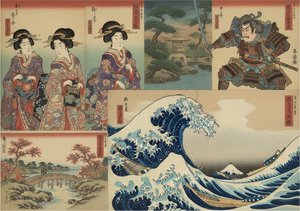
Ukiyo-e: Exploring Japan's Floating World & Enduring Artistic Legacy
Explore the captivating world of Ukiyo-e – Japan's iconic woodblock prints! Discover masters like Hokusai & Hiroshige, learn about Edo period culture, and find expert art collecting guidance at OriginalUniqueArt.
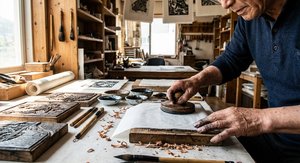
The Enduring Legacy of Woodblock Printmaking: Technique, History & Artistic Expression
Explore the rich history of woodblock printmaking – from ancient techniques to Ukiyo-e masterpieces. Discover expert insights on collecting, preserving & appreciating this enduring art form.
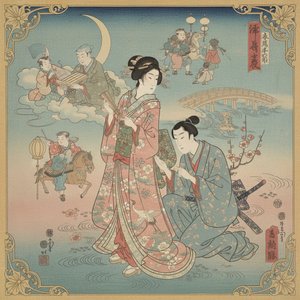
Suzuki Harunobu und die Vollendung des Ukiyo-e: Revolution der Farbgebung im Edo-Zeitalter
Entdecken Sie die Revolution der Farbgebung im Ukiyo-e mit Suzuki Harunobu! Erfahren Sie mehr über seine innovativen Drucktechniken, lyrischen Werke und seinen Einfluss auf den Japonismus. Expertenwissen & hochwertige Reproduktionen.
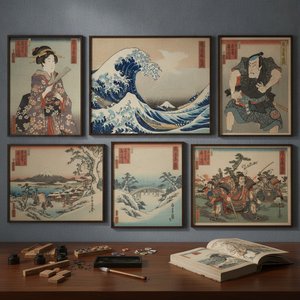
Ukiyo-e: The Art of the Floating World and the Legacy of Japanese Woodblock Masters
Explore the profound history of Ukiyo-e, from Hokusai's iconic waves to the vibrant culture of Edo Japan. Discover the intricate craft of woodblock printing and the enduring legacy of these Japanese masterpieces through our expert art history guide.

Katsushika Hokusai: Die 25 Meisterwerke des Ukiyo-e – Kunst für Ihr Zuhause | OriginalUniqueArt
Entdecken Sie die 25 Meisterwerke von Katsushika Hokusai! Tauchen Sie ein in die Welt des Ukiyo-e, berühmte Holzschnitte wie 'Die große Welle' & Fuji-Ansichten. Hochwertige Kunstdrucke für Ihr Zuhause – jetzt auf OriginalUniqueArt.com!


