
 Vorschau anzeigen
 Versenden
 Teilen
 Details anzeigen

 Herunterladen
 Ähnliche Objekte
 Röntgenaufnahme
 Diashow
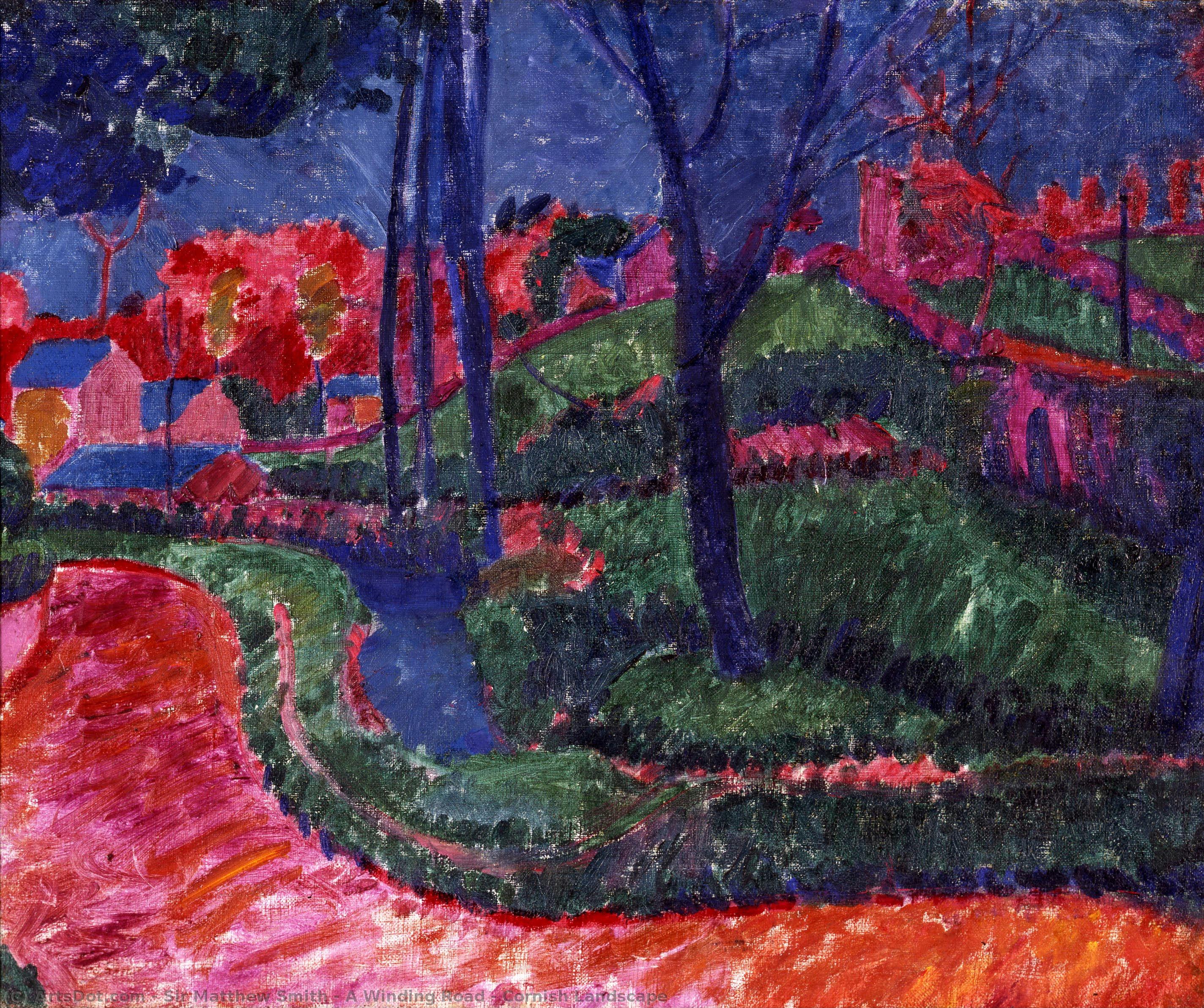
A Winding Road - Cornish Landscape
 Oil On Canvas
- WallArt
- Fauvist Landscape
 1920
1920 650.0 x 536.0 cm
 British Council
 Weiterlesen
Giclée / Kunstdruck
Giclée- oder Leinwanddruck in Museumsqualität mit schneller Produktion und flexiblen Veredelungsoptionen. ( Handgemalte Reproduktion bestellen Bild kaufen)




P118B $10

P118H $10

P118W $10

P438Z $10

P508JH $12

P508YH $12

P805H $10

P805Z $10

P919BZ $10

P919G $10

P919XJ $10

P959ZH $10

P968JZ $12

W106C $8

W218G $10

W218JH $8

W218Y $10

W307PJ $10

W316G $10

W316PJ $8

W316Y $10

W398PJ $8

W4111J $10

W500HY $15

W500JH $15

W692G $12

W849H $8

W940BG $15

W953PJ $8




Wählen Sie aus unseren vordefinierten Formaten, die den ursprünglichen Proportionen des Kunstwerks entsprechen.

Sie können Ihre eigenen Maße eingeben, um ein bestimmtes Format oder einen speziellen Platz einzupassen. Wenn das von Ihnen gewählte Format nicht den Proportionen des Originalbildes entspricht, werden wir das Kunstwerk entweder beschneiden oder das Bild mit einem gespiegelten oder einfarbigen Rand erweitern. Ein digitaler Entwurf wird Ihnen zur Genehmigung zugesandt, bevor die Produktion beginnt.
Bitte beachten Sie, dass die Vorschau auf dem Bildschirm nicht den tatsächlichen Zuschnitt oder die Erweiterung widerspiegelt. Nur der Entwurf zeigt die endgültige Komposition präzise an.
Obwohl Sondermaße verfügbar sind, empfehlen wir die Auswahl eines Maßes aus der vordefinierten Liste, um die ursprünglichen Proportionen zu bewahren.
Weltweiter Versand () innerhalb von 2 Wochen statt der üblichen 4/5 Wochen. (18 August)

Kostenloser weltweiter Expressversand

Hochwertige Leinenleinwand

Umfassender Versicherungsschutz beim Versand

Zollgebühren-Rückerstattungsgarantie

Garantie für exakte Farbtreue

60 Tage Rückgaberecht (nur bei Mängeln)

100% Geld-zurück-Garantie

Mengenrabatt verfügbar
 Die Glasoption ist nur für Größen unter 110 cm verfügbar.

A Winding Road - Cornish Landscape
Giclée / Kunstdruck
Format der Reproduktion
-


Gesamtpreis
$ 80
Sammlerstück-Beschreibung
A Winding Road - Cornish Landscape by Sir Matthew Smith
Sir Matthew Smith’s “A Winding Road – Cornish Landscape,” completed in 1920, is more than just a depiction of a rural scene; it's a vibrant testament to the burgeoning artistic currents of the early 20th century. This expansive canvas, measuring 650 x 536 cm, transports the viewer directly into the heart of Cornwall’s rugged beauty, capturing not merely its visual elements but also an undeniable sense of atmosphere and emotion. The painting immediately draws the eye along the dirt track, a ribbon of earth cutting through a landscape dominated by ancient trees – a motif frequently employed in British art to represent timelessness and connection to the land.
A Fauvist Influence & Cornish Inspiration
- Artist’s Background: Born in Manchester in 1879, Sir Matthew Smith's artistic journey was profoundly shaped by his time with Henri Matisse in Paris. His early training at the Manchester and Slade Schools instilled a rigorous approach to form and color, but it was in France that he embraced the radical ideas of Fauvism – a movement characterized by its unrestrained use of intense, non-naturalistic colors.
- Cornish Subject Matter: Smith’s relocation to Cornwall in the early 1920s provided him with a new source of inspiration. The dramatic light and shadow, the wild coastline, and the traditional farming communities offered a rich palette for his artistic explorations. This landscape isn't simply a picturesque view; it’s infused with the spirit of the region.
Technique & Color – A Symphony of Impressionism
Smith’s technique in “A Winding Road” is immediately recognizable as a masterful blend of Impressionistic and Fauvist influences. Thick, visible brushstrokes—a hallmark of his style—create a sense of movement and energy across the canvas. The color palette is extraordinarily rich, dominated by vibrant blues, pinks, and greens that evoke the Cornish light at different times of day. Note the deliberate use of complementary colors – the juxtaposition of blue and orange, for instance – to heighten visual impact and create a dynamic tension within the scene. The artist’s handling of light is particularly noteworthy; he doesn't simply record it but actively manipulates it to convey warmth and atmosphere. The presence of birds, subtly integrated into the composition, adds an element of spontaneity and life to the otherwise tranquil landscape.
Symbolism & Emotional Impact
Beyond its aesthetic qualities, “A Winding Road” carries a subtle symbolic weight. The winding road itself can be interpreted as a metaphor for life’s journey – a path filled with twists and turns, leading to an unknown destination. The houses in the background represent human settlement and connection to the land, while the trees stand as silent witnesses to centuries of history. The overall effect is one of serene contemplation and quiet beauty. The painting evokes a feeling of nostalgia, inviting the viewer to step back in time and experience the timeless charm of the Cornish countryside. It’s a piece that speaks to our innate desire for escape and connection with nature.
Über den Künstler
Frühes Leben und Ausbildung
Sir Matthew Smith, ein renommierter britischer Maler, wurde am 22. Oktober 1879 in Halifax, Yorkshire geboren. Er studierte zunächst Design an der Manchester School of Art und besuchte später die Slade School of Art in London. Unter der Anleitung von Henri Matisse in Paris entwickelte Smith ein Interesse am Fauvismus, einem Stil, der sich durch seine Betonung kräftiger Farben und energiegeladener Pinselstriche auszeichnete.Künstlerischer Stil und bemerkenswerte Werke
Smiths künstlerischer Stil zeichnete sich durch die Verwendung lebendiger, unnatürlicher Farben und üppiger Pinselstriche aus. Seine Arbeiten zeigten oft Nacktstudien, Stilllebenkompositionen und Landschaftsbilder, die seine Meisterschaft in Farbe und Form demonstrierten. Zu seinen bemerkenswertesten Werken gehören:- Stillleben mit Äpfeln, ein fesselndes Ölgemälde auf Leinwand, das Smiths Geschicklichkeit bei der Darstellung des Farb- und Lichtspiels demonstriert.
- Der Garten in Les Lauves, ein kubistisch inspiriertes Werk, das Smiths Experimentierfreude mit geometrischen Formen und abstrakten Konzepten zeigt.
- Kontrastierende Formen, ein Tubismus-Werk, das Smiths innovativen Ansatz in Bezug auf Farbe und Komposition hervorhebt.
Einflüsse und Entwicklung
Die Begegnung mit Henri Matisse in Paris war entscheidend für Smiths künstlerische Entwicklung. Der Fauvismus beeinflusste ihn stark, führte aber auch zu einer individuellen Interpretation des Stils. Smith entwickelte eine einzigartige Palette von Farben und einen expressiven Pinselstrich, der seine Werke unverwechselbar machte. Er experimentierte mit verschiedenen Themen, darunter Nacktstudien, Stillleben und Landschaften, wobei er stets die expressive Kraft der Farbe in den Vordergrund stellte. Seine frühen Arbeiten zeigen noch Einflüsse des Impressionismus, während er später zunehmend abstrakte Elemente einbezog, insbesondere in seinen kubistisch inspirierten Werken wie "Der Garten in Les Lauves".Ausstellungen und Ehrungen
Smiths Werke befinden sich in verschiedenen Museen, darunter das UCL Art Museum und die Tate Britain. Seine Gemälde wurden in zahlreichen Institutionen ausgestellt, wie beispielsweise der Barbican Art Gallery in London. Eine große Anzahl seiner Werke wurde 1950 auf der Venedig Biennale gezeigt. Smith wurde 1949 zum Commander of the Order of the British Empire (CBE) ernannt und 1954 in den Ritterstand erhoben.Vermächtnis und Bedeutung
Smiths Beitrag zur britischen Kunst wurde durch verschiedene Ausstellungen gewürdigt, darunter eine große Retrospektive in der Barbican Art Gallery im Jahr 1983. Er gilt als einer der wichtigsten britischen Fauvisten und hat die Entwicklung der modernen Kunst in Großbritannien maßgeblich beeinflusst. Seine Werke zeichnen sich durch eine einzigartige Kombination aus expressiver Farbwahl, dynamischem Pinselstrich und einer subtilen Auseinandersetzung mit abstrakten Formen aus.- Betrachten Sie Smiths Kunstwerke auf OriginalUniqueArt.com
- Erforschen Sie den Fauvismus und seinen Einfluss auf die britische Kunst auf der Fauvism-Seite von OriginalUniqueArt.com
- Entdecken Sie mehr über Smiths Leben und Werk auf der Webseite der Tate
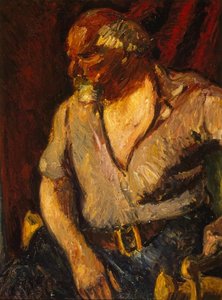
Sir Matthew Smith
1879 - 1959 , Vereinigtes Königreich
Kurzinfos
- Beeinflusste Künstler: ['Henri Matisse']
- Bemerkenswerte Werke:
- Stillleben mit Äpfeln
- Der Garten in Les Lauves
- Kontrastierte Formen
- Geburtsdatum: 22. Oktober 1879
- Geburtsort: Halifax, Vereinigtes Königreich
- Künstlerische Bewegung: Fauvismus
- Nationalität: Britisch
- Sterbedatum: 1959
- Vollständiger Name: Sir Matthew Smith
Ähnliche Artikel

Sir Joshua Reynolds: Die 25 Meisterwerke des Porträtmalers | OriginalUniqueArt
Entdecken Sie die 25 Meisterwerke von Sir Joshua Reynolds! Erleben Sie Rokoko & Klassizismus durch ikonische Porträts. Hochwertige Reproduktionen für Ihr Interieur auf OriginalUniqueArt.com – jetzt entdecken!

Sir Alfred James Munnings: Die 25 Meisterwerke des Pferdebildes | OriginalUniqueArt
Entdecken Sie die 25 Meisterwerke von Sir Alfred James Munnings! Erleben Sie seine beeindruckenden Pferdebilder, geprägt vom Impressionismus und Realismus. Hochwertige Kunstdrucke & Reproduktionen auf OriginalUniqueArt.com – für elegante Wandkunst & stilvolles Interieurdesign.

Fauvismus: Die 10 Meisterwerke, die eine Revolution der Farben entfesselten –
Entdecken Sie die 10 Meisterwerke des Fauvismus! Von Matisse bis Derain – erleben Sie die Revolution der Farben und Emotionen in der modernen Kunst. Hochwertige Reproduktionen & Inspiration für Ihr Zuhause auf

Mutige Meisterwerke: Die Top 10 Kunstwerke voller Ausdruckskraft | OriginalUniqueArt
Entdecken Sie die Top 10 mutiger Kunstwerke, voller Ausdruckskraft & Emotion! Von Van Gogh bis Picasso – erfahren Sie die Geschichten hinter den Meisterwerken und finden Sie Ihre perfekte Wanddeko auf OriginalUniqueArt.com.

Thomas Stuart Smith: A Study in British Impressionism & the Poetic Landscape
Explore the captivating world of Thomas Stuart Smith (1815-1869), a Scottish painter bridging Romantic realism and British Impressionism. Discover his genre scenes, philanthropic legacy & stunning interiors.

