

 In echtem Maßstab anzeigen
 Versenden als Grußkarte
 Teilen
 Details anzeigen
 Leitfaden öffnen

 Herunterladen
 Ähnliche Objekte
 Röntgenaufnahme
 Diashow
 Besucherstatistiken
The Enemy Sowing Tares


 Mehr anzeigen
Giclée / Kunstdruck
Giclée- oder Leinwanddruck in Museumsqualität mit schneller Produktion und flexiblen Veredelungsoptionen. ( Handgemalte Reproduktion kaufen Zum digitalen Bild wechseln)




P118B $10

P118H $10

P118W $10

P438Z $10

P508JH $12

P508YH $12

P805H $10

P805Z $10

P919BZ $10

P919G $10

P919XJ $10

P959ZH $10

P968JZ $12

W106C $8

W218G $10

W218JH $8

W218Y $10

W307PJ $10

W316G $10

W316PJ $8

W316Y $10

W398PJ $8

W4111J $10

W500HY $15

W500JH $15

W692G $12

W849H $8

W940BG $15

W953PJ $8




Wählen Sie aus unseren vordefinierten Formaten, die den ursprünglichen Proportionen des Kunstwerks entsprechen.

Sie können Ihre eigenen Maße eingeben, um ein bestimmtes Format oder einen speziellen Platz einzupassen. Wenn das von Ihnen gewählte Format nicht den Proportionen des Originalbildes entspricht, werden wir das Kunstwerk entweder beschneiden oder das Bild mit einem gespiegelten oder einfarbigen Rand erweitern. Ein digitaler Entwurf wird Ihnen zur Genehmigung zugesandt, bevor die Produktion beginnt.
Bitte beachten Sie, dass die Vorschau auf dem Bildschirm nicht den tatsächlichen Zuschnitt oder die Erweiterung widerspiegelt. Nur der Entwurf zeigt die endgültige Komposition präzise an.
Obwohl Sondermaße verfügbar sind, empfehlen wir die Auswahl eines Maßes aus der vordefinierten Liste, um die ursprünglichen Proportionen zu bewahren.
Weltweiter Versand () innerhalb von 2 Wochen statt der üblichen 4/5 Wochen. (26 September)

Kostenloser weltweiter Expressversand

Hochwertige Leinenleinwand

Vollständiger Versicherungsschutz beim Versand

Zollgebühren-Rückerstattungsgarantie

Garantie für exakte Farbtreue

100-tägiges Rückgaberecht (nur bei Mängeln)

100% Geld-zurück-Garantie

Angebot für Mengenrabatt
 Die Glasoption ist nur für Größen unter 110 cm verfügbar.

The Enemy Sowing Tares
Giclée / Kunstdruck
Format der Reproduktion
-


Gesamtpreis
$ 80
A Landscape of Sin and Remorse: Millais’s “The Enemy Sowing Tares”
Sir John Everett Millais's "The Enemy Sowing Tares," painted in 1865, is more than just a depiction of a biblical scene; it’s a profound meditation on sin, exile, and the enduring consequences of transgression. This monumental canvas, now housed at Birmingham Museums Trust, immediately draws the viewer into a desolate world dominated by a solitary figure – believed to be Cain – traversing a bleak, windswept landscape under a sky choked with storm clouds. The painting’s power lies not merely in its realistic portrayal of nature and human form but also in the potent symbolism woven throughout, reflecting the anxieties and moral complexities of Victorian England.
Millais, a key figure in the Pre-Raphaelite Brotherhood, rejected the idealized forms and artificiality of much contemporary art. He championed a return to direct observation, meticulous detail, and a deep engagement with medieval sources – particularly the passage from Matthew 13:24-25 which describes Satan as “the enemy who sows tares among the wheat.” This biblical narrative provided the foundation for Millais’s artistic exploration, prompting him to create an image that captured not just the literal story but also its underlying spiritual and psychological weight. The painting's genesis involved a lengthy period of outdoor sketching by Millais and his model, Elizabeth Siddal, who endured harsh weather conditions to achieve the desired realism – a testament to the artist’s commitment to truthfulness in representation.
A Symphony of Light and Shadow: Technique and Style
The painting's remarkable quality stems from Millais’s masterful command of technique. He employed a highly detailed, almost photographic style, meticulously rendering every texture – the rough bark of the trees, the worn fabric of Cain’s clothing, the swirling patterns of the clouds. The use of *impasto*, particularly noticeable in the foreground elements, creates a tangible sense of physicality and depth. Millais's palette is dominated by earthy reds and browns, mirroring the desolate landscape and conveying a feeling of decay and despair. However, these somber tones are punctuated by flashes of cooler blues and grays in the distance, suggesting both the vastness of the world and the potential for redemption. The dramatic lighting, originating from an unseen source above, casts long, stark shadows that emphasize Cain’s isolation and vulnerability.
The composition itself is carefully orchestrated to draw the viewer's eye towards the central figure. Millais utilizes a flattened perspective, prioritizing emotional impact over strict realism – a hallmark of Pre-Raphaelite art. The lines are strong and deliberate, defining the contours of the figure, the terrain, and the turbulent sky. This creates a sense of dynamism and movement, mirroring Cain’s arduous journey across the landscape. The inclusion of the small bag he carries hints at his past transgressions and perhaps a meager attempt to carry the burden of his sin.
Symbolism and Interpretation
Beyond its biblical narrative, “The Enemy Sowing Tares” is rich in symbolic meaning. Cain’s solitary figure represents humanity's fallen state – alienated from God and burdened by guilt. The desolate landscape symbolizes a world ravaged by sin, while the tares (weeds) represent evil and corruption subtly infiltrating the ‘wheat’ of innocence. The storm clouds overhead foreshadow impending judgment and the consequences of wrongdoing. Some art historians have interpreted the painting as an allegory for Victorian society's anxieties about social unrest and moral decay – themes prevalent during the mid-19th century.
Elizabeth Siddal, Millais’s model, endured considerable discomfort while posing outdoors for extended periods. This experience undoubtedly informed the painting’s somber mood and the figure’s palpable sense of suffering. The image powerfully conveys a feeling of isolation, remorse, and the inescapable weight of past actions – themes that continue to resonate with viewers today.
A Timeless Masterpiece: Relevance Today
"The Enemy Sowing Tares" remains a compelling work of art due to its enduring exploration of universal human themes. Its depiction of sin, guilt, and redemption speaks to our deepest anxieties about morality, responsibility, and the consequences of our choices. Whether viewed as a religious allegory or a psychological portrait, Millais’s masterpiece continues to provoke contemplation and offer a poignant reflection on the complexities of the human condition. Reproductions of this iconic painting are highly sought after by collectors and interior designers alike, who appreciate its dramatic beauty, rich symbolism, and historical significance.
Biografie des Künstlers
Frühes Leben und Ausbildung
Sir John Everett Millais, ein renommierter englischer Maler und Illustrator, wurde am 8. Juni 1829 in Southampton, England, geboren. Als Wunderkind wurde er bereits im Alter von elf Jahren zum jüngsten Schüler der Royal Academy Schools zugelassen.Gründung der Präraffaeliten
Im September 1848 gründeten Sir John Everett Millais, zusammen mit William Holman Hunt und Dante Gabriel Rossetti, die Präraffaeliten in seinem Familiendomizil in Gower Street, London. Diese Bewegung strebte danach, den Stil der frühen italienischen Renaissance wiederzubeleben.Bedeutende Werke
Zu Sir John Everett Millais' bedeutendsten Werken zählen:- Christ in der Werkstatt seines Vaters (1849-1850), ein höchst kontroverses Werk, das seine realistische Darstellung einer Arbeiterfamilie als Heilige Familie zeigte.
- Ein hugenottisches Paar (1851-1852), das ein junges Paar darstellt, das aufgrund religiöser Konflikte voneinander getrennt werden soll.
- Ophelia (1851-1852), ein Gemälde, das seine dichten und elaborierten bildlichen Oberflächen demonstrierte, oft konzentriert auf die Schönheit und Komplexität der Naturwelt.
- Mariana (1850-1851), basierend auf dem Stück "Was ihr wollt" von William Shakespeare und dem Gedicht gleichen Namens von Alfred Lord Tennyson.
Einfluss und Spätere Werke
Sir John Everett Millais' spätere Werke wurden von seiner Frau Effie beeinflusst, die zuvor mit dem Kritiker John Ruskin verheiratet war. Sein Stil entwickelte sich zu einer breiteren Form des Realismus, der zunächst von Ruskin kritisiert wurde, aber später als bedeutender Beitrag zur Kunstwelt anerkannt wurde.Museen und Sammlungen
Werke Sir John Everett Millais' finden sich in verschiedenen Museen, darunter:- Die Tate Britain in London, die The Order of Release (1853) und Ophelia (1852) zeigt.
- Das Ashmolean Museum in Oxford, das The Return of the Dove to the Ark (1851) ausstellt.
Vermächtnis
Sir John Everett Millais' Vermächtnis geht über seine Kunst hinaus. Er war ein Pionier der Präraffaelitenbewegung und eine bedeutende Figur in der Entwicklung der britischen Kunst.- Erfahren Sie mehr über Sir John Everett Millais auf OriginalUniqueArt.com.
- Erkunden Sie die Präraffaelitenbewegung und ihren Einfluss auf die britische Kunst bei Wikipedia.

Sir John Everett Millais
1829 - 1896 , Vereinigtes Königreich
Eckdaten zum Künstler
- Beeinflusste Künstler: ['Dante Gabriel Rossetti']
- Bemerkenswerte Werke:
- Christ in der Elternhaus
- Ein hugenottisches Paar
- Ophelia
- Mariana
- Einflüsse: ['Frührenaissance Italien']
- Geburtsdatum: 8. Juni 1829
- Geburtsort: Southampton, Vereinigtes Königreich
- Künstlerische Bewegung: Präraffaeliten
- Nationalität: Britisch
- Todatum: 13. August 1896
- Vollständiger Name: Sir John Everett Millais
Verwandte Artikel

Dante Gabriel Rossetti: Die 25 Meisterwerke des Präraffelitismus | OriginalUniqueArt
Entdecken Sie die 25 schönsten Gemälde von Dante Gabriel Rossetti! Tauchen Sie ein in die Welt der Präraffeliten, symbolistischer Kunst & viktorianischer Romantik. Hochwertige Reproduktionen für Ihr Zuhause – jetzt bei OriginalUniqueArt.com!

Sir John Everett Millais: Präraffaelitische Revolution und viktorianische Erzählkunst
Entdecken Sie das Leben und Werk von Sir John Everett Millais, einem Pionier der Präraffaeliten! Detaillierte Analysen seiner Gemälde, Einblicke in die viktorianische Kunstszene und seine bleibende Bedeutung. Jetzt lesen!

Pre-Raphaelite Romanticism: A Guide to Vivid Detail and Medieval Beauty in Victorian Art
Explore the vivid detail and medieval beauty of Pre-Raphaelite Romanticism. Discover the history of masters like Rossetti and Millais through our expert guide to Victorian art, perfect for collectors and professionals seeking authentic, museum-quality reproductions.

Beyond the Basics: The Bold, Dreamy World of Pre-Raphaelite Art
Dive into the vivid, rebellious world of Pre-Raphaelite art. Explore the intense detail, romantic myths, and bold colors of this iconic movement, and learn how to bring these timeless, hand-painted masterpieces into your modern space with expert curation.
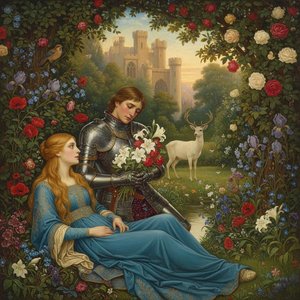
The Pre-Raphaelite Revolution: A Symphony of Vivid Color and Romantic Grandeur
Delve into the breathtaking Pre-Raphaelite Revolution. Explore the vivid colors, intricate details, and romantic symbolism of masters like Rossetti and Millais in this authoritative journey through 19th-century art history for true enthusiasts.


