

 In echtem Maßstab anzeigen
 Versenden als Grußkarte
 Teilen
 Details anzeigen
 Leitfaden öffnen

 Herunterladen
 Ähnliche Objekte
 Röntgenaufnahme
 Diashow
 Besucherstatistiken
In the Barn


 Mehr anzeigen
Giclée / Kunstdruck
Giclée- oder Leinwanddruck in Museumsqualität mit schneller Produktion und flexiblen Veredelungsoptionen. ( Handgemalte Reproduktion kaufen Zum digitalen Bild wechseln)




P118B €10

P118H €10

P118W €10

P438Z €10

P508JH €12

P508YH €12

P805H €10

P805Z €10

P919BZ €10

P919G €10

P919XJ €10

P959ZH €10

P968JZ €12

W106C €8

W218G €10

W218JH €8

W218Y €10

W307PJ €10

W316G €10

W316PJ €8

W316Y €10

W398PJ €8

W4111J €10

W500HY €15

W500JH €15

W692G €12

W849H €8

W940BG €15

W953PJ €8




Wählen Sie aus unseren vordefinierten Formaten, die den ursprünglichen Proportionen des Kunstwerks entsprechen.

Geben Sie die Breite und die Höhe an, die Sie benötigen, damit der Druck perfekt in Ihren Rahmen oder an Ihre Wand passt. Ein Druck kann nur beschnitten werden und niemals größer als das Originalbild gemacht werden; daher verliert ein Format mit einer anderen Proportion einen Teil des Bildes. Wir senden Ihnen ein digitales Mockup zur Freigabe, bevor wir den Druck ausführen. Das auf dieser Seite gezeigte Bild zeigt nicht den tatsächlichen Beschnitt – dies ist nur im Mockup ersichtlich.
Weltweiter Versand () innerhalb von 2 Wochen statt der üblichen 4/5 Wochen. (25 Oktober)

Kostenloser weltweiter Expressversand

Hochwertige Leinenleinwand

Vollständiger Versicherungsschutz beim Versand

Zollgebühren-Rückerstattungsgarantie

Garantie für exakte Farbtreue

100-tägiges Rückgaberecht (nur bei Mängeln)

100% Geld-zurück-Garantie

Angebot für Mengenrabatt
 Die Glasoption ist nur für Größen unter 110 cm verfügbar.

In the Barn
Giclée / Kunstdruck
Format der Reproduktion
-


Gesamtpreis
€ 70
A Portrait of Rural England: Exploring Sir George Clausen’s “In The Barn”
The painting "In The Barn," completed in 1902 by Sir George Clausen, stands as a testament to the British Impressionist movement's fascination with capturing fleeting moments of beauty within everyday life. More than just a depiction of agricultural labor—though undeniably present—the artwork delves into themes of camaraderie, resilience, and the quiet dignity inherent in rural existence, offering viewers a glimpse into a pivotal period of British history.Subject Matter & Composition
Clausen’s canvas portrays a barn interior bathed in dappled sunlight filtering through cracks in the roof tiles. Several figures inhabit the space: two men standing shoulder-to-shoulder near the left side of the barn, and another individual positioned slightly further back towards the center. The artist meticulously renders the textures of hay bales—the rough weave of straw interspersed with flecks of dried grass—creating a palpable sense of warmth and materiality. Notably, Clausen incorporates avian imagery – a bird perched atop the roofline on the right side and another nestled amongst the haystacks – symbolizing hope and observation amidst the rustic setting. The composition itself is deliberately balanced, guiding the eye across the scene with subtle diagonals that emphasize both spatial depth and human connection.Stylistic Influences & Technique
Clausen’s artistic approach firmly rooted in Impressionism distinguishes him from his academic predecessors. Like Monet and Renoir, he prioritizes capturing the effects of light on color—a technique known as *plein air* painting—allowing him to translate the immediacy of observation onto canvas. Clausen skillfully employs broken brushstrokes and layering of pigments to achieve a luminous quality that mimics the way sunlight illuminates surfaces. The artist’s palette leans towards muted earth tones – ochres, browns, greens – reflecting the dominant colors of the rural landscape he portrays. However, Clausen avoids the purely decorative tendencies of Impressionism, instead imbuing his work with a palpable sense of realism and emotional resonance.Historical Context & Societal Significance
“In The Barn” was created during a period of significant social transformation in Britain—the Edwardian era—characterized by rapid industrialization alongside a growing appreciation for the pastoral ideal. Clausen’s depiction aligns perfectly with this cultural shift, reflecting anxieties about the encroaching influence of urban life and celebrating the enduring values of rural communities. The painting speaks to the importance of labor and craftsmanship – embodied in the figures within the barn – as sources of pride and stability amidst uncertainty. Furthermore, it embodies a humanist sensibility that champions empathy for ordinary people and acknowledges their role in shaping national identity.Symbolism & Emotional Impact
Beyond its visual representation, “In The Barn” resonates with deeper symbolic meanings. The birds represent vigilance and connection to nature—a reminder of the beauty and tranquility that can be found outside the confines of industrial society. The men standing together symbolize solidarity and mutual support – values crucial for navigating challenging times. Clausen’s masterful use of light and color evokes a feeling of comfort, nostalgia, and understated optimism. It invites viewers to contemplate not only the physical environment but also the human spirit—its capacity for resilience, compassion, and appreciation for simple pleasures.Conclusion
Sir George Clausen's “In The Barn” transcends mere landscape painting; it’s an evocative portrait of a bygone era imbued with humanist values and artistic innovation. Its enduring appeal lies in its ability to capture the essence of rural England—a place of beauty, labor, and human connection—and to convey a profound emotional response that continues to inspire audiences today. Reproductions of this remarkable artwork offer collectors and interior designers alike an opportunity to experience firsthand the legacy of Impressionism’s embrace of natural light and its unwavering commitment to portraying the dignity of everyday life.Fragen & Antworten
Wie viele Personen sehen "In the Barn"?
Statistiken zu "In the Barn" von Sir George Clausen finden Sie auf der Statistiken-Seite des Kunstwerks: monatliche Aufrufe des Kunstwerks, Aufrufe der Werke des Künstlers sowie eine Aufschlüsselung der jüngsten Besucher nach Land und Sprache.
Wie kann ich "In the Barn" von Sir George Clausen als Diashow ansehen?
Das Diaporama zu „In the Barn“ kann auf der Diashow-Seite des Kunstwerks angesehen werden.
Welchen kunsthistorischen Stellenwert nimmt "In the Barn" von Sir George Clausen ein?
"In the Barn" von Sir George Clausen gehört der Impressionism-Strömung innerhalb der 19th Century-Epoche an. Zusammen verleihen sie dem Werk seinen Platz in der Kunstgeschichte.
Biografie des Künstlers
Sir George Clausen: Ein Britischer Impressionist des Landlebens und Krieges
Sir George Clausen (1852-1944) war eine bedeutende Figur in der späten 19. und frühen 20. Jahrhundert britischen Kunst, anerkannt für seine charakteristische Mischung aus impressionistischen Techniken mit einem Fokus auf die Darstellung des Landlebens und, später, die Auswirkungen des Krieges. Geboren in London, Großbritannien, spiegelt Clausens künstlerischer Weg sowohl persönliche Tragödien als auch breitere gesellschaftliche Verschiebungen wider.
Frühes Leben und Künstlerische Entwicklung
Clausens frühe Ausbildung war verwurzelt in traditionellen akademischen Methoden. Er neigte sich jedoch bald zu einem moderneren Ansatz, beeinflusst von der wachsenden impressionistischen Bewegung in Frankreich. Er studierte an den Royal Academy Schools und reiste ausgiebig in Europa, absorbierte die Prinzipien des plein air Malens und fing flüchtige Momente von Licht und Atmosphäre ein. Ein wichtiger Moment war seine Beteiligung an der New English Art Club, gegründet 1886. Diese Gruppe förderte einen neuen Ansatz in der Kunst, der sich von den starren Regeln der Royal Academy löste.
Wichtige Themen und Künstlerischer Stil
Clausens künstlerisches Werk ist durch mehrere wiederkehrende Themen gekennzeichnet:
- Landleben: Viele seiner bekanntesten Werke stellen Szenen landwirtschaftlicher Arbeit, ländliche Landschaften und das Leben der Menschen auf dem Land dar. Girl (1888), Ploughing (1889) und The Gleaners Returning (1908) zeigen seine Fähigkeit, die Würde und Schönheit des täglichen Lebens zu erfassen.
- Licht und Atmosphäre: Wie die Impressionisten war Clausen zutiefst daran interessiert, die Auswirkungen von Licht auf Farbe und Form darzustellen. Seine Gemälde zeichnen sich durch ihre atmosphärische Tiefe aus.
- Menschen in der Landschaft: Clausen integrierte oft Menschen in seine Kompositionen, um Geschichten zu erzählen und Emotionen auszudrücken. Youth Mourning (1916) ist ein Beispiel für seine Fähigkeit, Trauer und Verlust darzustellen.
Sein Stil entwickelte sich im Laufe der Zeit weiter, wobei er die Prinzipien des plein air Malens beibehielt, aber auch neue Techniken erforschte.
Kriegsjahre und Persönliche Tragödien
Der Erste Weltkrieg hatte einen tiefgreifenden Einfluss auf Clausen. Er wurde als Kriegsmaler eingesetzt und dokumentierte die Ereignisse des Krieges. Youth Mourning (1916) ist ein Ausdruck seiner persönlichen Erfahrung mit dem Krieg und dem Verlust. Er schuf auch Lithographien für das Portfolio Britain’s Efforts and Ideals, das die Anstrengungen der britischen Bevölkerung während des Krieges dokumentierte.
Die persönliche Tragödie des Krieges verstärkte Clausens künstlerische Sensibilität und führte zu Gemälden von großer emotionaler Tiefe.
Wichtige Errungenschaften und Historische Bedeutung
Sir George Clausen hinterließ ein bedeutendes Erbe in der britischen Kunst:
- Mitbegründer der New English Art Club: Seine Beteiligung an dieser Gruppe trug zur Entwicklung eines neuen Ansatzes in der Kunst bei.
- Kriegsmaler: Seine Dokumentation des Ersten Weltkriegs ist ein wichtiger Beitrag zur Kriegsgeschichte.
- Meister des plein air Malens: Seine Fähigkeit, Licht und Atmosphäre darzustellen, machte ihn zu einem der führenden Maler seiner Zeit.
Clausen wird als einer der wichtigsten britischen Impressionisten angesehen, dessen Werk die Entwicklung der modernen Kunst beeinflusste. Seine Gemälde sind ein Zeugnis seiner künstlerischen Sensibilität und seines Engagements für die Darstellung des Lebens in all seinen Facetten.

Sir George Clausen
1852 - 1944 , Vereinigtes Königreich
Eckdaten zum Künstler
- Beeinflusste Künstler: ['Neue Englische Kunstverein']
- Bemerkenswerte Werke:
- Vogel scheuchen
- Mädchen
- Einarbeiten
- Gleitende Heimkehr
- Geburtsdatum: 1859
- Geburtsort: London, Großbritannien
- Künstlerischer Stil: Plein-Air-Impressionismus
- Nationalität: Britisch
- Todestag: 1944
- Vollständiger Name: Sir George Clausen
- Von Künstlern Beeinflusst:
- Impressionisten
- Royal Academy
Verwandte Artikel

Sir Alfred James Munnings: Die 25 Meisterwerke des Pferdebildes | OriginalUniqueArt
Entdecken Sie die 25 Meisterwerke von Sir Alfred James Munnings! Erleben Sie seine beeindruckenden Pferdebilder, geprägt vom Impressionismus und Realismus. Hochwertige Kunstdrucke & Reproduktionen auf OriginalUniqueArt.com – für elegante Wandkunst & stilvolles Interieurdesign.

Sir George Clausen: Capturing Edwardian Life & British Impressionism's Nuances
Explore the luminous world of Sir George Clausen, a leading British Impressionist painter. Discover his captivating scenes of Edwardian life, rural England & poignant war art. Learn about his legacy and find high-quality reproductions at OriginalUniqueArt.
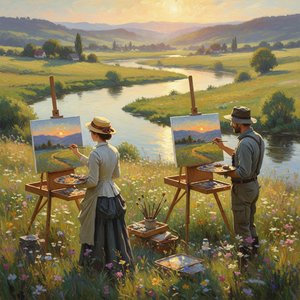
Capturing Ephemeral Light: Plein Air Painting from Impressionism to Today
Explore the history of plein air painting, from its origins with the Barbizon school to Impressionism's revolution & contemporary practice. Discover techniques, artists like Monet & Renoir, and find museum-quality reproductions at OriginalUniqueArt.

Philip Connard: A Study in British Impressionism & the Evocation of Rural England
Explore the captivating world of Philip Connard (1875-1958), a leading British Impressionist painter renowned for his decorative landscapes and wartime artistry. Discover his life, legacy & available artworks at OriginalUniqueArt.

Impressionismus Meisterwerke: Die Top 10 Kunstwerke für Ihr Zuhause | OriginalUniqueArt
Entdecken Sie die Top 10 Meisterwerke des Impressionismus! Von Monet bis Renoir – erfahren Sie die Geschichten hinter berühmten Gemälden, Techniken & Farben. Hochwertige Kunstdrucke auf OriginalUniqueArt.com.
