

 In echtem Maßstab anzeigen
 Versenden als Grußkarte
 Teilen
 Details anzeigen
 Leitfaden öffnen

 Herunterladen
 Ähnliche Objekte
 Röntgenaufnahme
 Diashow
 Besucherstatistiken
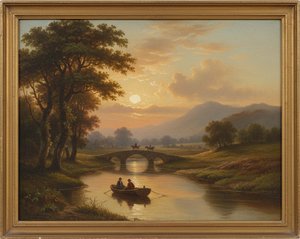
Edward Whitaker Gray
 Acrylic On Canvas
- WallArt
- Romantic Landscape
 1800
1800 75.0 x 63.0 cm
 Royal Society
 Mehr anzeigen
Handgefertigte Ölreproduktion
Handgemaltes Ölgemälde auf Leinwand in Ihrer Wunschgröße und mit Rahmen, auf Bestellung von unseren Künstlern angefertigt. ( Zum Druck wechseln Zum digitalen Bild wechseln)




P118B €10

P118H €10

P118W €10

P438Z €10

P508JH €12

P508YH €12

P805H €10

P805Z €10

P919BZ €10

P919G €10

P919XJ €10

P959ZH €10

P968JZ €12

W106C €8

W218G €10

W218JH €8

W218Y €10

W307PJ €10

W316G €10

W316PJ €8

W316Y €10

W398PJ €8

W4111J €10

W500HY €15

W500JH €15

W692G €12

W849H €8

W940BG €15

W953PJ €8




Wählen Sie aus unseren vordefinierten Formaten, die den ursprünglichen Proportionen des Kunstwerks entsprechen.

Sie können Ihre eigenen Maße eingeben, um einen bestimmten Rahmen oder Platz auszufüllen. Wenn die gewählte Größe nicht den Proportionen des Originalbildes entspricht, werden wir das Kunstwerk entweder beschneiden oder das Gemälde durch zusätzliche, handgemalte Elemente erweitern. Ein digitales Mockup wird Ihnen zur Genehmigung zugesandt, bevor die Produktion beginnt.
Bitte beachten Sie, dass die Bildschirmvorschau nicht die tatsächliche Beschneidung oder Erweiterung widerspiegelt. Nur das Mockup zeigt die endgültige Komposition exakt an.
Obwohl Sondermaße verfügbar sind, empfehlen wir, eine Größe aus der vordefinierten Liste zu wählen, um die ursprünglichen Proportionen beizubehalten.
Nach der Bestellung wird das OriginalUniqueArt.com-Team dem Kunden Anweisungen per E-Mail zusenden und eine Mockup-Vorschau bereitstellen.
Weltweiter Versand () in nur 3 bis 4 Wochen statt der üblichen 5 Wochen. (2 Oktober). Keine Kompromisse bei der Qualität.

Kostenloser weltweiter Expressversand

Hochwertige Leinenleinwand

Vollständiger Versicherungsschutz beim Versand

Zollgebühren-Rückerstattungsgarantie

Garantie für exakte Farbtreue

100-tägiges Rückgaberecht (nur bei Mängeln)

100% Geld-zurück-Garantie

Angebot für Mengenrabatt
 Die Glasoption ist nur für Größen unter 110 cm verfügbar.

Edward Whitaker Gray
Reproduktionsmedium
Format der Reproduktion
-


Gesamtpreis
€ 258
A Moment Frozen in Time: Exploring Sir Augustus Wall Callcott’s “The Entrance to the Pool of London”
Sir Augustus Wall Callcott's "The Entrance to the Pool of London," completed in 1816, stands as a testament to Romantic landscape painting—a genre defined by its reverence for nature and its ability to evoke profound emotion. More than just a depiction of a riverside scene, this artwork embodies the spirit of its era, reflecting anxieties about industrialization alongside an enduring fascination with the sublime beauty of the English countryside. Callcott’s masterful use of tonal gradation and dramatic lighting elevates the painting beyond mere observation; it invites contemplation on the passage of time and the encroaching influence of progress upon traditional landscapes.Technical Brilliance: Impressionistic Touches Amidst Classical Form
Callcott employed a technique that skillfully blended elements of Romanticism with classical influences. While adhering to the conventions of academic portraiture—evident in the carefully constructed composition and balanced perspective—he infused his work with subtle impressionistic qualities. The artist meticulously layered thin washes of pigment, creating atmospheric haze and capturing fleeting effects of light on the water’s surface. This approach distinguishes “The Entrance to the Pool of London” from more rigid depictions of the period, demonstrating Callcott's innovative understanding of color theory and his dedication to conveying a sense of immediacy. The brushstrokes are visible yet controlled, contributing to the painting’s textural richness and enhancing its visual impact.Historical Context: Britain at the Crossroads
Painted during a pivotal moment in British history—the Industrial Revolution was rapidly transforming the nation's economy and society—Callcott’s landscape serves as a poignant counterpoint to the burgeoning factories and urban sprawl of the time. The Pool of London, once dominated by windmills and barges laden with goods, represented Britain’s maritime heritage and connection to the wider world. However, Callcott subtly conveys a feeling of melancholy, hinting at the inevitable loss of rural tranquility as industrial expansion pushed further into previously untouched territories. This duality—beauty juxtaposed against change—resonates powerfully within the artwork's narrative.Symbolism: Light and Shadow – Reflections of Inner Turmoil
The painting’s masterful use of light and shadow is laden with symbolic significance. The dominant illumination casts a cool, silvery glow upon the water, mirroring the stillness and serenity of the scene. Yet, darker patches delineate the shoreline and suggest hidden depths—representing anxieties about uncertainty and impending transformation. Callcott's deliberate manipulation of tonal values underscores the Romantic preoccupation with exploring psychological states alongside visual impressions. The light itself symbolizes hope and enlightenment, while the shadows embody fear and introspection – themes that extend beyond the confines of the landscape to engage viewers on a deeper emotional level.Emotional Resonance: Capturing the Sublime
Ultimately, “The Entrance to the Pool of London” succeeds in capturing the sublime—that elusive feeling of awe and terror experienced when confronted with overwhelming grandeur or beauty. Callcott’s depiction inspires contemplation about humanity's relationship with nature and its vulnerability before forces beyond our control. The painting lingers in the mind long after viewing, prompting reflection on themes of change, memory, and the enduring power of artistic vision. It remains a captivating example of Romantic landscape art—a timeless masterpiece that continues to resonate with audiences today.Fragen & Antworten
Wo kann ich das Original von "Edward Whitaker Gray" von Sir Augustus Wall Callcott sehen?
Das Original von "Edward Whitaker Gray" von Sir Augustus Wall Callcott befindet sich im Royal Society, London, Vereinigtes Königreich. Eine Reproduktion ermöglicht es, das Werk zu Hause auszustellen.
Welcher Künstler und welcher Stil stehen hinter "Edward Whitaker Gray"?
"Edward Whitaker Gray" wurde von Sir Augustus Wall Callcott im Stil der Romantic Landscape geschaffen. Künstler und Epoche bestimmen die Tradition des Werkes.
Wie kann ich "Edward Whitaker Gray" von Sir Augustus Wall Callcott als Diashow ansehen?
"Edward Whitaker Gray" von Sir Augustus Wall Callcott kann als Diashow auf der Diashow-Seite des Kunstwerks betrachtet werden.
Wie alt war Sir Augustus Wall Callcott, als „Edward Whitaker Gray“ im Jahr 1800 geschaffen wurde?
Sir Augustus Wall Callcott war 21 Jahre alt, als Edward Whitaker Gray im Jahr 1800 geschaffen wurde. Das Alter berechnet sich aus dem Geburtsjahr des Künstlers, 1779.
Welchem Künstler wird "Edward Whitaker Gray" zugeschrieben?
"Edward Whitaker Gray" wird Sir Augustus Wall Callcott zugeschrieben.
In welchem Jahr wurde "Edward Whitaker Gray" geschaffen?
"Edward Whitaker Gray" stammt aus dem Jahr 1800. Dieses Datum ordnet das Werk in die Schaffensperiode von Sir Augustus Wall Callcott sowie in dessen Epoche ein.
Welche Atmosphäre verleiht "Edward Whitaker Gray" von Sir Augustus Wall Callcott einem Raum?
Die Serene Atmosphäre von "Edward Whitaker Gray" von Sir Augustus Wall Callcott passt perfekt zu dem empfohlenen Ort: einem Living Room.
Biografie des Künstlers
Frühes Leben und Ausbildung
Sir Augustus Wall Callcott, ein gefeierter englischer Landschaftsmaler, wurde am 20. Februar 1779 in Kensington Gravel Pits, einem Dorf am westlichen Rand von London, geboren. Seine frühen Jahre waren geprägt von einer Leidenschaft für Musik, die ihn dazu veranlasste, mehrere Jahre lang im Chor der Westminster Abbey zu singen. Später wurde er an der Royal Academy Schüler und begann dort seine künstlerische Karriere als Porträtmaler unter der Anleitung von John Hoppner.Aufstieg zur Prominenz
Callcotts Vorliebe für Landschaftsmalerei wurde bald deutlich, und nach 1804 stellte er ausschließlich Landschaften aus. Seine Geschicklichkeit, das elegante Design und die charmanten tonalen Qualitäten führten zu einem stetigen Anstieg seines Rufs. Im Jahr 1806 wurde er zum Associated der Royal Academy gewählt und 1810 zum ordentlichen Akademiker.Bemerkenswerte Werke und Ausstellungen
Zu Callcotts bemerkenswertesten Werken gehören:- Die Einfahrt in den Pool von London (1816)
- Der Fluss Tyne (1818)
- Eine ruhige Lage auf der Medway (1820)
- Rochester (1824)
- Raffaele und die Fornarina (1837) – ein seltenes Beispiel seiner Figurengemälde, das sich im South Kensington Museum (Sheepshanks Collection), heute Teil der V&A, befindet.
Vermächtnis und spätere Jahre
Callcott erhielt 1837 bei der Thronbesteigung von Königin Victoria den Titel eines Ritters. Er löste William Seguier als Kurator der königlichen Gemälde im Jahr 1843 ab. Callcott verstarb am 25. November 1844 und wurde im Kensal Green Cemetery beigesetzt. Weitere Werke von Sir Augustus Wall Callcott finden Sie auf OriginalUniqueArt.com: Weitere Informationen finden Sie auf Wikipedia:
Sir Augustus Wall Callcott
1779 - 1844 , Vereinigtes Königreich
Eckdaten zum Künstler
- Bemerkenswerte Werke:
- The Entrance to the Pool of London
- The Mouth of the Tyne
- A Dead Calm on the Medway
- Rochester
- Raffaelle and the Fornarina
- Geburtsdatum: 20. Februar 1779
- Geburtsort: Kensington, Vereinigtes Königreich
- Kunstrichtung: Landschaftsmalerei
- Nationalität: Britisch
- Todatum: 25. November 1844
- Vollständiger Name: Sir Augustus Wall Callcott
Verwandte Artikel

Sir Alfred James Munnings: Die 25 Meisterwerke des Pferdebildes | OriginalUniqueArt
Entdecken Sie die 25 Meisterwerke von Sir Alfred James Munnings! Erleben Sie seine beeindruckenden Pferdebilder, geprägt vom Impressionismus und Realismus. Hochwertige Kunstdrucke & Reproduktionen auf OriginalUniqueArt.com – für elegante Wandkunst & stilvolles Interieurdesign.
Sir Joshua Reynolds: Die 25 Meisterwerke des Porträtmalers | OriginalUniqueArt
Entdecken Sie die 25 Meisterwerke von Sir Joshua Reynolds! Erleben Sie Rokoko & Klassizismus durch ikonische Porträts. Hochwertige Reproduktionen für Ihr Interieur auf OriginalUniqueArt.com – jetzt entdecken!
Sir Augustus Wall Callcott: Licht und Atmosphäre in der britischen Landschaftsmalerei – Eine künstlerische Lebensreise
Entdecken Sie das faszinierende Werk von Sir Augustus Wall Callcott! Erfahren Sie mehr über seine einzigartige Lichtmalerei, seinen Einfluss auf die britische Romantik und wo Sie seine Gemälde heute finden können. Expertenwissen & Kunstgeschichte.

Romantische Landschaften: Die 10 Meisterwerke, die eine Epoche prägten | OriginalUniqueArt
Entdecken Sie die 10 Meisterwerke der Romantischen Landschaftsmalerei! Von Caspar David Friedrich bis Turner – erleben Sie die Kunst, Emotion & Natur. Hochwertige Reproduktionen auf OriginalUniqueArt.com

John Constable: Die 25 Meisterwerke des englischen Landschaftsgenies – OriginalUniqueArt
Entdecken Sie die 25 Meisterwerke von John Constable! Erleben Sie englische Landschaftsmalerei vom Hay Wain bis zur Stour Valley. Hochwertige Reproduktionen & Kunst für Ihr Zuhause auf OriginalUniqueArt.com.

