In echtem Maßstab anzeigen
 Versenden als Grußkarte
 Teilen
 Details anzeigen
 Leitfaden öffnen

 Herunterladen
 Ähnliche Objekte
 Röntgenaufnahme
 Diashow
 Besucherstatistiken
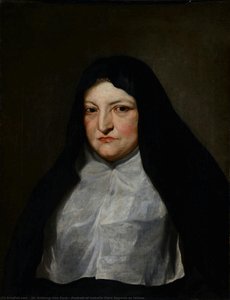
Porträt eines Mannes
 Öl auf Leinwand
- Wandkunst
- Barock
 1630
1630- – Frühe Neuzeit
 65.0 x 60.0 cm
 Fitzwilliam-Museum
 Mehr anzeigen
Handgefertigte Ölreproduktion
Handgemaltes Ölgemälde auf Leinwand in Ihrer Wunschgröße und mit Rahmen, auf Bestellung von unseren Künstlern angefertigt. ( Zum Druck wechseln Zum digitalen Bild wechseln)




P118B €10

P118H €10

P118W €10

P438Z €10

P508JH €12

P508YH €12

P805H €10

P805Z €10

P919BZ €10

P919G €10

P919XJ €10

P959ZH €10

P968JZ €12

W106C €8

W218G €10

W218JH €8

W218Y €10

W307PJ €10

W316G €10

W316PJ €8

W316Y €10

W398PJ €8

W4111J €10

W500HY €15

W500JH €15

W692G €12

W849H €8

W940BG €15

W953PJ €8




Wählen Sie aus unseren vordefinierten Formaten, die den ursprünglichen Proportionen des Kunstwerks entsprechen.

Geben Sie die Breite und die Höhe an, die Sie für Ihren Rahmen oder Ihre Wand benötigen. Da dieses Werk handgemalt ist, kann der Künstler bei einer anderen Form etwas mehr um das Bild herum malen oder etwas abschneiden – Sie entscheiden. Wir senden Ihnen ein digitales Mockup zur Freigabe, bevor mit dem Malen begonnen wird. Das auf dieser Seite gezeigte Bild stellt nicht das tatsächliche Ergebnis dar – dies tut nur das Mockup.
Nach der Bestellung wird das OriginalUniqueArt.com-Team dem Kunden Anweisungen per E-Mail zusenden und eine Mockup-Vorschau bereitstellen.
Weltweiter Versand () in nur 3 bis 4 Wochen statt der üblichen 5 Wochen. (25 Oktober). Keine Kompromisse bei der Qualität.

Kostenloser weltweiter Expressversand

Hochwertige Leinenleinwand

Vollständiger Versicherungsschutz beim Versand

Zollgebühren-Rückerstattungsgarantie

Garantie für exakte Farbtreue

100-tägiges Rückgaberecht (nur bei Mängeln)

100% Geld-zurück-Garantie

Angebot für Mengenrabatt
 Die Glasoption ist nur für Größen unter 110 cm verfügbar.

Porträt eines Mannes
Reproduktionsmedium
Format der Reproduktion
-


Gesamtpreis
€ 263
A Vision of Baroque Grandeur
In the quiet presence of Sir Anthony van Dyck’s “Portrait of a Man,” one does not merely observe a face, but encounters an era of profound elegance and social theater. Painted around 1630, this masterpiece serves as a breathtaking window into the seventeenth century, capturing a moment where identity and status were inextricably woven together through art. The subject, a gentleman of unmistakable distinction, is presented with a poised intensity that commands the viewer's attention. Draped in a sumptuous scarlet cape that bleeds into the rich textures of the background, he wears a meticulously rendered ruffled collar that frames his countenance like a halo of fine lace. This is not just a likeness; it is an intentional construction of nobility, designed to evoke the very essence of the aristocratic spirit.
The painting’s power lies in its masterful use of chiaroscuro, a technique van Dyck refined under the influence of his mentor, Peter Paul Rubens. By orchestrating a dramatic interplay between deep, velvety shadows and soft, directional light, the artist sculpts the sitter's features with remarkable three-dimensionality. The light catches the subtle textures of the skin and the intricate folds of the fabric, creating a tactile experience that feels almost tangible to the observer. This mastery of light does more than define form; it imbues the subject with a psychological depth, suggesting a man of thought, authority, and quiet introspection.
Symbolism and the Art of Presence
Every element within this composition is a deliberate symbol of prestige. The deep crimson curtain that hangs behind the gentleman is far more than a decorative backdrop; in the visual language of the Baroque period, such drapery served as a theatrical device to signify high rank and sovereign power. It creates a sense of enclosure, focusing all emotional energy upon the subject while suggesting the opulent interiors of an English or Flemish estate. The bold use of red—a color historically associated with wealth, passion, and the clergy—further reinforces the sitter's elevated social standing.
For the discerning collector or interior designer, this artwork offers a profound emotional resonance. It possesses a timeless quality that transcends its historical origins, bringing a sense of "sprezzatura"—that effortless, studied nonchalance—into a modern living space. Whether placed in a grand library or a sophisticated study, the portrait acts as an anchor of dignity. The painting does not merely decorate a wall; it transforms a room, inviting conversation and providing a focal point of historical gravity and aesthetic splendor.
A Legacy for the Modern Collector
To possess a reproduction of this caliber is to hold a piece of the Flemish Baroque legacy. Van Dyck’s ability to blend the monumental scale of Rubens with a more intimate, refined sensitivity makes this work uniquely captivating for contemporary tastes. It captures the tension between the public persona of power and the private reality of the human soul. For those seeking to infuse their surroundings with the warmth of history and the brilliance of classical technique, this portrait stands as an enduring testament to the beauty of the human spirit captured in oil.
Fragen & Antworten
Wie stehen die Farben von "Porträt eines Mannes" zueinander?
Die Farben von "Porträt eines Mannes" von Sir Anthony van Dyck zeigen eine Hohe farbliche Harmonie Harmonie. Harmonie beschreibt, wie die Farben zueinander in Beziehung stehen.
Wie wirkt die Helligkeit von "Porträt eines Mannes" von Sir Anthony van Dyck?
Insgesamt wird „Porträt eines Mannes“ mit einer Helligkeit von tiefste Schattenwerte erfasst. Die wahrgenommene Helligkeit beschreibt, wie hell oder dunkel das Werk erscheint.
Kann ich "Porträt eines Mannes" genauer untersuchen?
Die Röntgenaufnahme-Seite von "Porträt eines Mannes" von Sir Anthony van Dyck ist ein interaktiver Viewer, der es Ihnen ermöglicht, durch elf optische Schichten des Kunstwerks zu gleiten, einschließlich einer Ansicht im Röntgenstil.
Biografie des Künstlers
A Flemish Master at the Courts of Europe
Sir Anthony van Dyck, born in Antwerp in 1599, emerged as one of the most celebrated and influential portraitists of the Baroque era. His life, though tragically cut short at just forty-two years old, was a whirlwind of artistic exploration and prestigious commissions that took him from his native Flanders to Italy and ultimately to the heart of the English court. From an early age, van Dyck displayed remarkable talent, entering Hendrick van Balen’s workshop as a young apprentice and quickly absorbing the prevailing styles of the time. However, it was his association with Peter Paul Rubens – not merely as a student but as a collaborator – that truly shaped his artistic foundation. He learned from Rubens' dynamic compositions, rich color palettes, and masterful handling of light and shadow, yet van Dyck soon began to forge his own distinct path, one characterized by an elegance and refinement that would become his signature.Italian Sojourns and the Birth of a Style
The years van Dyck spent in Italy, beginning around 1621, proved pivotal in his artistic development. He resided primarily in Genoa, where he found favor among the city’s aristocratic families. It was here that he began to cultivate the sophisticated style for which he would become renowned – a style marked by graceful poses, luxurious fabrics, and an almost palpable sense of nobility. Unlike the robust energy often found in Rubens' work, van Dyck’s Italian portraits exude a refined composure, capturing not just physical likeness but also the inner character and social standing of his sitters. During this period, he embarked on his *Iconography*, a series of meticulously rendered portrait etchings featuring prominent figures of his time – artists, scholars, and rulers alike. This project showcased his exceptional technical skill and established him as a leading printmaker. These etchings weren’t simply records; they were carefully constructed images designed to immortalize the subjects and convey their status and intellect. He experimented with innovative techniques—dramatic lighting, sweeping gestures, and carefully chosen backgrounds —to create images that were both visually stunning and politically charged.The King's Painter: Van Dyck in England
In 1632, van Dyck received an invitation that would forever alter his career trajectory – a summons from Charles I of England to become the court painter. This appointment marked a turning point, not only for van Dyck but also for English portraiture. He arrived in London with a considerable reputation and quickly became indispensable to the king, tasked with creating images that projected an aura of power, majesty, and divine right. Van Dyck’s portraits of Charles I are particularly noteworthy; he moved away from the stiff, formal representations favored by earlier artists, instead portraying the king as a dynamic, charismatic leader. He employed innovative techniques – dramatic lighting, sweeping gestures, and carefully chosen backgrounds – to create images that were both visually stunning and politically charged. His influence extended beyond the royal family, shaping the visual culture of the English aristocracy for generations to come. He didn’t just paint portraits; he crafted an image of kingship, influencing how royalty was perceived for over a century.Legacy and Enduring Influence
Van Dyck's untimely death in 1641 robbed the art world of a prodigious talent, but his legacy endures to this day. His impact on English portraiture is immeasurable; he established a standard of elegance and sophistication that subsequent artists would strive to emulate. He was recognized as one of the foremost painters of his time—a true innovator who reshaped artistic conventions.- Technical Innovation: He mastered both oil painting and etching, constantly experimenting with new techniques.
- Stylistic Refinement: His portraits are characterized by their graceful poses, luxurious fabrics, and subtle psychological insights.
- Courtly Influence: He transformed the image of the English monarchy, creating a visual language of power and prestige.

Sir Anthony van Dyck
1599 - 1641 , Belgien
Eckdaten zum Künstler
- Artistic Movement Or Style: Barock
- Artists Who Influenced This Artist: ['Peter Paul Rubens']
- Date Of Birth: 22 März 1599
- Full Name: Sir Anthony van Dyck
- Nationality: Flämisch
- Notable Artworks:
- Charles I in Drei Positionen
- Rinaldo und Armida
- Portrait von Nicolaes van der Borght
- Place Of Birth: Antwerpen, Belgien
Verwandte Artikel

Rembrandts Meisterwerke: Die Top 25 Kunstwerke für Ihr Zuhause | OriginalUniqueArt
Entdecken Sie Rembrandts 25 berühmteste Kunstwerke! Tauchen Sie ein in die Welt des Barock, Licht und Schatten & historischer Porträts. Hochwertige Reproduktionen für Ihr Zuhause – jetzt auf OriginalUniqueArt.com!
The Grandeur of Baroque Portraiture: Power, Emotion & Artistic Innovation
Explore the grandeur of Baroque portraiture! Discover Rubens, Van Dyck & the masters of 17th-century art. Uncover symbolism, techniques & lasting influence. Expert insights for collectors and enthusiasts.

Crimson Threads of Narrative: Exploring Symbolism & Representation in Artworks Featuring the Red Dress
Explore the rich symbolism of the red dress in art history! From ancient power displays to iconic portraits like Cézanne’s 'Madame Cezanne', discover the cultural and artistic significance behind this captivating color. Expert analysis & insights.

Barocke Pracht: Wie Sie Opulenz und Emotionen in zeitgenössische Innenräume bringen
Entdecken Sie die Pracht des Barock! Expertenratgeber für luxuriöse Innenräume mit barocken Elementen. Inspiration, Tipps & hochwertige Kunst bei .
Sir Anthony van Dyck: Hofmalerei und die Formung barocker Identität
Entdecken Sie das Werk von Sir Anthony van Dyck – Hofmaler Karls I. und Meister der Porträtkunst. Erfahren Sie mehr über seine Einflüsse, Techniken und den Wert seiner Gemälde für Sammler.