Vorschau anzeigen
 Versenden
 Teilen
 Details anzeigen
 Leitfaden

 Herunterladen
 Ähnliche Objekte
 Röntgenaufnahme
 Diashow
 Q&A
Q&A Statistiken
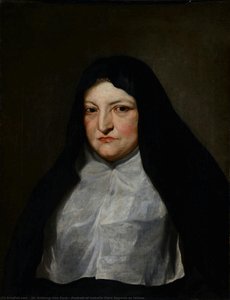
Porträt einer Edelfrau


 Weiterlesen
Giclée / Kunstdruck
Giclée- oder Leinwanddruck in Museumsqualität mit schneller Produktion und flexiblen Veredelungsoptionen. ( Handgemalte Reproduktion bestellen Zum digitalen Bild wechseln)




P118B €10

P118H €10

P118W €10

P438Z €10

P508JH €12

P508YH €12

P805H €10

P805Z €10

P919BZ €10

P919G €10

P919XJ €10

P959ZH €10

P968JZ €12

W106C €8

W218G €10

W218JH €8

W218Y €10

W307PJ €10

W316G €10

W316PJ €8

W316Y €10

W398PJ €8

W4111J €10

W500HY €15

W500JH €15

W692G €12

W849H €8

W940BG €15

W953PJ €8




Wählen Sie aus unseren vordefinierten Formaten, die den ursprünglichen Proportionen des Kunstwerks entsprechen.

Geben Sie die benötigte Breite und Höhe an, damit der Druck perfekt in Ihren Rahmen oder an Ihre Wand passt. Ein Druck kann nur beschnitten, aber niemals größer als das Originalbild angefertigt werden; daher verliert ein Format mit anderen Proportionen einen Teil des Bildes. Wir senden Ihnen ein digitales Mockup zur Freigabe, bevor wir den Druck ausführen. Das auf dieser Seite gezeigte Bild zeigt nicht den tatsächlichen Beschnitt – dies ist nur im Mockup ersichtlich.
Weltweiter Versand () innerhalb von 2 Wochen statt der üblichen 4/5 Wochen. (29 Oktober)

Kostenloser weltweiter Expressversand

Hochwertige Leinenleinwand

Umfassender Versicherungsschutz beim Versand

Zollgebühren-Rückerstattungsgarantie

Garantie für exakte Farbtreue

100 Tage Rückgaberecht (nur bei Mängeln)

100% Geld-zurück-Garantie

Mengenrabatt verfügbar
 Die Glasoption ist nur für Größen unter 110 cm verfügbar.

Porträt einer Edelfrau
Giclée / Kunstdruck
Format der Reproduktion
-


Endpreis
€ 71
Eine Vision barocker Eleganz
In der stillen, gebieterischen Präsenz von Sir Anthony van Dycks Meisterwerk aus dem Jahr 1622, „Porträt einer Edelfrau“, begegnet man weit mehr als nur einer bloßen Ähnlichkeit; man betritt eine Welt von tiefgründiger psychologischer Tiefe und aristokratischem Glanz. Gemalt in einem entscheidenden Moment der prägenden Jahre des Künstlers, dient dieses Werk als atemberaubendes Fenster in die Seele des siebzehnten Jahrhunderts. Die Dargestellte, oft mit der Anmut des hohen Adels identifiziert, blickt aus einer dunklen, unbestimmten Leere hervor, wobei ihre Gesichtszüge durch den meisterhaften Einsatz von Chiaroscuro modelliert werden. Dieses dramatische Zusammenspiel von Licht und Schatten erhellt nicht nur ihr Gesicht; es haucht der Textur ihrer Haut und den schweren, luxuriösen Falten ihrer Kleidung Leben ein und schafft eine Atmosphäre, die sich zugleich intim und ewig anfühlt.
Die technische Brillanz Van Dycks zeigt sich in seiner anspruchsvollen Handhabung von Öl auf Leinwand. Als Schützling des legendären Peter Paul Rubens erbte Van Dyck eine Beherrschung von Farbe und Bewegung, doch er verlieh diesem Porträt eine einzigartige, verfeinerte Zurückhaltung, die später den englischen Barockstil definieren sollte. Sein Pinselstrich ist nichts weniger als poetisch – er schichtet Pigmente, um eine samtige Glätte der Hauttöne zu erreichen, während er gleichzeitig die präzisen, komplizierten Details ihres aufwendigen Kragens einfängt. Für den anspruchsvollen Sammler oder Innenarchitekten bietet dieses Gemälde eine reiche taktile Qualität; selbst in einer Reproduktion bleibt das Gefühl von Gewicht, Glanz und materieller Opulenz spürbar, was es zu einem idealen Mittelpunkt für Räume macht, die einen Hauch von historischer Grandiosität verlangen.
Symbolik und die Sprache des Status
Jedes Element innerhalb dieser Komposition ist ein bewusstes Flüstern von Status und Tugend. Die Kleidung der Dame, charakterisiert durch ihre akribische Detailtreue und kostbaren Stoffe, dient als stiller Herold ihrer Abstammung und ihres Reichtums. Ihr markanter Kragen, ein Markenzeichen der High-Society-Mode der frühen 1600er Jahre, fungiert als Rahmen für ihren gelassenen Ausdruck und lenkt den Blick des Betrachters auf ein Antlitz, das sowohl Selbstvertrauen als auch Beherrschung ausstrahlt. In einer Ära, in der die Porträtmalerei das primäre Medium zur Behauptung des sozialen Prestiges war, setzt Van Dyck diese visuellen Hinweise meisterhaft ein, um die moralische Würde und den erhabenen Stand der Dargestellten zu kommunizieren.
Jenseits der äußeren Zurschaustellung von Reichtum findet sich eine tiefere emotionale Resonanz in der gedämpften Palette des Gemäldes aus Gold-, Creme- und tiefen Brauntönen. Diese Töne tragen zu einer Aura unterstrichener Eleganz bei, indem sie die Grellheit bloßer Prahlerei vermeiden und stattdessen eine dauerhafte, würdevolle Schönheit bevorzugen. Ein solches Werk aufzuhängen bedeutet, ein Gefühl von stiller Stärke und historischer Kontinuität in einen Raum einzuladen. Es ist ein Werk, das nicht nach Aufmerksamkeit schreit, sondern sie durch eine anspruchsvolle, rhythmische Harmonie von Licht und Schatten einfordert – eine exquisite Wahl für all jene, die ein Ambiente von zeitloser Raffinesse und intellektueller Tiefe kuratieren möchten.
Fragen & Antworten
Wo kann ich einen Druck von "Porträt einer Edelfrau" von Sir Anthony van Dyck kaufen?
"Porträt einer Edelfrau" ist als ein Fine Art Print auf Baumwollkanvas oder Archiv-Leinwandpapier erhältlich. Bestellungen können in der gewünschten Größe auf der Kunstdruck in Premiumqualität-Seite aufgegeben werden.
Welche Bedeutung kommt "Porträt einer Edelfrau" von Sir Anthony van Dyck in der Kunstgeschichte zu?
"Porträt einer Edelfrau" von Sir Anthony van Dyck lässt sich kunsthistorisch der Barock zuordnen, die aus der Epoche der – Frühe Neuzeit stammt.
Welche Farben dominieren in "Porträt einer Edelfrau" von Sir Anthony van Dyck?
"Porträt einer Edelfrau" von Sir Anthony van Dyck verwendet eine Erdtöne-Palette, wobei Rosiges Braun (#c9b16d) die dominierende Farbe ist.
Künstlerbiografie
A Flemish Master at the Courts of Europe
Sir Anthony van Dyck, born in Antwerp in 1599, emerged as one of the most celebrated and influential portraitists of the Baroque era. His life, though tragically cut short at just forty-two years old, was a whirlwind of artistic exploration and prestigious commissions that took him from his native Flanders to Italy and ultimately to the heart of the English court. From an early age, van Dyck displayed remarkable talent, entering Hendrick van Balen’s workshop as a young apprentice and quickly absorbing the prevailing styles of the time. However, it was his association with Peter Paul Rubens – not merely as a student but as a collaborator – that truly shaped his artistic foundation. He learned from Rubens' dynamic compositions, rich color palettes, and masterful handling of light and shadow, yet van Dyck soon began to forge his own distinct path, one characterized by an elegance and refinement that would become his signature.Italian Sojourns and the Birth of a Style
The years van Dyck spent in Italy, beginning around 1621, proved pivotal in his artistic development. He resided primarily in Genoa, where he found favor among the city’s aristocratic families. It was here that he began to cultivate the sophisticated style for which he would become renowned – a style marked by graceful poses, luxurious fabrics, and an almost palpable sense of nobility. Unlike the robust energy often found in Rubens' work, van Dyck’s Italian portraits exude a refined composure, capturing not just physical likeness but also the inner character and social standing of his sitters. During this period, he embarked on his *Iconography*, a series of meticulously rendered portrait etchings featuring prominent figures of his time – artists, scholars, and rulers alike. This project showcased his exceptional technical skill and established him as a leading printmaker. These etchings weren’t simply records; they were carefully constructed images designed to immortalize the subjects and convey their status and intellect. He experimented with innovative techniques—dramatic lighting, sweeping gestures, and carefully chosen backgrounds —to create images that were both visually stunning and politically charged.The King's Painter: Van Dyck in England
In 1632, van Dyck received an invitation that would forever alter his career trajectory – a summons from Charles I of England to become the court painter. This appointment marked a turning point, not only for van Dyck but also for English portraiture. He arrived in London with a considerable reputation and quickly became indispensable to the king, tasked with creating images that projected an aura of power, majesty, and divine right. Van Dyck’s portraits of Charles I are particularly noteworthy; he moved away from the stiff, formal representations favored by earlier artists, instead portraying the king as a dynamic, charismatic leader. He employed innovative techniques – dramatic lighting, sweeping gestures, and carefully chosen backgrounds – to create images that were both visually stunning and politically charged. His influence extended beyond the royal family, shaping the visual culture of the English aristocracy for generations to come. He didn’t just paint portraits; he crafted an image of kingship, influencing how royalty was perceived for over a century.Legacy and Enduring Influence
Van Dyck's untimely death in 1641 robbed the art world of a prodigious talent, but his legacy endures to this day. His impact on English portraiture is immeasurable; he established a standard of elegance and sophistication that subsequent artists would strive to emulate. He was recognized as one of the foremost painters of his time—a true innovator who reshaped artistic conventions.- Technical Innovation: He mastered both oil painting and etching, constantly experimenting with new techniques.
- Stylistic Refinement: His portraits are characterized by their graceful poses, luxurious fabrics, and subtle psychological insights.
- Courtly Influence: He transformed the image of the English monarchy, creating a visual language of power and prestige.
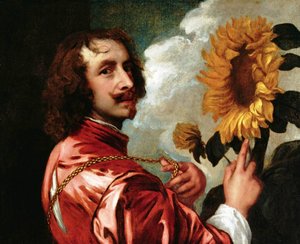
Sir Anthony van Dyck
1599 - 1641 , Belgien
Kurzinfos
- Artistic Movement Or Style: Barock
- Artists Who Influenced This Artist: ['Peter Paul Rubens']
- Date Of Birth: 22 März 1599
- Full Name: Sir Anthony van Dyck
- Nationality: Flämisch
- Notable Artworks:
- Charles I in Drei Positionen
- Rinaldo und Armida
- Portrait von Nicolaes van der Borght
- Place Of Birth: Antwerpen, Belgien
Ähnliche Artikel
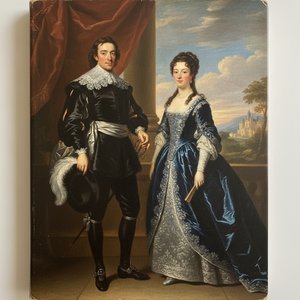
Sir Anthony van Dyck: Hofmalerei und die Formung barocker Identität
Entdecken Sie das Werk von Sir Anthony van Dyck – Hofmaler Karls I. und Meister der Porträtkunst. Erfahren Sie mehr über seine Einflüsse, Techniken und den Wert seiner Gemälde für Sammler.

Barocke Pracht entschlüsselt: Licht, Drama und Emotion im 17. Jahrhundert
Entdecken Sie die Dramatik des Barock von Caravaggio bis Rubens. Erleben Sie meisterhafte Lichtführung und Emotionen jetzt online.

Licht & Schatten: Die 25 größten Meisterwerke von Rembrandt
Entdecke Rembrandts 25 größte Meisterwerke des Barock. Erlebe Licht und Schatten auf OriginalUniqueArt.com – Jetzt die Kollektion entdecken!
Meisterwerke des 17. Jahrhunderts: Kunst für Ihr Zuhause | OriginalUniqueArt
Entdecken Sie die 10 bedeutendsten Kunstwerke des 17. Jahrhunderts! Von Rembrandt bis Caravaggio – erleben Sie Barockmalerei, niederländische Meister & klassische Gemälde. Finden Sie Ihre perfekte Reproduktion auf OriginalUniqueArt.com.
The Grandeur of Baroque Portraiture: Power, Emotion & Artistic Innovation
Explore the grandeur of Baroque portraiture! Discover Rubens, Van Dyck & the masters of 17th-century art. Uncover symbolism, techniques & lasting influence. Expert insights for collectors and enthusiasts.