In echtem Maßstab anzeigen
 Versenden als Grußkarte
 Teilen
 Details anzeigen
 Leitfaden öffnen

 Herunterladen
 Ähnliche Objekte
 Röntgenaufnahme
 Diashow
 Besucherstatistiken
Philipp, Vierter Lord Wharton


 Mehr anzeigen
Giclée / Kunstdruck
Giclée- oder Leinwanddruck in Museumsqualität mit schneller Produktion und flexiblen Veredelungsoptionen. ( Handgemalte Reproduktion kaufen Zum digitalen Bild wechseln)




P118B €10

P118H €10

P118W €10

P438Z €10

P508JH €12

P508YH €12

P805H €10

P805Z €10

P919BZ €10

P919G €10

P919XJ €10

P959ZH €10

P968JZ €12

W106C €8

W218G €10

W218JH €8

W218Y €10

W307PJ €10

W316G €10

W316PJ €8

W316Y €10

W398PJ €8

W4111J €10

W500HY €15

W500JH €15

W692G €12

W849H €8

W940BG €15

W953PJ €8




Wählen Sie aus unseren vordefinierten Formaten, die den ursprünglichen Proportionen des Kunstwerks entsprechen.

Geben Sie die Breite und die Höhe an, die Sie benötigen, damit der Druck perfekt in Ihren Rahmen oder an Ihre Wand passt. Ein Druck kann nur beschnitten werden und niemals größer als das Originalbild gemacht werden; daher verliert ein Format mit einer anderen Proportion einen Teil des Bildes. Wir senden Ihnen ein digitales Mockup zur Freigabe, bevor wir den Druck ausführen. Das auf dieser Seite gezeigte Bild zeigt nicht den tatsächlichen Beschnitt – dies ist nur im Mockup ersichtlich.
Weltweiter Versand () innerhalb von 2 Wochen statt der üblichen 4/5 Wochen. (23 Oktober)

Kostenloser weltweiter Expressversand

Hochwertige Leinenleinwand

Vollständiger Versicherungsschutz beim Versand

Zollgebühren-Rückerstattungsgarantie

Garantie für exakte Farbtreue

100-tägiges Rückgaberecht (nur bei Mängeln)

100% Geld-zurück-Garantie

Angebot für Mengenrabatt
 Die Glasoption ist nur für Größen unter 110 cm verfügbar.

Philipp, Vierter Lord Wharton
Giclée / Kunstdruck
Format der Reproduktion
-


Gesamtpreis
€ 70
Das Porträt von Philipp, Vierter Lord Wharton
In diesem Ölgemälde auf Leinwand aus dem Jahr 1632 erschafft Sir Anthony van Dyck ein eindrucksvolles Bildnis von Philip, dem vierten Baron Wharton. Das Motiv ist in einer Dreiviertel-Pose vor einer Landschaft positioniert, die eine felsige Kulisse und einen stilisierten Baum umfasst. Der Dargestellte trägt ein Wams und Strümpfe mit kunstvollen Stickereien, kombiniert mit einem Gewand in tiefen Purpur- und Goldtönen. Ein grünes Banner oder ein Draperie hängt hinter ihm, während eine Hirtenharke in der Beuge seines Arms ruht. Das Licht fällt sanft auf sein Gesicht und hebt einen festen, direkten Blick auf den Betrachter hervor. Seine Kleidung besticht durch Texturen aus Seide und schwerem Stoff, die das Licht in unterschiedlichen Helligkeitsgraden einfangen.
Die Komposition nutzt gezielt bestimmte Elemente, um Status und Identität zu vermitteln. Die grüne Fahne dient als Zeichen edler Abstammung und der Treue zur Krone. Das Vorhandensein des Hirtenwerkzeugs führt ein arkadisches Thema ein, das neoplatonische Schönheitsideale und einen idyllischen Zustand suggeriert. Van Dyck setzt die barocke Technik des Chiaroscuro ein, indem er subtile Abstufungen von Licht und Schatten nutzt, um die Konturen von Whartons Gesichtszügen und die Faltenwürfe seiner Kleidung zu definieren. Der Auftrag der Pigmente ist von höchster Präzision, wodurch eine leuchtende Oberfläche entsteht, welche die physische Präsenz des Dargestellten eindrucksvoll betont.
Historischer Kontext und künstlerische Ausführung
Entstanden während der Regierungszeit von Karl I., spiegelt dieses Porträt die formalen Anforderungen des englischen Hofes wider. Zu dieser Zeit war Van Dyck gerade erst nach London gekommen, um als primärer Hofmaler zu wirken. Das Gemälde hält die soziale Hierarchie des Englands des 17. Jahrhunderts durch die Darstellung aristokratischer Kleidung und Symbole der Autorität fest. Die Garderobe des Dargestellten, charakterisiert durch kostbare Materialien und detailreiche Handwerkskunst, fungiert als visuelles Zeugnis seiner Position innerhalb der politischen Landschaft.
Der technische Ansatz beruht auf dem sorgfältigen Schichten der Ölfarben, um Tiefe zu erzeugen. Van Dyck konzentriert sich auf das Zusammenspiel zwischen dem Subjekt und seiner Umgebung, wobei er die natürlichen Elemente des Hintergrunds nutzt, um die Figur einzurahmen. Der Ausdruck des Dargestellten ist gefasst und vermittelt durch einen direkten, unerschütterlichen Blick ein Gefühl der Selbstgewissheit. Diese Methode der Porträtmalerei entfernt sich von starren, rein formalen Ähnlichkeiten hin zu einer nuancierteren Beobachtung des Charakters, indem sie einen spezifischen psychologischen Zustand durch die kontrollierte Mimik und Haltung einfängt.
Fragen & Antworten
Ist "Philipp, Vierter Lord Wharton" als Kunstdruck erhältlich?
Ein Druck von "Philipp, Vierter Lord Wharton" von Sir Anthony van Dyck kann direkt auf der entsprechenden Kunstdruck-Seite bestellt werden: ein Fine Art Print auf Baumwollkanvas oder Archiv-Leinwandpapier.
Wirken die Farben von "Philipp, Vierter Lord Wharton" eher kräftig oder sanft?
Die Farben in "Philipp, Vierter Lord Wharton" von Sir Anthony van Dyck besitzen eine Ausgewogen Intensität.
Inwiefern lässt sich der Stil von "Philipp, Vierter Lord Wharton" mit der Epoche seines Schöpfers in Verbindung bringen?
"Philipp, Vierter Lord Wharton" gehört der Baroque Style-Strömung an, und sein Schöpfer war in der Ära der – Frühe Neuzeit tätig.
Biografie des Künstlers
A Flemish Master at the Courts of Europe
Sir Anthony van Dyck, born in Antwerp in 1599, emerged as one of the most celebrated and influential portraitists of the Baroque era. His life, though tragically cut short at just forty-two years old, was a whirlwind of artistic exploration and prestigious commissions that took him from his native Flanders to Italy and ultimately to the heart of the English court. From an early age, van Dyck displayed remarkable talent, entering Hendrick van Balen’s workshop as a young apprentice and quickly absorbing the prevailing styles of the time. However, it was his association with Peter Paul Rubens – not merely as a student but as a collaborator – that truly shaped his artistic foundation. He learned from Rubens' dynamic compositions, rich color palettes, and masterful handling of light and shadow, yet van Dyck soon began to forge his own distinct path, one characterized by an elegance and refinement that would become his signature.Italian Sojourns and the Birth of a Style
The years van Dyck spent in Italy, beginning around 1621, proved pivotal in his artistic development. He resided primarily in Genoa, where he found favor among the city’s aristocratic families. It was here that he began to cultivate the sophisticated style for which he would become renowned – a style marked by graceful poses, luxurious fabrics, and an almost palpable sense of nobility. Unlike the robust energy often found in Rubens' work, van Dyck’s Italian portraits exude a refined composure, capturing not just physical likeness but also the inner character and social standing of his sitters. During this period, he embarked on his *Iconography*, a series of meticulously rendered portrait etchings featuring prominent figures of his time – artists, scholars, and rulers alike. This project showcased his exceptional technical skill and established him as a leading printmaker. These etchings weren’t simply records; they were carefully constructed images designed to immortalize the subjects and convey their status and intellect. He experimented with innovative techniques—dramatic lighting, sweeping gestures, and carefully chosen backgrounds —to create images that were both visually stunning and politically charged.The King's Painter: Van Dyck in England
In 1632, van Dyck received an invitation that would forever alter his career trajectory – a summons from Charles I of England to become the court painter. This appointment marked a turning point, not only for van Dyck but also for English portraiture. He arrived in London with a considerable reputation and quickly became indispensable to the king, tasked with creating images that projected an aura of power, majesty, and divine right. Van Dyck’s portraits of Charles I are particularly noteworthy; he moved away from the stiff, formal representations favored by earlier artists, instead portraying the king as a dynamic, charismatic leader. He employed innovative techniques – dramatic lighting, sweeping gestures, and carefully chosen backgrounds – to create images that were both visually stunning and politically charged. His influence extended beyond the royal family, shaping the visual culture of the English aristocracy for generations to come. He didn’t just paint portraits; he crafted an image of kingship, influencing how royalty was perceived for over a century.Legacy and Enduring Influence
Van Dyck's untimely death in 1641 robbed the art world of a prodigious talent, but his legacy endures to this day. His impact on English portraiture is immeasurable; he established a standard of elegance and sophistication that subsequent artists would strive to emulate. He was recognized as one of the foremost painters of his time—a true innovator who reshaped artistic conventions.- Technical Innovation: He mastered both oil painting and etching, constantly experimenting with new techniques.
- Stylistic Refinement: His portraits are characterized by their graceful poses, luxurious fabrics, and subtle psychological insights.
- Courtly Influence: He transformed the image of the English monarchy, creating a visual language of power and prestige.
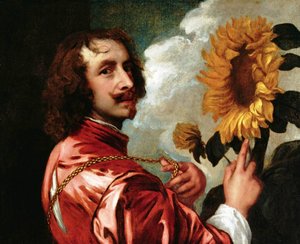
Sir Anthony van Dyck
1599 - 1641 , Belgien
Eckdaten zum Künstler
- Artistic Movement Or Style: Barock
- Artists Who Influenced This Artist: ['Peter Paul Rubens']
- Date Of Birth: 22 März 1599
- Full Name: Sir Anthony van Dyck
- Nationality: Flämisch
- Notable Artworks:
- Charles I in Drei Positionen
- Rinaldo und Armida
- Portrait von Nicolaes van der Borght
- Place Of Birth: Antwerpen, Belgien
Verwandte Artikel

Flemish Baroque: The Ultimate Masterclass in Dramatic Light, Opulent Detail, and Visual Impact
Discover the breathtaking drama of Flemish Baroque art. Explore the mastery of Rubens and Van Dyck through an expert lens, focusing on chiaroscuro, opulent detail, and the emotional intensity that defines this legendary era of visual impact.
Sir Anthony van Dyck: Hofmalerei und die Formung barocker Identität
Entdecken Sie das Werk von Sir Anthony van Dyck – Hofmaler Karls I. und Meister der Porträtkunst. Erfahren Sie mehr über seine Einflüsse, Techniken und den Wert seiner Gemälde für Sammler.

Rembrandts Meisterwerke: Die Top 25 Kunstwerke für Ihr Zuhause | OriginalUniqueArt
Entdecken Sie Rembrandts 25 berühmteste Kunstwerke! Tauchen Sie ein in die Welt des Barock, Licht und Schatten & historischer Porträts. Hochwertige Reproduktionen für Ihr Zuhause – jetzt auf OriginalUniqueArt.com!
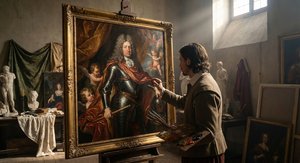
The Grandeur of Baroque Portraiture: Power, Emotion & Artistic Innovation
Explore the grandeur of Baroque portraiture! Discover Rubens, Van Dyck & the masters of 17th-century art. Uncover symbolism, techniques & lasting influence. Expert insights for collectors and enthusiasts.

Barock Meisterwerke: Die 10 prägendsten Kunstwerke für Ihr Zuhause |
Entdecken Sie die 10 prägendsten Meisterwerke des Barock! Caravaggio, Rembrandt & Co. – Erfahren Sie die Geschichten hinter ikonischen Gemälde und finden Sie hochwertige Kunst Reproduktionen für Ihr Zuhause auf .