In echtem Maßstab anzeigen
 Versenden als Grußkarte
 Teilen
 Details anzeigen
 Leitfaden öffnen

 Herunterladen
 Ähnliche Objekte
 Röntgenaufnahme
 Diashow
 Besucherstatistiken
Frans Snyders
 Öl auf Leinwand
- Wandkunst
- Barock
 1620
1620- – Frühe Neuzeit
 142.0 x 105.0 cm
 The Frick Collection
 Mehr anzeigen
Giclée / Kunstdruck
Giclée- oder Leinwanddruck in Museumsqualität mit schneller Produktion und flexiblen Veredelungsoptionen. ( Handgemalte Reproduktion kaufen Zum digitalen Bild wechseln)




P118B €10

P118H €10

P118W €10

P438Z €10

P508JH €12

P508YH €12

P805H €10

P805Z €10

P919BZ €10

P919G €10

P919XJ €10

P959ZH €10

P968JZ €12

W106C €8

W218G €10

W218JH €8

W218Y €10

W307PJ €10

W316G €10

W316PJ €8

W316Y €10

W398PJ €8

W4111J €10

W500HY €15

W500JH €15

W692G €12

W849H €8

W940BG €15

W953PJ €8




Wählen Sie aus unseren vordefinierten Formaten, die den ursprünglichen Proportionen des Kunstwerks entsprechen.

Geben Sie die Breite und die Höhe an, die Sie benötigen, damit der Druck perfekt in Ihren Rahmen oder an Ihre Wand passt. Ein Druck kann nur beschnitten werden und niemals größer als das Originalbild gemacht werden; daher verliert ein Format mit einer anderen Proportion einen Teil des Bildes. Wir senden Ihnen ein digitales Mockup zur Freigabe, bevor wir den Druck ausführen. Das auf dieser Seite gezeigte Bild zeigt nicht den tatsächlichen Beschnitt – dies ist nur im Mockup ersichtlich.
Weltweiter Versand () innerhalb von 2 Wochen statt der üblichen 4/5 Wochen. (23 Oktober)

Kostenloser weltweiter Expressversand

Hochwertige Leinenleinwand

Vollständiger Versicherungsschutz beim Versand

Zollgebühren-Rückerstattungsgarantie

Garantie für exakte Farbtreue

100-tägiges Rückgaberecht (nur bei Mängeln)

100% Geld-zurück-Garantie

Angebot für Mengenrabatt
 Die Glasoption ist nur für Größen unter 110 cm verfügbar.

Frans Snyders
Giclée / Kunstdruck
Format der Reproduktion
-


Gesamtpreis
€ 70
Eine Symphonie aus Status und Schatten
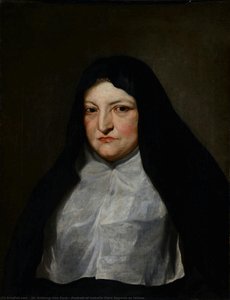
Im prachtvollen Wandteppich des flämischen Barock gibt es nur wenige Momente, die die Schnittstelle zwischen künstlerischem Genie und sozialem Aufstieg so ergreifend einfangen wie Sir Anthony van Dycks Porträt von Frans Snyders aus dem Jahr 1620. Dieses Meisterwerk ist weit mehr als eine bloße Ähnlichkeit; es ist eine sorgfältig orchestrierte Inszenierung von Prestige. Im Zentrum steht Snyders, ein Mann, dessen Ruf als Meister der Tierdarstellungen und Stillleben nur von seiner wachsenden sozialen Bedeutung in Antwerpen übertroffen wurde. Gekleidet im schlichten, aber luxuriösen Schwarz eines Gentlemans, mit einem gestärkten weißen Kragen, der den Blick auf seine gefassten Gesichtszüge lenkt, verkörpert Snyders das stille Selbstvertrauen der aufstrebenden Kaufmannsklasse jener Ära. Die Anwesenheit von Personen an seiner Seite deutet nicht nur auf ein Familienporträt hin, sondern auf ein Tableau des gemeinschaftlichen Erfolgs, das den Betrachter in eine vornehm gekleidete Gesellschaft einlädt, in der jede Stofffalte und jeder geworfene Schatten von Wohlstand und Beständigkeit zeugt.
Die technische Brillanz Van Dycks zeigt sich in seiner meisterhaften Manipulation von Licht und Textur. Nachdem er sein Handwerk unter dem legendären Peter Paul Rubens perfektioniert hatte, verleiht Van Dyck dieser Komposition eine dynamische Energie, die die Statik traditioneller Porträtmalerei transzendiert. Man kann das subtile Zusammenspiel des Chiaroscuro beobachten – den dramatischen Kontrast zwischen Licht und Dunkel –, der dem Gesicht von Snyders und den schweren Draperien, die ihn umgeben, eine skulpturale Tiefe verleiht. Die Pinselführung ist sowohl präzise als auch fließend und fängt die haptische Realität von Seide, Spitze und Haut mit müheloser Anmut ein. Für den anspruchsvollen Sammler bietet dieses Gemälde ein Fenster zur barocken Obsession mit der Materialität, bei der der Glanz eines Ärmels oder das sanfte Licht auf einer Wange dazu dient, den hohen Status des Dargestellten in einer greifbaren, physischen Realität zu verankern.
Das Goldene Zeitalter Antwerpens
Um dieses Werk zu verstehen, muss man über den Rahmen hinaus auf die lebendigen, wohlhabenden Straßen des Antwerpen des 17. Jahrhunderts blicken. Dies war eine Ära beispiellosen wirtschaftlichen Aufschwungs, in der Handel und künstlerische Innovation eine kulturelle Renaissance befeuerten. Die Existenz dieses Porträts dient als historisches Dokument von Snyders’ Aufstieg; nachdem er kürzlich ein prächtiges Stadthaus in der prestigetragenden Meirstraat erworben hatte, nutzte der Dargestellte Van Dycks Pinsel, um das Erbe seiner Familie zu festigen. Das Gemälde fungiert als visuelles Manifest der sozialen Ambitionen des Paares und spiegelt eine Zeit wider, in der Kunst die ultimative Währung des Einflusses war. Es ist eine Epoche, in der die Grenzen zwischen Künstler und Mäzen verschwammen und eine gemeinsame Sprache der Eleganz schufen, die in der modernen Ästhetik bis heute nachhallt.
Für diejenigen, die ein solch tiefgründiges Werk in ein zeitgenössisches Interieur integrieren möchten, bietet diese Reproduktion ein unvergleichliches Gefühl von historischer Gravitas und anspruchsvollem Charme. Ob in einem formellen Arbeitszimmer oder als Blickfang in einer prächtigen Halle platziert – das Gemälde bringt eine Atmosphäre von intellektueller Tiefe und zeitlosem Luxus mit sich. Es ist nicht bloß eine Dekoration, sondern eine Einladung, über die dauerhafte Kraft des Vermächtnisses und die Schönheit menschlicher Errungenschaften nachzusinnen. Der Besitz eines Werkes, das die Essenz von Van Dycks raffinierter Eleganz einfängt, erlaubt es einem Raum, im Geist des Goldenen Zeitalters zu atmen, und bietet eine ständige Quelle der Inspiration sowie eine anspruchsvolle Verbindung zu den Meistern der Vergangenheit.
Fragen & Antworten
Welche Größe wird für "Frans Snyders" in einem Wohnzimmer empfohlen?
Die ideale Kombination für "Frans Snyders" von Sir Anthony van Dyck: ein Druck im Format Großformatig für einen Wohnzimmer.
Unter welchen Pseudonymen oder Alternativnamen ist Sir Anthony van Dyck bekannt?
Weitere unter denen Sir Anthony van Dyck, Schöpfer von „Frans Snyders“, bekannt ist, umfassen Antoon van Dyck.
Woraus besteht "Frans Snyders"?
Sir Anthony van Dyck verwendete die Technik der Öl auf Leinwand für „Frans Snyders“. Die Technik bestimmt die materielle Beschaffenheit des Originalwerks.
Biografie des Künstlers
A Flemish Master at the Courts of Europe
Sir Anthony van Dyck, born in Antwerp in 1599, emerged as one of the most celebrated and influential portraitists of the Baroque era. His life, though tragically cut short at just forty-two years old, was a whirlwind of artistic exploration and prestigious commissions that took him from his native Flanders to Italy and ultimately to the heart of the English court. From an early age, van Dyck displayed remarkable talent, entering Hendrick van Balen’s workshop as a young apprentice and quickly absorbing the prevailing styles of the time. However, it was his association with Peter Paul Rubens – not merely as a student but as a collaborator – that truly shaped his artistic foundation. He learned from Rubens' dynamic compositions, rich color palettes, and masterful handling of light and shadow, yet van Dyck soon began to forge his own distinct path, one characterized by an elegance and refinement that would become his signature.Italian Sojourns and the Birth of a Style
The years van Dyck spent in Italy, beginning around 1621, proved pivotal in his artistic development. He resided primarily in Genoa, where he found favor among the city’s aristocratic families. It was here that he began to cultivate the sophisticated style for which he would become renowned – a style marked by graceful poses, luxurious fabrics, and an almost palpable sense of nobility. Unlike the robust energy often found in Rubens' work, van Dyck’s Italian portraits exude a refined composure, capturing not just physical likeness but also the inner character and social standing of his sitters. During this period, he embarked on his *Iconography*, a series of meticulously rendered portrait etchings featuring prominent figures of his time – artists, scholars, and rulers alike. This project showcased his exceptional technical skill and established him as a leading printmaker. These etchings weren’t simply records; they were carefully constructed images designed to immortalize the subjects and convey their status and intellect. He experimented with innovative techniques—dramatic lighting, sweeping gestures, and carefully chosen backgrounds —to create images that were both visually stunning and politically charged.The King's Painter: Van Dyck in England
In 1632, van Dyck received an invitation that would forever alter his career trajectory – a summons from Charles I of England to become the court painter. This appointment marked a turning point, not only for van Dyck but also for English portraiture. He arrived in London with a considerable reputation and quickly became indispensable to the king, tasked with creating images that projected an aura of power, majesty, and divine right. Van Dyck’s portraits of Charles I are particularly noteworthy; he moved away from the stiff, formal representations favored by earlier artists, instead portraying the king as a dynamic, charismatic leader. He employed innovative techniques – dramatic lighting, sweeping gestures, and carefully chosen backgrounds – to create images that were both visually stunning and politically charged. His influence extended beyond the royal family, shaping the visual culture of the English aristocracy for generations to come. He didn’t just paint portraits; he crafted an image of kingship, influencing how royalty was perceived for over a century.Legacy and Enduring Influence
Van Dyck's untimely death in 1641 robbed the art world of a prodigious talent, but his legacy endures to this day. His impact on English portraiture is immeasurable; he established a standard of elegance and sophistication that subsequent artists would strive to emulate. He was recognized as one of the foremost painters of his time—a true innovator who reshaped artistic conventions.- Technical Innovation: He mastered both oil painting and etching, constantly experimenting with new techniques.
- Stylistic Refinement: His portraits are characterized by their graceful poses, luxurious fabrics, and subtle psychological insights.
- Courtly Influence: He transformed the image of the English monarchy, creating a visual language of power and prestige.

Sir Anthony van Dyck
1599 - 1641 , Belgien
Eckdaten zum Künstler
- Artistic Movement Or Style: Barock
- Artists Who Influenced This Artist: ['Peter Paul Rubens']
- Date Of Birth: 22 März 1599
- Full Name: Sir Anthony van Dyck
- Nationality: Flämisch
- Notable Artworks:
- Charles I in Drei Positionen
- Rinaldo und Armida
- Portrait von Nicolaes van der Borght
- Place Of Birth: Antwerpen, Belgien
Verwandte Artikel

Sir Anthony van Dyck: Hofmalerei und die Formung barocker Identität
Entdecken Sie das Werk von Sir Anthony van Dyck – Hofmaler Karls I. und Meister der Porträtkunst. Erfahren Sie mehr über seine Einflüsse, Techniken und den Wert seiner Gemälde für Sammler.

Rembrandts Meisterwerke: Die Top 25 Kunstwerke für Ihr Zuhause | OriginalUniqueArt
Entdecken Sie Rembrandts 25 berühmteste Kunstwerke! Tauchen Sie ein in die Welt des Barock, Licht und Schatten & historischer Porträts. Hochwertige Reproduktionen für Ihr Zuhause – jetzt auf OriginalUniqueArt.com!

Die 10 Meisterwerke der niederländischen Barockmalerei – Kunst für Ihr Zuhause | OriginalUniqueArt
Entdecken Sie die 10 prägendsten Meisterwerke der niederländischen Barockmalerei! Von Rembrandt bis Vermeer – erleben Sie Kunstgeschichte, Techniken & Emotionen. Hochwertige Reproduktionen für Ihr Zuhause auf OriginalUniqueArt.com.

Golden Age Reflections: Dutch Baroque Painting & Cultural Innovation
Explore the Dutch Golden Age of painting! Discover key artists like Vermeer & ter Borch, their innovative techniques, and the rich cultural context behind these Baroque masterpieces. Learn about collecting & appreciating this iconic art period.

Die 10 Meisterwerke des Goldenen Zeitalters der niederländischen Malerei |
Entdecken Sie die 10 Meisterwerke des Niederländischen Goldenen Zeitalters! Von Rembrandt bis Vermeer – erleben Sie Kunstgeschichte, Techniken & Emotionen. Hochwertige Gemäldereproduktionen für Ihr Zuhause auf .